
3949 Meadowdale Street, Metairie, LA 70002
For more information about senior living options: (866) 208-4318
Overall Review of Serenity Senior Residences II
Pros
 The family is happy with the care that is provided.
- They believe the wife is in the best place she can be right now.
- Michael has shown a marked improvement in his cognitive abilities since arriving at Serenity.
- The improvement is attributed to better administration of his Parkinson's medications and more personal overall care.
- Michael's POA is very pleased with the improvement he sees.
- For the first time in two years, Michael can hold normal phone conversations.
- The staff's efforts with Michael are paying off.
Cons
 The new medicine delivery system has more than doubled administration costs and more than tripled the cost of the medicine.
 - No improvement has been observed in the new delivery system compared to the one it replaced.
Review
Serenity Senior Residences II in Metairie, LA is best suited for seniors who thrive on meticulous medication management and steady, engaged care, especially residents dealing with Parkinson’s disease or early to mid-stage cognitive changes. The community’s strengths show up most clearly when medication routines are a central concern and when families want to see consistent oversight and daily caregiver involvement. For these needs, Serenity offers a practical setting where staff coordination and attentive administration translate into meaningful everyday stability.
Those weighing alternatives should consider budget realities and the scope of memory or dementia care sought. The most persistent caveat from residents’ families is the cost impact of the current medicine delivery system, which has driven administration fees up and medication costs higher overall. For households operating under tight monthly constraints, the premium attached to this model can become difficult to sustain. In addition, families seeking highly specialized or advanced memory-care therapies beyond routine assisted living may want to compare options that emphasize more extensive dementia programming.
On the upside, the core advantage is clear: robust medication management paired with attentive personal care. In one standout case, a resident with Parkinson’s disease showed marked cognitive improvement after moving to Serenity, attributed to more precise administration of PD meds and heightened overall care attention. The resident’s POA notes a tangible lift in daily functioning and communication, able to engage in normal phone conversations for the first time in years. Across families, there is a shared sense that the staff’s ongoing commitment creates a safer, more supported environment, even as the care team works within the constraints of the new delivery framework.
The main downside centers on cost and efficiency tied to the medication system overhaul. The new model’s higher price tag, some reports describe administration costs doubling and drug costs tripling, has not consistently produced proportional gains. While the care itself remains solid, the financial friction can erode perceived value and complicate long-term planning for families. The risk is that a strong care baseline gets overshadowed by budgetary strain, making the overall decision more challenging for those with fixed incomes or limited resources.
Yet the positive effects are not merely anecdotal; they align with the community’s operational core. When medication timing and accuracy are tightly controlled, residents can experience real improvements in function and independence, particularly in PD management and routine daily activities. The better-handled medications contribute to steadier behavior and clearer communication, which in turn supports safer mobility, better engagement with staff, and a more predictable daily rhythm. The offset to higher costs comes when families place a premium on cognitive stability and genuine improvement in day-to-day functioning, rather than on a purely baseline level of care.
Ultimately, Serenity Senior Residences II offers a practical, confident pathway for families prioritizing disciplined medication management and PD-related cognitive support, provided budgetary boundaries align with the higher med-related costs. For households where those costs cannot be absorbed or where more expansive memory-care programming is non-negotiable, exploring alternatives is prudent. Prospective residents should request a transparent, current cost breakdown, confirm the specifics of the med-management protocol, and set clear expectations regarding cognitive and functional goals. This approach ensures the community’s strengths are matched to long-term care priorities, yielding the best possible fit for the right resident.
 13 resident community capacity
 Assisted Living
 Cable or satellite TV
 Dining room
 Fully furnished
 Garden
 Housekeeping services
 Move-in coordination
 Outdoor space
 Telephone
 Wi-Fi/high-speed internet available
 New Orleans International (5 miles away)
 24-hour supervision
 Activities of daily living assistance
 Assistance with bathing
 Assistance with dressing
 Assistance with transfers
 Diabetes diet
 Meal preparation and service
 Medication management
 Special dietary restrictions
 Transportation arrangement (medical)
 Transportation to doctors appointments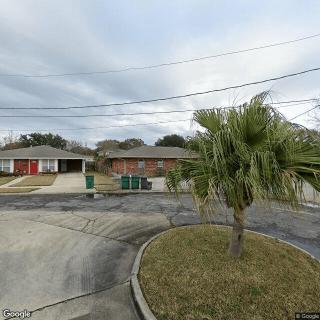





 Assisted Living and Memory Care: Understanding Their Core Differences
 Beyond the Bingo Hall: 50+ Enriching Activities for Seniors in Assisted Living
 Understanding the Distinctions: Assisted Living and Memory Care Explained