
384 Thompson Avenue, Madisonville, KY 42431
For more information about senior living options: (866) 208-4318
Overall Review of The Homestead II
Pros
 The staff are very respectful.
- Administrators care for the staff.
- The facility is very clean.
- The staff are very attentive to the residents.
Review
The Homestead II in Madisonville, KY is best suited for seniors who prize a clean, orderly environment and staff interactions that feel genuinely attentive and respectful, backed by administrators who appear to invest in supporting the care team. Families should recognize that this community tends to deliver a steadier, people-focused daily experience rather than a highly specialized medical setting. It is a solid fit for residents who want predictable routines, clean spaces, and responsive help with daily tasks, with a management culture that seems to value frontline workers. Those seeking extensive medical oversight, highly customized clinical programming, or robust memory-care support should consider alternatives that specialize in those services. The overall score sits near the high 3s, reflecting a mix of very positive experiences and meaningful concerns that deserve close scrutiny.
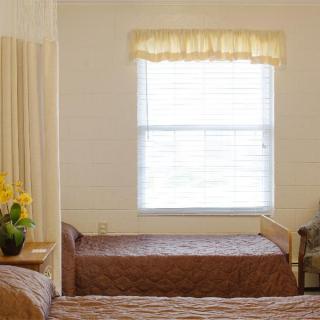
Cleanliness stands out as a consistent strength. Reviewers repeatedly point to very clean facilities, which matters greatly to families prioritizing a hygienic living environment. Beyond the floors and linens, the sentiment extends to the impression of care in common areas, dining spaces, and resident rooms. This level of upkeep tends to translate into smoother day-to-day experiences for residents who are mobile and independent, and it provides a reassuring baseline for families assessing safety and comfort. The cleanliness thread also interlocks with staff attentiveness; when spaces look cared for, it often signals that staff are paying attention and taking responsibility for the environment as a whole.
Attentive staff and a leadership posture that appears to value the care team are repeatedly cited as positive hallmarks. Several reviewers describe staff as respectful and responsive, and they note administrators who seem to prioritize supporting the people who do the daily work. That dynamic matters because consistent, well-supported staff typically means fewer missed calls, more proactive help with activities of daily living, and smoother transitions between shifts. Families weighing quality of life for a resident will want to confirm that this supportive culture translates into reliable service across evenings and weekends, not just during peak daytime hours. When leadership visibly backs staff, it often correlates with a more stable, approachable atmosphere for residents.
Nevertheless, the two one-star reviews cannot be ignored. They signal that, for a portion of residents or families, expectations were not met in a way that outweighed the positives. The gap between the most positive experiences and these low marks points to potential inconsistencies in care delivery, communication, or resident satisfaction that deserve careful probing. The best-use mindset is to acknowledge the strengths, cleanliness, staff attentiveness, and supportive administration, while remaining vigilant about personalized care needs and the reliability of everyday responsiveness. For some residents, those gaps could translate into noticeable friction in daily life or in the handling of concerns.
Families should consider alternatives if care needs extend beyond assisted living norms or if a highly consistent care trajectory is non-negotiable. Environments with more explicit memory-care programming, more comprehensive on-site medical oversight, or larger teams with uniform shift coverage can mitigate the risk of uneven experiences. If the priority is a facility where medical coordination, routine specialist input, or clearly defined service expectations are consistently documented and delivered, exploring other communities may be prudent. The Homestead II offers a solid baseline, but those who cannot tolerate potential variability will be better served elsewhere.
On tours and during conversations, focus on how daily tasks are handled and how staff communication actually flows in real-time. Observe how housekeeping standards are maintained during peak activity, how quickly calls for assistance are answered, and whether residents appear engaged in meaningful activities throughout the day. Ask about staff-to-resident ratios at different shifts, turnover rates, and the process for escalating concerns to administrators. Inquire about care planning transparency, how often plans are reassessed, and what happens when a residentā€™s needs change. These specifics will reveal whether the pros, cleanliness, respectful staff, and supportive leadership, consistently translate into the reliable, resident-centered living experience families seek.
In the end, The Homestead II presents a practical, dependable option for seniors who value a well-kept setting and a care team that seems empowered to do their jobs well. For families prioritizing warmth, accessibility, and a steady routine, the positives often outweigh the caveats. However, for residents with higher medical needs, complex care plans, or a demand for unwavering consistency across every shift, alternatives with stronger clinical frameworks and documented continuity may be warranted. The decision hinges on balancing the comfort of a clean, people-focused environment against the importance of medical and care-management rigor in daily life.
 64 resident community capacity
 Assisted Living
 Air-conditioning
 Beauty salon
 Cable or satellite TV
 Computer center
 Dining room
 Fitness room
 Fully furnished
 Gaming room
 Garden
 Housekeeping services
 Kitchenette
 Move-in coordination
 Outdoor space
 Private bathrooms
 Restaurant-style dining
 Small library
 Telephone
 Wellness center
 Wi-Fi/high-speed internet available
 Community operated transportation
 24-hour call system
 Activities of daily living assistance
 Assistance with bathing
 Assistance with dressing
 Assistance with transfers
 Diabetes diet
 Medication management
 Special dietary restrictions
 Concierge services
 Planned day trips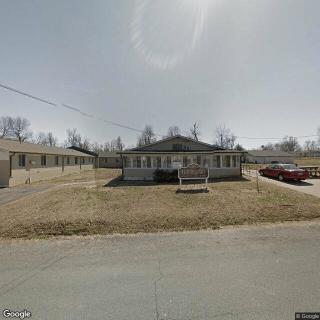






 Assisted Living Expenses and Long-Term Care Insurance: A Comprehensive Exploration
 Securing Financial Support for Assisted Living: A Comprehensive Overview
 Social Security Benefits and Assisted Living: Navigating Options Across the U.S.