

515 Nerinx Rd, Loretto, KY 40037
To contact a resident: (270) 865-5811
For more information about senior living options: (866) 208-4318
Overall Review of Sisters of Loretto
Pros
 The sisters are active in the community and committed to social justice, and they are delightful to interact with.
- The accommodations are beautiful, and a kitchen is available for cooking.
- The experience is peaceful, loving, and rejuvenating.
- It is a lovely retreat venue for groups or solitary work.
- It is a peaceful and restful place.
- It is a wonderful place for a stroll, with beautiful grounds, hills, and lakes, and suitable for cabin retreats.
- It is a beautiful place to enjoy God's Wonder.
- The classical concert at the chapel features superb music with amazing acoustics, and the concert series is free and open to the public.
- They received a wonderful welcome.
Cons
 The reviewer found it to be "super liberal," lamenting that the website mentions only peace and justice and not Jesus, which they called a disappointment.
Review
This community is best suited for adults who crave a serene, spiritually inflected retreat experience in a rural Kentucky setting. It works well for individuals or small groups seeking quiet time for reading, writing, or reflection, paired with meaningful engagement with a living religious community. The grounds, hills, lakes, a chapel, and a welcoming atmosphere, invite restorative solitude as well as occasional social interaction, and the opportunity to participate in worship, concerts, or informal conversations with the sisters. It is a place for those who want to pause ordinary hustle and immerse themselves in peace, culture, and contemplative practice, rather than a conventional, hands-on assisted living environment.
Those who may want to consider alternatives include families seeking ongoing medical oversight, daily living assistance, or guaranteed caregiving support tailored to aging or disability needs. If the goal is a tightly structured, service-driven senior living campus with clear care plans and staff-provided everyday support, a traditional assisted living option is more appropriate. Additionally, visitors who want a Catholic experience with explicit doctrinal emphasis on Jesus and canonical teaching may find the tone here too broad or “liberal,” and may prefer a setting with a more traditional, creed-centered approach.
The strongest pros here, peaceful atmosphere, beauty of the grounds, and a welcoming, socially engaged sisterhood, largely offset the main drawbacks for the intended purpose. The setting supports rest and introspection, while the sisters’ active involvement in social justice adds depth beyond a typical retreat. Accommodations are described as beautiful, and the presence of a kitchen allows independent cooking, which preserves autonomy and self-sufficiency. The chapel and its acoustics, along with a free classical concert series that opens to the public, provide cultural enrichment that broadens the appeal beyond mere quiet time. For someone prioritizing atmosphere, meaningful conversation, and artistic inspiration, these benefits align well with personal or spiritual recuperation.
What to expect in practice is a retreat-like cadence rather than a full-service senior-living routine. The experience centers on peaceful, contemplative living, with opportunities to attend Sunday services, interact with the sisters, stroll the grounds, and take part in or observe community events such as concerts. The lifestyle leans toward solitary work or group retreats, rather than structured caregiving or medical support. The presence of older nuns and a motherhouse vibe suggests a traditional, long-standing religious environment rather than a modern, hospital-like care campus. Prospective visitors should plan for self-sufficiency in daily living and be prepared for a pace that prioritizes reflection, spirituality, and cultural programming over formal, round-the-clock caregiving.
Bottom line: this community serves a clear niche. It is a strong fit for those who want a peaceful, spiritually oriented retreat where beauty, intellectual stimulation, and social justice values are foregrounded, and where autonomy and personal exploration are possible. It is less appropriate for anyone requiring ongoing medical care, daily living assistance, or a strictly doctrinal Catholic environment. The prudent path is to visit with specific questions about stay length, accessibility, and the availability of any required support services, while weighing the value of quiet immersion and cultural programming against the absence of conventional care staffing. For families weighing options, this setting deserves serious consideration when the priority is restorative time, meaningful dialogue with a living religious community, and access to artistic and contemplative experiences in a serene landscape.
 Assisted Living
 Activities on-site
 Devotional services off-site
 Indoor common areas
 Ambulatory care
 Diabetic care
 Meals provided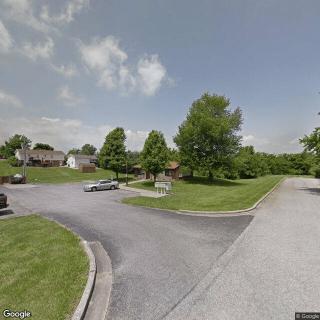



 Assisted Living and Memory Care: Understanding Their Core Differences
 Beyond the Bingo Hall: 50+ Enriching Activities for Seniors in Assisted Living
 Understanding the Distinctions: Assisted Living and Memory Care Explained