




105 Village Way, Lebanon, KY 40033
For more information about senior living options: (866) 208-4318
Overall Review of The Village Of Lebanon II
Pros
 The staff is very caring.
- They were always kind and respectful and worked to ensure she was well cared for.
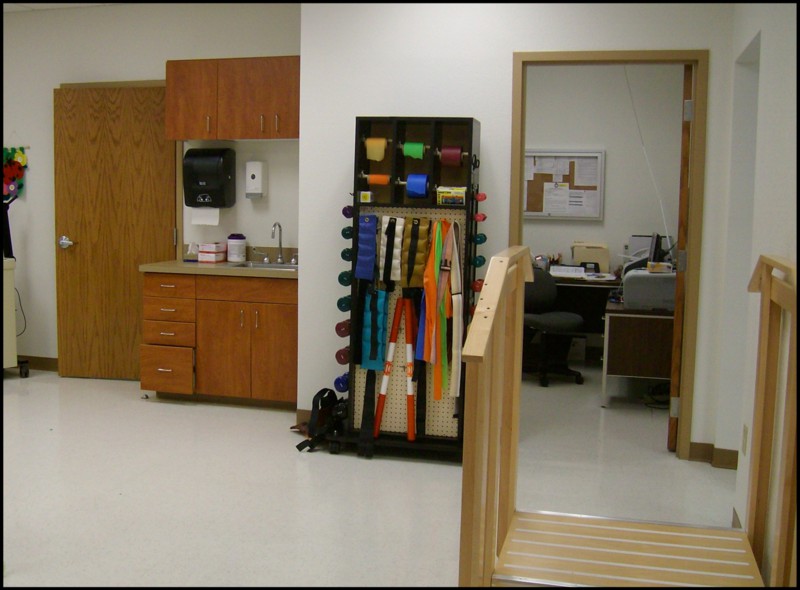
- She did great with rehab and met her therapy goals under the Rehab staff's direction.
- She never had a bed sore.
- The reviewer highly recommends this facility and these caregivers.
- The place is awesome.
- Charlotte and Gina take such good care of the residents and go above what is expected.
- The staff responded to his call within a few minutes.
Cons
 They say you shouldn’t bring loved ones to this facility because they don’t do their job correctly and are very rude to patients and family members.
- They say their dad was there and they wouldn’t give him the therapy he needed and just let him go without it.
- They say he was kept in his wheelchair all day and nothing was done about his swollen legs.
- They say they hate this place and that they won’t take care of loved ones well at all.
- They urge others to stay away from this facility.
- They wouldn’t recommend bringing their family here.
- Half of the CNAs do not take care of the residents.
- The DON has an assault charge and remains in the position.
- The nurses do not care about residents when they are sick and are too lazy to do paperwork to send them to the hospital.
- Residents have died because nurses refused to give correct care.
- Management accuses them of everything and makes it look like it’s their fault.
- This place needs to be looked into and shut down.
- They say they will accuse you of stealing residents’ belongings and management and nurses are the ones who hide the stuff to make it look like you did it.
- They were accused of things they weren’t even there for.
- Nurses bullied CNAs and management would side with the nurses over CNAs when reporting wrongdoings.
- They witnessed a resident fall and the nurses said they were fine and wouldn’t report it.
- The discharge was a total nightmare from this facility.
- The staff didn’t call rescue until noon to pick him up.
- His prescriptions were wrong and by the time he got home it was late and nobody knew anything.
- They closed his chart and didn’t seem to care he was sent home with the wrong prescription.
- The discharge process lacked observance and wasn’t handled smoothly.
- The main nurse spent time looking at Avon instead of acknowledging the family during the discharge meeting.
Review
This community is best suited for families pursuing short-term rehabilitation and post-acute recovery where a capable rehab team can drive meaningful progress and where frontline caregivers show genuine, compassionate engagement. Residents who respond well to supervised therapy and consistent daily attention from aides and nurses may find relief here, especially when family involvement remains part of the care plan. It is less appropriate for those who need flawless, steady governance, airtight discharge planning, and a consistently stable administration that can be trusted year after year. In short, this setting can deliver rehab gains and kind bedside care, but only when management and daily operations align with reliable, proactive oversight.
Those who should consider alternatives are families prioritizing long-term security, predictable accountability, and robust risk management. If chronic care needs hinge on uniformly excellent supervision, transparent communication, and a governance structure free of reported internal discord, other communities may be safer bets. For residents with dementia or complex medical trajectories requiring unwavering, highly coordinated care, the environment here may feel uneven unless strong family advocacy is present. Additionally, discharge planning and medication reconciliation appear variable enough that prospective residents should scrutinize these processes before committing.
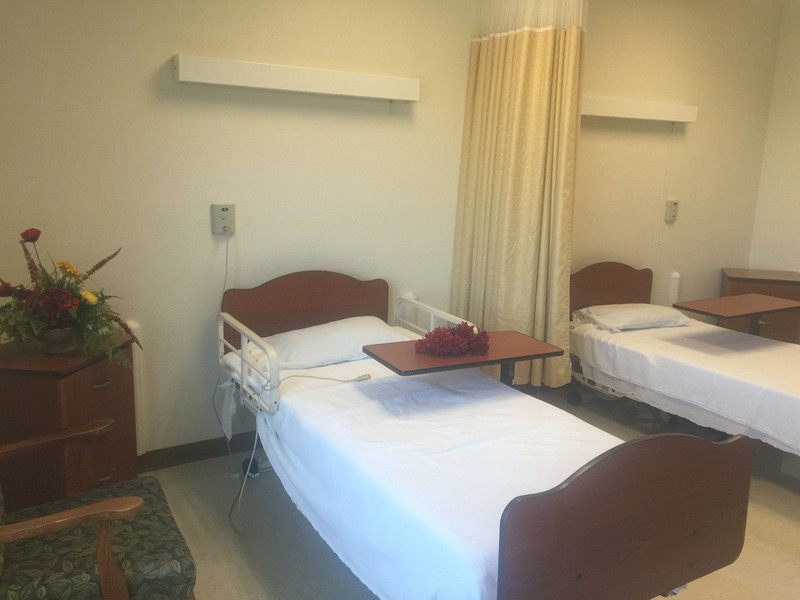
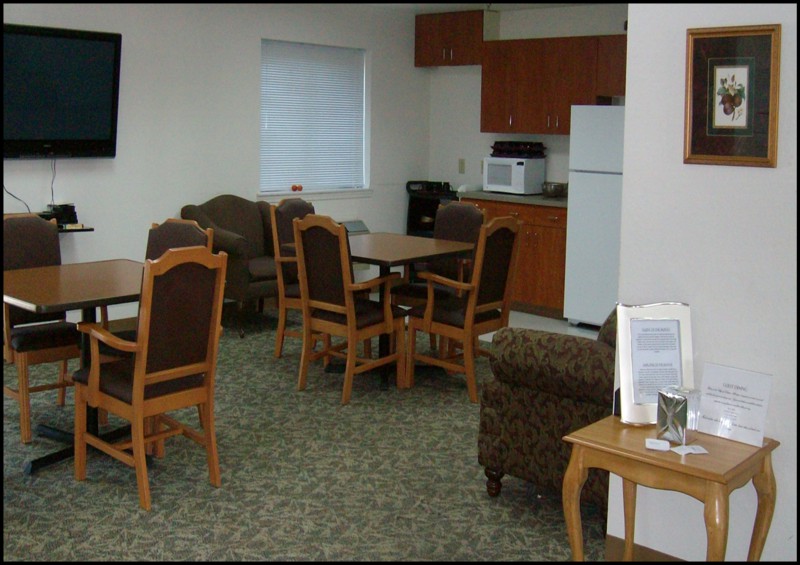
On the upside, several reviews point to real strengths in the caregiving core. When rehab staff are involved, outcomes can be strong: a resident’s rehabilitation goals met under therapy direction, and a history of being able to return home after successful inpatient recovery. Instances are cited of responsive bedside staff, a clean facility, and caregivers who treat residents with kindness and respect. Names like Charlotte and Gina surface as examples of workers who go beyond the minimum to support residents and their families. Even in long-term scenarios, some families describe the atmosphere as warm and the staff as genuinely caring. These factors, personal attention from dedicated aides and competent rehab personnel, provide credible reasons to consider this community for the right resident.
However, these positives compete with and are sometimes overwhelmed by governance and staffing concerns that many reviews flag in strong terms. Several accounts allege that a portion of CNAs do not consistently deliver care, while management dynamics include bullying and friction that affect day-to-day morale. Specific criticisms about leadership tone, accountability, and the perception that the administrator or DON may not be aligned with best-practice standards create an undercurrent of risk for families seeking dependable, continuously supervised care. The most troubling claims, that a DON allegedly faced formal consequences and that similar concerns persist about how responsibilities are handled, underscore the importance of independent verification before enrollment.
Discharge and transitional care appear particularly fragile in this facility, which has serious implications for families planning for discharge home or to another setting. One family recounts a nightmare where medications were mismanaged at the moment of discharge, a chart was inexplicably closed, and the timeline for transport became alarming and disorganized. Such episodes are not mere paperwork glitches; they disrupt safety, erode trust, and place families in precarious positions when they are least able to salvage the situation. If discharge accuracy and timely communication are non-negotiable, these past experiences signal a need for heightened scrutiny and a clearly documented discharge plan with contingency steps.
The practical takeaway is clear: this community can deliver solid rehabilitation and genuinely caring frontline staff in favorable cases, but it requires diligent oversight and a readiness to intervene when governance gaps appear. Prospective residents should insist on meeting the rehab leadership, requesting a concrete, therapist-driven plan with measurable goals, and should probe the discharge workflow, who handles med reconciliation, how charts are managed across shifts, and what safeguards exist to prevent lapses. Consider securing references specifically about long-term care quality, stability of management, and responsiveness to safety concerns. If such assurances cannot be obtained or sustained, exploring alternatives with stronger accountability and more consistent staffing may be the prudent path.
 54 resident community capacity
 Assisted Living
 Skilled Nursing Facility
 Air-conditioning
 Beauty salon
 Cable or satellite TV
 Computer center
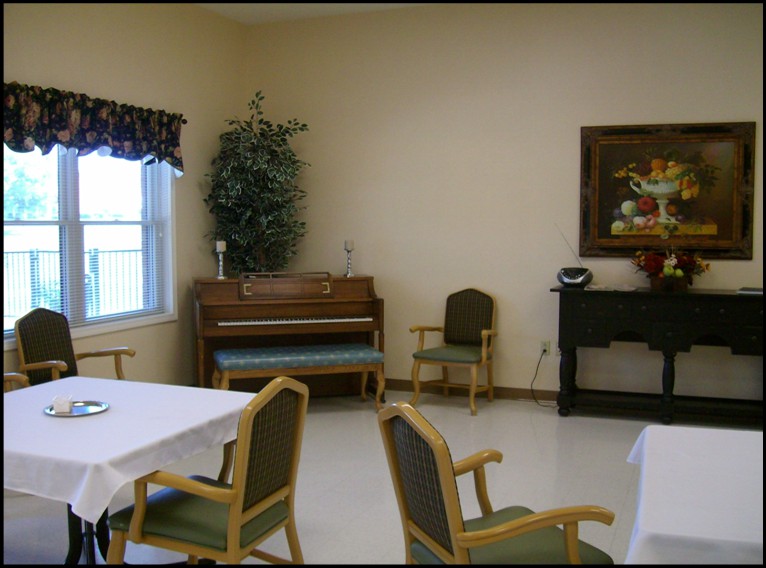
 Dining room
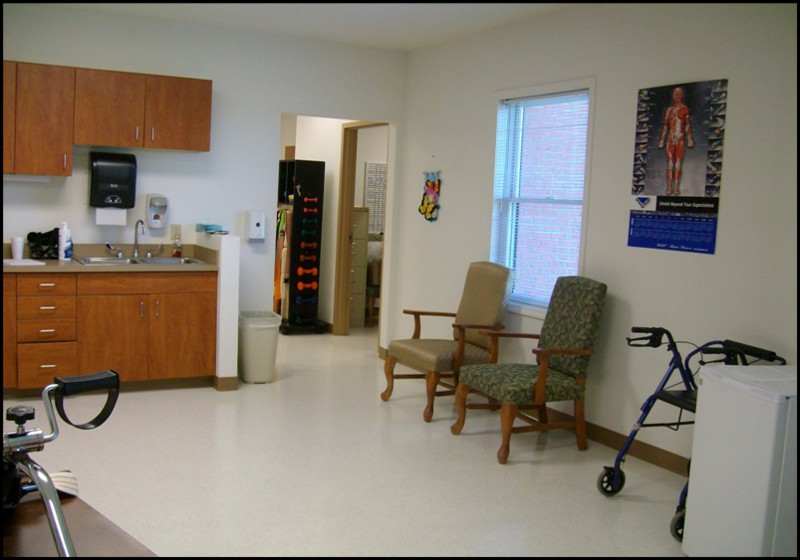
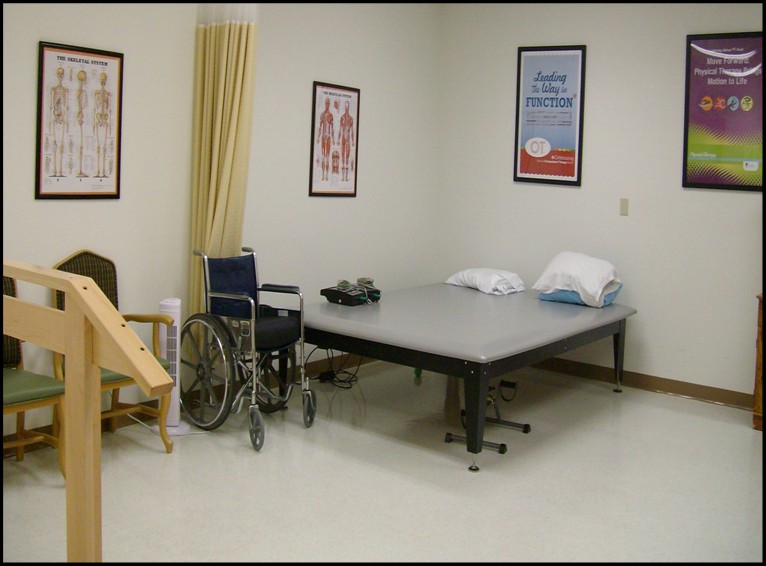
 Fitness room
 Fully furnished
 Gaming room
 Garden
 Housekeeping services
 Kitchenette
 Move-in coordination
 Outdoor space
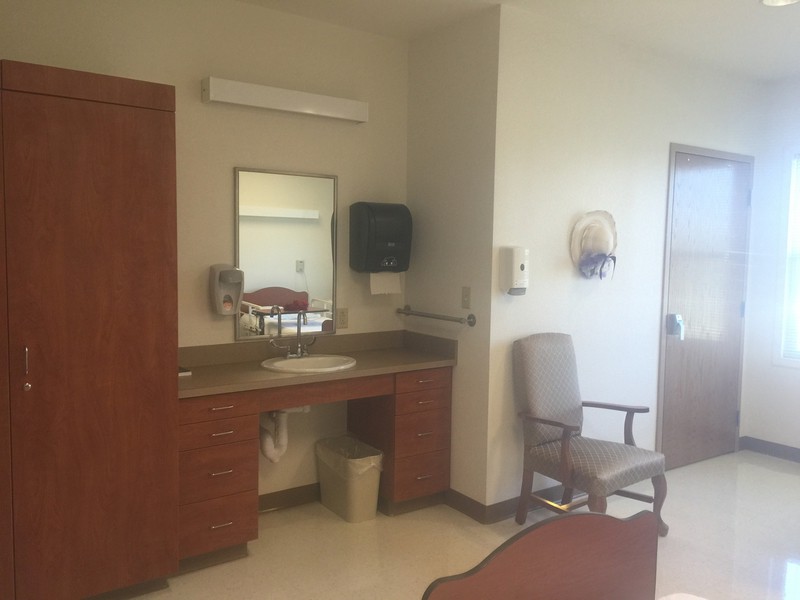
 Private bathrooms
 Restaurant-style dining
 Small library
 Telephone
 Wellness center
 Wi-Fi/high-speed internet available
 Community operated transportation
 12-16 hour nursing
 24-hour call system
 Activities of daily living assistance
 Assistance with bathing
 Assistance with dressing
 Assistance with transfers
 Diabetes diet
 Medication management
 Mental wellness program
 Special dietary restrictions
 Transportation arrangement (medical)
 Concierge services
 Planned day trips






 Assisted Living Expenses and Long-Term Care Insurance: A Comprehensive Exploration
 Securing Financial Support for Assisted Living: A Comprehensive Overview
 Social Security Benefits and Assisted Living: Navigating Options Across the U.S.