


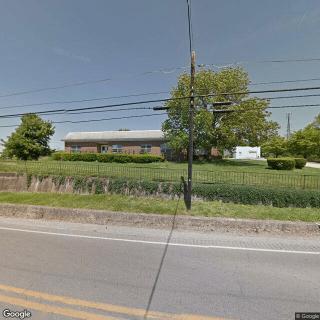
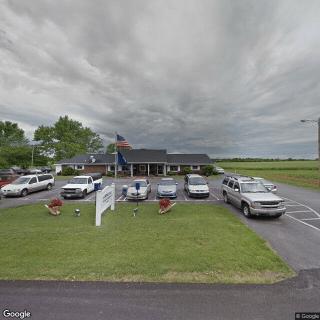
100 Garden Avenue, Campbellsville, KY 42718
For more information about senior living options: (866) 208-4318
Bluegrass Way Senior Living Costs & Pricing
Bluegrass Way Senior Living offers competitive pricing for its residents, particularly when compared to the broader market in Taylor County and across Kentucky. For a studio apartment, the monthly cost aligns precisely with the county average at $2,100, significantly under the state average of $3,357. The one-bedroom units are also attractively priced at $2,450, which is more economical than both Taylor County's average of $2,773 and Kentucky's statewide figure of $3,458. Similarly, two-bedroom accommodations at Bluegrass Way are available for $3,100 - less than both local ($3,625) and state averages ($3,702). This pricing structure highlights Bluegrass Way as a valuable option for seniors seeking quality living without straining their budgets in comparison to nearby alternatives.
| Floor plans | Bluegrass Way Senior Living | Taylor County | Kentucky |
|---|---|---|---|
| Studio | $2,100 | $2,100 | $3,357 |
| 1 Bedroom | $2,450 | $2,773 | $3,458 |
| 2 Bedrooms | $3,100 | $3,625 | $3,702 |
Overall Review of Bluegrass Way Senior Living
Pros
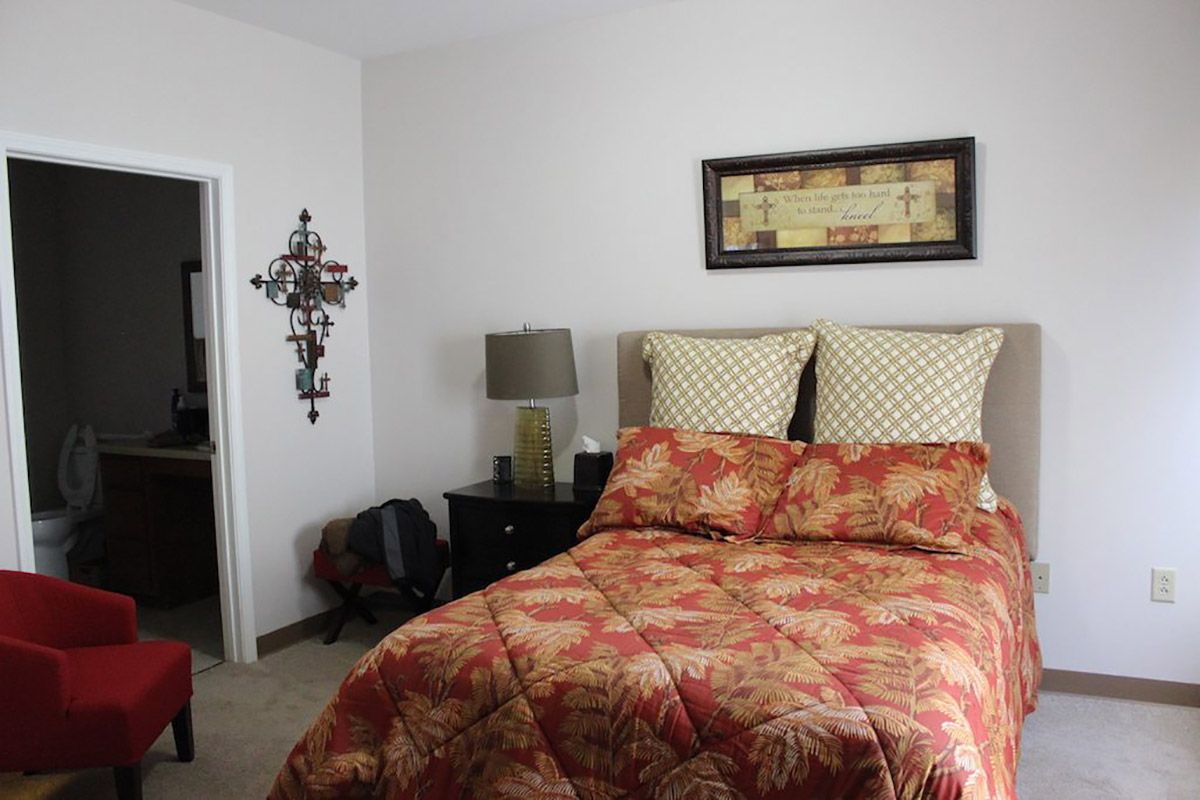
 The assigned room was nice.
- The day-to-day care staff were great.
- They treated him like family, and the staff are wonderful.
- The memory care unit coordinator is knowledgeable and takes great care of residents.
- The director and all staff are kind and caring, making residents feel cared for and appreciated.
- There are lots of activities and devotions that keep residents active and mentally engaged.
- The facility is always clean and neat.
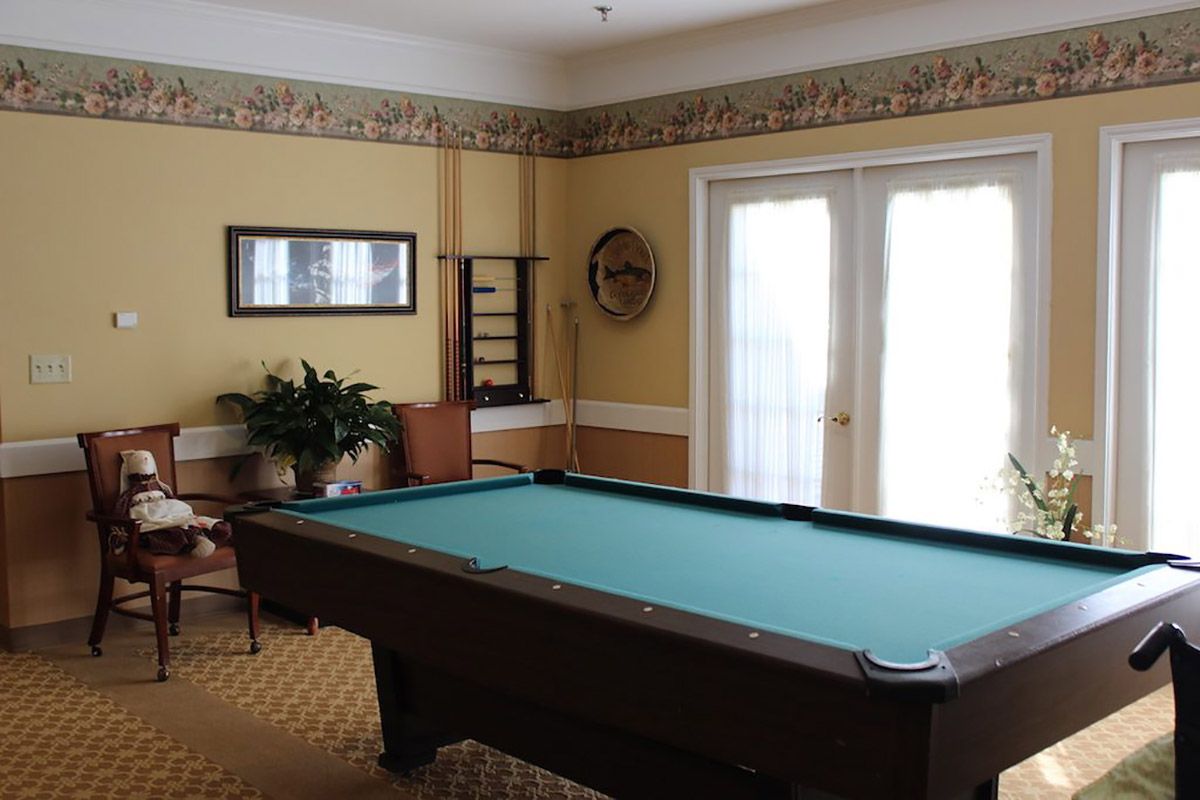
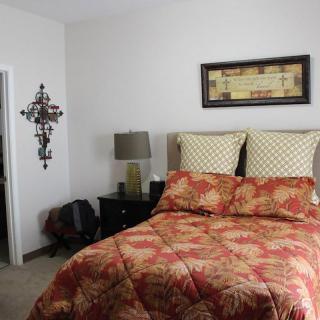
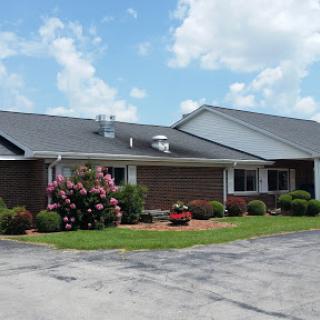
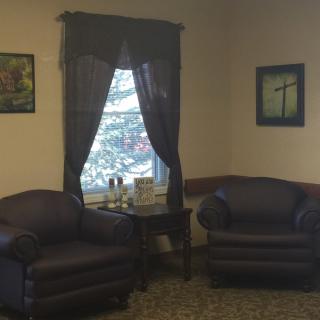
- The apartments are spacious and feel like home, with private spaces such as a den and porch.
- The staff explained who they are and what they offer.
Cons
 He was not properly evaluated for his care.
- The residents complained that the food was cold.
- Keri Young did not respond to the family's calls.
Review
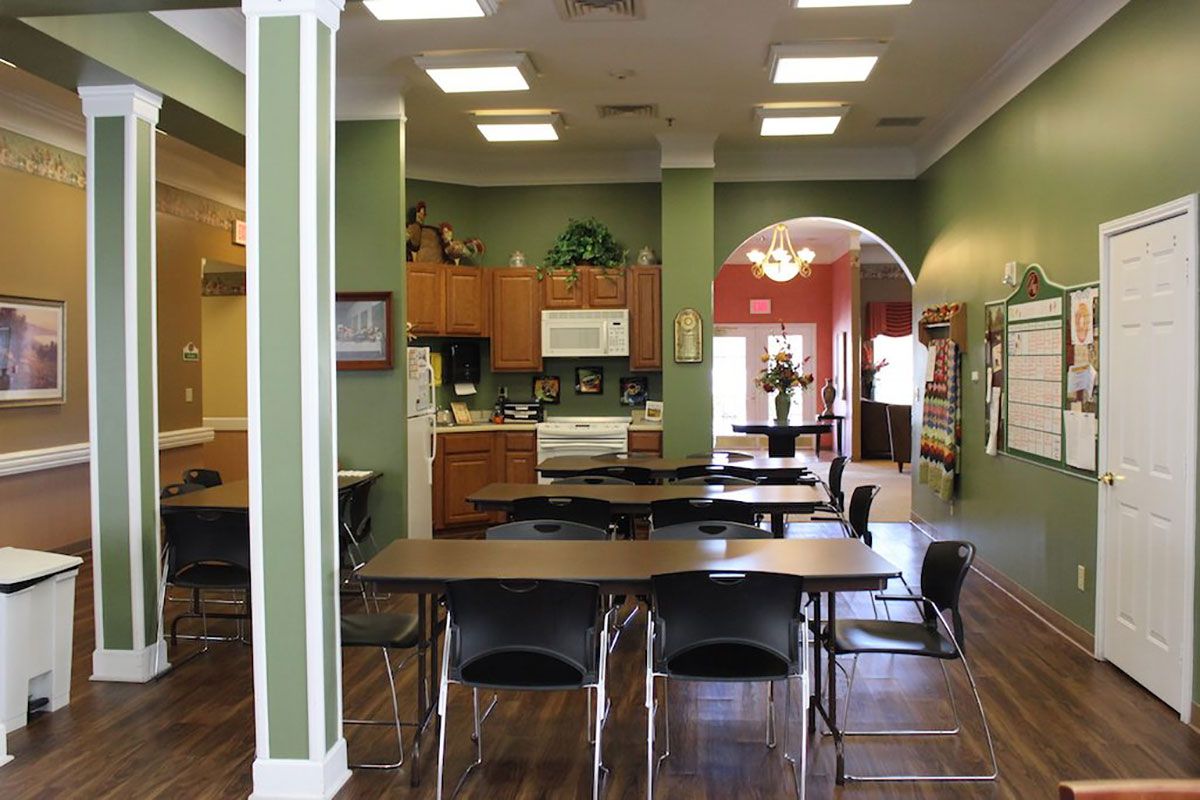
Bluegrass Way Senior Living in Campbellsville, KY, is best suited for seniors who want a warm, home-like assisted living or memory-care environment where private apartments and a strong sense of community coexist with attentive daily support. The place works well for residents who prize personal connections with staff, clean surroundings, and a schedule filled with activities and devotions that keep the mind engaged. Families seeking a setting where a resident can maintain a degree of independence while having round‑the‑clock help available will find Bluegrass Way appealing. The memory care option, in particular, attracts those looking for a smaller, intimate atmosphere where caregivers try to treat residents like family and sustain a welcoming, familiar routine.
At the same time, there are clear reasons to consider alternatives. For families prioritizing meticulous clinical oversight and consistently proactive leadership, Bluegrass Way may fall short. Several reviews flag inconsistent communication from the top leadership, including difficulty reaching the director, which can leave families feeling uncertain about care decisions or problem resolution. Others may want a dining program that reliably delivers hot meals, as occasional reports of cold food hint at gaps in service delivery. For residents requiring very precise, medically driven dementia management or highly structured care plans, a facility with more formalized care-evaluation processes could be a better fit.
The positive elements of Bluegrass Way offset several notable concerns, but not all. The facility’s strengths include a clean, well-kept environment and genuinely kind, engaged day-to-day staff, especially those providing direct care. The memory care unit benefits from a coordinator described as knowledgeable and attentive, with staff members who reportedly place residents’ needs first. Residents often have their own apartments with comfortable layouts, including dens and private bathrooms, which supports independence and personal autonomy. Activities coordinators, captain-worthy in terms of energy and engagement, help residents stay connected, and families frequently praise the overall home-like atmosphere and the sense that staff are caring and approachable. These factors can translate into meaningful day-to-day quality of life for many residents.
However, the most significant risk hinges on care planning and leadership communication. One family reported that a loved one with dementia was not evaluated properly for his care, a concern that raises questions about intake assessment, ongoing monitoring, and how changes in condition are addressed. The same thread appears in feedback about accessibility to the director, with calls and messages sometimes going unanswered. While many families celebrate the genuine warmth of staff and the feeling of being welcomed, these leadership gaps can undermine confidence during the critical moments when care decisions must be made. Prospective residents should insist on transparent care-assignment conversations, and a clear protocol for updating care plans as needs evolve.
To navigate a potential placement at Bluegrass Way, approach visits with a practical checklist. Request a direct conversation with the administrator about dementia-care evaluation procedures and how care plans are updated over time. Verify that a clearly defined communication channel exists for family updates and questions, and test it during the tour by asking how fast responses occur. Sample the dining experience, noting whether meals stay hot and appetizing, and inquire about menu variety and dietary accommodations. Observe the memory-care environment and speak with front‑line staff about daily routines, emergency procedures, and safety features. Finally, cross-check apartment options, including layout, accessibility, and any included services, to ensure they align with anticipated needs and preferences.
In the end, Bluegrass Way Senior Living delivers a compelling combination of warmth, independence, and resident-centered care that many families will find highly reassuring. It is especially strong for those who value a community where staff are consistently kind, activities are plentiful, and residents feel at home. The facility is a viable choice for dementia care when the emphasis remains on a personal, family-like approach and ongoing staff engagement. Yet for families requiring flawless leadership responsiveness and rigorous, ongoing clinical oversight, alternatives with more robust governance and proven dementia-management protocols merit consideration. A careful, in-person evaluation that probes care planning, communication practices, and dining reliability will reveal how well this community aligns with specific needs and priorities.
 51 resident community capacity
 Assisted Living
 Memory Care
 Cats allowed
 Dogs allowed
 Activities on-site
 Air-conditioning
 Beauty salon
 Cable or satellite TV
 Computer center
 Devotional services off-site
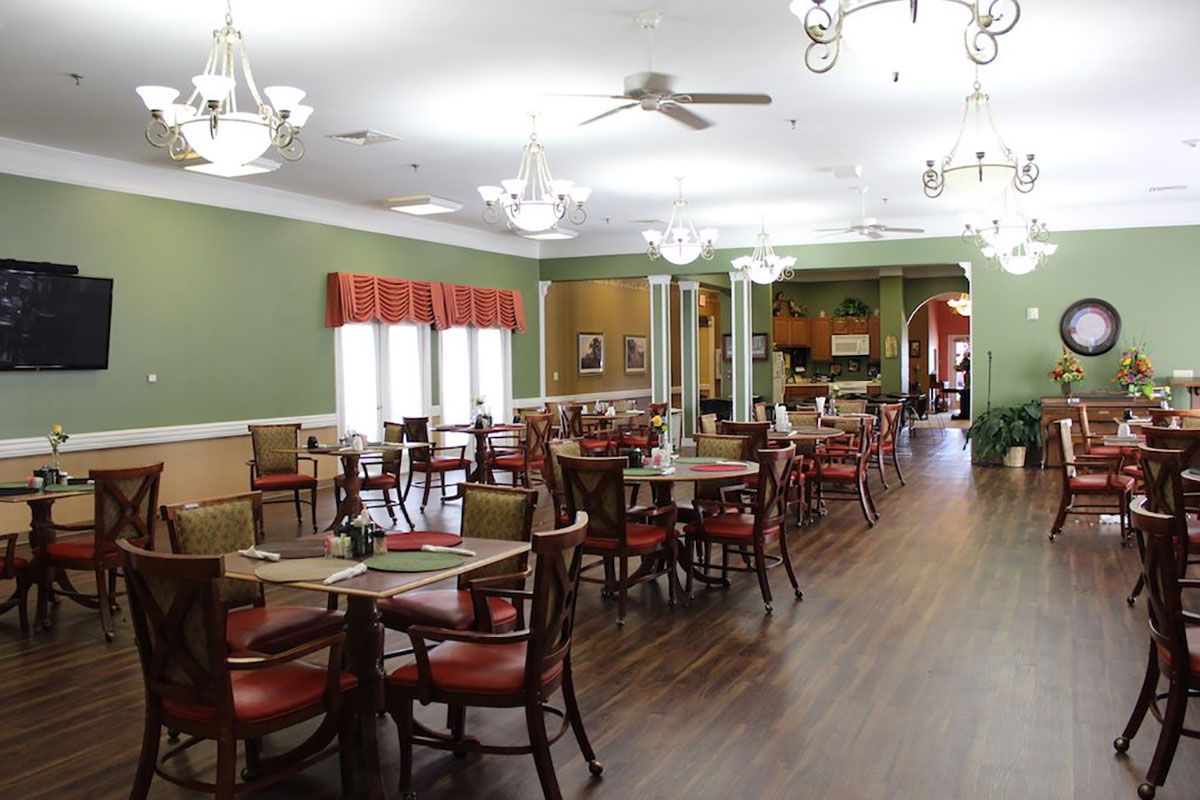
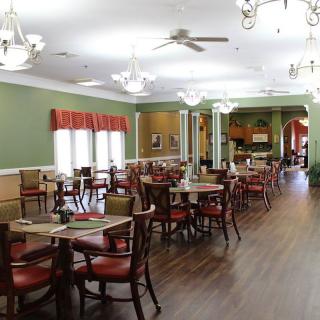
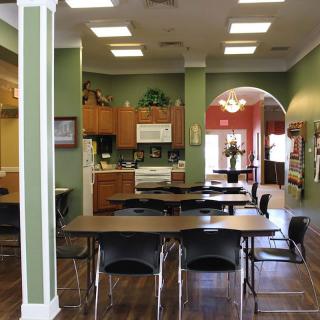
 Dining room
 Fitness room
 Fully furnished
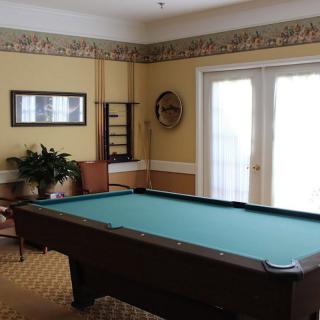
 Gaming room
 Garden
 Housekeeping services
 Indoor common areas
 Kitchenette
 Move-in coordination
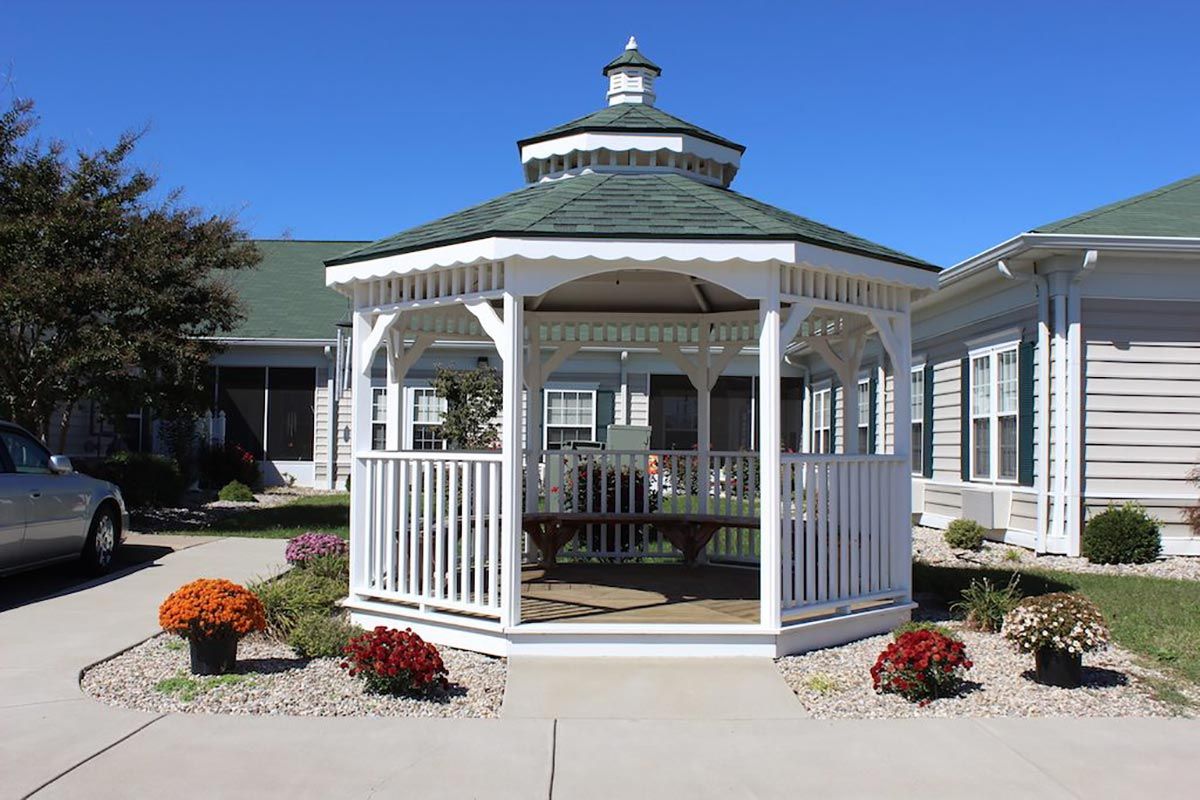
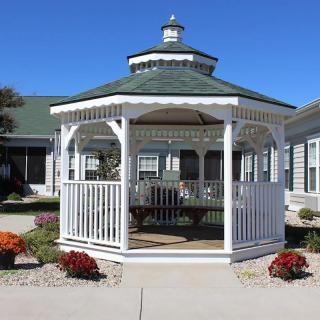
 Outdoor space
 Private bathrooms
 Restaurant-style dining
 Small library
 Telephone
 Wellness center
 Wi-Fi/high-speed internet available
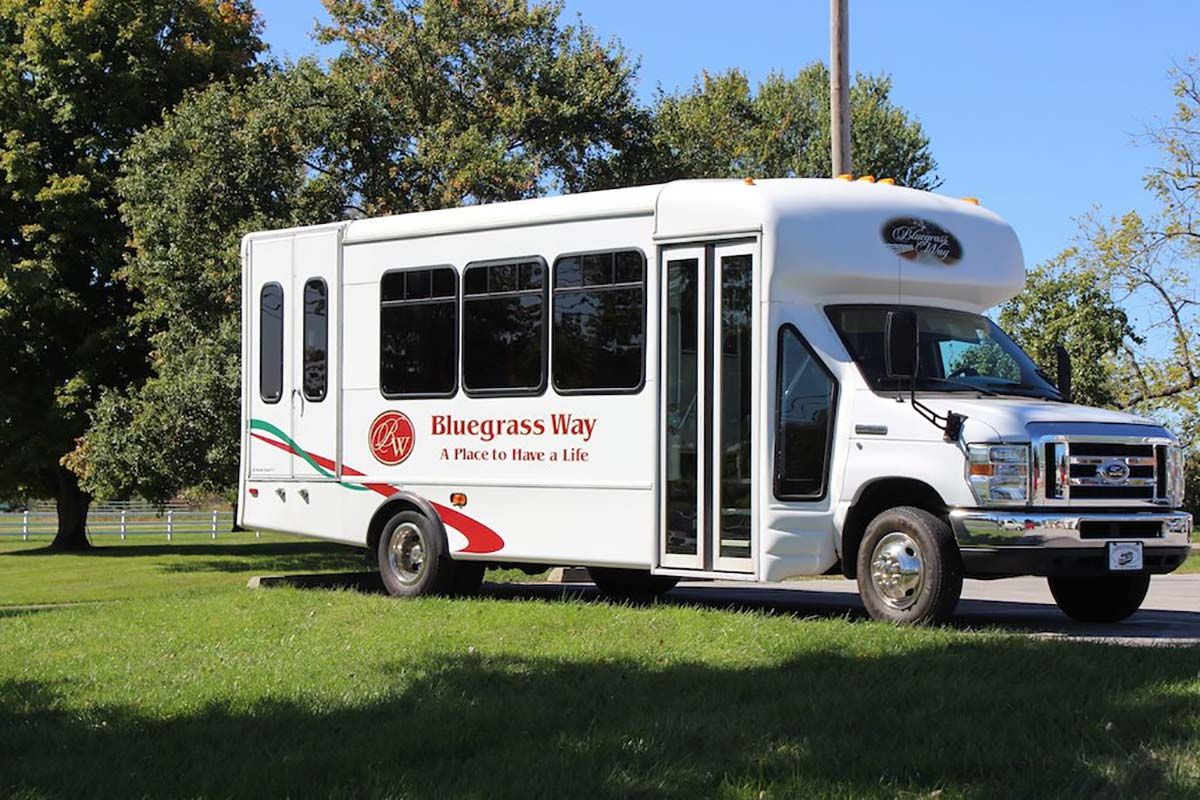
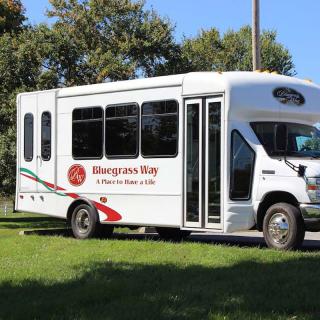
 Community operated transportation
 24-hour call system
 Ambulatory care
 Assistance with bathing
 Assistance with dressing
 Assistance with transfers
 Diabetes diet
 Medication management
 Mental wellness program
 Special dietary restrictions
 Concierge services
 Planned day trips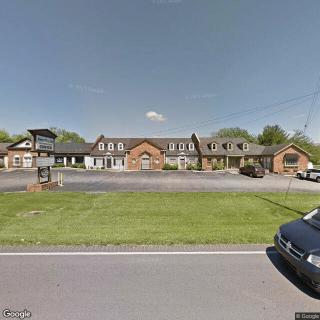


 Comprehensive Guide to VA Nursing Homes: A Crucial Long-Term Care Resource for Veterans
 Estimating the Expenses of At-Home Dementia Care: A Detailed Exploration
 Comprehensive Insights on the Late Stages of Dementia: What to Expect and How to Provide Care