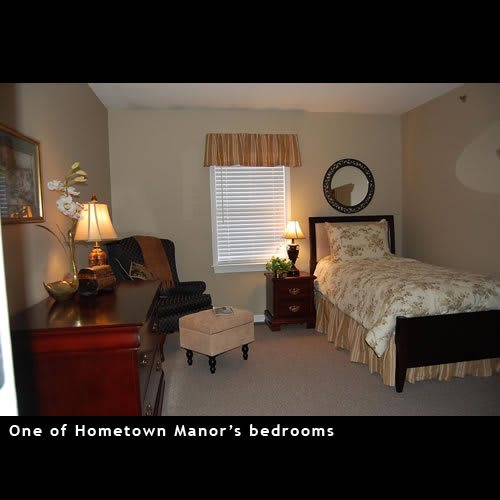

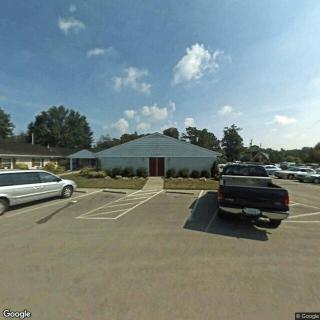
103 Manor Dr, Bardstown, KY 40004
To contact a resident: (502) 348-4663
For more information about senior living options: (866) 208-4318
Hometown Manor Assisted Living of Bardstown Costs & Pricing
Hometown Manor Assisted Living of Bardstown offers competitive pricing for its studio accommodations at $2,850 per month. This cost is slightly higher than the average monthly rate in Nelson County, which stands at $2,700, yet remains more affordable compared to the broader state average of $3,357 in Kentucky. Residents at Hometown Manor benefit from a welcoming environment and personalized care that reflects the community's commitment to enhancing the quality of life for seniors. This balance of cost and quality positions Hometown Manor as an attractive option for families seeking assisted living solutions in the region.
| Floor plans | Hometown Manor Assisted Living of Bardstown | Nelson County | Kentucky |
|---|---|---|---|
| Studio | $2,850 | $2,700 | $3,357 |
Assisted Living communities with a similar price nearby
-
from +$500 / mo
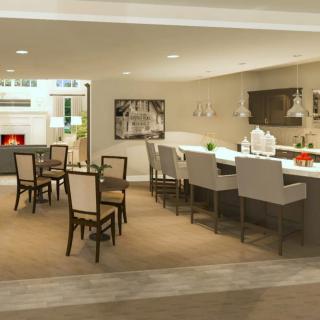
Cooper Trail Senior Living
$3,350 to $4,865 / month3.5 miles away -
from -$150 / mo
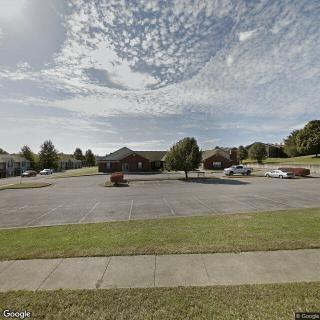
Bluegrass Assisted Living
$2,700 to $3,000 / month22.9 miles away
Overall Review of Hometown Manor Assisted Living of Bardstown
Pros
 The facility is clean and well kept.
- The daily on-site manager goes above and beyond.
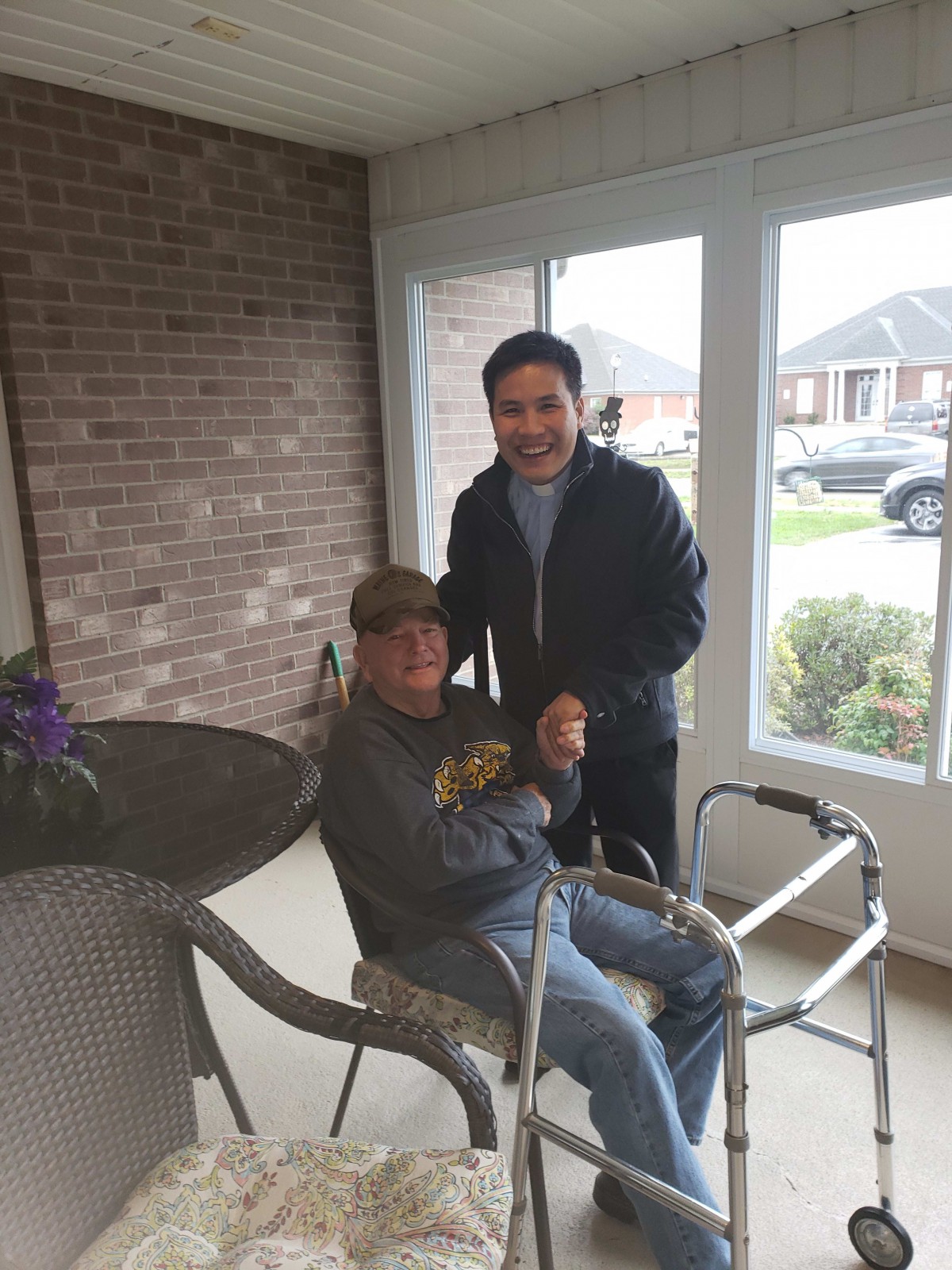
- The staff are friendly, welcoming, and caring.
- The facility has a homey feel.
- The team strives to meet residents' needs every day and goes out of their way to accommodate them.
- Hometown Manor is regarded as a lifesaver by residents and families.
- It is highly recommended over a larger facility.
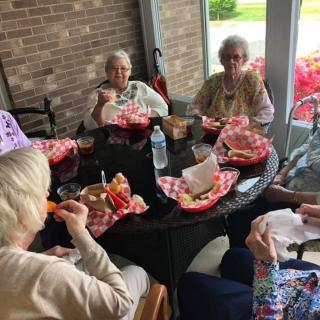
- The meals smell delicious.
Cons
 The housekeeping in the residents' rooms is not kept up as it should be.
- There could be improvements with the activities due to short staffing.
Review
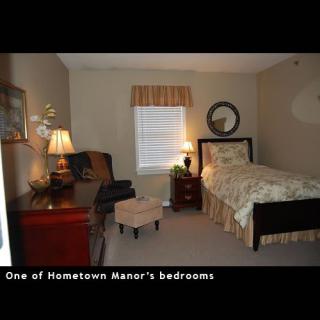
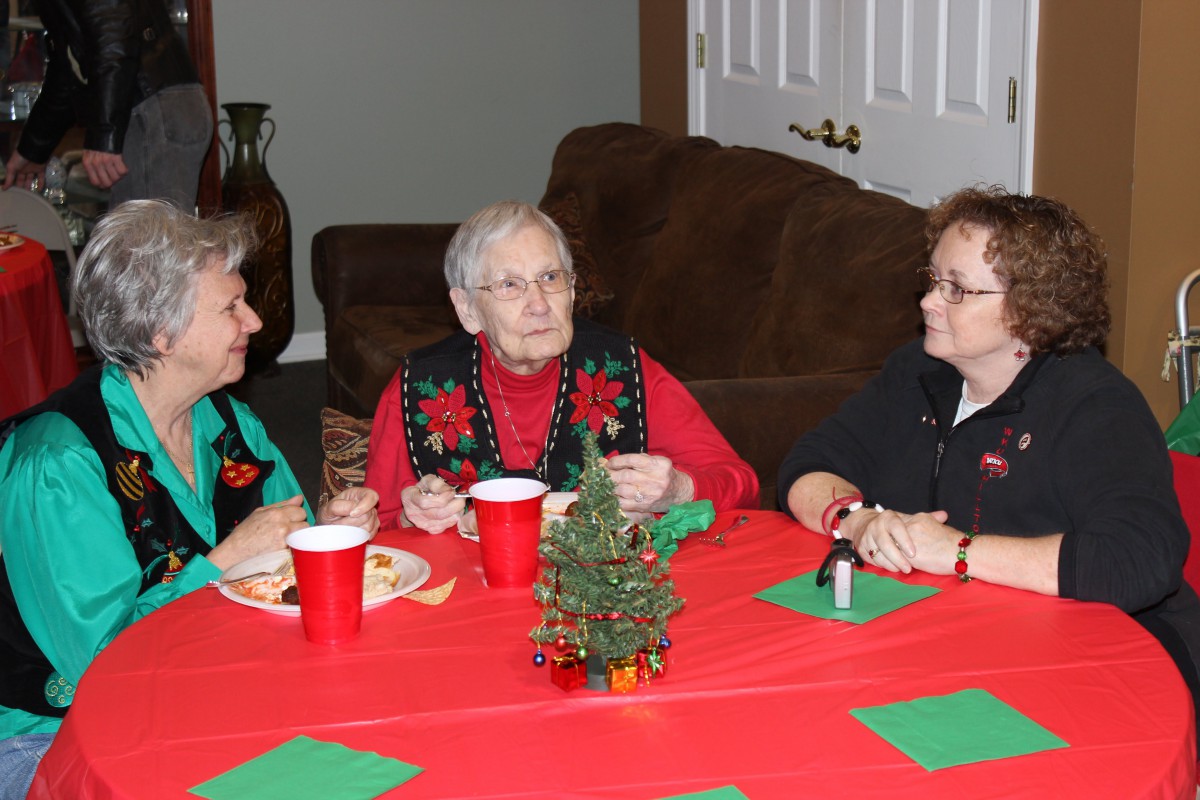
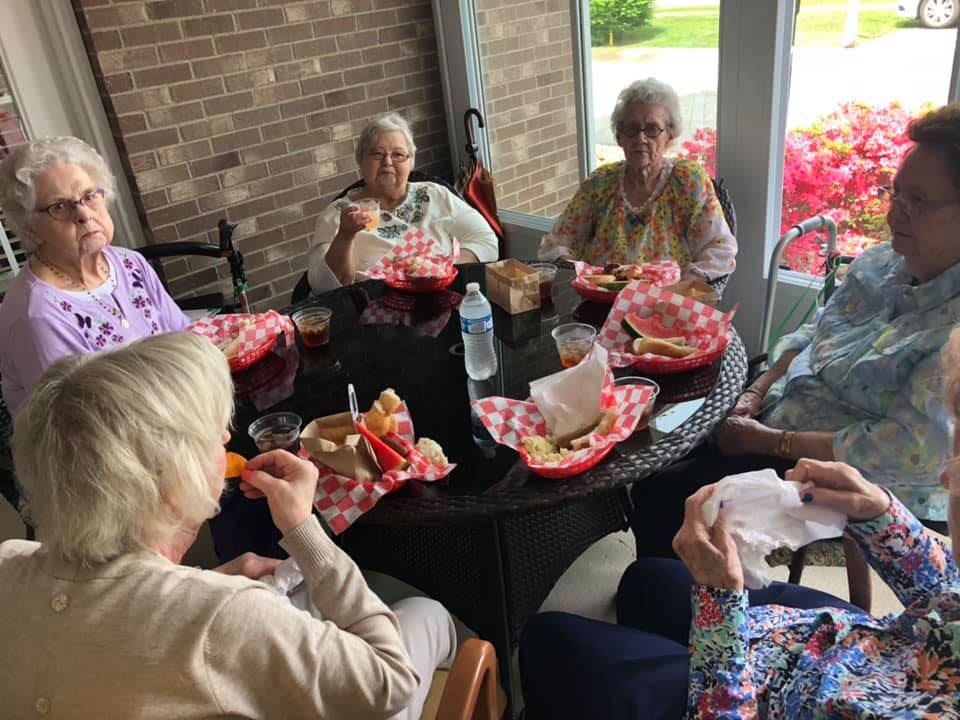
Hometown Manor Assisted Living of Bardstown is best suited for seniors who want a warm, home-like, small-community experience in Bardstown, Kentucky, with responsive on-site leadership and attentive staff. It fits residents who appreciate consistent cleanliness, a friendly, neighborly atmosphere, and personal attention from a daily on-site manager. Families seeking a quieter, more intimate setting over a large campus will likely find this community reassuring, since daily life emphasizes comfort, predictability, and relationships over spectacle. This is the kind of place where staff know residents by name, and where the pace encourages daily routines that feel manageable and familiar.
Those evaluating options should consider who may want alternatives. If robust in-room housekeeping and a full slate of structured activities are non-negotiable, this community may fall short. Larger facilities with more staff or more extensive programming can offer deeper engagement and more meticulous private-space upkeep. For residents who require higher levels of medical or daily living assistance, or who insist on a proven, busier activity calendar, it pays to compare with communities that dedicate greater resources to care coordination, enrichment programs, and consistent in-room service.
The strongest positives here center on cleanliness, on-site leadership, and a genuinely welcoming atmosphere. The campus is kept very clean, and the daily on-site manager is described as going above and beyond in meeting resident needs. The small, homey feel combined with friendly, accommodating staff creates a sense of safety and personal attention that many families prize in a senior living transition. Observers repeatedly note the overall warmth of the environment, the approachable demeanor of caregivers, and the feeling that staff strive to meet evolving resident preferences with flexibility and care. Food-related cues, the aroma and anticipation of home-cooked meals, also contribute to a positive daily experience.
However, the main drawbacks revolve around in-room housekeeping and activity breadth. While common areas stay clean, housekeeping in residentsā€™ rooms does not always get the attention it should, which can be disappointing for residents who like a consistently tidy private space. Staffing levels tied to a smaller operation can limit the depth and frequency of organized activities, leaving some residents seeking more engagement and structure than is available on a given day. The trade-off here is clear: the intimate setting delivers contact and warmth, but it may not satisfy those who demand high-touch upkeep in private spaces and a full calendar of programming.
These strengths partly offset the drawbacks for many residents, offering a practical balance of safety, warmth, and personalized care in a compact, manageable environment. For families prioritizing a dependable on-site manager, real interpersonal connections with staff, and a homey feel, Hometown Manor delivers meaningful value. The clean, comfortable campus and staff readiness to accommodate demonstrate a level of reliability that reduces anxiety around daily life in later years. Yet the gaps in room upkeep and activity depth mean the decision hinges on expectations: if private-space maintenance and rich programming matter most, alternatives should be actively explored and compared.
Before making a choice, prospective families should tour with purpose: ask how often rooms are serviced, who handles housekeeping versus maintenance, what the weekday and weekend activity cadence looks like, and how care plans are coordinated and updated. Speak with the on-site manager about resident assignments, and request candid conversations with current residents about daily life, consistency of staff, and responsiveness to requests. If the priority is a small, intimate setting where residents are known and cared for in a clean, welcoming environment, Hometown Manor stands out as a strong option in Bardstown. If a more robust housekeeping program or a richer, busier activities calendar is non-negotiable, it warrants a careful comparison with other nearby communities.
 12 resident community capacity
 Assisted Living
 Board and Care Home
 Cats allowed
 Dogs allowed
 Activities on-site
 Air-conditioning
 Beautician on-site
 Cable or satellite TV
 Devotional services on-site
 Dining room
 Fully furnished
 Garden
 Ground floor units
 Housekeeping services
 Indoor common areas
 Move-in coordination
 Outdoor common areas
 Respite or short term stays offered
 Telephone
 Wi-Fi/high-speed internet available
 24-hour supervision
 Ambulatory care
 Assistance with bathing
 Assistance with dressing
 Assistance with transfers
 Diabetes diet
 High acuity care
 Incontinence care
 Meal preparation and service
 Medication management
 Special dietary restrictions
 Transportation arrangement (medical)
 Transportation to doctors appointments
 Art classes
 Bible study group
 Educational speakers / life long learning
 Karaoke
 Live dance or theater performances
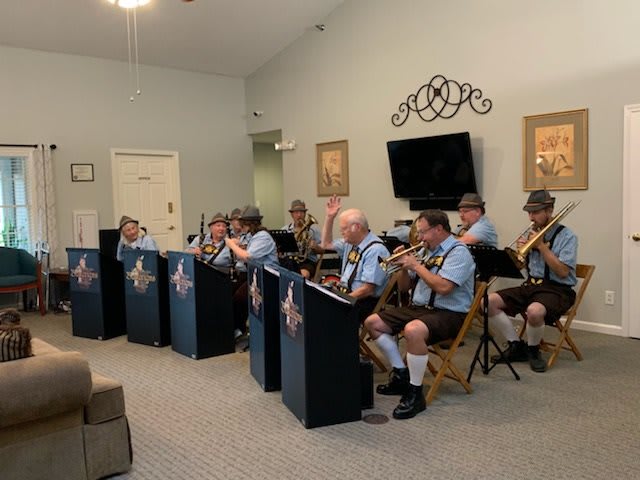
 Live musical performances
 Live well programs


 How and When Medicaid May Cover Assisted Living Costs
 A Detailed Exploration of Assisted Living Medicaid Waivers Across the United States
 Comprehensive Residential Support and Assisted Living Solutions for Individuals with Disabilities