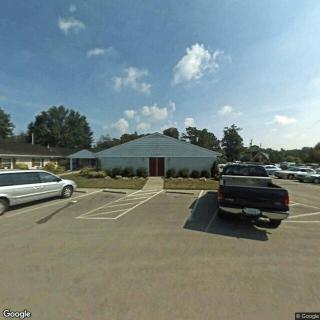
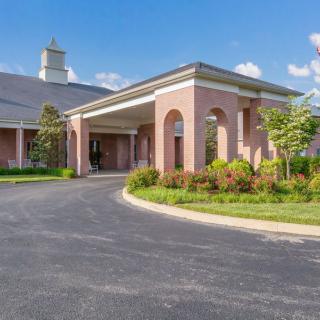
120 Life Care Way, Bardstown, KY 40004
For more information about senior living options: (866) 208-4318
Overall Review of Landmark Of Bardstown Rehabilitation And Nursing
Pros
 Landmark is hands down the best nursing facility in Bardstown.
- The staff are kind and caring.
- They treat residents like their own family.
- The staff truly cares about what's best for the patients.
- The facility is always clean.
- Residents receive exceptional care.
- The nurses and CNAs show a lot of compassion for residents.
- Rehab has been wonderful for residents.
- The facility offers daily activities and therapies that engage residents and feel homey.
Cons
 The management at the facility is totally unprofessional, lacking empathy and compassion.
- It takes over 45 minutes for someone to get help to use the restroom, despite the help light being on.
- Beds and equipment were old and dirty, indicating poor upkeep.
- Not a single nurse came to his aid when needed, leaving him unsupported.
- A resident was found unresponsive in bed, raising concerns about supervision and care.
- The facility was short‑staffed in the nurse aide department, impacting overall care.
- The environment was dark and uninviting, with rooms smelling of urine and residents sitting in wheelchairs.
Review
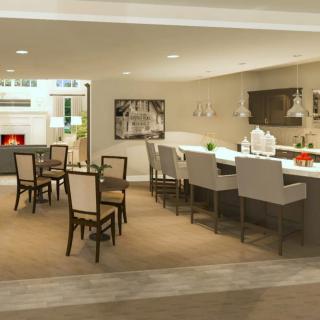
Landmark of Bardstown Rehabilitation and Nursing is best suited for families seeking a rehab-forward community in Bardstown, KY where therapy intensity, daily activities, and a genuinely caring bedside staff can translate into real mobility gains and a more engaging day-to-day life. It works particularly well for short- to mid-term stays after surgery, a stroke, or other injuries, when structured routines and frequent therapy are valued. The setting has modernized and emphasizes an active calendar of activities, a home-like atmosphere, and accessible services that support recovery. Those who insist on flawless management across all shifts and a perfectly consistent care cadence should vet carefully, because a few reviews flag ongoing leadership and staffing gaps.
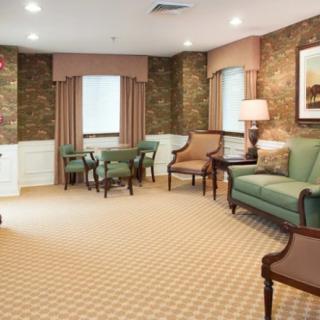
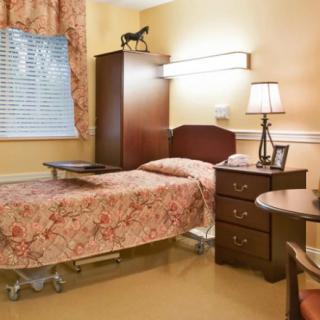
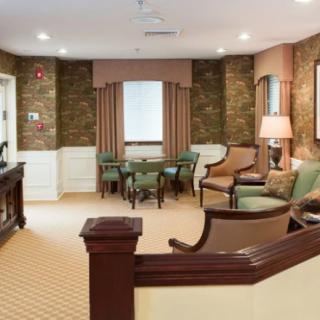
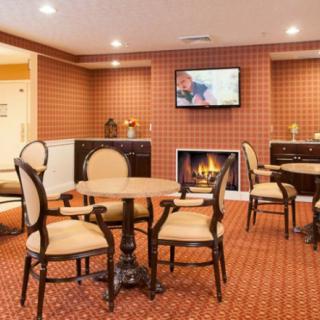
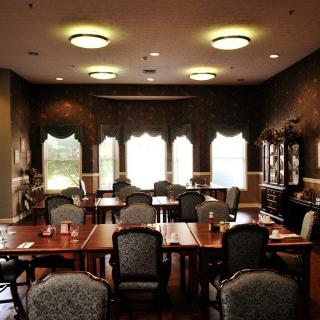
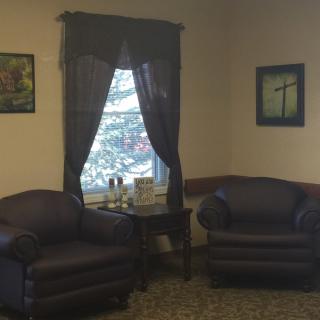
The strongest positives lie in the rehab outcomes and the heart of the caregiving team. Therapy is frequently described as outstanding, with staff who tailor exercises to real-life terrain and daily function, not just gym routines. Families repeatedly praise nurses and CNAs for compassion, organization, and patient-focused attention, noting that therapists and front-line staff often go the extra mile to keep care coordinated and meaningful. The facility itself is consistently depicted as clean, with visible attention to comfort, private rooms, a beauty/barber salon, church activities, bingo, crafts, and on-site gyms, helping residents feel both cared for and connected. Administration is admired by some families for responsiveness and problem-solving, contributing to an overall sense that residents’ well-being is a shared priority.
But serious concerns surface in a subset of experiences, and they cannot be dismissed. Several families describe slow response times to basic needs, with delayed assistance for tasks like using the restroom or getting help at the call light. Short-staffing in the nurse aide department is mentioned, and reaction times to call buttons can be inconsistent. There are accounts of older equipment and rooms that, at times, felt dated or not optimally maintained, and one deeply troubling report describes a patient who did not receive baths for an extended period and experienced avoidable distress during transfer. In at least one case, a patient’s decline culminated in hospitalization and death, which understandably casts a long shadow over the overall impression. These experiences underscore a clear risk: when staffing or leadership lapses occur, the consequences can be severe.
Yet the cadence of care can and does improve markedly when the team is fully engaged. In those periods, the pros align with the needs of recovery: rehab plans are well-executed, mobility gains are tangible, and families witness competent coordination among nurses, aides, and therapists. The daily activity lineup, church, crafts, social events, and therapy sessions scheduled on a calendar, helps residents stay socially engaged and mentally active, which in turn supports physical rehabilitation. The combination of a clean environment, a robust rehab program, and a family-friendly culture can produce a high-quality stay for residents who can tolerate the normal ripples of staffing variability and occasional management friction.
For families weighing options, certain realities point toward seeking alternatives. If a resident requires unwavering, highly consistent supervision with zero tolerance for delays in basic care, or if prior experiences have shown that staffing gaps and safety lapses recur despite good intentions, it makes sense to broaden the search. Likewise, families prioritizing specialized long-term care needs, such as memory care with dedicated programming or end-of-life care with highly stable leadership, may find steadier footing elsewhere. The Bardstown facility can still be a strong choice, but it demands proactive oversight, clear expectations, and ongoing dialogue with administration and the care team to ensure standards remain high day-to-day.
In the end, Landmark Bardstown offers a compelling blend of rehab-focused strength and a caring, activity-rich environment, tempered by notable caveats around staffing consistency and occasional care lapses. It is a practical, well-suited option for those who value aggressive therapy, a welcoming social milieu, and a facility that can feel like a second home when everything lines up. Prospective residents should prioritize a candid upfront conversation about caregiver ratios, response protocols, and the specific plan for any identified weaknesses. Tour thoroughly, request to meet the therapy team, and insist on a clear, measurable care plan with defined response times. If those conditions can be met and maintained, Landmark Bardstown stands as a capable, if not consistently flawless, bridge to renewed independence.
 100 resident community capacity
 Skilled Nursing Facility
 Air-conditioning
 Beauty salon
 Cable or satellite TV
 Computer center
 Dining room
 Fitness room
 Fully furnished
 Gaming room
 Garden
 Housekeeping services
 Kitchenette
 Move-in coordination
 Outdoor space
 Private bathrooms
 Restaurant-style dining
 Small library
 Telephone
 Wellness center
 Wi-Fi/high-speed internet available
 Community operated transportation
 12-16 hour nursing
 24-hour call system
 Activities of daily living assistance
 Assistance with bathing
 Assistance with dressing
 Assistance with transfers
 Diabetes diet
 Medication management
 Mental wellness program
 Special dietary restrictions
 Concierge services
 Planned day trips


 A Comprehensive Exploration of Common Misunderstandings about Powers of Attorney
 Senior Move Management: Understanding the Role, Value, and Associated Costs
 Weight Training for Seniors: Building Strength and Vitality