For more information about senior living options: (866) 208-4318
4.4 from 103 reviews
5 stars
81
4 stars
6
3 stars
1
2 stars
4
1 stars
11
Overall Review of ResCare
common
Doctors listen without rushing
Residents frequently describe doctors who listen and take enough time during visits.
A recurring theme is that many residents feel heard during appointments. Reviews mention attentive, reassuring visits where questions are welcomed and the clinician explains what to expect. Several people also say they never feel rushed and that their concerns are addressed thoroughly.
common
Staff are often described as kind
Residents often say the staff is polite, friendly, and professional.
Multiple reviews praise staff interactions during check-in, vitals, and lab-related steps. People describe staff as respectful and helpful, including nurses who make them feel at ease. At the same time, a smaller number of reviews point to negative experiences with front-desk responsiveness and professionalism, which stands out against the broader tone.
caveat
Administrative and portal frustrations
Some residents report repeated problems with scheduling and account access.
Several reviews focus on administrative breakdowns, including difficulties with patient portal access, medical record authorization, and navigating office processes. A few residents also mention scheduling errors or trouble getting timely follow-ups, which they link to wasted time and frustration. These complaints are a clear counterpoint to reviews that describe smooth check-in and attentive clinical visits.
caveat
Late policy and appointment access
Some residents feel the office is inflexible about lateness and access.
A recurring caveat involves appointment scheduling and show-up expectations, including reports that being late can lead to being unable to be seen. Other reviews mention barriers to getting new-patient appointments or finding information when scheduling. Together, these comments suggest that appointment access can feel inconsistent depending on the situation.
How we summarize
We summarize when many written reviews mention each theme; a review can touch several themes, and only frequently mentioned themes are displayed.
Features
Transportation
Wichita Mid-Continent (11 miles away)
Nearby Places of Interest
Restaurants
Chick-Fil-A (0.1 miles)
Walt's Sports Bar Grill (0.1 miles)
Olive Garden (0.2 miles)
Sapporo Japanese Sushi Restaurant (1 miles)
McDonald's (1 miles)
BJ's Restaurant & Brewhouse (1 miles)
Bubba's 33 (1 miles)
Physicians
Isight Optometry (0.5 miles)
Kansas Medical Associates (0.9 miles)
Grene Vision Group (1.1 miles)
Via Christi Clinic (1.5 miles)
Ascension Via Christi Sleep Center on Carriage Parkway (1.5 miles)
Heartland Dermatology (1.6 miles)
Family Counsel (1.6 miles)
Hospitals
Ascension Via Christi Rehabilitation Hospital (0.7 miles)
The article explores the complexities of using Social Security to finance long-term nursing home care in the U.S., detailing eligibility requirements and misconceptions, while emphasizing that these benefits often do not cover full costs and highlighting the need for strategic financial planning and professional guidance.
Pneumonia significantly affects older adults due to weakened immune systems and atypical symptoms that complicate diagnosis, necessitating early detection and tailored treatment. Risk factors include chronic diseases and cognitive impairments, with preventive measures like vaccinations and healthy lifestyles being crucial for reducing risk.
Palliative care enhances the quality of life for seriously ill patients by providing comprehensive support at home through a multidisciplinary team, addressing various needs and prioritizing comfort over curative treatments. While it offers personalized care and involves family in decision-making, challenges like caregiver stress and logistical issues persist, with growing demand prompting advancements in technology and healthcare policies to improve access.
Get PricingAsk A QuestionSchedule A TourContact Senior Advisor
By clicking submit, you agree to our Partner's Terms of Use. You
also consent to receive calls and texts, which may be autodialed, from our Partner. Your consent is not a condition to
using our Partner's service. Please visit our Partner's Privacy Policy for information about their privacy practices.

 Wichita Mid-Continent (11 miles away)
 Excellent nearby amenities and services (cafes, parks, pharmacies, hospitals, restaurants, worship, theaters).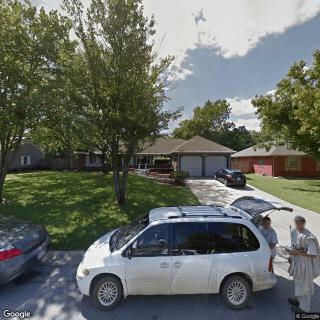
 Financing Long-Term Nursing Home Care Through Social Security: A Thorough Exploration
 Essential Knowledge on Pneumonia in Older Adults
 Exploring Palliative Care in the Home: A Comprehensive Overview