For more information about senior living options: (866) 208-4318
3.8 from 28 reviews
5 stars
19
4 stars
0
3 stars
0
2 stars
3
1 stars
6
Overall Review of Regent Park Rehabilitation And Healthcare
differentiator4 reviews mention this
Food quality stands out
Residents describe meals that are either satisfying or repetitive, depending on dietary needs.
Several residents comment that the food is very good and served in healthy portions. Others say food options can feel limited when specific dietary restrictions are needed. The community also offers restaurant-style dining, which aligns with the way residents talk about the dining experience.
common10 reviews mention this
Staff shows care and professionalism
Many residents and families describe staff as caring, knowledgeable, and professional.
Positive reviews highlight staff who are friendly, competent, and respectful, with some families specifically praising dignity and responsiveness during rehab. Several people also mention teamwork across departments and feel the experience lifted worry. A few residents report mixed interactions, but overall the feedback repeatedly centers on staff professionalism and care.
caveat5 reviews mention this
Care and safety concerns recur
Some residents and families report serious issues with nursing care, including medication errors.
A minority of reviews describe frightening safety incidents and inadequate follow-through, including an account of a medication error and concerns about how care was handled. Others say communication was unreliable or that they did not see meaningful improvement during a stay. In these reviews, families describe needing to push for answers and question whether concerns were addressed after they were raised.
common4 reviews mention this
Rehab and therapy vary by stay
Residents mention receiving therapy, though progress isnā€™t consistent across reviews.
Some families praise physical and occupational therapy after surgeries, describing good experiences with recovery support. Others say therapy occurred but that their loved oneā€™s overall progress was limited. At least one review also warns against relying on the facility for skilled nursing or therapy, citing a return to the hospital.
common4 reviews mention this
Clean rooms and updated layout
Multiple reviews emphasize cleanliness, comfort, and a well-kept environment.
Several residents and families describe the facility as spotless, clean, and welcoming. Reviews also mention comfort details like private rooms and a pleasant, updated feel, along with well-maintained outdoor areas. Across these comments, the physical environment is a consistent point of approval.
How we summarize
Counts show how many written reviews mention each theme; a review can touch several themes, and only frequently mentioned themes are displayed.
Features
Housing
84 resident community capacity
Types of Care
Assisted Living
Memory Care
Skilled Nursing Facility
Amenities
Air-conditioning
Beauty salon
Cable or satellite TV
Computer center
Fitness room
Fully furnished
Gaming room
Garden
Housekeeping services
Kitchenette
Move-in coordination
Outdoor space
Private bathrooms
Restaurant-style dining
Small library
Telephone
Wellness center
Wi-Fi/high-speed internet available
Transportation
Wichita Mid-Continent (13 miles away)
Community operated transportation
Transportation arrangement
Transportation to doctors appointments
Care Services
12-16 hour nursing
24-hour call system
24-hour supervision
Activities of daily living assistance
Assistance with bathing
Assistance with dressing
Assistance with transfers
Diabetes diet
Meal preparation and service
Medication management
Mental wellness program
Special dietary restrictions
Dining
Diabetes diet
Special dietary restrictions
Activities
Community-sponsored activities
Concierge services
Fitness programs
Planned day trips
Resident-run activities
Scheduled daily activities
Nearby Places of Interest
Physicians
AtlasMD (0.1 miles)
Atlas MD Concierge Family Practice (0.1 miles)
Grene Vision Group - Michele M Riggins MD (0.9 miles)
The comprehensive features at Regent Park Rehabilitation and Healthcare are designed to support residents with dementia or Alzheimer's disease through personalized care that enhances their quality of life. Assistance with dressing and bathing ensures that residents maintain personal hygiene and dignity, while meal preparation and service cater to nutritional needs, promoting physical health. Medication management is crucial for ensuring that residents adhere to prescribed treatments, reducing the risk of complications. Support with activities of daily living empowers residents to engage as much as possible in familiar routines, fostering a sense of independence. Additionally, assistance with transfers provides safety during mobility, minimizing the risk of falls. The continuous 24-hour supervision offers peace of mind for both residents and families, ensuring immediate help if needed. Finally, a dedicated mental wellness program encourages cognitive engagement through stimulating activities tailored to individual capabilities, which can significantly enhance overall well-being and emotional stability in those facing memory challenges.
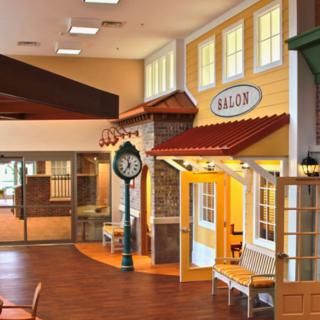
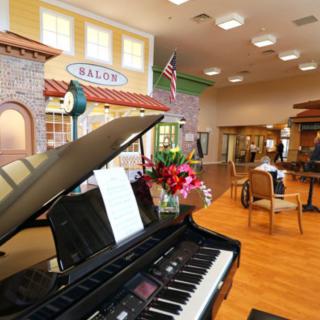
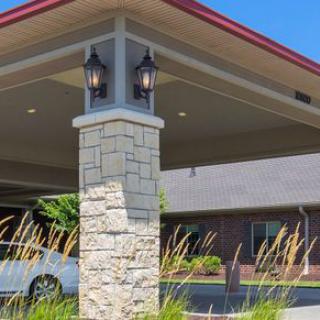
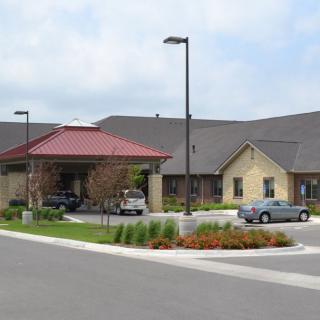
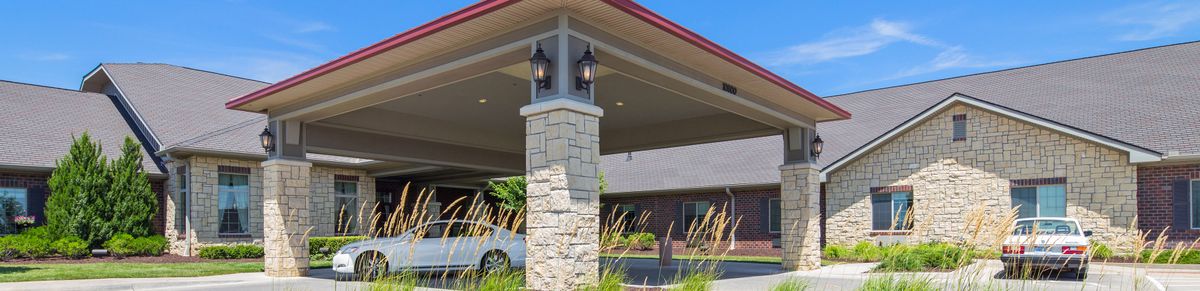
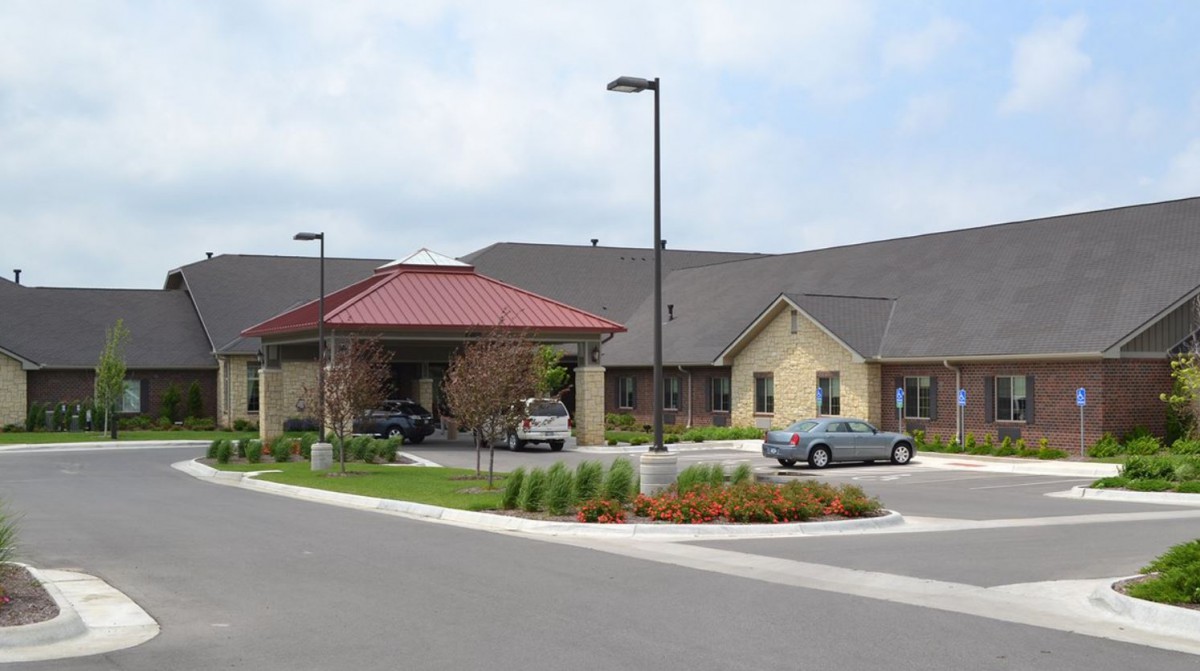
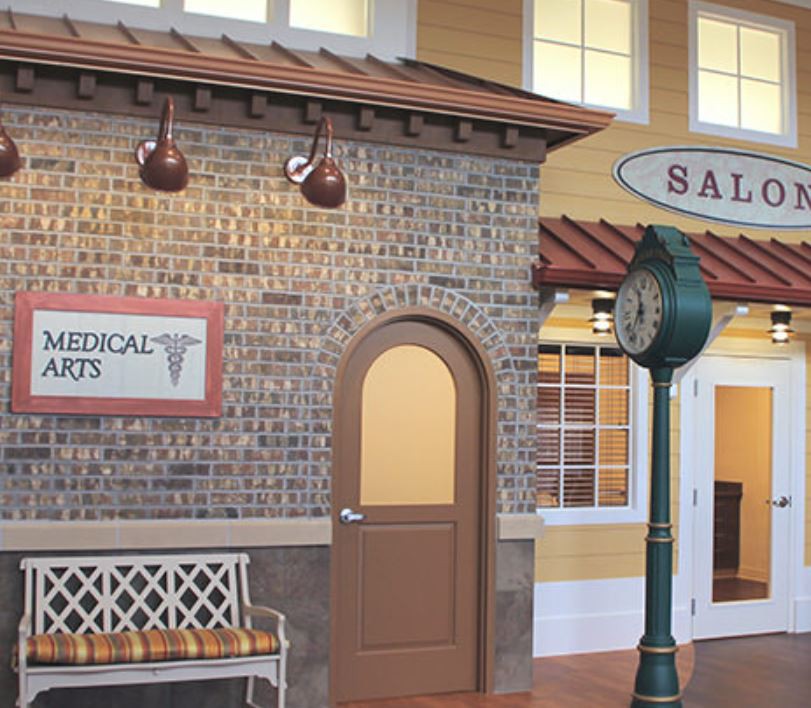
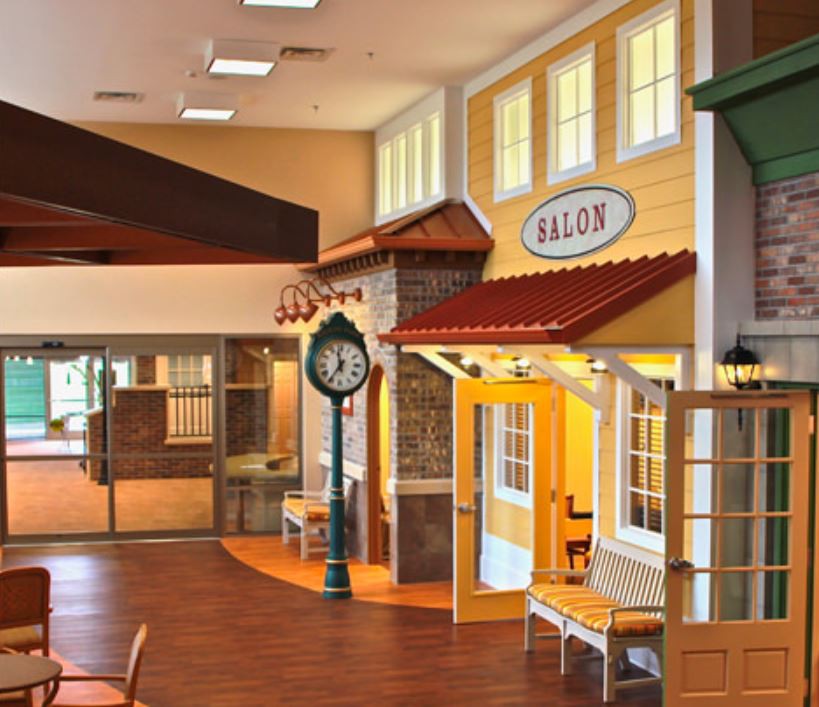
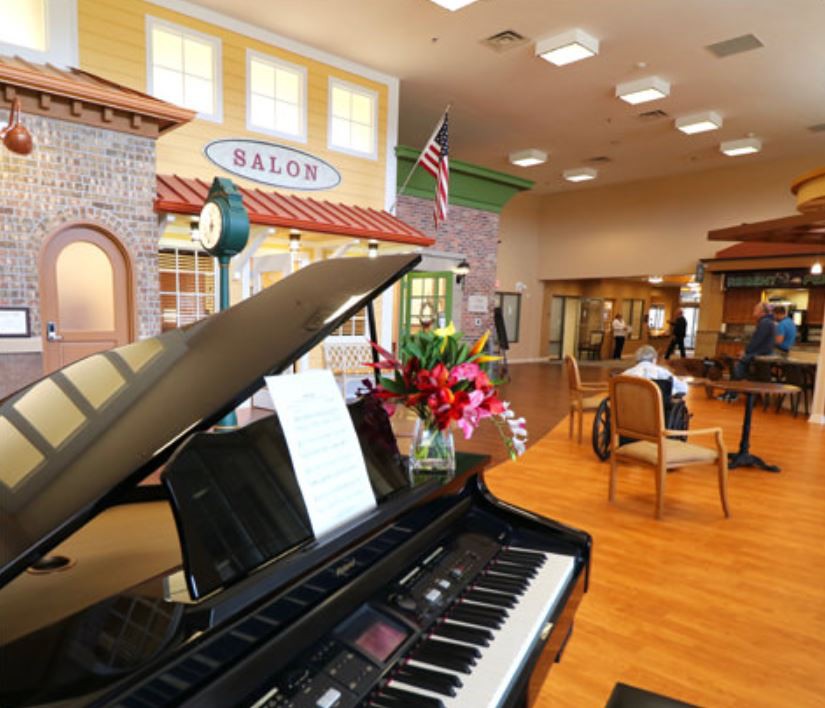
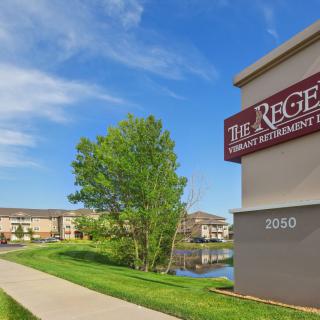
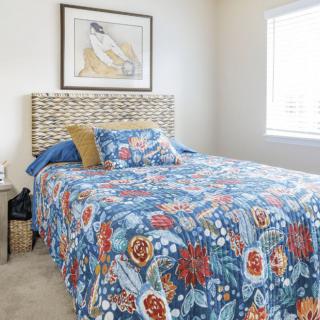
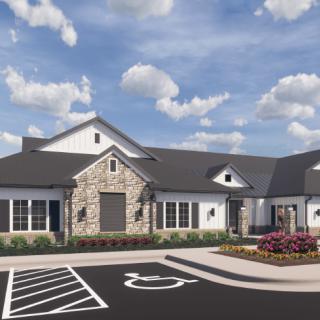
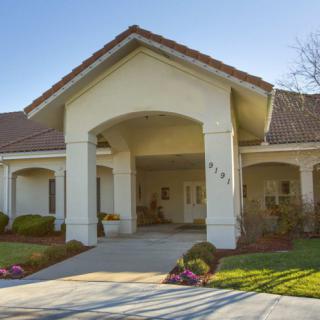
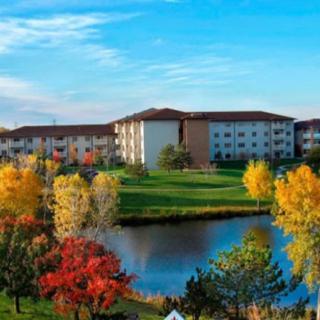
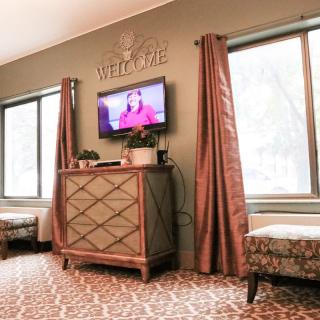
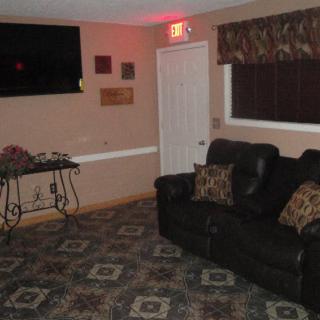
Regent Park Rehabilitation And Healthcare on seniors.fyi includes 5 photos including images showing building, entrance, interior, seating area, architecture, awning, outdoor, healthcare, and more.
Nearby Communities
Regent Park Assisted Living And Memory Care
Wichita, KS
4.7 from 62 reviews
Warm, attentive staff in a welcoming, community-focused environment with quality dining and engaging activities.
Chisholm Place
Wichita, KS
4.3 from 80 reviews
$5,395 to $6,560 / month
Compassionate staff in a clean, home-like setting with engaging activities.
The Regent
Wichita, KS
4.8 from 108 reviews
$2,875 to $5,295 / month
Luxurious, well-maintained community with engaging activities and friendly staff.
Homestead Estates of Wichita
Wichita, KS
4.2 from 76 reviews
$3,770 to $3,905 / month
Clean, welcoming environment with friendly, attentive staff, engaging activities, and ample on-site amenities.
Comfort and Love Wichita
Wichita, KS
4.6 from 34 reviews
$5,000 / month
Boutique, well-maintained community with attentive staff and high-quality care.
Brookdale East Wichita
Wichita, KS
4.4 from 73 reviews
$6,933 to $8,080 / month
Clean, well-maintained facility with caring staff and engaging activities.
Larksfield Place
Wichita, KS
4.5 from 84 reviews
$2,200 to $2,380 / month
Luxurious, spacious accommodations with abundant activities and friendly staff.
Sedgwick Plaza
Wichita, KS
4.4 from 126 reviews
$2,000 to $2,670 / month
Attentive, compassionate staff and a clean, activity-rich community.
Assisted living provides moderate support for seniors seeking independence, while memory care offers specialized support for individuals with dementia or cognitive impairments through structured routines and trained staff. Key differences include care approaches, environment security measures, staff training levels, activity types, and cost considerations.
Choosing between assisted living and nursing homes involves evaluating emotional and financial factors, with assisted living offering independence and support for daily activities at a lower cost, while nursing homes provide intensive medical care for individuals with significant health needs. The decision is influenced by personal preferences, health status, cognitive function, and varying Medicaid coverage across states.
The article presents eight strategies for preserving cognitive health and memory in older adults, emphasizing a nutrient-rich diet, regular exercise, intellectually stimulating activities, adequate sleep, social connections, stress management techniques, limiting harmful substances, and regular medical checkups to mitigate age-related memory decline.
Landscaping, Healthcare, Parking, and Nursing Home
Building
Architecture, Outdoor, and Awning
Entrance
Salon and Brick Wall
Get PricingAsk A QuestionSchedule A TourContact Senior Advisor
By clicking submit, you agree to our Partner's Terms of Use. You
also consent to receive calls and texts, which may be autodialed, from our Partner. Your consent is not a condition to
using our Partner's service. Please visit our Partner's Privacy Policy for information about their privacy practices.

 84 resident community capacity
 Assisted Living
 Memory Care
 Skilled Nursing Facility
 Air-conditioning
 Beauty salon
 Cable or satellite TV
 Computer center
 Fitness room
 Fully furnished
 Gaming room
 Garden
 Housekeeping services
 Kitchenette
 Move-in coordination
 Outdoor space
 Private bathrooms
 Restaurant-style dining
 Small library
 Telephone
 Wellness center
 Wi-Fi/high-speed internet available
 Wichita Mid-Continent (13 miles away)
 Community operated transportation
 12-16 hour nursing
 24-hour call system
 Activities of daily living assistance
 Assistance with bathing
 Assistance with dressing
 Assistance with transfers
 Diabetes diet
 Medication management
 Mental wellness program
 Special dietary restrictions
 Concierge services
 Planned day trips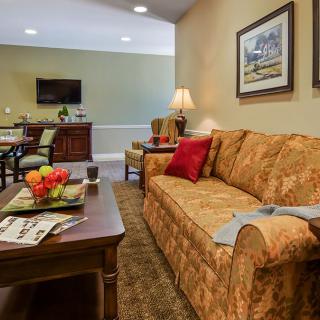
 Warm, attentive staff in a welcoming, community-focused environment with quality dining and engaging activities.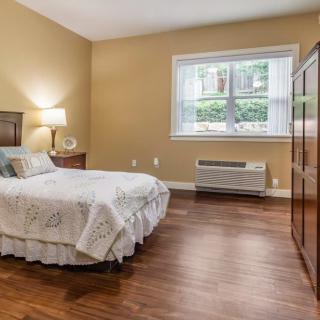
 Assisted Living and Memory Care: Understanding Their Core Differences
 Choosing the Right Senior Care: A Detailed Exploration of Assisted Living and Nursing Homes
 Safeguarding Your Memory Through the Golden Years: Eight Ways to Preserve Cognitive Health