
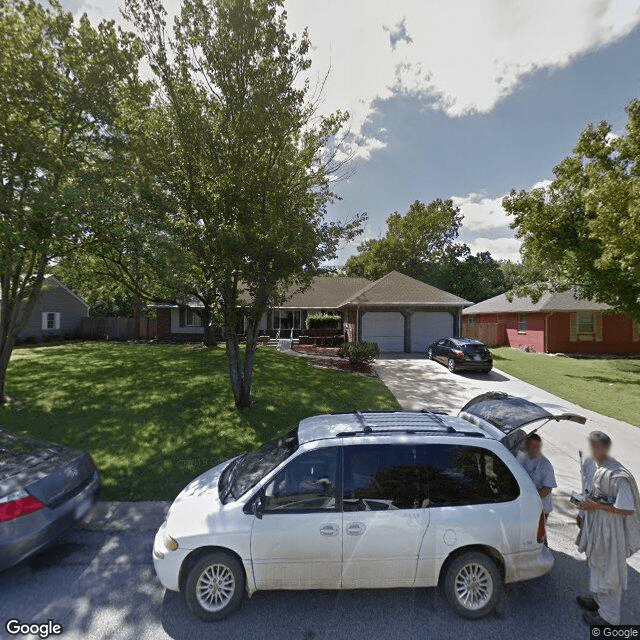
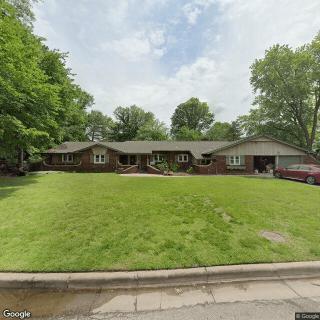
223 Burr Oak Street, Wichita, KS 67206
To contact a resident: (316) 270-4726
For more information about senior living options: (866) 208-4318
Peace of Mind - Wichita Costs & Pricing
At Peace of Mind - Wichita, the costs for various room types reflect a commitment to quality care and comfort. For a semi-private room, residents can expect to pay $5,600 per month, which is higher than both the average in Sedgwick County at $4,937 and the state average of $4,562. The private rooms are priced similarly at $5,900, slightly exceeding Sedgwick County's average of $5,320 and the state's average of $5,137. Interestingly, for those seeking more spacious accommodations with a one-bedroom layout, Peace of Mind matches this price point at $5,900 - a significant contrast to the county's average of $3,868 and the state's average of $3,859. This pricing structure highlights Peace of Mind's emphasis on providing superior amenities and services within a supportive environment tailored for its residents' needs.
| Floor plans | Peace of Mind - Wichita | Sedgwick County | Kansas |
|---|---|---|---|
| Semi-Private | $5,600 | $4,937 | $4,562 |
| Private | $5,900 | $5,320 | $5,137 |
| 1 Bedroom | $5,900 | $3,868 | $3,859 |
Memory care communities with a similar price nearby
-
from +$580 / mo

Reflection Living Maize Court 3
$6,180 / month11.9 miles away -
from +$580 / mo
Reflection Living Maize Court 2
$6,180 / month11.9 miles away -
from +$585 / mo
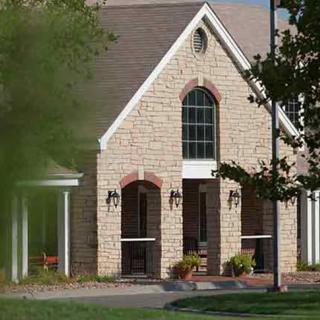
Ascension Living Via Christi Village - Broadmoor
$6,185 / month1.2 miles away -
from -$600 / mo
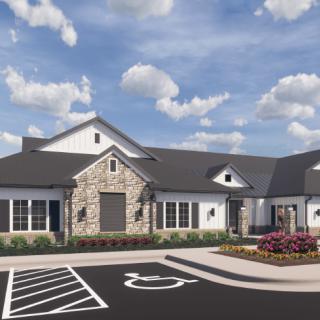
Comfort and Love Wichita
$5,000 / month1.2 miles away -
from +$580 / mo
Reflection Living Maize Court 1
$6,180 / month11.9 miles away
Overall Review of Peace of Mind - Wichita
Pros
 They are very satisfied with Peace of Mind.
- The staff are very considerate.
- The house is clean and there is no odor.
- The staff are accommodating to family calls to check on their relative.
- They couldn't be happier with this facility.
- The facility really worked with them financially.
- The facility offered to pay half of the monthly medication cost.
- They would recommend this facility to anyone.
Cons
 The reviewer wishes there were physical, speech, and occupational therapy available.
- They note a lack of activities here, leaving residents bored.
- The medication cost of $780 per month creates a financial burden, with promises to pay half and to cover the rest later.
Review
This community is best suited for families seeking a clean, calm, and attentive environment where daily living support is the primary goal, not intensive rehabilitation. Peace of Mind - Wichita stands out for residents who value a respectful staff, a low-odor, orderly home atmosphere, and the ability to monitor a loved one without constant in-person visits. It works well for seniors who prefer straightforward routines and appreciate being treated as part of a cooperative care plan. Those needing robust on-site therapy, physical, speech, or occupational, and a fuller calendar of stimulating activities should look toward options with stronger rehab services and more diverse programming.
The strongest, most reliable positives here center on care partners who genuinely consider residents’ comfort and dignity. The staff are noted as considerate and professional, and the facility itself feels clean and well maintained with no lingering odors. Communication with families is practical and supported by flexibility; the facility is comfortable with remote check-ins, which reduces the burden of frequent face-to-face visits. Financial sensitivity also stands out: the staff demonstrated a willingness to work with families facing tight budgets, including support for medication costs and payment arrangements that ease early financial pressure. These elements combine to create a sense of security and ongoing reassurance for families.
However, the absence of on-site rehabilitation services and a more robust activity program is a meaningful drawback. There is no physical, speech, or occupational therapy offered onsite, and the activities appear limited, which can leave residents with fewer opportunities for stimulation and engagement. For seniors who require ongoing therapy or who thrive on structured social and cognitive activities, this gap can translate into stagnation or restlessness over time. The overall vibe is calm and comfortable, but the lack of heavier programming suggests this is a place best suited to support independence and daily living, rather than to accelerate recovery or enrichment through active programming.
These strengths partially offset the drawbacks by delivering a dependable, low-stress living environment where families can trust that care is attentive and budget constraints will be acknowledged. The staff’s responsiveness, the clean, orderly setting, and the willingness to accommodate financial realities provide real peace of mind and reduce the friction often associated with senior care transitions. Still, the offset is imperfect: without on-site rehab or a more engaging activity slate, the facility risks leaving residents under-stimulated and under-supported for longer-term medical or functional goals. In other words, comfort and courtesy carry weight, but they do not fully compensate for the missing clinical and enrichment infrastructure.
Families considering alternatives should focus on 1) whether on-site rehabilitation services are essential, 2) how important a varied, meaningful activity calendar is to the resident, and 3) the level of medical oversight required beyond daily assistance. If rehabilitation, cognitive engagement, or memory-care-oriented programming are priorities, explore communities that pair strong daily living support with in-house PT/OT/SLP and more dynamic activity rosters. Peace of Mind - Wichita remains a solid choice for those prioritizing a respectful staff and a financially flexible, clean home where oversight by family is easy and welcome.
Practically, the decision should hinge on a few concrete questions: what is the current plan for any needed rehab services, are there partner therapists available or will external providers be arranged? what is the latest activity schedule, and can activities be adapted to a resident’s interests and cognitive level? what exact financial assistance options exist for medications and recurring bills, and how predictable are these supports? and finally, how does the facility monitor whether residents stay engaged and safe day-to-day? With clear answers to these questions, Peace of Mind - Wichita can be a shrewd, trustworthy choice for families prioritizing a respectful environment, predictable routines, and flexible financial support, while recognizing its limits in rehab and enrichment programming.
 Board and Care Home
 Memory Care
 Cats allowed
 Dogs allowed
 Activities off-site
 Bath tubs
 Beautician on-site
 Devotional services off-site
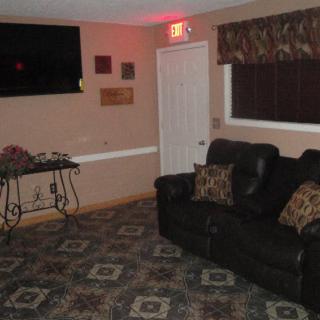
 Indoor common areas
 Outdoor common areas
 Private
 Respite or short term stays offered
 Wichita Mid-Continent (11 miles away)
 Ambulatory care
 Diabetic care
 High acuity care
 Incontinence care
 Medication management
 Kosher
 An In-Depth Look at Reminiscence Therapy in Dementia Care
 Dementia-Related Hallucinations: Causes, Experiences, and Practical Approaches
 Illuminating Insights About Alzheimer's Disease: Ten Crucial Realities