Residents and families consistently describe staff who are caring and responsive to concerns.
Many reviews focus on how supportive staff are during everyday care, medical transitions, and ongoing questions. Several mention nursing leadership and direct availability when families need help navigating check-ins, medication-related needs, or care planning. While the majority describe respectful, helpful interactions, a few reviews raise concerns about staffing levels or admission and reception experiences, so it’s worth visiting and asking questions.
common7 reviews mention this
Facility cleanliness and updates matter
Reviews repeatedly call out a clean, well-kept building.
Cleanliness comes up often, including comments about consistent cleaning routines and how updated the facility feels. Multiple reviewers describe the building as inviting and kept in good condition, which pairs with broader “home-like” comfort remarks. A separate dining complaint exists in the reviews, but it doesn’t show up as a cleanliness issue in the same way.
caveat8 reviews mention this
Dining quality is a mixed bag
Dining receives strong praise for food quality, alongside serious complaints from some residents.
Several residents and visitors say the food is tasty and thoughtfully prepared, pointing to restaurant-style dining and details like desserts and healthy options. Others mention looking forward to meals, liking what’s served, and appreciating alternative nutrition or protein accommodations. At the same time, at least one review is sharply negative about food service quality and says issues weren’t corrected after resident feedback.
common6 reviews mention this
Activities, pool, and outings keep busy
Residents describe frequent activities plus pool and exercise opportunities.
Reviews highlight scheduled activities and excursions, including options like bowling and bingo. Many also mention using the pool and exercise classes as part of staying active. Some reviews add transportation to errands and community destinations, reinforcing that there are regular ways to get out and participate.
differentiator3 reviews mention this
Care levels under one roof
Residents and families describe a continuum of care that lets people stay in the same community.
A few reviews specifically emphasize the ability to move between levels of care while remaining in the same overall building. Families describe being able to start in independent living and later transition to assisted living or health care without switching communities. One review also mentions PATH in the context of staffing concerns, which is a reminder to confirm day-to-day support expectations before choosing.
caveat3 reviews mention this
Pricing and financial clarity need vetting
Some reviews raise concerns about fees and payment expectations.
One review criticizes the costs of scheduled medical transportation, calling the added fee structure excessive. Another review questions whether memory care is available under Medicare/Medicaid, saying the information they received didn’t match what they saw online. A separate review alleges problems around a financial closing and apartment availability, suggesting families should confirm details in writing before moving forward.
How we summarize
Counts show how many written reviews mention each theme; a review can touch several themes, and only frequently mentioned themes are displayed.
Presbyterian Manors VII offers a comprehensive range of features designed to support residents with dementia or Alzheimer's disease, creating an environment conducive to their well-being and care. Assistance with dressing, bathing, and transfers ensures that residents maintain dignity while receiving the support necessary for their day-to-day activities. Medication management helps prevent missed doses or confusion about prescriptions, promoting adherence to medical guidelines. Meal preparation and service cater to dietary needs, ensuring proper nutrition while also addressing potential sensory preferences related to memory loss. The 24-hour supervision provides a secure environment, reducing anxiety for both residents and families. Additionally, activities of daily living assistance fosters independence where possible, while specialized memory care programming and mental wellness initiatives engage cognitive function through tailored exercises and social interactions focused on mild cognitive impairment. Overall, these features work synergistically to enhance quality of life for residents at various stages of their memory-related conditions.
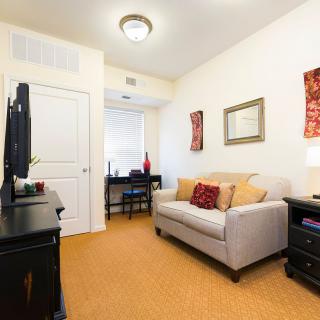
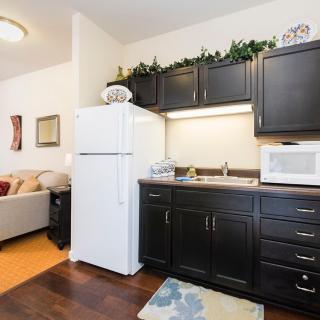
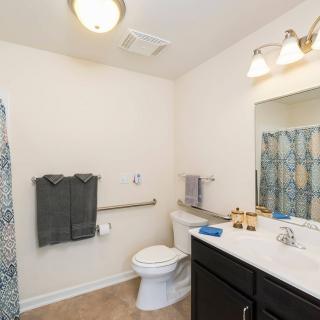
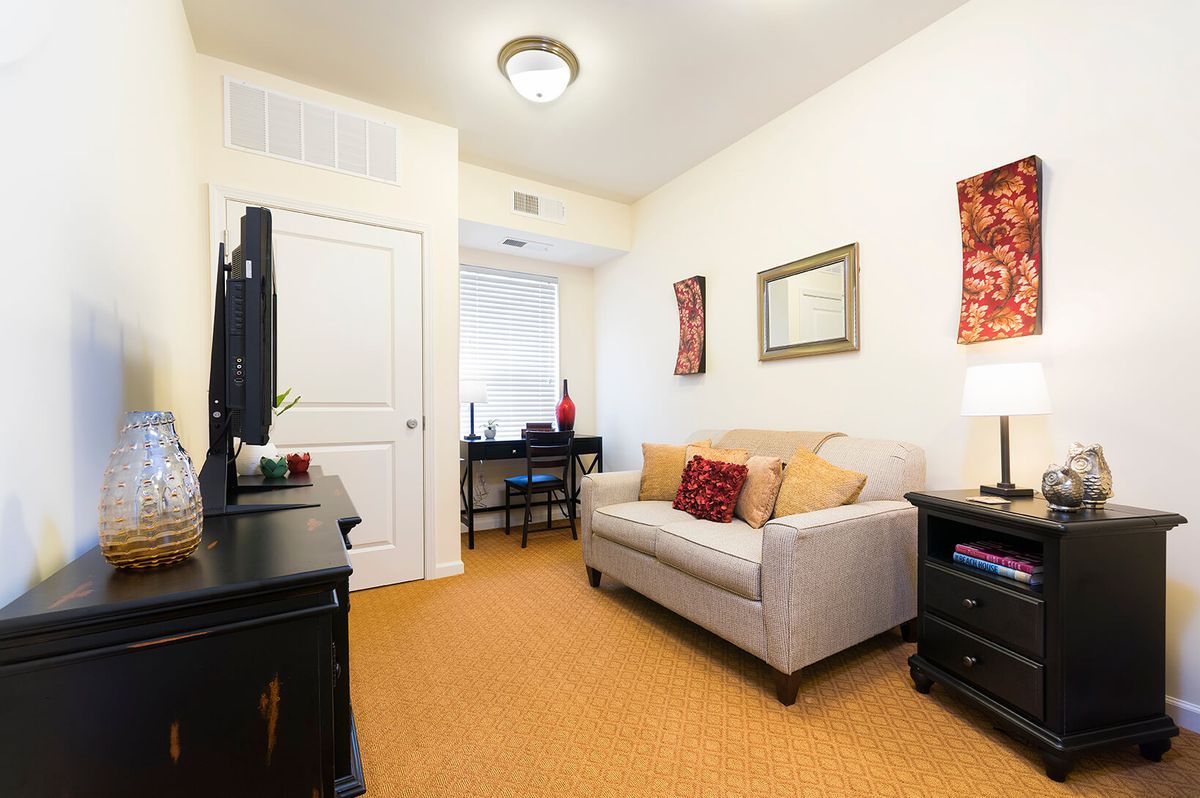
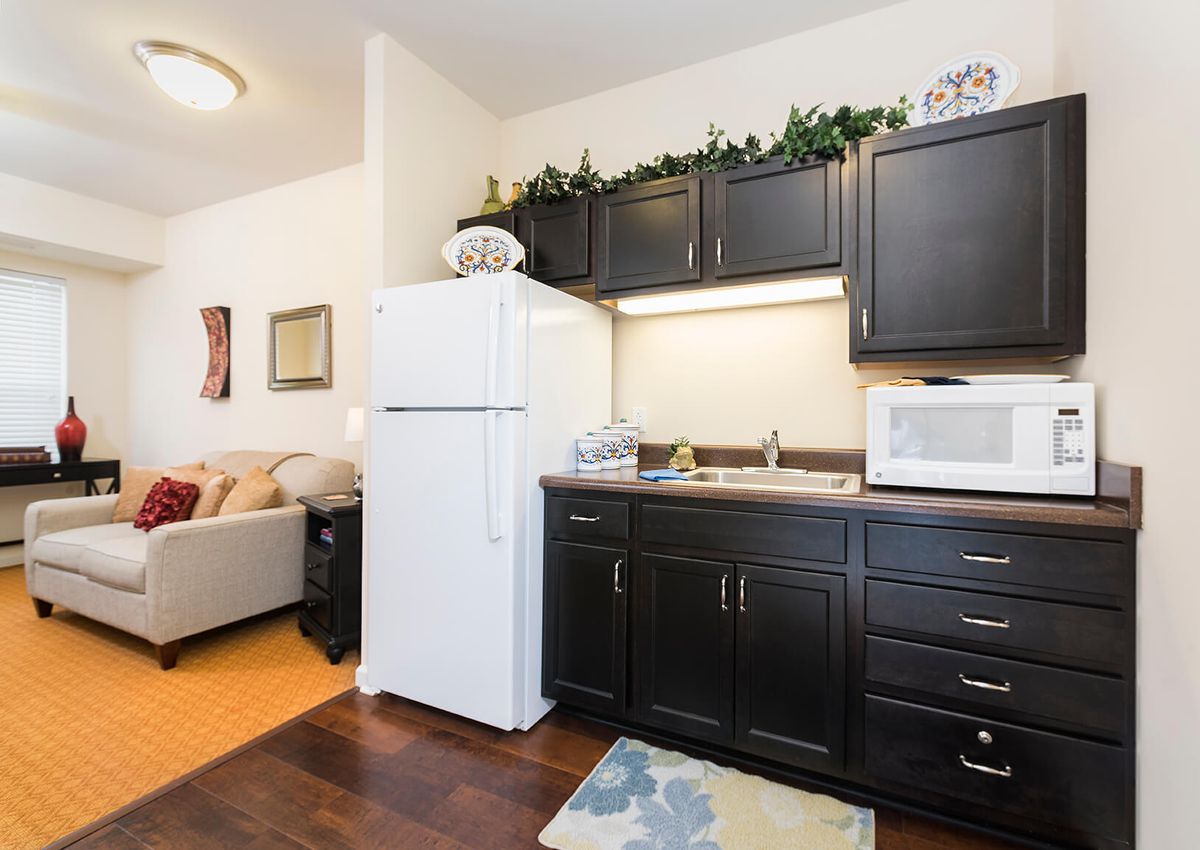
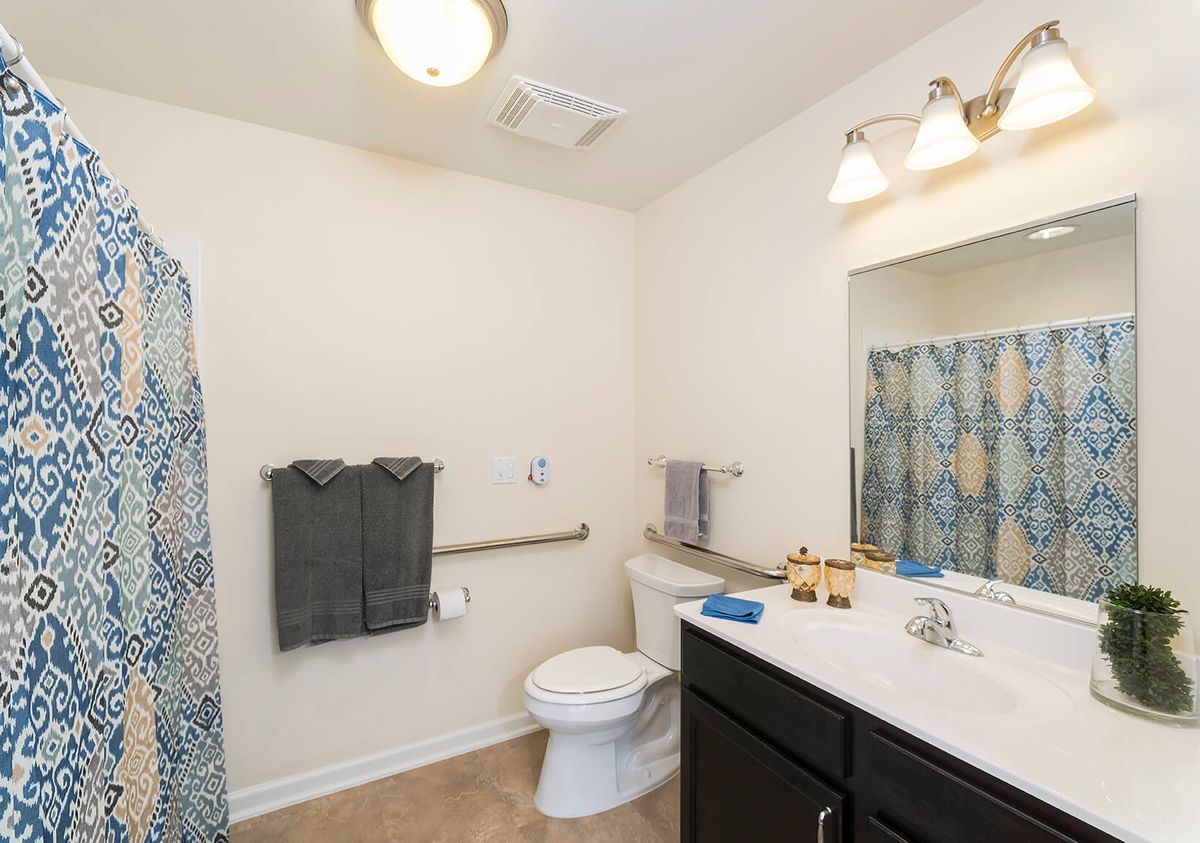
Presbyterian Manors VII on seniors.fyi includes 5 photos including images showing interior, living room, artwork, bathroom, light fixture, television, decor, library, and more.
Nearby Communities
Wichita Presbyterian Manor
Wichita, KS
4.3 from 75 reviews
$2,252 to $6,344 / month
Resort-style community with abundant activities, spacious 1-bedroom apartments, and upscale dining.
LakePoint Wichita
Wichita, KS
3.4 from 74 reviews
$890 to $1,435 / month
Caring staff with a smooth admissions process and options for virtual visits that support resident dignity.
West Park Tower
Wichita, KS
4.1 from 11 reviews
$759 / month
Clean, attractive facility with friendly, helpful staff during tours.
Vintage Park at Waterfront
Wichita, KS
4.4 from 33 reviews
$4,710 to $5,595 / month
Friendly, attentive staff with restaurant-quality meals and engaging activities.
Sandpiper Healthcare & Rehabilitation Center
Wichita, KS
4.2 from 86 reviews
Luxurious amenities and comprehensive, engaging care.
Premier Living By Warden 2
Wichita, KS
5 from 3 reviews
Comprehensive care with furnished apartments and outdoor spaces.
Carrington House Central
Wichita, KS
3 from 11 reviews
$1,790 / month
Friendly staff and engaging activities; generally clean environment.
KMH
Wichita, KS
4.3 from 54 reviews
$2,750 to $3,900 / month
Caring staff, clean, well-maintained grounds, and engaging activities.
Azria Health Wichita
Wichita, KS
4.4 from 130 reviews
$3,250 to $4,000 / month
Beautiful, well-maintained facility with extensive amenities and engaging activities.
Dementia causes cognitive decline and challenging behaviors that caregivers must manage, necessitating an understanding of the neurological basis of these issues. Effective strategies and self-care for caregivers can enhance support for those with dementia and improve their daily lives.
The content outlines five key early indicators of dementia, including significant memory loss and confusion about time and place, while emphasizing the need for professional evaluation and emotional support for both individuals showing symptoms and their caregivers. It encourages family members to monitor these signs closely and use online quizzes for initial awareness.
The article highlights eight indicators that a loved one with dementia may require specialized memory care, emphasizing the emotional and logistical challenges families encounter in this decision. It discusses signs such as difficulties with daily tasks, safety concerns, and caregiver burnout, suggesting that memory care facilities can provide the necessary support and structured environments for those experiencing cognitive decline.
Get PricingAsk A QuestionSchedule A TourContact Senior Advisor
By clicking submit, you agree to our Partner's Terms of Use. You
also consent to receive calls and texts, which may be autodialed, from our Partner. Your consent is not a condition to
using our Partner's service. Please visit our Partner's Privacy Policy for information about their privacy practices.



 60 resident community capacity
 Assisted Living
 Independent Living
 Memory Care
 Air-conditioning
 Beauty salon
 Cable or satellite TV
 Computer center
 Dining room
 Fitness room
 Fully furnished
 Gaming room
 Garden
 Housekeeping services
 Kitchenette
 Move-in coordination
 Outdoor space
 Private bathrooms
 Restaurant-style dining
 Small library
 Telephone
 Wellness center
 Wi-Fi/high-speed internet available
 Wichita Mid-Continent (5 miles away)
 Community operated transportation
 24-hour call system
 Activities of daily living assistance
 Assistance with bathing
 Assistance with dressing
 Assistance with transfers
 Diabetes diet
 Medication management
 Mental wellness program
 Special dietary restrictions
 Concierge services
 Planned day trips
 Resort-style community with abundant activities, spacious 1-bedroom apartments, and upscale dining.




 Dementia Behaviors: In-Depth Understanding and Effective Coping Strategies
 5 Early Indicators of Dementia and What You Can Do
 8 Important Indicators That Memory Care May Be Necessary