

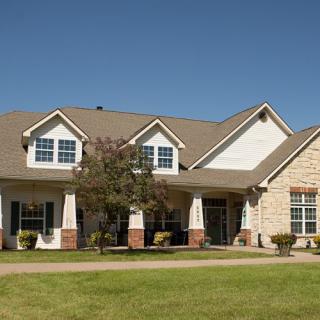
309 Ovesen Drive, Wilton, IA 52778
For more information about senior living options: (866) 208-4318
Leland Smith Assisted Living Costs & Pricing
Leland Smith Assisted Living offers competitive pricing for its residents, particularly when compared to both Muscatine County and the broader state of Iowa. For studio apartments, Leland Smith's monthly cost of $2,850 not only provides significant savings compared to Muscatine County's average of $3,597 and Iowa's average of $3,613, but also reflects a commitment to affordability without compromising quality care. In the one-bedroom category, Leland Smith charges $3,100, slightly higher than Muscatine County's average of $3,405 but notably lower than Iowa's figure of $2,862; this positioning may appeal to those seeking added space. The two-bedroom units at Leland Smith priced at $3,425 are still more affordable than the county average of $4,234 while remaining competitive against Iowa's statewide average of $3,329. Overall, Leland Smith Assisted Living stands out as an attractive option for prospective residents looking for quality services in a supportive environment that values both comfort and cost-effectiveness.
| Floor plans | Leland Smith Assisted Living | Muscatine County | Iowa |
|---|---|---|---|
| Studio | $2,850 | $3,597 | $3,609 |
| 1 Bedroom | $3,100 | $3,405 | $2,863 |
| 2 Bedrooms | $3,425 | $4,234 | $3,329 |
Assisted Living communities with a similar price nearby
-
from -$100 / mo
Legacy Pointe
$2,750 to $3,900 / month24.4 miles away -
from +$510 / mo
Silvercrest at Garner
$3,360 to $3,755 / month21.7 miles away -
from +$150 / mo

Davenport Lutheran Assisted Living
$3,000 / month22.1 miles away -
from +$225 / mo
Jersey Ridge Place
$3,075 to $3,925 / month24.5 miles away
Overall Review of Leland Smith Assisted Living
Pros
 The staff take great care of residents.
- It is a lovely place for loved ones.
- The rooms at Leland Smith Assisted Living are very nice and clean.
- The entire facility is clean.
- Every staff member is helpful and does whatever is needed.
- Everyone there is caring, including the residents.
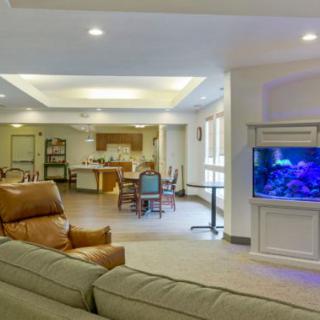
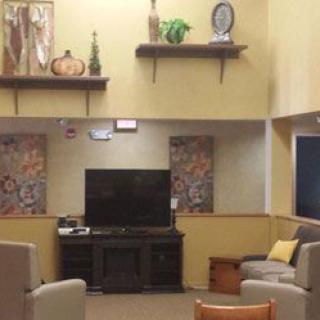
- The facility offers a library, a community room, a nice dining room, activities, good food, and a safe shower.
- They have neck-worn call systems for calling for help.
Review
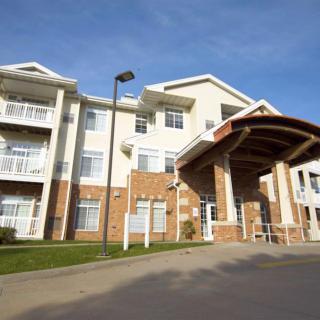
Leland Smith Assisted Living in Wilton, IA is best suited for families seeking a warm, person-centered environment where daily life revolves around attentive staff, clean surroundings, and practical safety features. The community appears ideal for seniors who value dependable, hands-on support without the feel of a large hospital campus. For loved ones who want tidy, well-maintained spaces, easy access to social activities, and clear routines that reduce decision fatigue, this setting offers a reassuring, home-like atmosphere. It suits residents who appreciate a facility that prioritizes courteous, responsive service and tangible amenities, library, community room, dining area, and engaging programming, within a modest, hometown footprint.
There are clear reasons to consider alternatives for certain needs. Families facing high-acuity medical requirements or the need for specialized memory care may want options with on-site advanced nursing or 24/7 medical oversight tailored to dementia or complex chronic conditions. Similarly, those seeking a larger campus with comprehensive hospital partnerships, more extensive on-site services, or a broader continuum of care might look elsewhere. While the reviews signal strong day-to-day support, they do not describe extensive medical staffing, dementia-specific programming, or hospital-level capabilities, so families with intensive care needs should verify those specifics before committing.
The strongest pros center on care quality, cleanliness, and everyday practicality. Rooms and common areas are described as nicely finished and clean, with a consistently tidy facility that reinforces a sense of safety and dignity. Staff across roles are portrayed as helpful and proactive, delivering what is needed and maintaining a compassionate posture toward residents. The social framework, library, community room, dining room, and planned activities, supports meaningful engagement and routine, essential for preserving mood and function. Safety is tangible: residents wear call systems around their necks, and the facility emphasizes a safe shower environment. Taken together, these advantages create a dependable daily rhythm that many families value when choosing a place to entrust ongoing care.
Those advantages offset several potential drawbacks by delivering trust, predictability, and value in daily living. The visible dedication of staff and the emphasis on cleanliness and supportive interaction help mitigate worries about neglect or isolation. The combination of responsive caregivers and accessible amenities means a loved one can maintain a degree of independence while receiving reliable assistance when needed. However, the absence of detailed information about on-site medical oversight, dementia-specific programming, or a formal care continuum means there is a legitimate need to confirm whether the level of medical support matches evolving health requirements. Pros that promote safety and social engagement do not fully substitute for medical structure in more complex cases.
Families evaluating this community should approach with practical checklists. Request a candid tour focused on staffing patterns, night coverage, and the presence of an on-site nurse or clinician. Inquire about meal plans, dietary accommodations, and the flexibility of activity schedules to match personal interests. Ask for a transparent breakdown of costs, including any add-ons for care services, transportation, or amenities, to avoid surprises later. Observe the dinning and living spaces during different times of day to gauge activity levels and resident interaction. Finally, verify dementia or memory care options if cognitive support will be required, and confirm the transition processes if health status shifts.
In summary, Leland Smith Assisted Living stands out for families seeking a clean, well-maintained, and genuinely caring environment with tangible safety features and engaging everyday life. It delivers a reassuring core experience, responsive staff, pleasant rooms, and meaningful social programming, within a village-like Wilton setting. For those needing high-acuity medical supervision, specialized memory care, or a broader medical continuum, alternatives with stronger on-site clinical services are worth pursuing. For many households, the combination of attentive care, strong atmosphere, and practical amenities makes this community a compelling, trustworthy choice that can support independent living with a safety net.
 48 resident community capacity
 Assisted Living
 Activities off-site
 Beautician on-site
 Cable or satellite TV
 Devotional services on-site
 Dining room
 Fully furnished
 Garden
 Housekeeping services
 Indoor common areas
 Kitchenette
 Move-in coordination
 Outdoor common areas
 Restaurant-style dining
 Small library
 Telephone
 Wi-Fi/high-speed internet available
 24-hour call system
 Ambulatory care
 Assistance with bathing
 Assistance with dressing
 Assistance with transfers
 Diabetes diet
 Diabetic care
 Incontinence care
 Medication management
 Mental wellness program
 Special dietary restrictions



 When to Transition from Assisted Living to Memory Care: Key Indicators, Steps, and Finding the Right Community
 Assisted Living and Memory Care: Understanding Their Core Differences
 Beyond the Bingo Hall: 50+ Enriching Activities for Seniors in Assisted Living