
1050 Flammand Dr, Waterloo, IA 50702
To contact a resident: (319) 233-1887
For more information about senior living options: (866) 208-4318
Overall Review of Legacy Manor of Waterloo
Pros
 It is a great place to live with great people.
- Everyone has nice things to say and is very positive.
Cons
 The management doesn’t care about the tenants and just wants their money.
- They won’t fix things that need fixing.
- It was good when the resident first moved in, but has changed since then.
- They wouldn’t recommend it to anyone.
- Some people want to know where residents are going and demand a lot of personal information.
- As of now, the place doesn’t have a maintenance person.
- The apartment manager is only here twice a week.
- Repairs don’t get done that should be done, so the place doesn’t look good.
Review
Legacy Manor of Waterloo is best suited for seniors who prize a warm, social living environment and plenty of neighborly interaction. It works for residents who value immediate friendliness and a sense of community, and who can tolerate periodic gaps in maintenance and a lean management presence. The clear strength is the people, the atmosphere can feel welcoming and energetic when first moving in. But there are undercurrents: concerns about privacy among residents and a limited on-site maintenance footprint. For families deciding among options, the question is whether the social warmth can outweigh the practical frictions of upkeep and administrative responsiveness.
Those who require consistent, timely repairs, robust on-site staffing, or strict privacy controls may want to consider alternatives. One reviewer characterized management as prioritizing money over residents and being slow to fix issues. Another noted there is no full-time maintenance staff, with the apartment manager arriving only twice weekly. Such realities translate into slower repairs, visible wear, and potential safety concerns. If a family needs a predictable maintenance cycle, transparent communication, and a more proactive support team, especially for residents who depend on regular upkeep, other communities with stronger operational reliability should be on the shortlist.
Pros include a social fabric and an appealing initial impression. The community is described as a great place to live with nice people and a positive vibe at move-in. That social energy can offset some inconveniences for residents who do not require constant attention from staff. Yet the advantages rely on trust that repairs will be addressed reasonably, and even then gains are tempered by the sense that maintenance and management may not match expectations over time. In practical terms, the warmth of the residents buys time before frustration grows, but it does not erase the risk of deteriorating conditions if repairs stall and unanswered maintenance requests accumulate.
On the operational side, the absence of a dedicated maintenance person is a material weakness. With limited on-site coverage, an apartment manager only intermittently present, repairs can lag, spaces may fall into disrepair, and the building’s appearance can suffer. The combination of lean staffing and perceived prioritization of finances over resident welfare creates a brittle sense of reliability. Residents may feel their concerns are not urgent or acted upon. This dynamic undermines peace of mind for seniors who require consistent comfort and safe, timely fixes in daily living spaces. In short, the cons are tangible and systemic enough to overshadow the initial warmth for many prospective residents.
Families weighing options should push for concrete answers before committing. Ask about the current maintenance staffing model, response times for common issues, and how repairs are tracked and closed. Inquire whether the management team has a defined escalation path when repairs stall, and what residents can expect in terms of transparency about maintenance schedules. Privacy matters should be clarified: what information about residents is shared among staff and other tenants, and how is access controlled to personal data? Visiting during peak hours can reveal how well staff and neighbors interact, and conversations with current residents can illuminate whether the social benefits endure beyond move-in. The goal is to verify whether the operational reality aligns with the positive interpersonal culture described by residents.
Overall, Legacy Manor can serve as a strong fit for seniors who prize community and social vitality, and who can tolerate uneven maintenance and a lean management footprint. The standout attraction, the people and initial warmth, can sustain satisfaction if expectations are kept realistic and if local staff remain responsive. However, for households that demand consistent repairs, full-time maintenance coverage, and robust privacy safeguards, alternatives likely offer greater reliability and peace of mind. Prospective residents should treat the current staffing gaps as deal-breakers only if the need for timely fixes is critical. When those conditions are manageable, Legacy Manor represents a legitimate, community-forward option in Waterloo.
 Active Adult Communities (55+)
 Waterloo Municipal (7 miles away)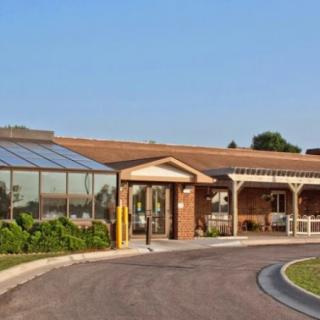


 Skilled Nursing Facilities vs. Nursing Homes: Making Sense of the Differences
 A Detailed Examination of Nursing Home Costs Across the U.S.
 Exploring Nonmedical Home Care: Understanding Services, Costs, and Financial Approaches