1300 28th Street, Perry, IA 50220
For more information about senior living options: (866) 208-4318
Overall Review of Rowley Masonic Assisted Living Community
Pros
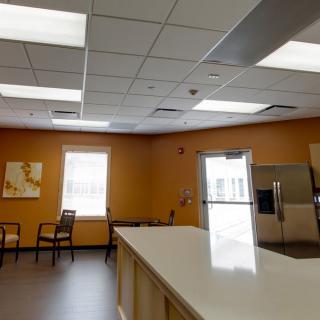
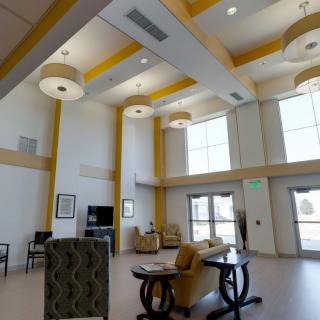
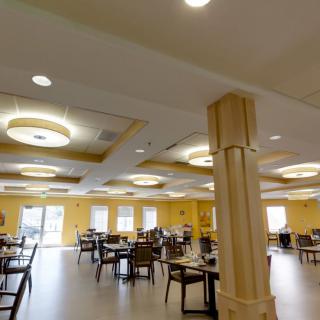
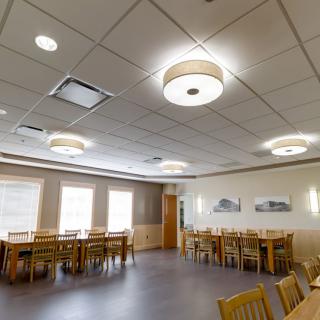
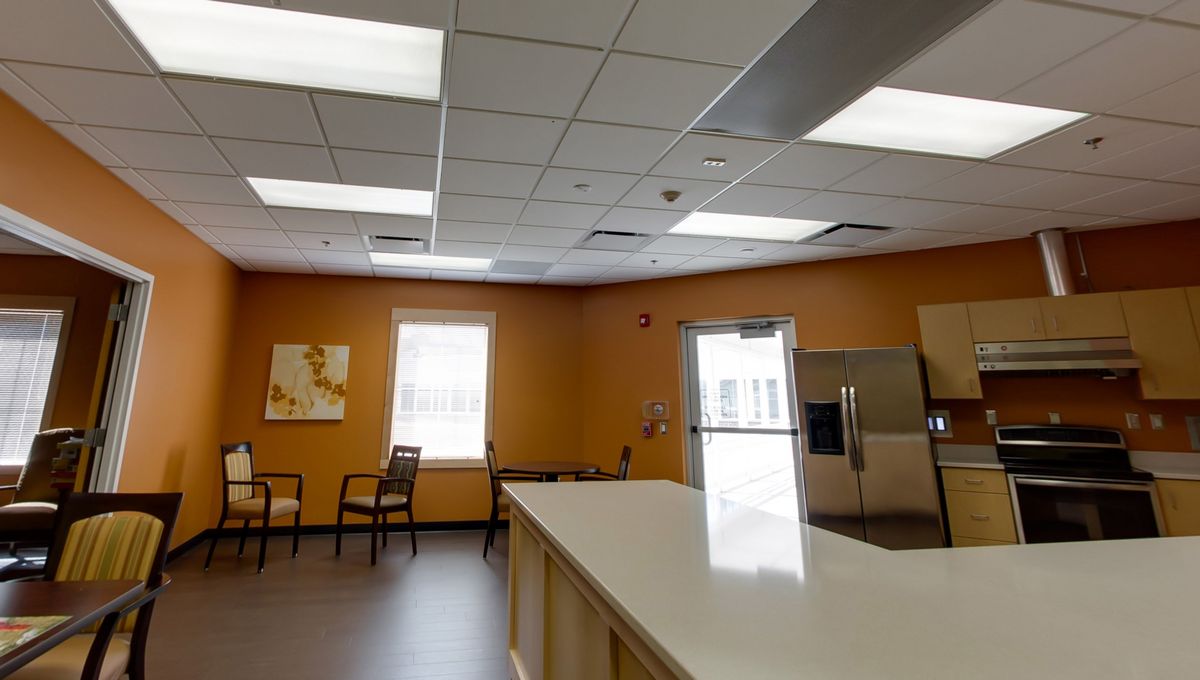
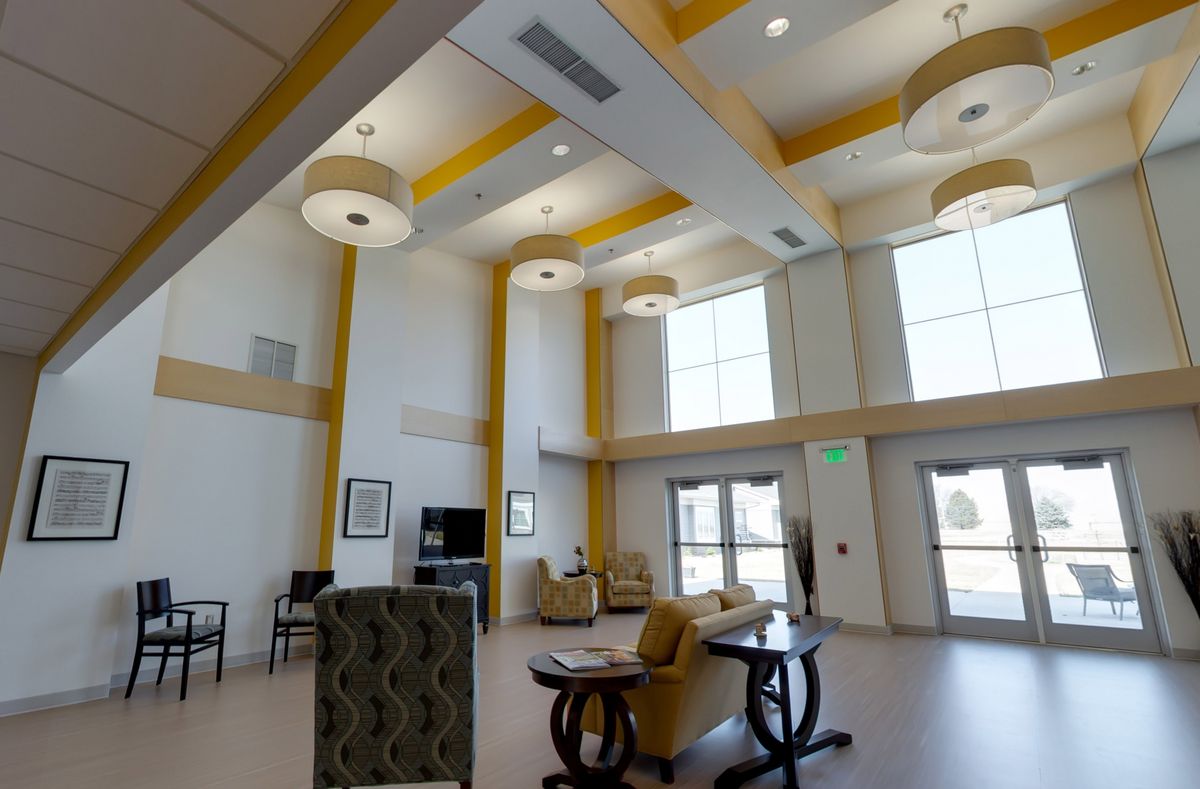
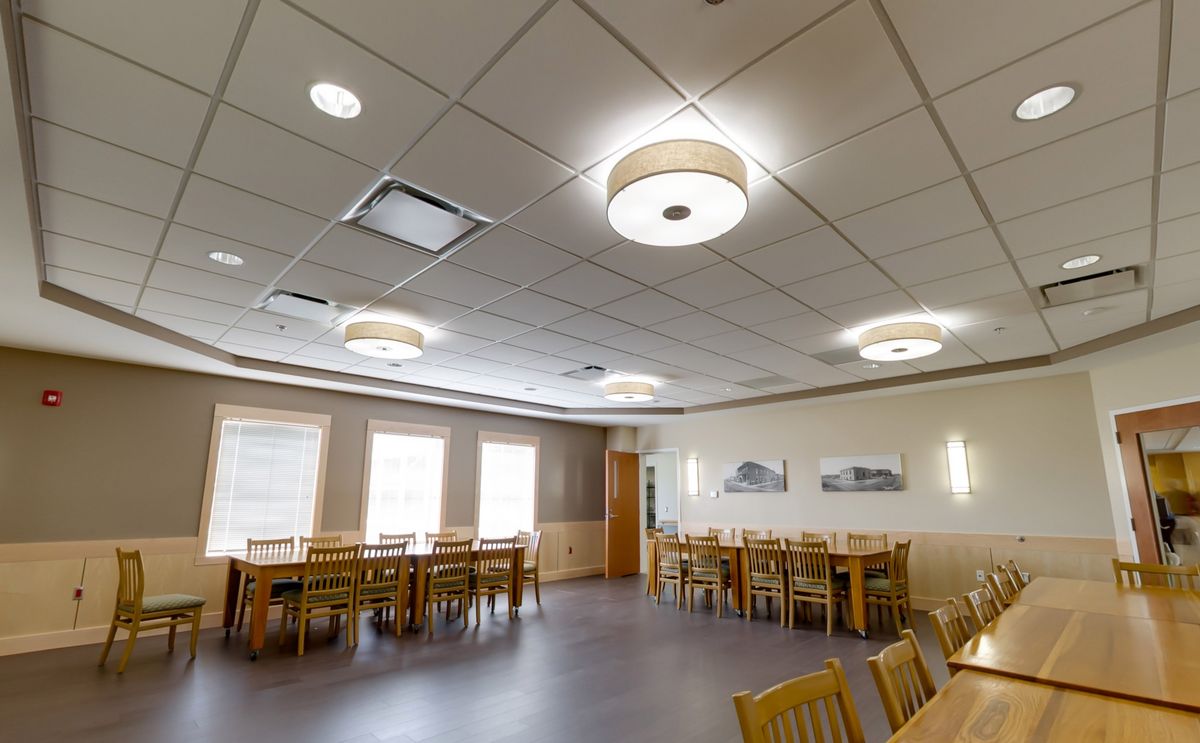
 The facility is extremely clean and well taken care of.
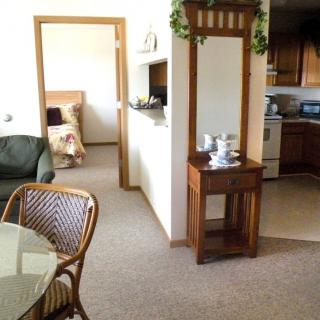
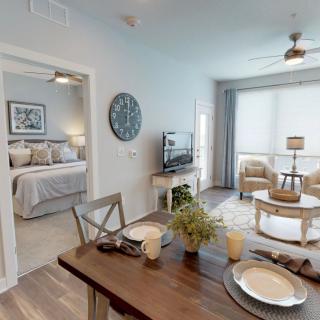
- Her assisted living apartment is almost as large as an 800 sq ft house.
- The pricing is all-inclusive and offers great value for retirees.
- Everything is included in the plan; there are no hidden costs.
- The rooms include an ensuite bathroom, a feature not common in many places.
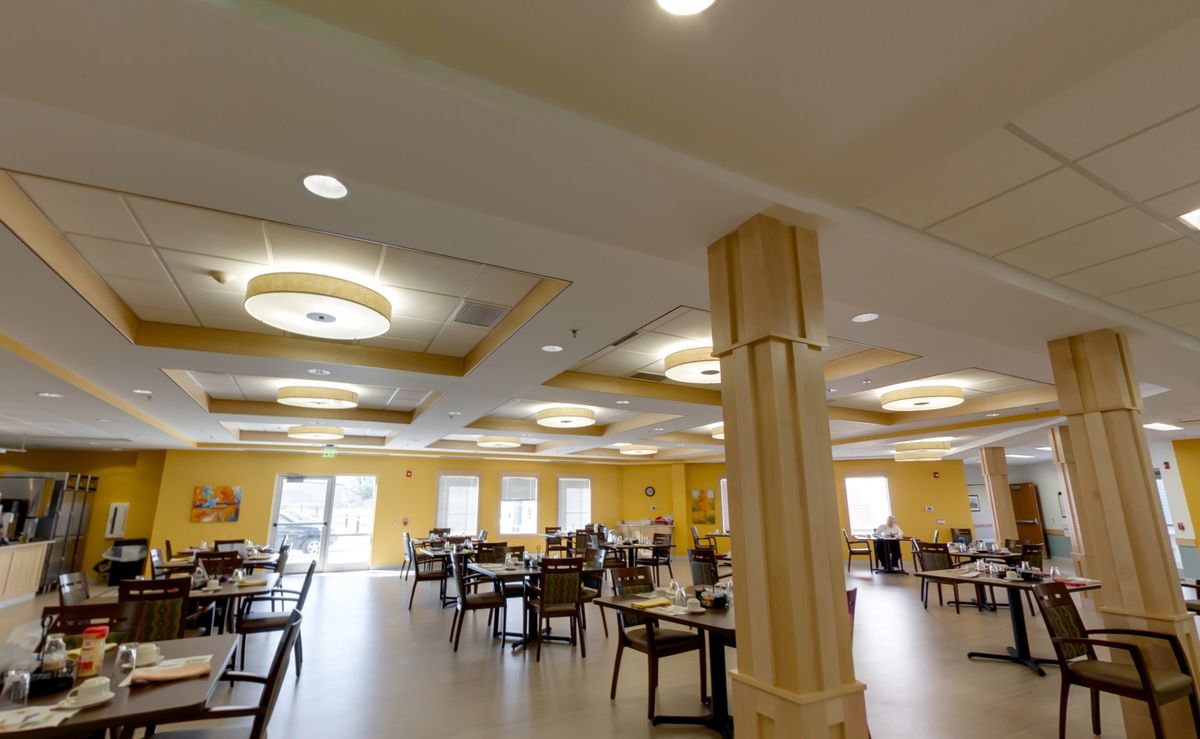
- The meals are exceptional, with three different on-site chefs.
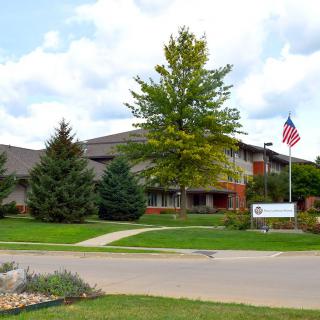
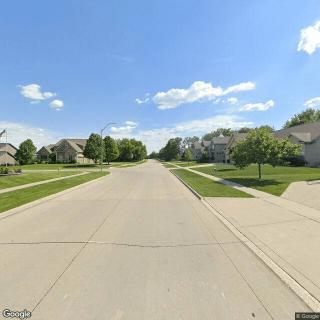
- It is a beautiful facility that comes highly recommended.
- The location, 28 miles from Des Moines, is a reasonable and appealing distance.
Cons
 She's too independent, too cognizant, too outgoing to feel tied up.
- A $1500 difference is a lot of money for someone that's retired.
Review
Rowley Masonic Assisted Living Community in Perry is best suited for seniors who want a comfortable, predictable, all-inclusive living arrangement with generous apartment space and dependable everyday services, all within a manageable drive to Des Moines for family visits. The model described emphasizes clean, well-maintained surroundings, a calm environment, and a seamless package of housing, meals, and routine care. For families seeking a straightforward, fee-stable option that minimizes out-of-pocket surprises while delivering a home-like atmosphere, this Perry option checks the essential boxes.
Those who may want to consider alternatives are residents who prize high degrees of independence, constant social stimulation, or more specialized needs. An exceptionally outgoing, self-directed senior who desires heavy involvement in activities throughout the day or someone who requires robust, hands-on tailored medical or memory-care support may find this setting too conventional or constrained. In short, residents who want more dynamic programming, less routine oversight, or advanced care capabilities should explore other communities with deeper activity rosters or specialized tracks.
The strongest positives, cleanliness, spaciousness, and inclusive pricing, work in tandem to offset the main caveat for many families. The facility is described as exceptionally clean and well cared for, with a living environment that feels spacious and home-like. A one-bedroom-style footprint, notably an apartment large enough to approach 800 square feet, paired with an en-suite bathroom, stands out as a practical luxury in the assisted-living segment. The price point is compelling: around $2,800 per month with “everything included,” and the reviewer notes the value is markedly better than comparable options closer to Des Moines, where monthly costs balloon to roughly $4,400. For retirees watching every dollar, the transparency and predictability of a tiered pricing model, where help is scaled to need, can reduce financial anxiety and simplify family planning.
Another clear strength is the comprehensive dining and meals program. Three in-house chefs delivering consistently high-quality meals make the residential experience not only convenient but genuinely satisfying. When meals are included at a high standard, it reduces the daily friction of coordinating groceries, cooking, and cleanup, factors that can disproportionately burden independent seniors transitioning to assisted living. The combination of high-quality food and all-inclusive pricing amplifies the sense of value, and the facility’s emphasis on a well-rounded lifestyle helps counterbalance the absence of frequent, high-energy programming that some residents crave.
Even with these advantages, the practical trade-offs must be acknowledged. The described resident’s situation, an independent, outgoing mother who feels tied to assisted living, illustrates a key tension: the more robust the daily routine and oversight, the greater the risk of residents perceiving a loss of personal freedom. For these individuals, the sense of security can feel at odds with a desire to move through the day with minimal constraints. In addition, while the environment is clean and orderly, the review does not emphasize expansive, high-velocity activity calendars or deep specialty programming, which means some residents may need to supplement with external social opportunities if seeking a busier day.
For families conducting due diligence, several practical steps follow from these observations. Clarify the exact inclusions of the “everything included” proposition and confirm what the tier 1 level covers versus higher tiers, ensuring the resident’s ADL needs align with the stated care model. Assess value against personal priorities: is a quiet, pristine setting with predictable costs more important than access to a richer, more varied calendar of activities or more intensive medical oversight? Consider proximity to Des Moines as a benefit for frequent family involvement, recognizing the price advantage may tilt the decision in Perry’s favor if distance to major metro areas isn’t a factor.
In sum, this Perry community presents a compelling option for seniors who value a clean, well-run environment, generous apartment space, predictable all-inclusive pricing, and high-quality dining, all within an hour of Des Moines. It is particularly well-suited for those who want dependable daily care without paying for extensive, high-touch programming or complex medical needs. For residents who prioritize maximal independence, vibrant, dynamic engagement, or specialized care beyond Tier 1, it is prudent to compare alternatives offering broader activity rosters or deeper clinical support. The right choice hinges on balancing the comfort of a stable, cost-conscious setting with the resident’s appetite for freedom, activity, and level of care.
 32 resident community capacity
 Assisted Living
 Memory Care
 Beauty salon
 Cable or satellite TV
 Dining room
 Fully furnished
 Garden
 Housekeeping services
 Kitchenette
 Move-in coordination
 Outdoor space
 Restaurant-style dining
 Small library
 Telephone
 Wi-Fi/high-speed internet available
 24-hour call system
 Activities of daily living assistance
 Assistance with bathing
 Assistance with dressing
 Assistance with transfers
 Diabetes diet
 Medication management
 Mental wellness program
 Special dietary restrictions



 Illuminating Insights About Alzheimer's Disease: Ten Crucial Realities
 A Thorough Discussion of Medications Potentially Linked to Dementia Risk
 Why Do Dementia Patients Sleep So Much? Understanding Oversleeping, Stages, and Care Approaches