2625 Iowa Street, Perry, IA 50220
For more information about senior living options: (866) 208-4318
Pearl Valley Rehabilitation And Nursing At Perry Costs & Pricing
At Pearl Valley Rehabilitation and Nursing at Perry, the cost for a private room is competitively priced at $4,300 per month. This rate aligns with the average costs in Greene County, where similar facilities charge the same amount. When compared to the broader state average in Iowa, which stands at approximately $4,670 for a private room, Pearl Valley offers a more economical option for residents seeking quality care without compromising on services. This pricing strategy not only highlights Pearl Valley's commitment to accessible healthcare but also positions it as an attractive choice for families considering rehabilitation and nursing services in the region.
| Floor plans | Pearl Valley Rehabilitation And Nursing At Perry | Greene County | Iowa |
|---|---|---|---|
| Private | $4,300 | $4,300 | $4,670 |
Skilled Nursing Facilities with a similar price nearby
-
About the same

Independence Village of Ames
$4,250 to $5,200 / month24.2 miles away -
from -$550 / mo
Rock Creek Senior Living
$3,750 to $5,135 / month23.6 miles away -
from +$600 / mo

Edencrest At Green Meadows
$4,900 to $6,691 / month22.5 miles away -
from +$244 / mo

Westhaven Community
$4,544 to $5,907 / month18.4 miles away -
from +$200 / mo

Regency Park Nursing & Rehab Center Of Jefferson
$4,500 / month18.9 miles away
Overall Review of Pearl Valley Rehabilitation And Nursing At Perry
Pros
 The team at Aspire of Perry inspires pride, and the residents are happier than ever.
- The aides are awesome.
- The staff truly care about the residents and their safety.
- The facility is clean and serves good food.
- The place is nice.
Cons
 They should not send their family here.
- They spilled their drink on the floor and couldn't get a refill.
- They experienced bad service.
Review
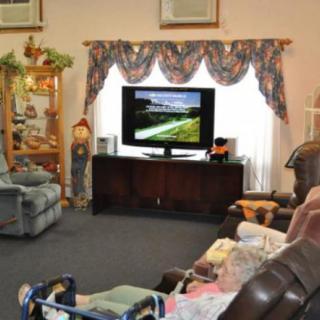
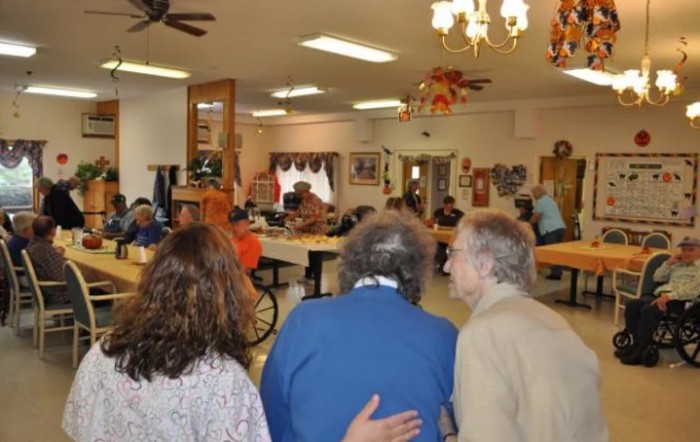
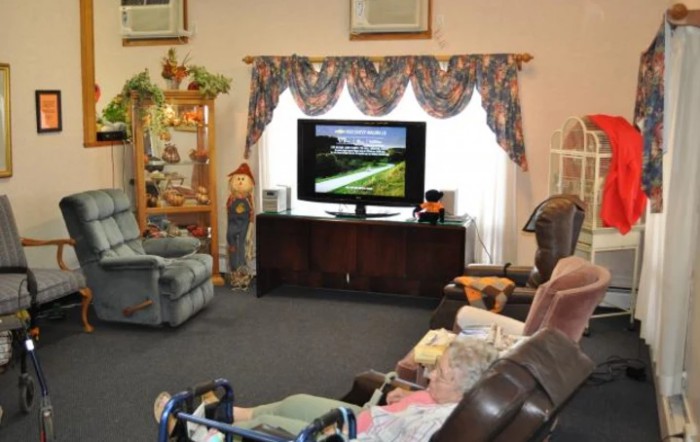
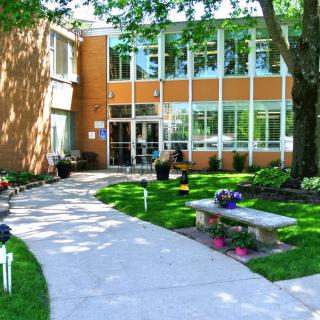
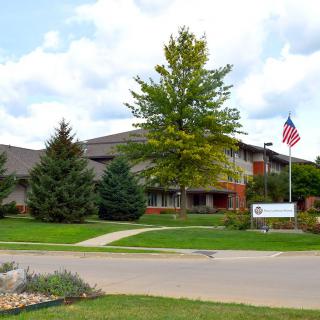
Pearl Valley Rehabilitation and Nursing at Perry is best suited for families seeking a caregiver-centric environment where front-line aides know residents by name, the setting is clean and well maintained, and daily life centers on safety and predictable routines. The community appears to serve both short-term rehab patients and long-term nursing residents who value personal attention, good meals, and a generally respectful, orderly atmosphere. It is not a luxury destination, but for families prioritizing consistent staff presence and a home-like feel, Pearl Valley offers a pragmatic option. The emphasis on safety and the visible investment in a tidy, functional space can make it a solid choice when the interim needs involve rehabilitation or transition to ongoing care.
However, families should weigh the risk of uneven service levels. Several reviews highlight moments of poor responsiveness and friction with basic needs, such as delayed assistance or difficulty obtaining simple requests. One-star experiences flag gaps that could matter for residents who require rapid attention or have higher care needs. For those who expect consistently proactive communication, tightly coordinated medication and dining service, or a predictable daily rhythm, alternative communities with steadier staffing and more robust management oversight may be a better match.
On the plus side, several reviews hail the staff as genuinely caring and protective of residents' safety. Aides described as "awesome" and the overall care tone contribute to a sense of trust that can offset occasional service delays. The facility's cleanliness and reported good food reinforce the impression of a well-run environment, reducing the risk of dissatisfaction tied to clutter, odors, or dull meals. In live situations, consistent, compassionate interaction can compensate for some operational gaps, particularly for residents who rely on routine and relationship-based care.
Yet the downsides remain real. Inconsistent responsiveness and a few negative anecdotes suggest uneven staffing or management challenges. The combination of high praise in some reviews and sharp criticisms in others signals a facility where experiences hinge on who is on duty and when. For residents with complex medical needs, or those who require rapid response to call bells, these gaps can become safety concerns. Potential families should contemplate the risk that positive first impressions do not always translate into steady day-to-day reliability.
To make a well-informed choice, visit with a specific plan: observe care interactions during peak and off-peak hours, tour the rehab unit, and ask for current staffing ratios and turnover. Request conversations with a charge nurse or administrator about response times and how dining and housekeeping issues are handled. Review the menu and dining options, and verify therapy schedules and progress notes if rehab is involved. Seek recent resident or family references, and clarify what escalation paths exist if needs go unmet. These steps will reveal whether Pearl Valley’s strengths align with the resident’s priorities.
When safety, cleanliness, and genuine caregiver connection are the top criteria, Pearl Valley Rehabilitation and Nursing at Perry can deliver meaningful value. It shines where staff engagement and a tidy environment create trust, particularly for rehab patients transitioning to long-term care. If consistent, rapid responsiveness and flawless service are non-negotiable, exploring other communities with stronger staffing stability is prudent. Weigh the desire for a practical, person-centered setting against the realities of reported service variability, and use due diligence visits to determine whether this is the right fit for a given loved one.
 46 resident community capacity
 Skilled Nursing Facility
 Beauty salon
 Cable or satellite TV
 Dining room
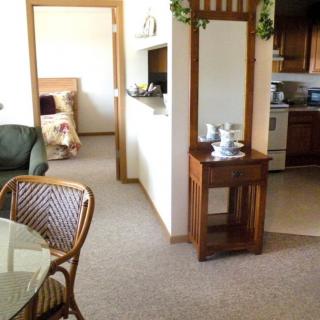
 Fully furnished
 Garden
 Housekeeping services
 Kitchenette
 Move-in coordination
 Outdoor space
 Restaurant-style dining
 Small library
 Telephone
 Wi-Fi/high-speed internet available
 24-hour call system
 Activities of daily living assistance
 Assistance with bathing
 Assistance with dressing
 Assistance with transfers
 Diabetes diet
 Medication management
 Mental wellness program
 Special dietary restrictions



 Top Cars for Senior Drivers and Essential Safety Innovations
 A Closer Look at Private Pay Home Care
 Comprehensive Approaches for Arthritis: A Detailed Guide to Symptoms, Causes, and Care