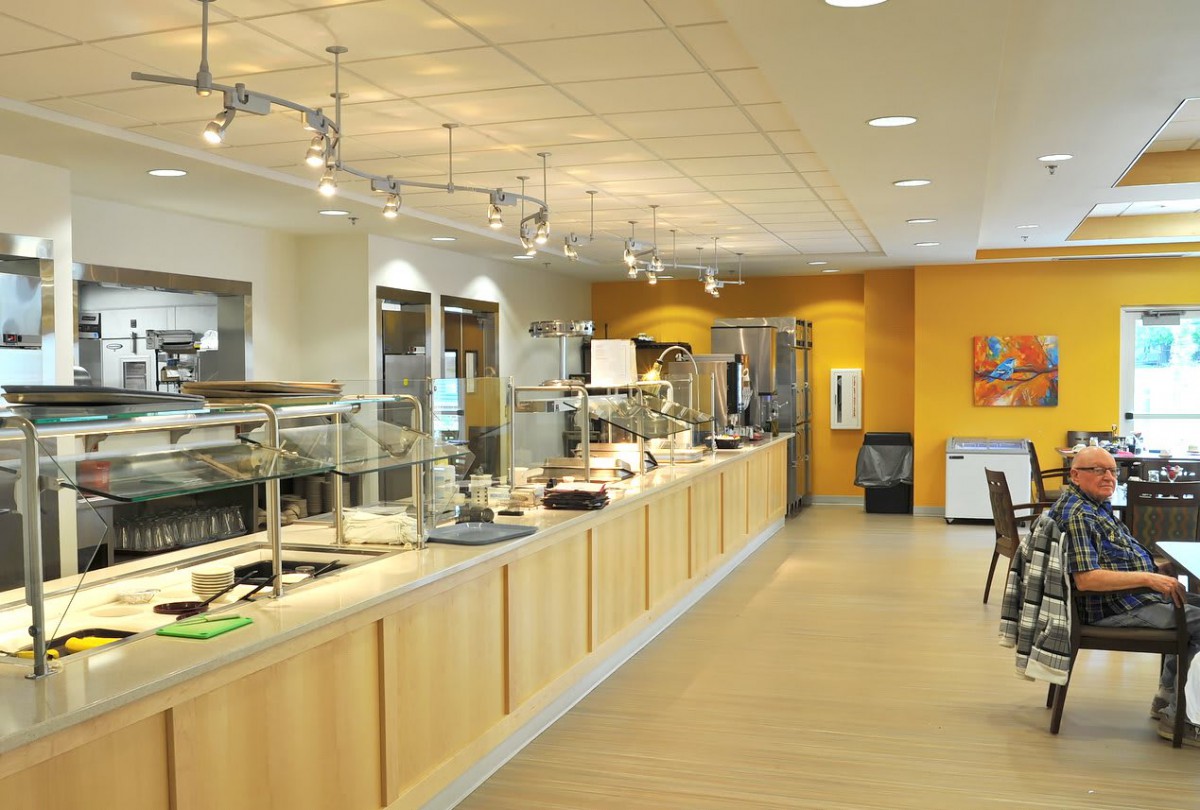
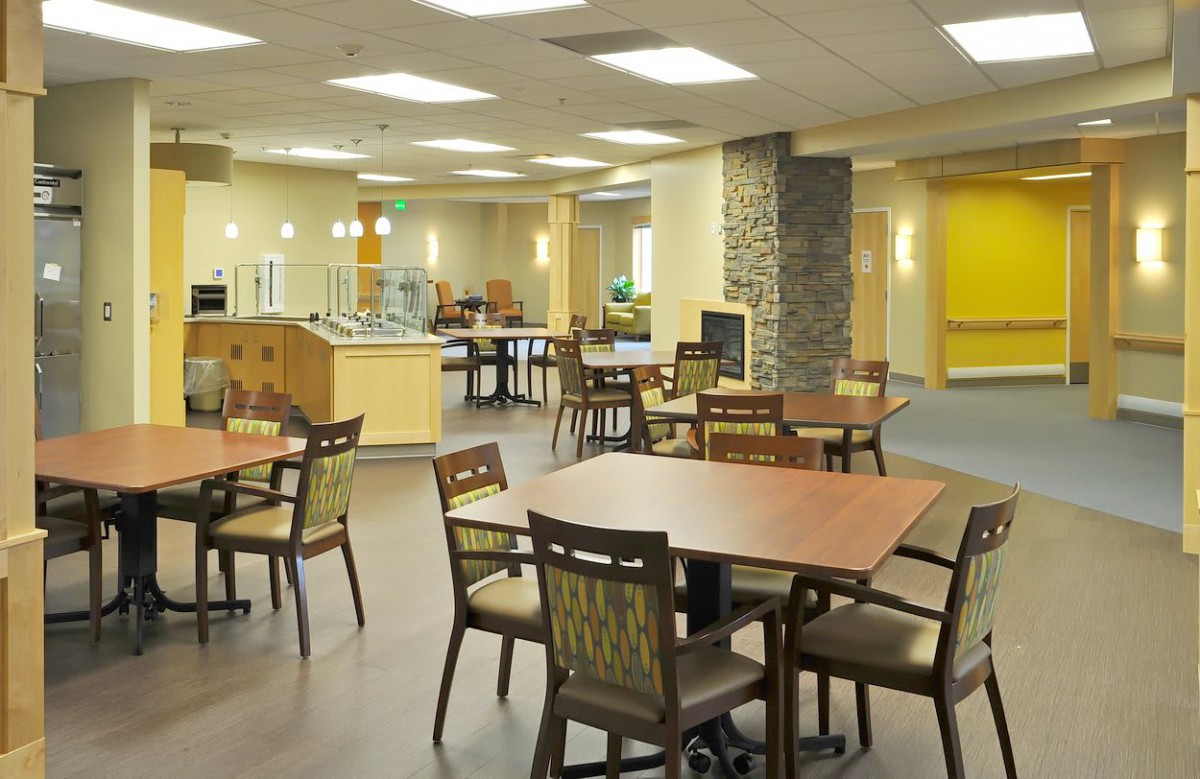
1300 28th St, Perry, IA 50220
To contact a resident: (515) 465-5316
For more information about senior living options: (866) 208-4318
Eden Acres Campus of Perry Lutheran Homes Costs & Pricing
Eden Acres Campus of Perry Lutheran Homes offers competitive pricing for its residents compared to both Greene County and the state of Iowa. For a one-bedroom unit, the monthly cost is $1,000, significantly lower than the county average of $1,865 and the state average of $2,862. In terms of two-bedroom accommodations, Eden Acres charges $2,432 per month, which remains attractive in comparison to Greene County's $2,700 and Iowa's $3,329. Even for studio apartments at Eden Acres, priced at $3,049, the cost is considerably more favorable than the county's hefty rate of $5,023 while still being slightly less than the statewide average of $3,613. This reflects Eden Acres' commitment to providing affordable living options without compromising on quality and care for its residents.
| Floor plans | Eden Acres Campus of Perry Lutheran Homes | Greene County | Iowa |
|---|---|---|---|
| 1 Bedroom | $1,000 | $1,865 | $2,863 |
| 2 Bedrooms | $2,432 | $2,700 | $3,329 |
| Studio | $3,049 | $5,023 | $3,609 |
Assisted Living communities with a similar price nearby
-
About the same

Spurgeon Manor
$1,002 to $2,026 / month12.6 miles away -
from -$150 / mo
Rose Of Ames
$850 to $970 / month23.7 miles away
Overall Review of Eden Acres Campus of Perry Lutheran Homes
Pros
 The staff, facility, and residents at Eden Acres are amazing.
- The staff members at Eden Acres were pleasant and helpful.
- Eden Acres is an absolutely wonderful place, with super friendly people and a home-like feel.
Cons
 The doctor lowered two medications, and pain returned.
- The reviewer would not return for care.
- The company has lost a lot of hard-working people in the last month.
Review
Eden Acres Campus of Perry Lutheran Homes in Perry, IA, is best suited for seniors who want a warm, home-like atmosphere with an exceptionally friendly staff and neighbors, and who anticipate rehab or short-term recovery as part of the care plan. The community shines where interpersonal warmth, accessible assistance, and a social, welcoming vibe matter most. Families prioritizing a sense of belonging and everyday usefulness will find this setting appealing, particularly if the planned stay centers on rehabilitation or transition back into independent living. The combination of pleasant staff interactions, a well-kept facility, and residents who seem comfortable in the environment creates a compelling case for those who value emotional reassurance and everyday livability in the near term.
Those who may want to consider alternatives include families with strict requirements for medication management and continuity of medical oversight. A key caution drawn from the reviews is the variability in clinical touchpoints, highlighted by a guest who experienced a med adjustment that precipitated renewed pain. The recent turnover in staff also raises questions about consistency of care and the stability of the caregiving team. If steady, highly predictable medical decisions, or a long-tenured, tightly coordinated medical staff are non-negotiable, options with more robust physician or pharmacy integration and lower turnover may be preferable, even if the atmosphere is less homelike.
The strongest positives, the staff’s warmth, the facility’s upkeep, and the resident community, can substantially offset certain drawbacks, but not all. The consistently praised demeanor of staff, plus a setting that feels like home, translates into high daily satisfaction, smoother social interaction, and reliable help when needed. This emotional and social infrastructure often eases transitions for residents who fear isolation or impersonal care. On the rehab side, the supportive environment can accelerate comfort and participation, which are valuable wins. Yet the hinge point remains medical management: even excellent bedside care cannot compensate for medication changes that destabilize pain control if oversight becomes fragmented or reactive rather than proactive.
Conversely, the accompanying concerns deserve decisive attention. Staff turnover, flagged as a notable recent development, can translate into fluctuating caregiver availability and evolving care rhythms. For residents who rely on consistent faces and a predictable routine, this can erode confidence in daily support and prompt a desire to explore facilities with longer-tenured teams. The med-change incident, while singular in the reviews, highlights a real risk area: how medication decisions are coordinated, communicated, and reviewed. Families should weigh whether a similar event would be an acceptable risk given the resident’s current medical history, or if a facility with clearer pharmacologic governance and stable lines of medical accountability would better align with their expectations.
To make a well-informed choice, prospective families should pursue specific, practical assurances. Inquire about the current caregiver-to-resident ratio and turnover rates, and request a tour during varying shifts to observe consistency and attentiveness. Clarify who oversees medical decisions, how med changes are coordinated with prescribing providers, and what mechanisms exist to prevent pain or symptom flare-ups during transitions. Ask about rehabilitation staffing and success metrics, as well as how social programming is sustained when turnover occurs. Above all, demand a candid outline of how the campus maintains a stable medical framework even as frontline staff evolves, and how residents can build trusting relationships with a primary contact who remains consistent over time.
Taken together, Eden Acres stands out as a strong option for families seeking a welcoming, neighborly environment where residents are connected, staff are friendly, and daily life feels comfortable and engaging. It is less well matched for those who require unwavering medication stability and very predictable medical oversight, or for families who cannot tolerate noticeable shifts in staffing patterns. The bottom line favors a choice built on personal risk tolerance: if the resident values a home-like culture and can engage with a care team that remains responsive and communicative, Eden Acres offers genuine value. If the priority is unshakable continuity in medical management and highly stable staffing, explore alternatives that foreground long-tenured teams and integrated clinical oversight.
 Assisted Living
 Independent Living
 Cats allowed
 Dogs allowed
 Activities off-site
 Air-conditioning
 Beautician on-site
 Cable or satellite TV
 Devotional services on-site
 Full kitchen
 Ground floor units
 Handicap accessible
 Indoor common areas
 Outdoor common areas
 Private bathrooms
 Respite or short term stays offered
 Wheelchair accessible showers
 Wi-Fi/high-speed internet available
 Ambulatory care
 Diabetic care
 Incontinence care
 Medication management
 Gluten-free
 Art classes
 Catholic services
 Cooking classes
 Day trips and outings
 Educational speakers / life long learning
 Happy hour
 Live musical performances
 Wine tasting
 Yoga / chair yoga




 Is Assisted Living Deductible on Your Taxes? Understanding the Complexities of Assisted Living Expenses and Deductions
 Assisted Living Support for Veterans: A Complete and Detailed Overview
 Exploring the Contrasts Between Assisted Living and Skilled Nursing