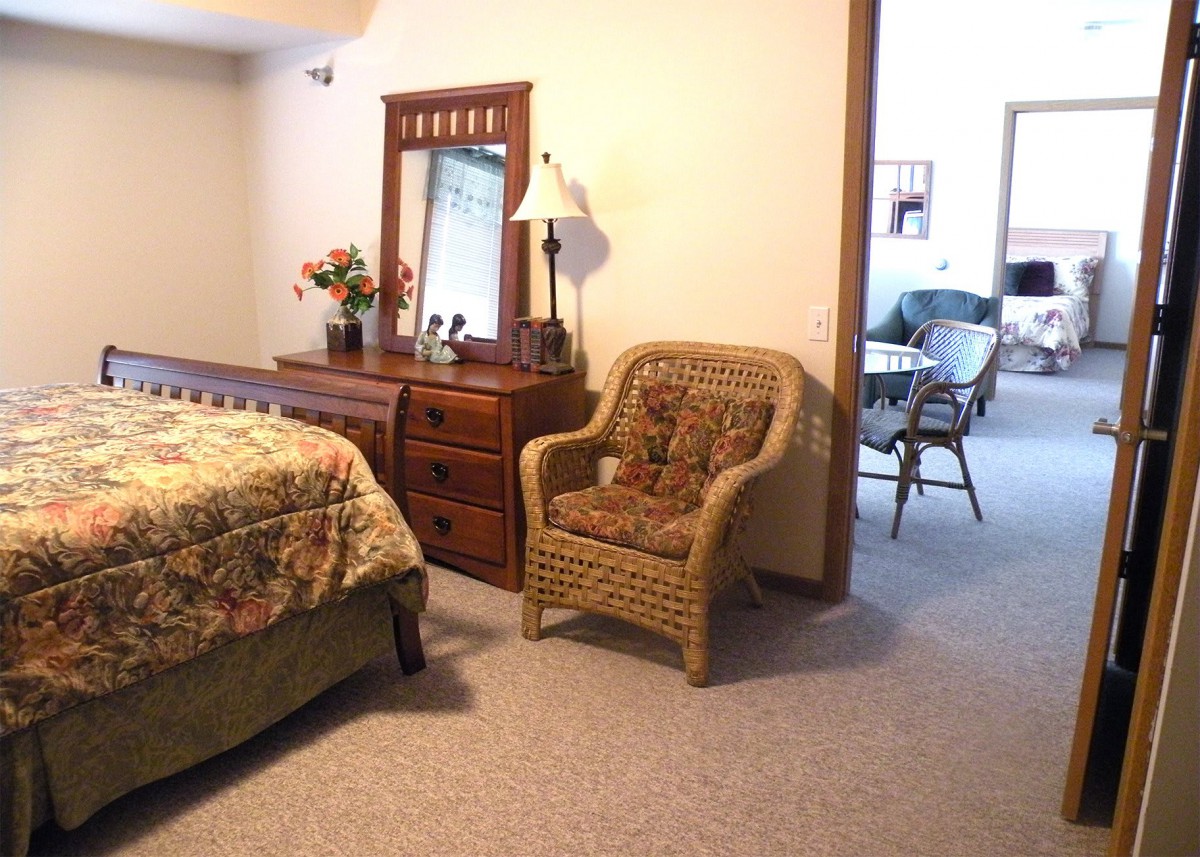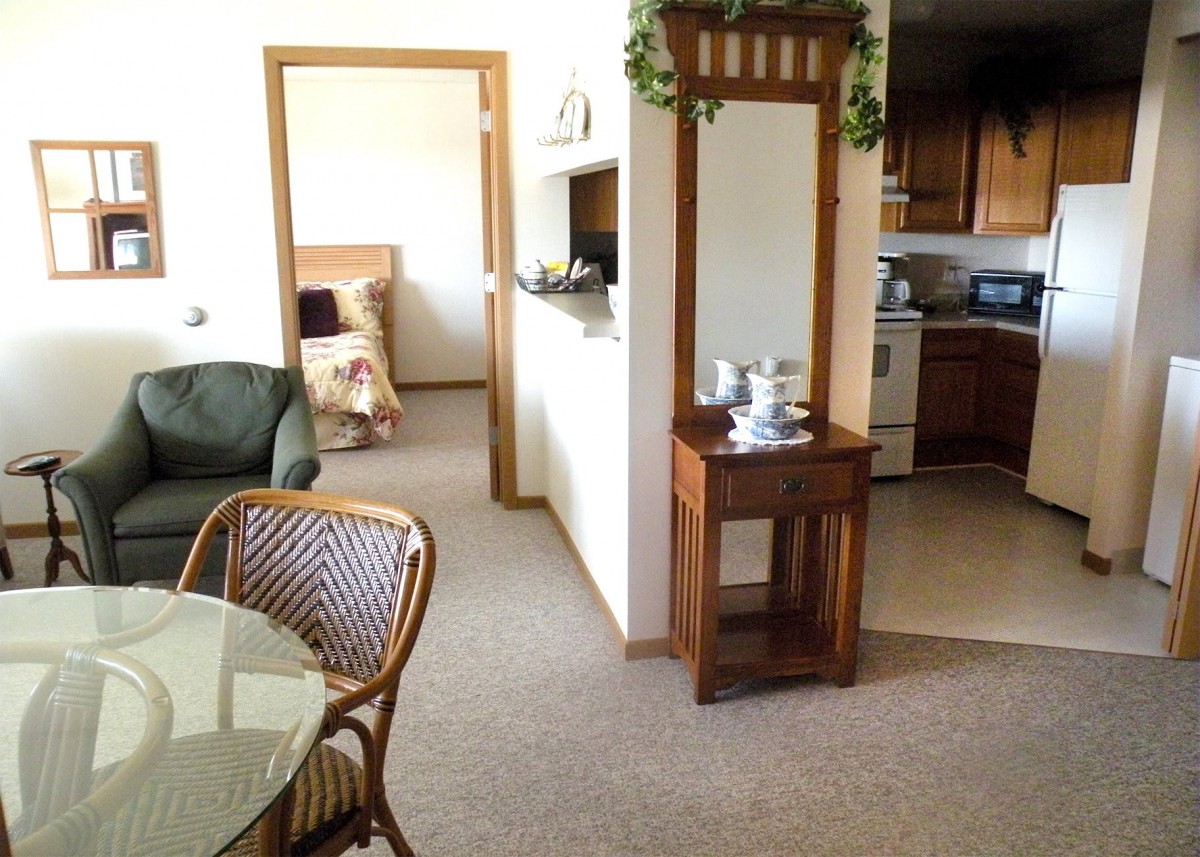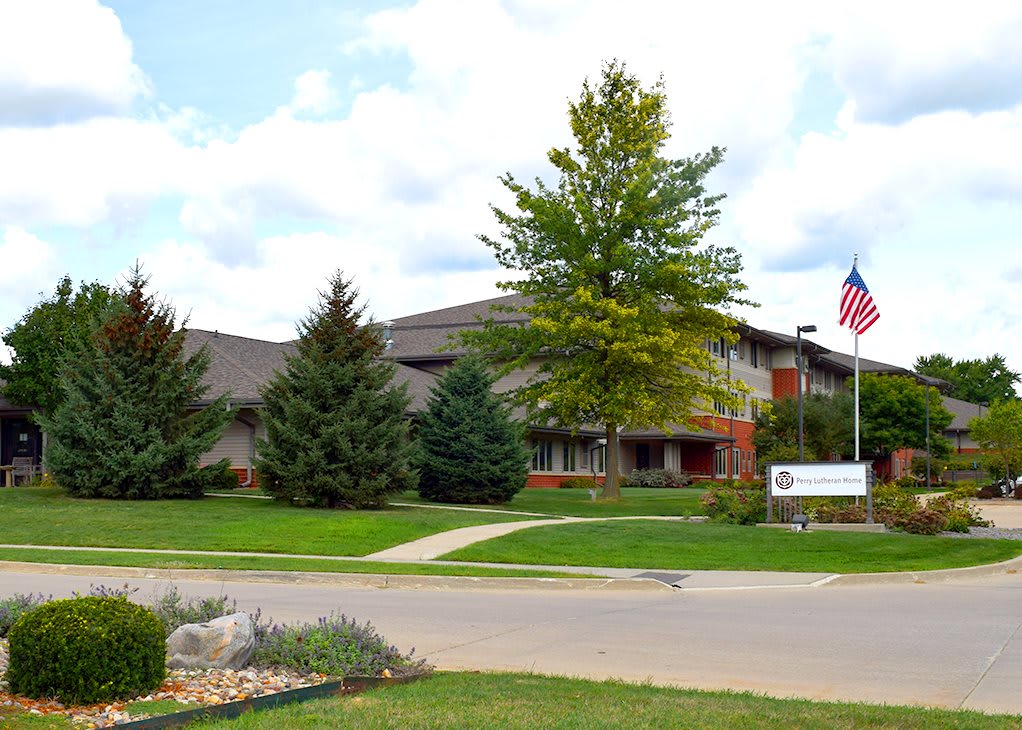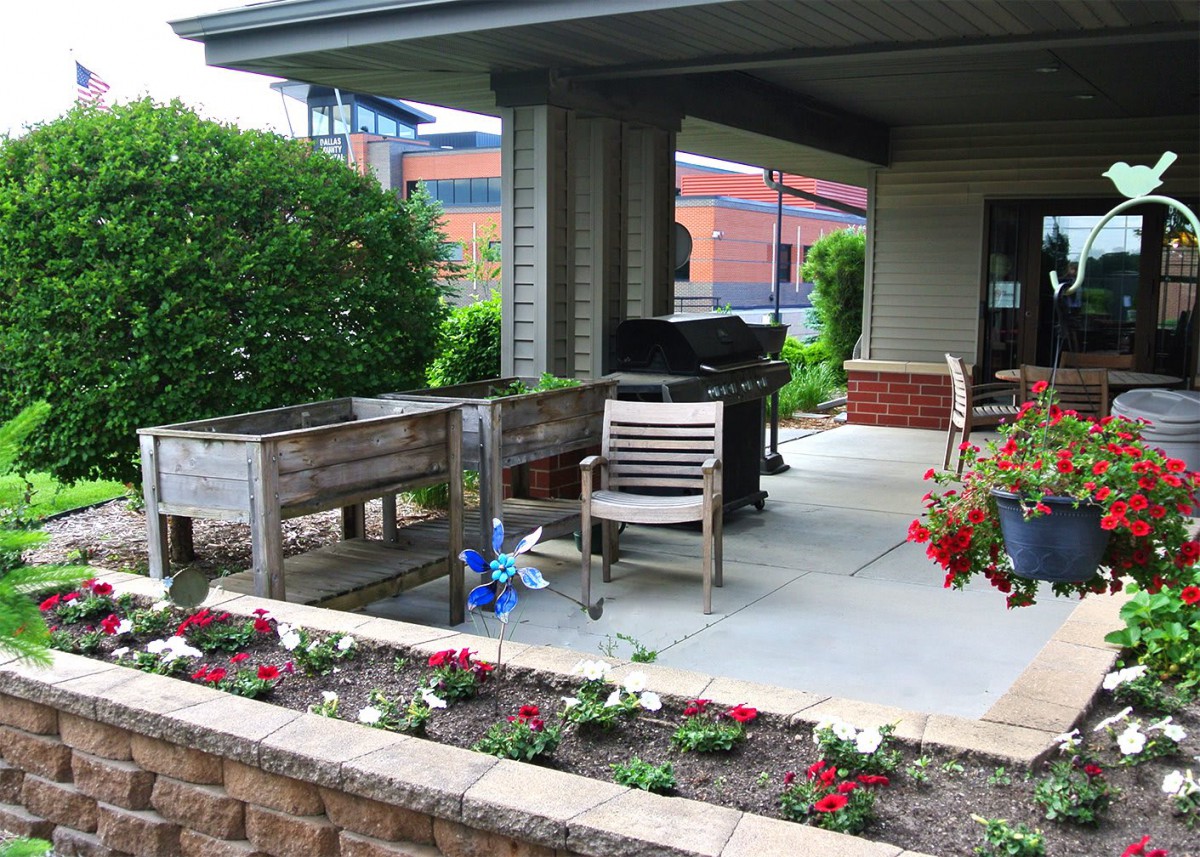
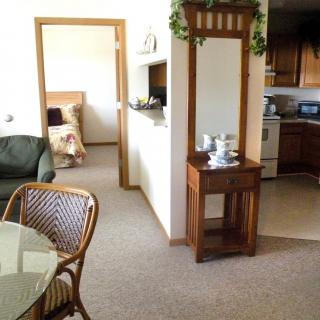
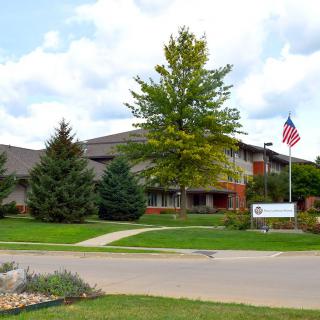
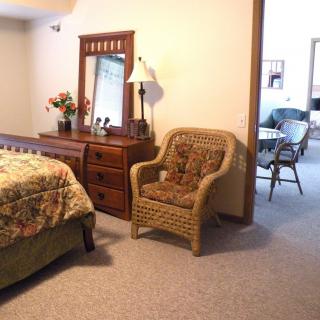
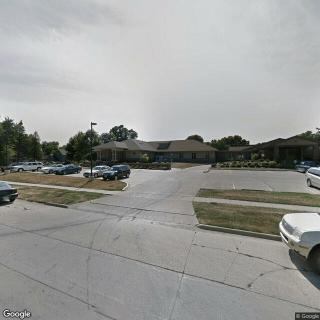
501 12th St, Perry, IA 50220
To contact a resident: (515) 465-7500
For more information about senior living options: (866) 208-4318
Perry Lutheran Homes Spring Valley Campus Costs & Pricing
Perry Lutheran Homes Spring Valley Campus offers competitive pricing for its residents, particularly when compared to both Greene County and the broader context of Iowa. For instance, a studio room at Perry is priced at $2,599, which is notably lower than the average cost in Greene County at $5,023 and also more affordable than the state average of $3,613. In contrast, their one-bedroom units are available for $2,729, surpassing Greene County's rate of $1,865 while still aligning closely with Iowa's average of $2,862. The two-bedroom option is offered at $2,968 - again less expensive than the state-wide average of $3,329 but higher than Greene County's price of $2,700. Overall, Perry Lutheran Homes Spring Valley Campus provides a range of options that balance quality care with affordability in comparison to local and state norms.
| Floor plans | Perry Lutheran Homes Spring Valley Campus | Greene County | Iowa |
|---|---|---|---|
| Studio | $2,599 | $5,023 | $3,609 |
| 1 Bedroom | $2,729 | $1,865 | $2,863 |
| 2 Bedrooms | $2,968 | $2,700 | $3,329 |
Assisted Living communities with a similar price nearby
-
About the same
Woodlands Creek
$2,580 to $3,160 / month22.0 miles away -
from -$149 / mo
Walnut Ridge Senior Living Community
$2,450 to $3,635 / month22.8 miles away -
About the same
Independence Village of Waukee
$2,599 to $5,695 / month20.3 miles away -
from +$126 / mo
Waukee Memory Care
$2,725 to $3,575 / month20.1 miles away -
About the same
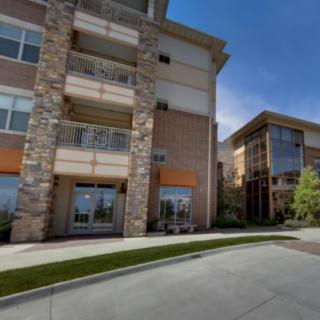
Edgewater
$2,649 to $3,294 / month23.5 miles away
Overall Review of Perry Lutheran Homes Spring Valley Campus
Pros
 The staff and tenants at Spring Valley are welcoming and friendly.
- There is always something going on for residents.
- Happy Hour every Friday with live entertainment adds to the experience.
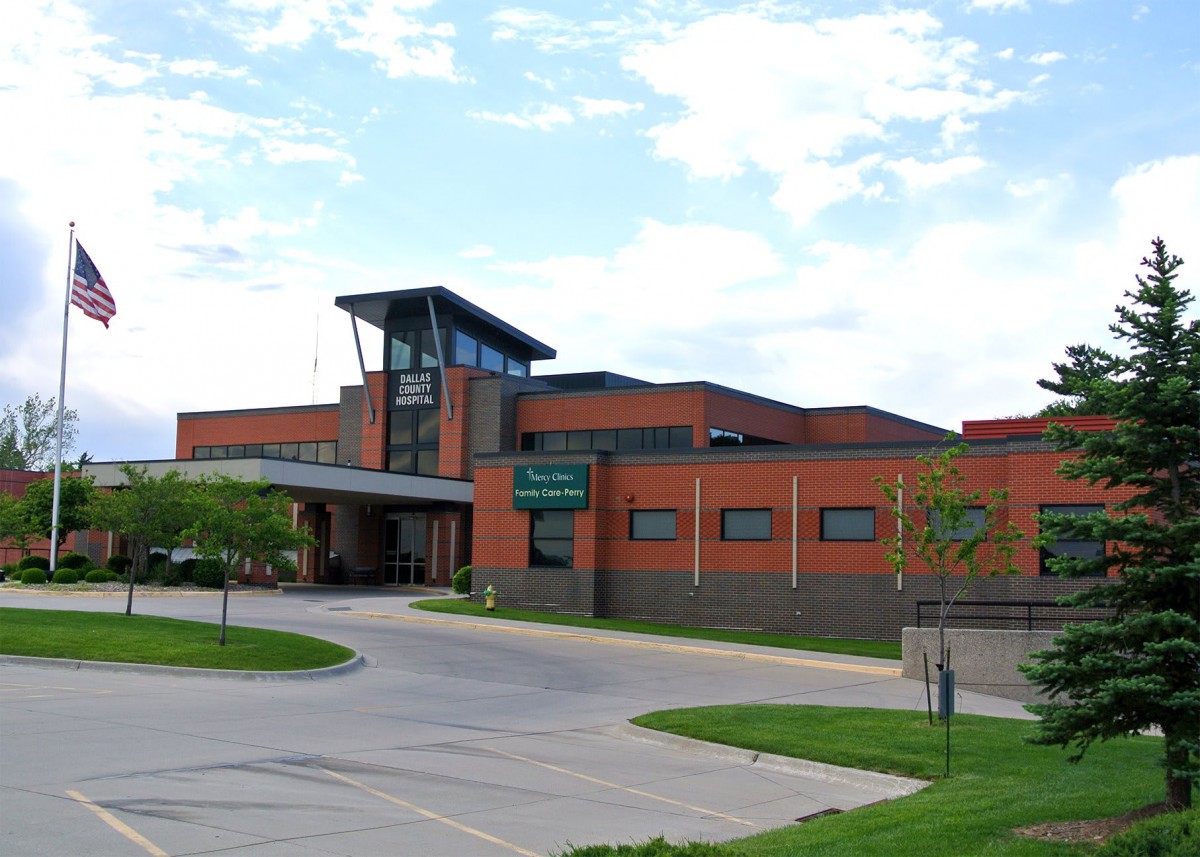
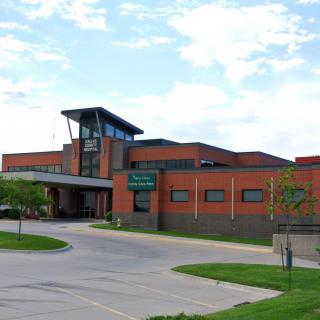
- The location is a bonus because it is connected to the hospital.
- The environment is positive, with helpful and friendly staff.
- Residents seem happy to live there and enjoy the activities and outings.
- Live entertainment is offered most every week.
- The staff work hard to meet the individual needs of residents and accommodate dietary and cost considerations with personalized care.
Cons
 The facility has experienced staff turnover.
- Maintenance items have been slow to get addressed.
Review
This community is best suited for seniors who want a warm, intimate setting where staff truly knows residents and care plans are executed with a personal touch. Perry Lutheran Homes Spring Valley Campus shines for families seeking daily social vitality in a smaller campus, where there is always a program, a gathering, or a themed activity on the calendar. The hospital connection adds practical peace of mind, making it easier to navigate medical needs without uprooting a loved one from a familiar community. In short, it is a strong choice for those who value neighborly atmosphere, frequent social engagement, and a caregiving team that makes individualized attention the norm.
Those who may want alternatives are residents who require more intensive, consistent medical oversight or a broader slate of therapeutic services. The small size, while a strength for personalization, can translate into less predictable staffing levels and slower maintenance responsiveness. Families prioritizing highly structured routines, robust clinical staffing, or a more expansive campus with a wider range of on-site specialists might find other communities better aligned with those stability and capability expectations.
The strongest positives center on people and programs. The staff and other residents are described as welcoming, with a culture of friendliness that permeates daily life. A steady stream of activities, outings, and in-house entertainment keeps days engaging, and there is a regular Friday Happy Hour with live music that nicely complements the social fabric. The sense of community is reinforced by the facility’s small feel, which supports intimate relationships between residents and caregivers and helps tailor activities to individual interests and energy levels.
Another standout advantage is the facility’s willingness to accommodate individual needs and preferences, including dietary restrictions and cost considerations. Flexibility on meals, evidenced by gluten-free adaptations, and a documented readiness to discuss billing and pricing demonstrates a practical commitment to the resident’s overall well-being, not just the standard care package. This willingness to customize extends to care delivery, with caregivers aiming to address personal circumstances rather than applying a one-size-fits-all approach. In a smaller setting, this level of attentiveness is both feasible and frequent, contributing meaningfully to daily satisfaction.
The main drawbacks are real and worth weighing: staff turnover and maintenance delays. Turnover can momentarily disrupt consistency in routines and the nuance of daily interactions, while unresolved maintenance items can affect comfort and safety. However, the overall impression remains that the care team is genuinely invested in individuals’ well-being and that many challenges are mitigated by the facility’s intimate scale and proactive management. Prospective residents should actively probe current staffing stability and the maintenance workflow during tours, asking how quickly repairs are completed, who handles escalation, and what the on-site supervisor’s role is in keeping issues from languishing.
Bottom line: this campus is a practical fit for families prioritizing social engagement, personalized attention, dietary flexibility, and the security of hospital proximity, provided the resident can tolerate the occasional staffing fluctuation and maintenance lag. For those who need a higher level of medical oversight, more uniform staffing, or broader on-site services, exploring larger or more medically oriented communities may be prudent. A thoughtful visit should center on current staffing patterns, the maintenance response timeline, and the specific ways dietary and billing flexibility are implemented. When aligned with the resident’s preferences and schedule, Perry Lutheran Homes Spring Valley Campus offers a welcoming environment where living well is possible every day.
 Assisted Living
 Cats allowed
 Dogs allowed
 Activities off-site
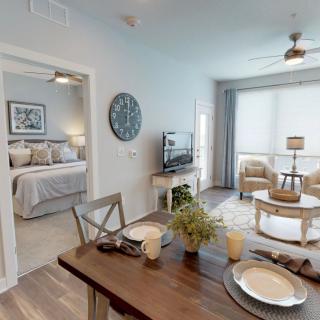
 Air-conditioning
 Beautician on-site
 Devotional services off-site
 Full kitchen
 Ground floor units
 Handicap accessible
 Indoor common areas
 Outdoor common areas
 Private bathrooms
 Respite or short term stays offered
 Wheelchair accessible showers
 Wi-Fi/high-speed internet available
 Ambulatory care
 Diabetic care
 High acuity care
 Incontinence care
 Medication management
 Gluten-free
 Art classes
 Catholic services
 Day trips and outings
 Educational speakers / life long learning
 Happy hour
 Live musical performances
 Wine tasting


 Vibrant Senior Living: A Comprehensive Guide for Active Older Adults
 When to Transition from Assisted Living to Memory Care: Key Indicators, Steps, and Finding the Right Community
 Assisted Living and Memory Care: Understanding Their Core Differences