Country Meadow Place Assisted Living and Memory Care Community Costs & Pricing
Country Meadow Place Assisted Living and Memory Care Community offers a competitive range of monthly costs for various living arrangements when compared to both Worth County and the overall state of Iowa. For a semi-private room, residents pay $2,650, which is significantly lower than the county average of $3,502 and the state average of $3,885. Private rooms are priced at $3,030, again providing substantial savings compared to Worth County's $4,926 and Iowa's $4,670. The studio option is available for $3,895, slightly above the county rate of $3,533 yet below the state's average of $3,613. Meanwhile, one-bedroom units are offered at $4,995 - higher than both the county ($3,159) and state averages ($2,862), while two-bedroom accommodations come in at $5,795 compared to Worth County's $3,486 and Iowa's average of $3,329. Overall, Country Meadow Place presents a cost-effective choice for assisted living that aligns well with residents' financial expectations while ensuring quality care in a welcoming environment.
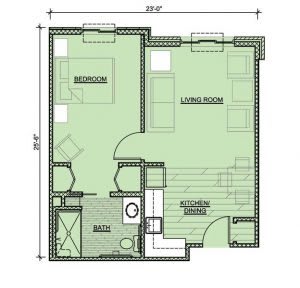
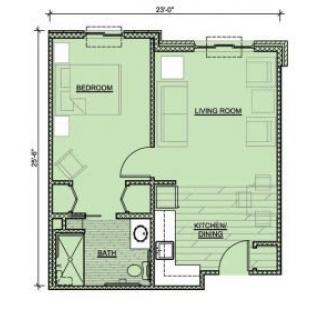
Floor plans
Country Meadow Place Assisted Living and Memory Care Community
Worth County
Iowa
Semi-Private
$2,650
$3,502
$3,885
Private
$3,030
$4,926
$4,670
Studio
$3,895
$3,533
$3,609
1 Bedroom
$4,995
$3,159
$2,863
2 Bedrooms
$5,795
$3,486
$3,329
Overall Review of Country Meadow Place Assisted Living and Memory Care Community
differentiator5 reviews mention this
Memory care support is a focus
Several reviews highlight memory care as a key reason families chose the community, and describe staff as knowledgeable for dementia needs.
Families mention choosing this community for the memory care unit, and reviews describe staff being educated in memory care. One review also raises concerns about training and medication timing, so expectations may vary by staff and process. Overall, residents and families appear to look to the memory care program for day-to-day guidance.
common23 reviews mention this
Friendly, caring staff stands out
Across many visits and experiences, reviewers describe staff as warm, respectful, and attentive to residents.
A large share of reviews praise staff for being friendly and caring during visits, often describing residents as well looked after. Several reviewers also mention clean, well-maintained surroundings alongside respectful interactions. A few reviews take the opposite view and describe breakdowns in follow-through and medication handling, but even those sometimes single out particular nurses as helpful.
common9 reviews mention this
Meals are usually described well
Food quality is frequently mentioned, with many reviewers saying meals look good and taste good.
Many residents and families comment positively on meals, describing the food as good, delicious, and appetizing. Reviews also mention a steady presence of help and that the dining experience feels dependable. There are also critical reviews that call the food horrible or describe residents being served incorrectly, so dining satisfaction is not uniform.
common6 reviews mention this
Activities keep residents engaged
Reviews commonly point to activities and exercise/music as part of daily life at the community.
Several reviewers describe regular activities such as bingo, live performances, and other scheduled events. Others call out exercise and music as standout parts of the routine. A smaller number of reviews say activities were not consistently happening for their loved one, particularly for memory care needs.
caveat5 reviews mention this
Medication and care processes raise concerns
Multiple reviews express worries about medication handling and communication with families.
Several reviewers describe problems with medication administration, including timing and dosing concerns, and some say staff did not understand specific medical needs. Others report needing to push for care actions, or say key issues only became clear after changes at the hospital or during family observations. Even when individual nurses are praised, the overall theme is inconsistency in follow-through and documentation.
caveat4 reviews mention this
Cost feels high for some families
Some families say the pricing is high and that billing did not match what was agreed.
A few reviews describe the cost as high compared to what they expected, including comments about ongoing monthly overcharges. Others mention contract and billing follow-through not happening as promised. The pricing shown for multiple unit types is also positioned well below county and state deltas, which may be relevant if families are comparing options or evaluating what they were quoted.
caveat2 reviews mention this
Locked unit can feel confining
Because some units are locked, a couple of reviews describe it as either reassuring or confining.
One review explains that a locked unit can feel confining depending on what families are looking for, while also noting it can help prevent wandering. Another review raises concerns about access and keys, describing situations where the resident’s ability to use locks was not handled the way the family expected. If wandering protection is the priority, this feature may feel helpful, but it can also add restrictions for others.
How we summarize
Counts show how many written reviews mention each theme; a review can touch several themes, and only frequently mentioned themes are displayed.
Features
Types of Care
Assisted Living
Memory Care
Pets
Cats allowed
Dogs allowed
Amenities
Activities off-site
Activities on-site
Air-conditioning
Bath tubs
Beautician on-site
Cable or satellite TV
Devotional services off-site
Devotional services on-site
Garden view
Ground floor units
Handicap accessible
Indoor common areas
Kitchenette
Outdoor common areas
Respite or short term stays offered
Wheelchair accessible showers
Wi-Fi/high-speed internet available
Care Services
Ambulatory care
Diabetic care
High acuity care
Incontinence care
Medication management
Dining
Anytime dining
Guest meals
Low / no sodium
Meals provided
No Sugar
Professional chef
Restaurant style dining
Room service
Special dining programs
Activities
Art classes
Catholic services
Cooking classes
Day trips and outings
Devotional activities offsite
Devotional activities on-site
Educational speakers / life long learning
Happy hour
Karaoke
Live dance or theater performances
Live musical performances
Live well programs
Wine tasting
Nearby Places of Interest
This area of Mason City, Iowa offers convenient access to various amenities and services that are essential for senior living. Within a short distance, there are auto rentals, pharmacies, restaurants, cafes, theaters, places of worship, physicians' offices, and hospitals. The proximity to the airport also provides easy travel options for visiting family members or taking trips. Additionally, the nearby parks offer opportunities for outdoor recreation and enjoying nature. Overall, this location combines practical necessities with leisure activities, making it a well-rounded choice for seniors looking for a comfortable and convenient living environment in Mason City.
Transportation
Auto Rentals of North Iowa (0.4 miles)
Mason City Municipal Airport (MCW) (2.5 miles)
Budget Truck Rental (4.5 miles)
Places of Worship
Harvest Bible Chapel at CEC Theaters (0.8 miles)
Harvestime Church (3.8 miles)
Lutheran Services (4.2 miles)
Adas Israel Synagogue (4.3 miles)
Holy Family Catholic Church (4.3 miles)
New Life Tabernacle (4.5 miles)
First Baptist Church (4.5 miles)
Theaters
Cinema West (0.8 miles)
Cinema West (0.9 miles)
Restaurants
Subway (1.1 miles)
Olfy (1.3 miles)
Las Palmas Mexican Restaurant (2 miles)
Applebee's (2.1 miles)
Prime N' Wine (2.1 miles)
Papa's American Cafe (2.2 miles)
Rib Crib (2.2 miles)
Pharmacies
Mercy Family Pharmacy-Westside (1.4 miles)
MercyOne Westside Pharmacy (1.4 miles)
CVS Pharmacy (1.8 miles)
Walgreens (3.4 miles)
Mercy Family Pharmacies (3.6 miles)
HyVee Wine and Spirits (4 miles)
Houck Pharmacy (4 miles)
Physicians
Mercy Pediatric And Adolescent Clinic (1.4 miles)
Mercy Diabetes Center (1.4 miles)
North Iowa Eye Clinic (2 miles)
All About Eyes - Mason City (2.7 miles)
Miracle-Ear Hearing Aid Center (3.1 miles)
Radiologists Of North Iowa (3.3 miles)
North Iowa Anesthesia Associates PC (3.3 miles)
Hospitals
North Iowa Mercy Health Center - West Campus (1.4 miles)
MercyOne North Iowa Medical Center West (1.4 miles)
Country Meadow Place Assisted Living and Memory Care Community offers a competitive range of monthly costs for various living arrangements when compared to both Worth County and the overall state of Iowa. For a semi-private room, residents pay $2,650, which is significantly lower than the county average of $3,502 and the state average of $3,885. Private rooms are priced at $3,030, again providing substantial savings compared to Worth County's $4,926 and Iowa's $4,670. The studio option is available for $3,895, slightly above the county rate of $3,533 yet below the state's average of $3,613. Meanwhile, one-bedroom units are offered at $4,995 - higher than both the county ($3,159) and state averages ($2,862), while two-bedroom accommodations come in at $5,795 compared to Worth County's $3,486 and Iowa's average of $3,329. Overall, Country Meadow Place presents a cost-effective choice for assisted living that aligns well with residents' financial expectations while ensuring quality care in a welcoming environment.
Medication management at Country Meadow Place is crucial for residents with dementia or Alzheimer's, as it ensures that they receive the right medications at the appropriate times, reducing confusion and promoting overall health. This structured approach minimizes the risk of missed doses or medication errors, which can exacerbate cognitive decline. Additionally, incontinence care is essential in maintaining dignity and comfort for residents facing challenges related to their condition. Specialized support in this area not only alleviates physical discomfort but also addresses emotional well-being, as caregivers are trained to handle such situations with sensitivity and respect. Together, these features create a supportive environment that fosters independence while ensuring safety and quality of life for residents navigating the complexities of memory-related disorders.
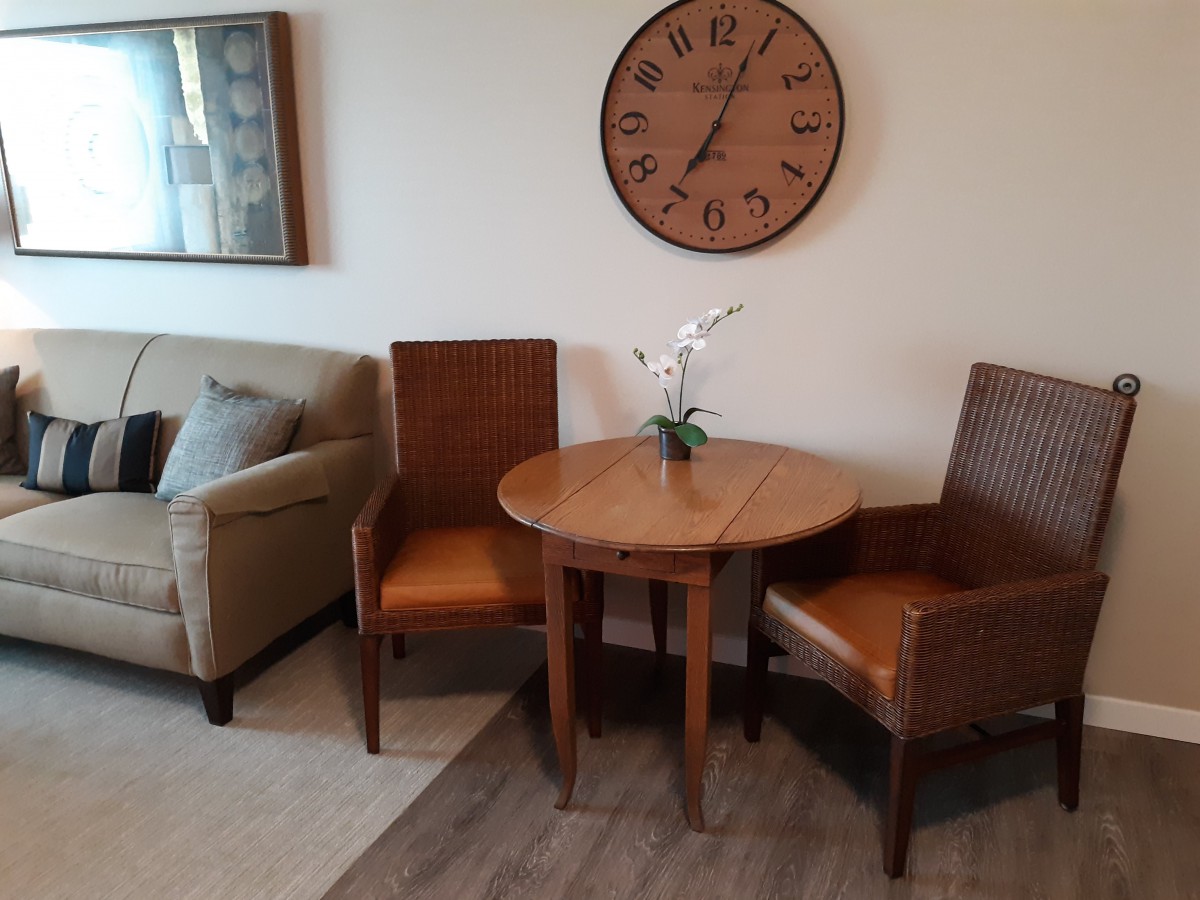
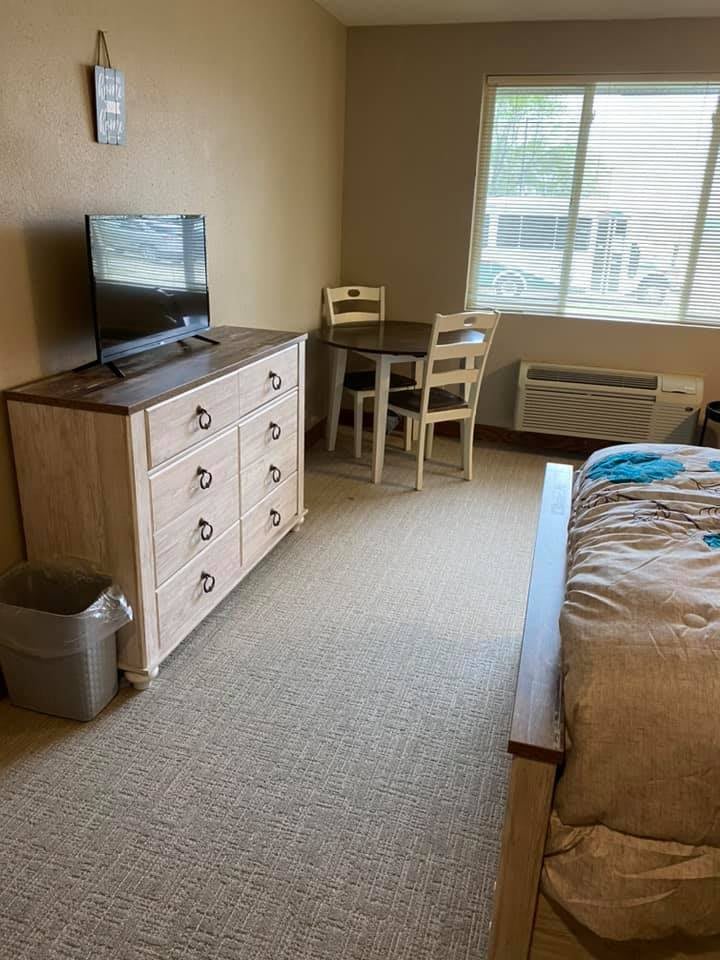
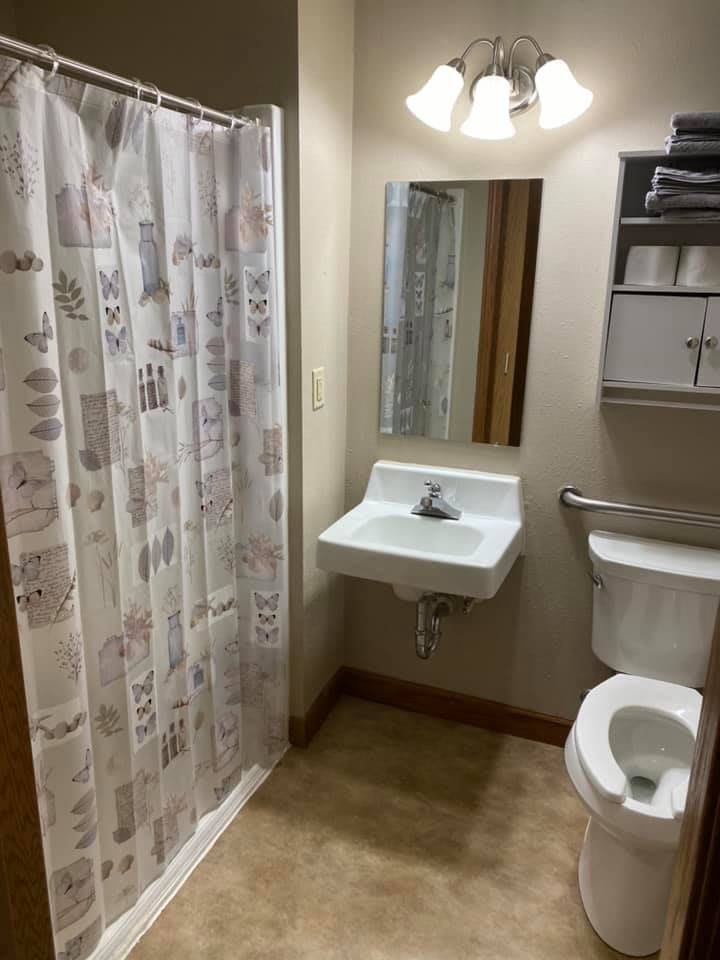
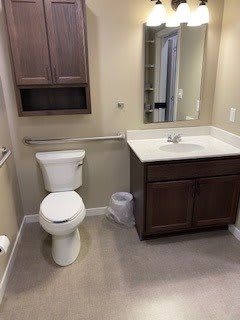
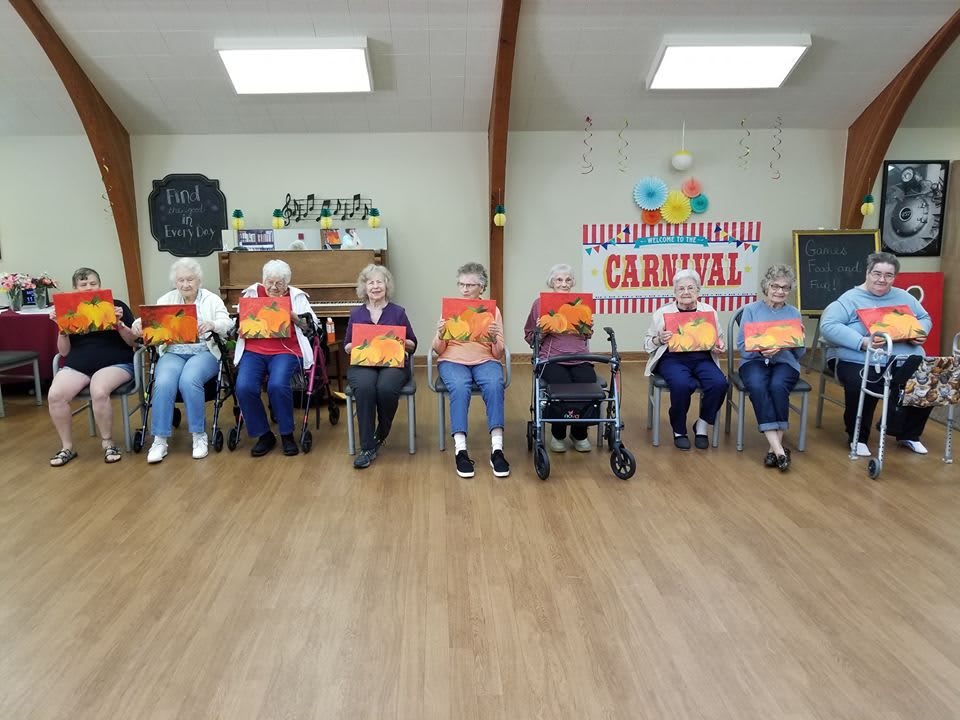
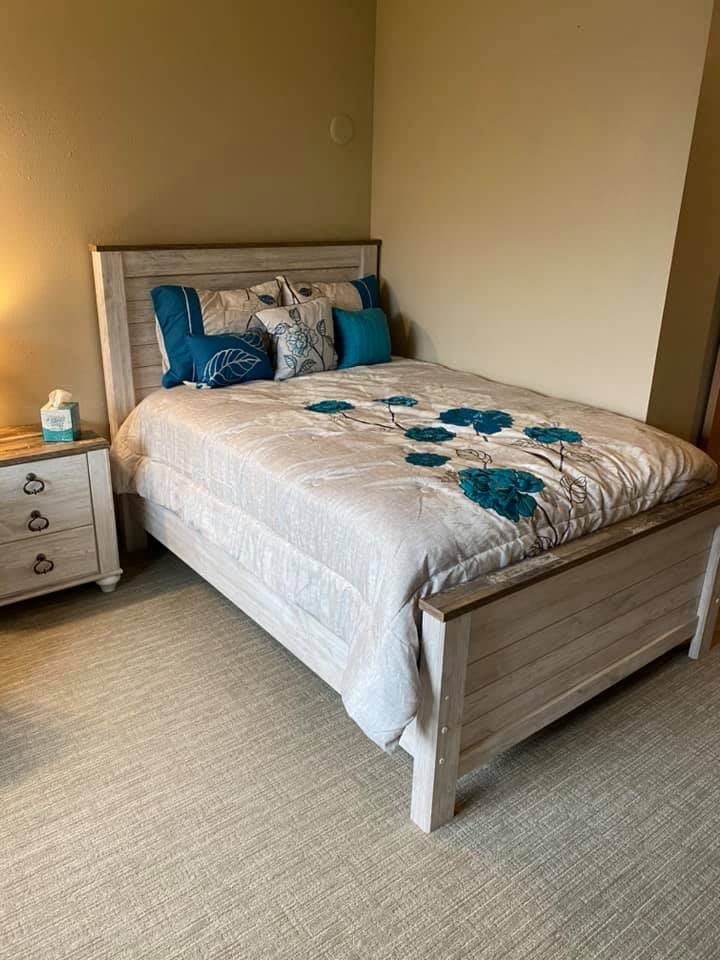
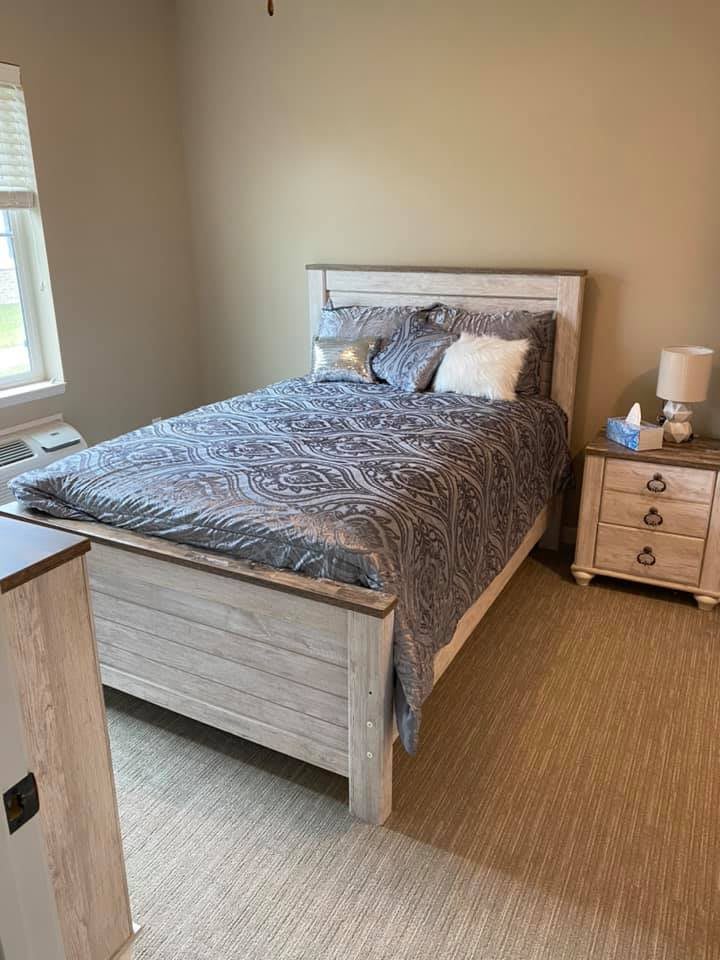
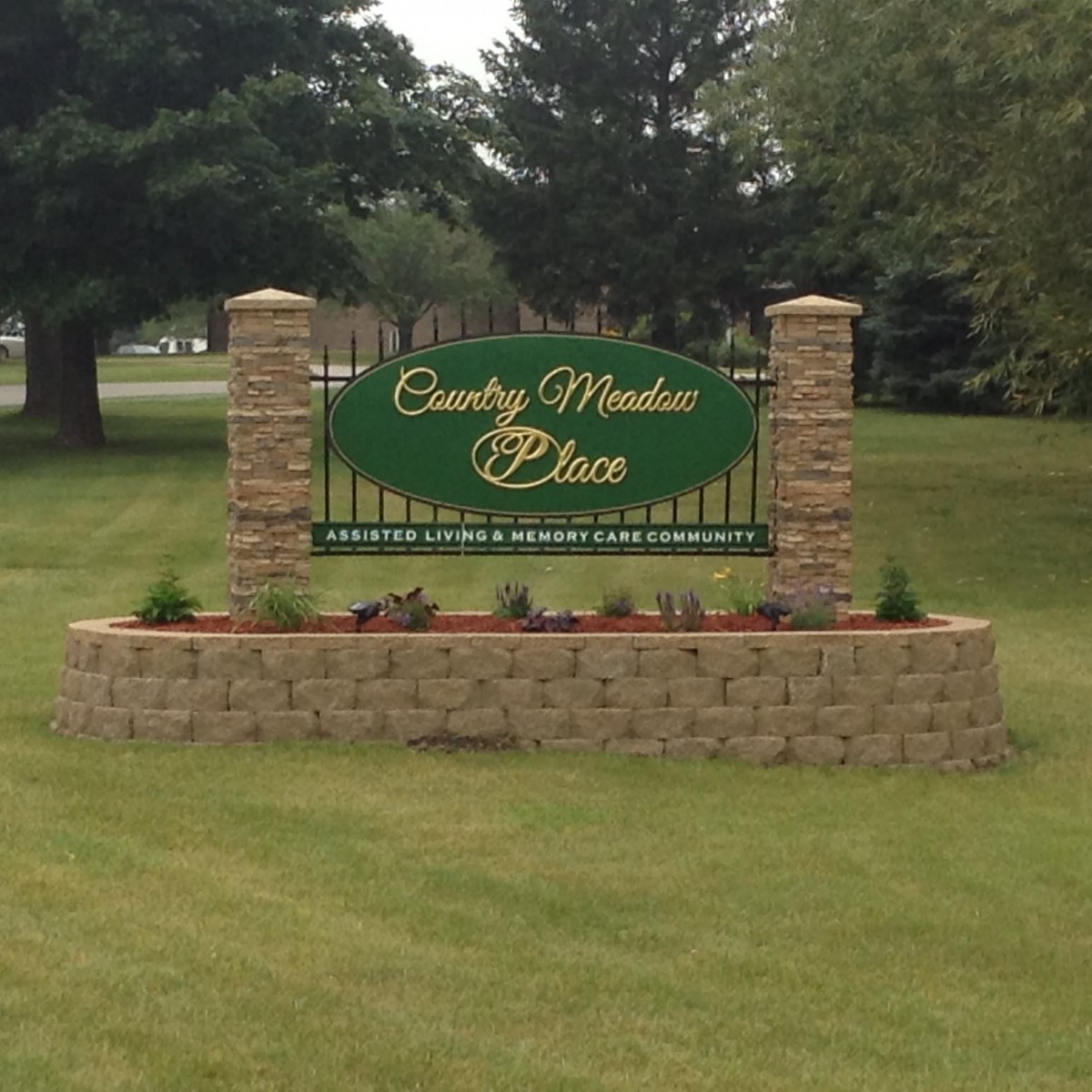
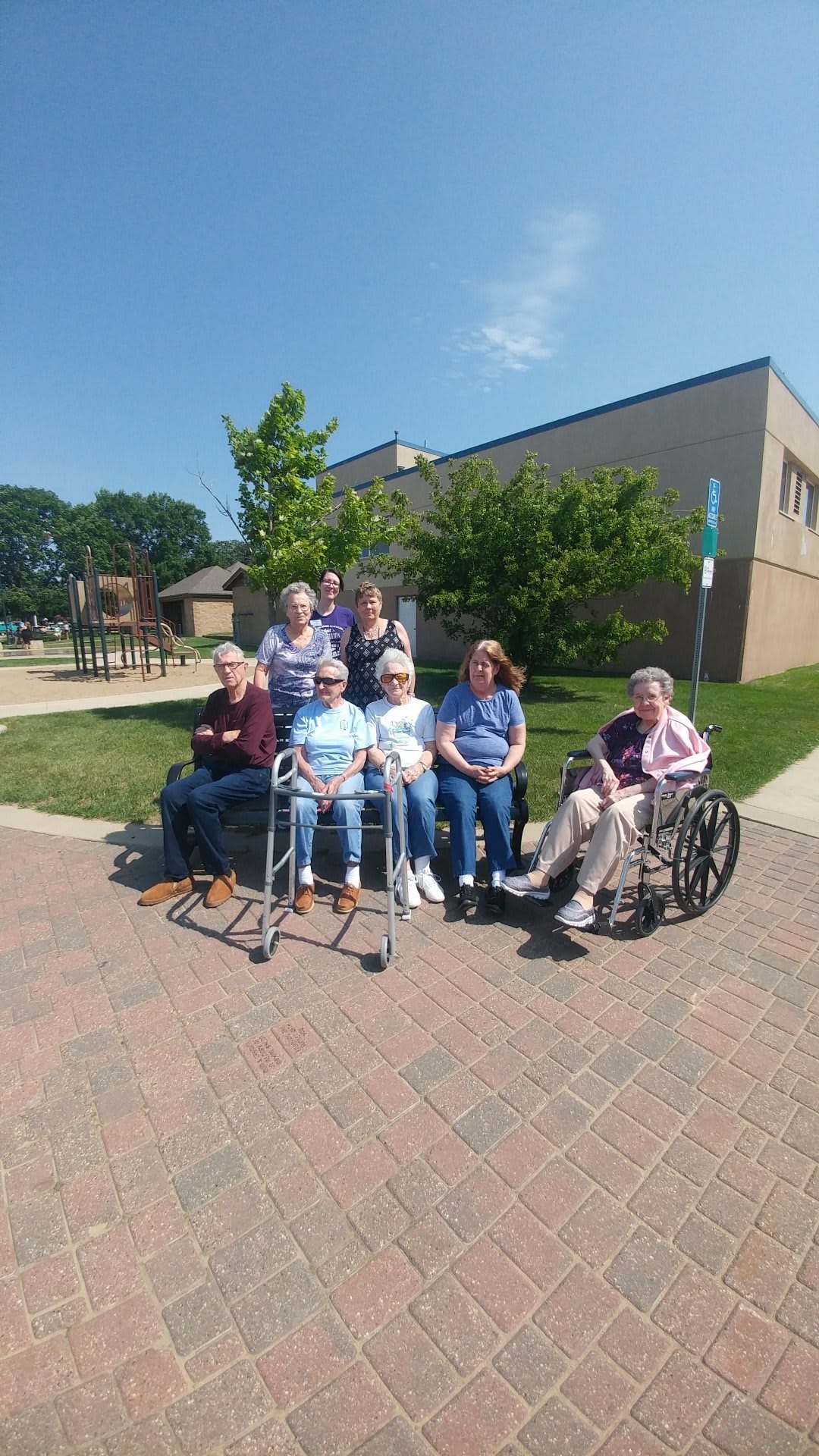
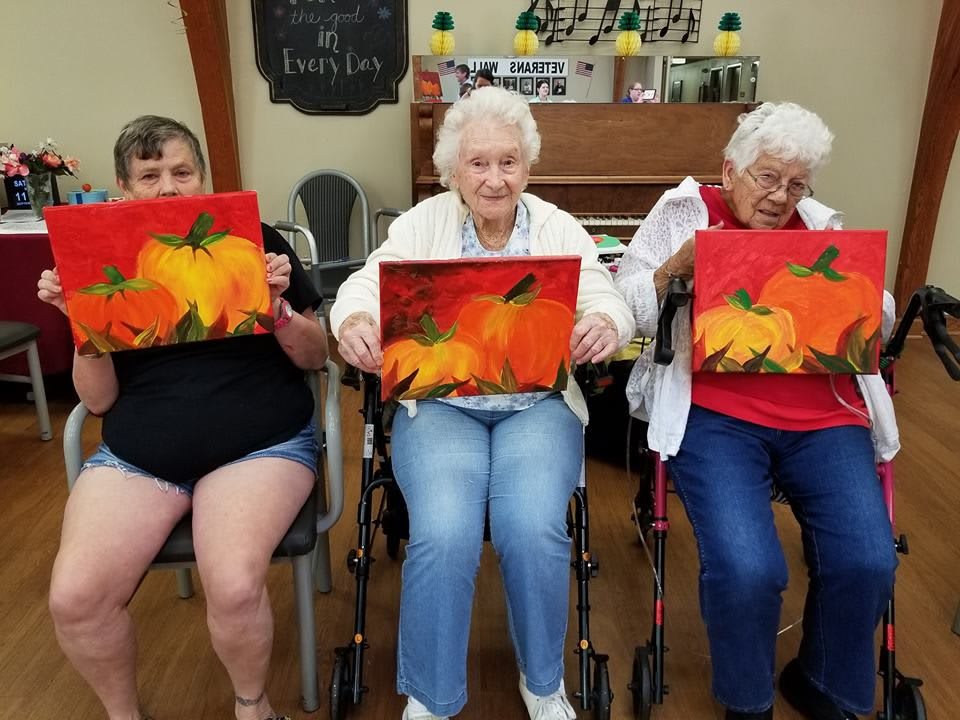
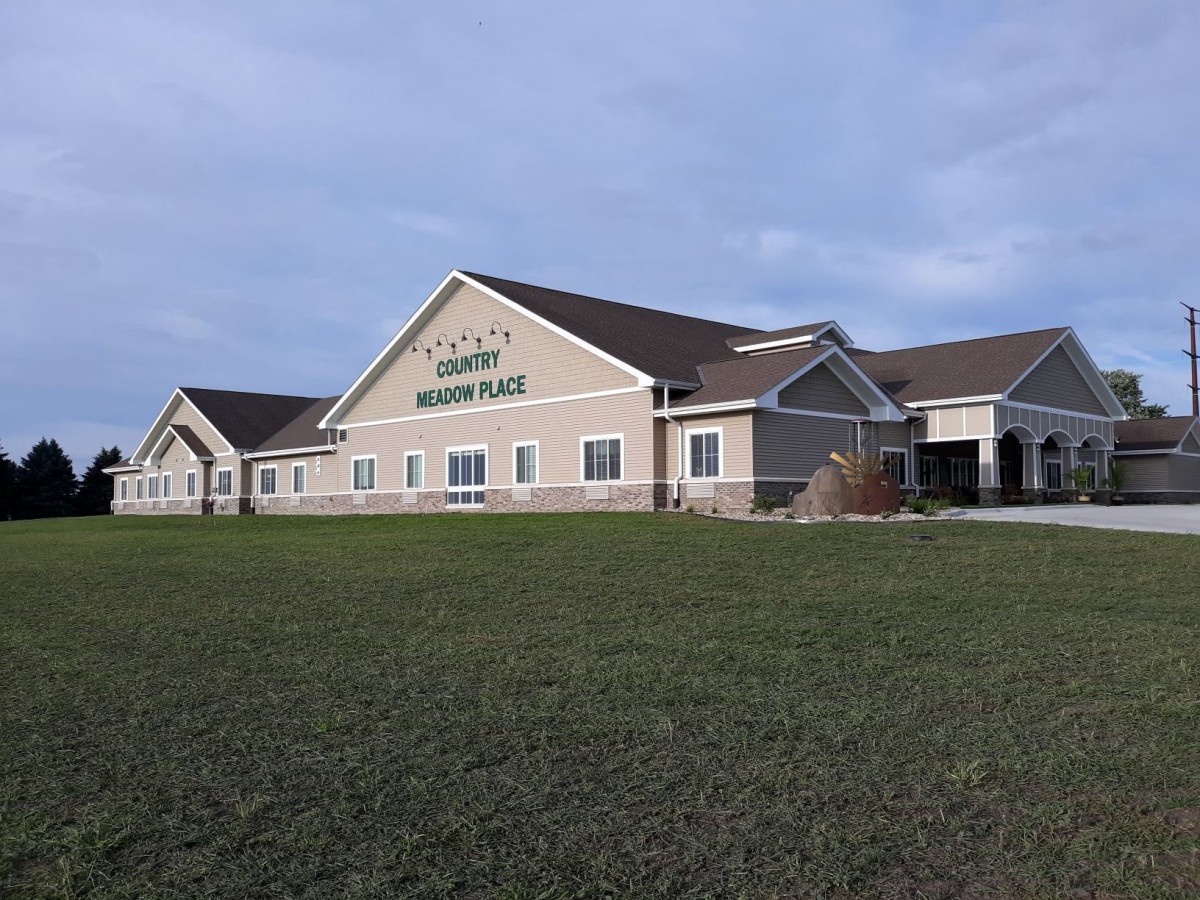
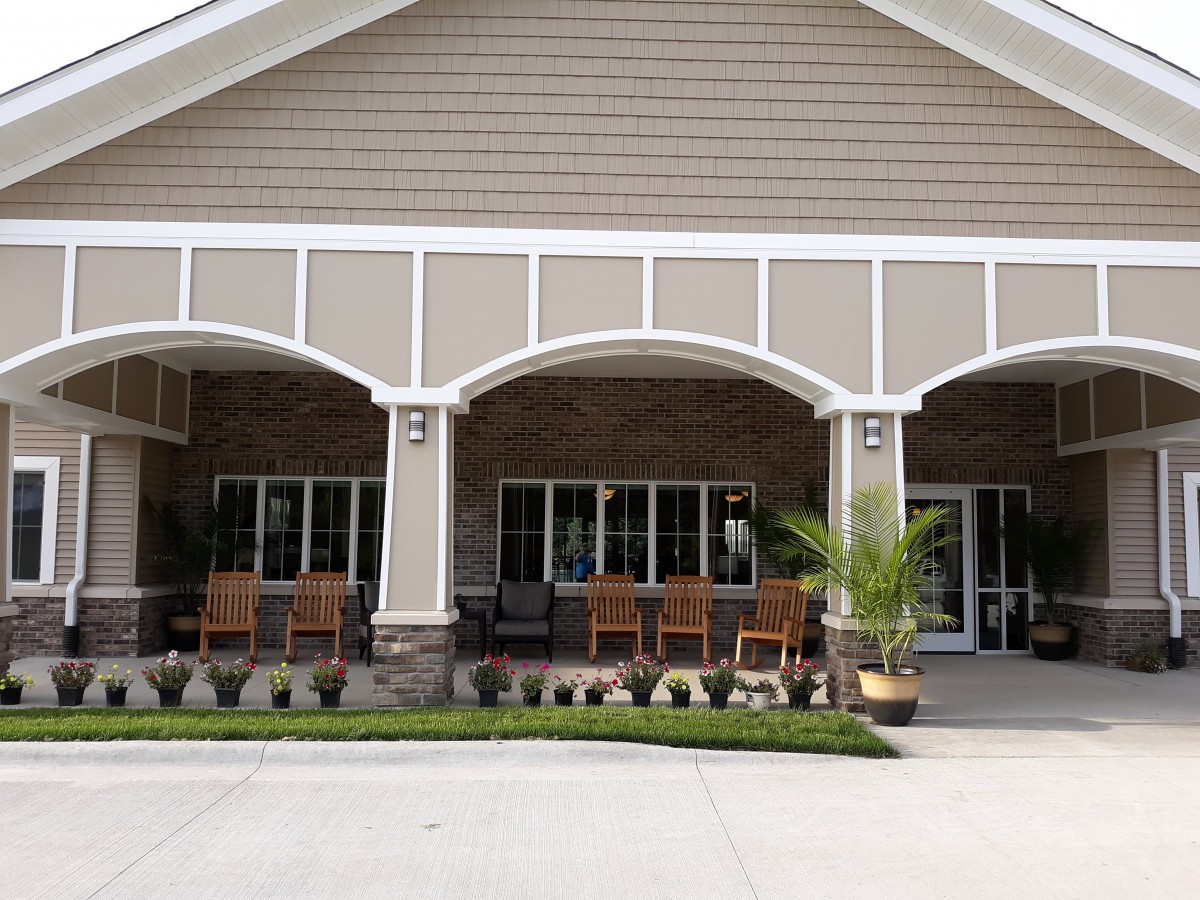
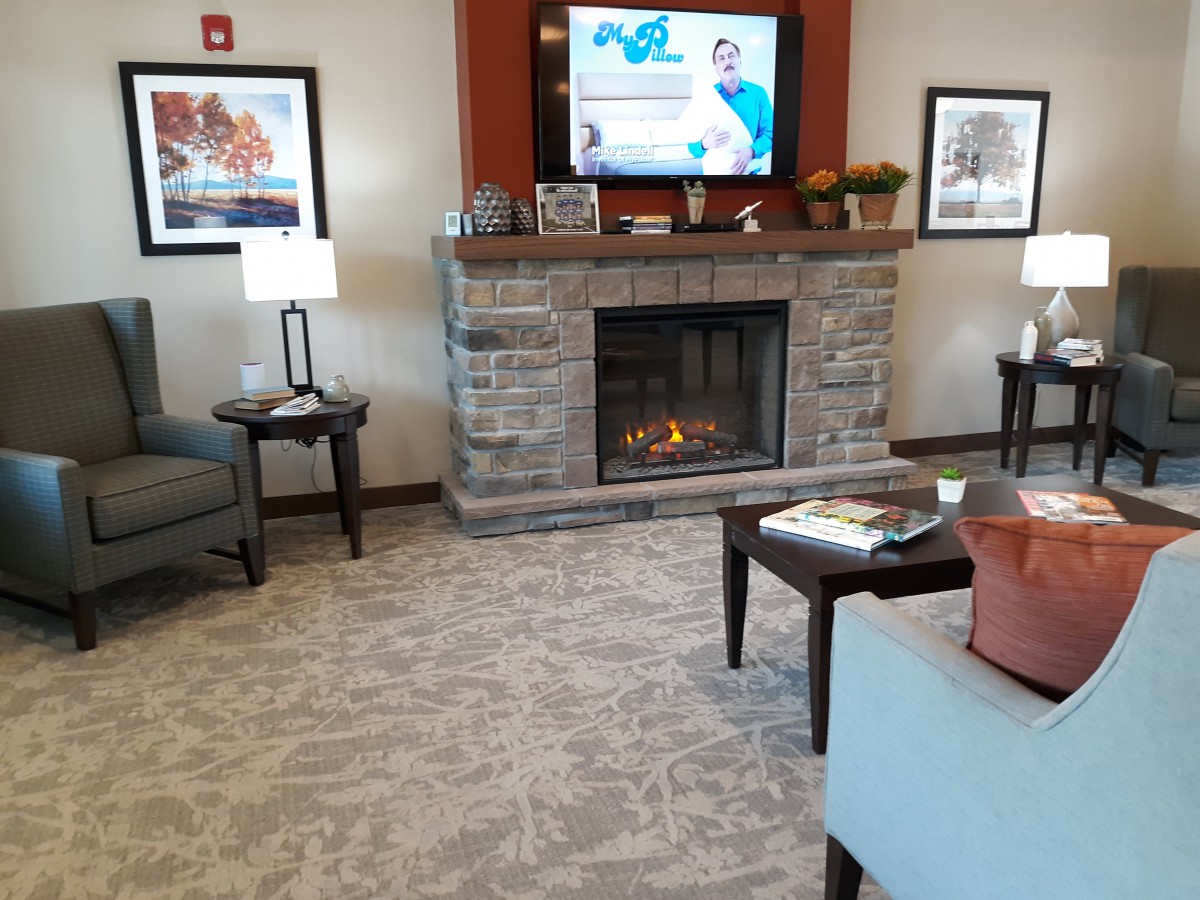
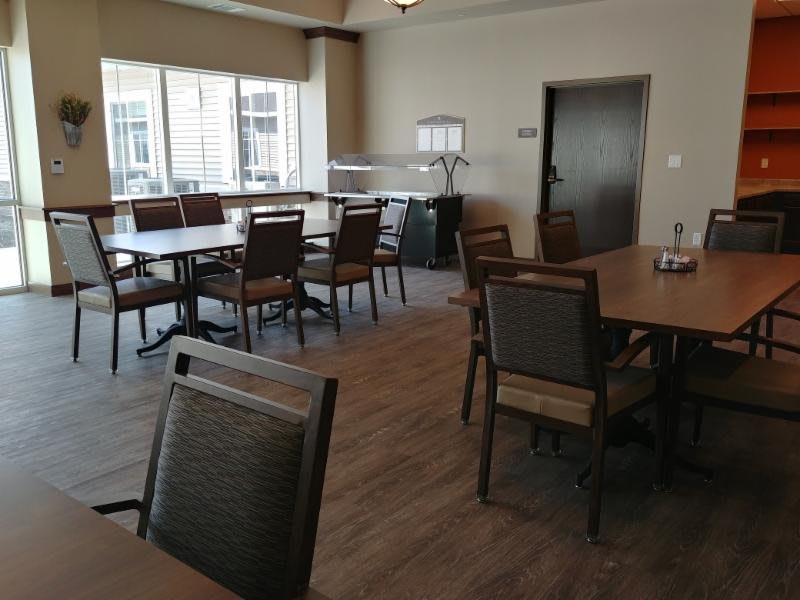
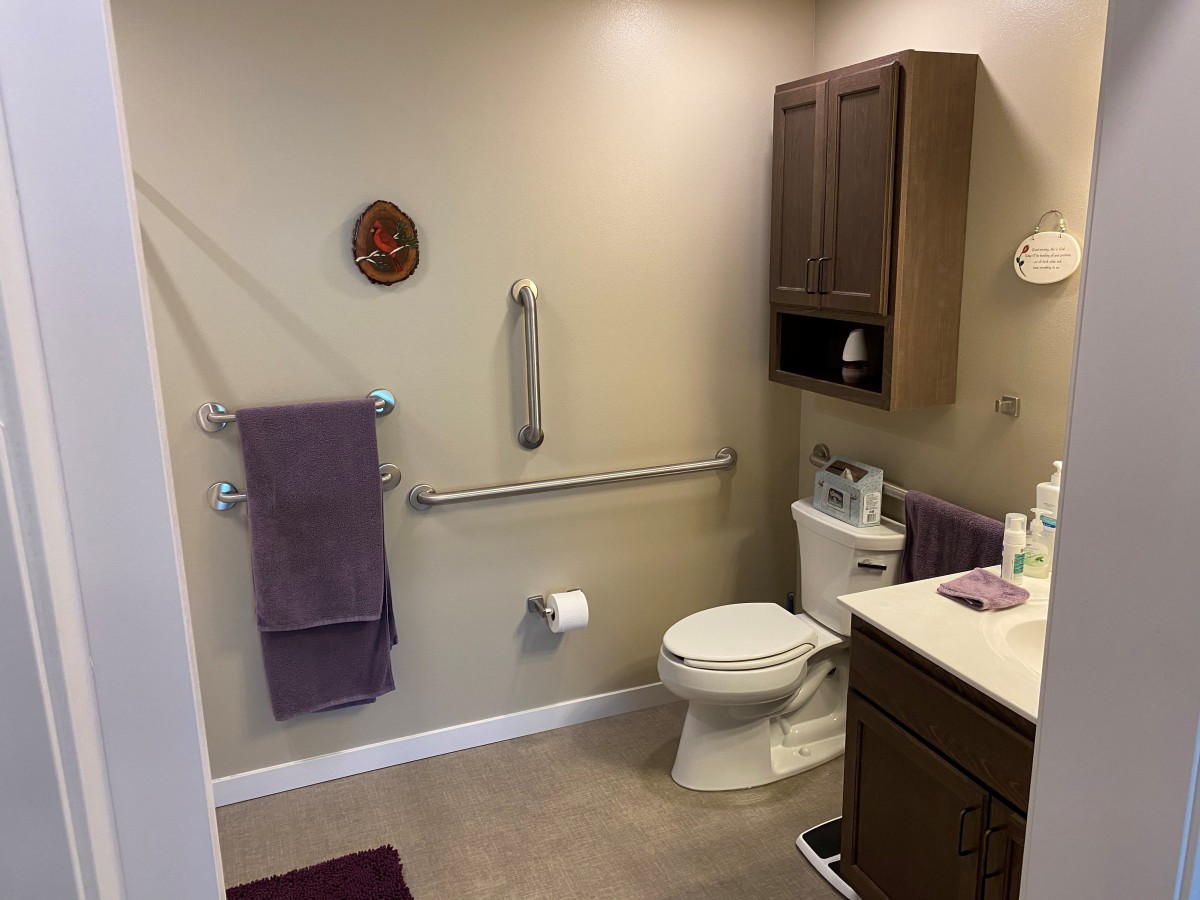
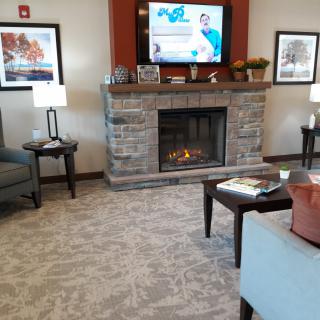
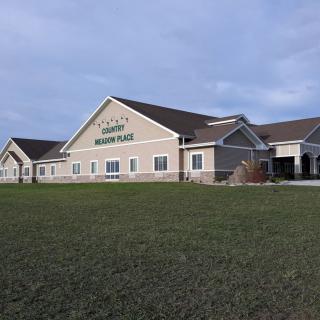
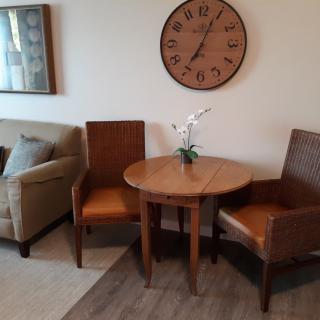
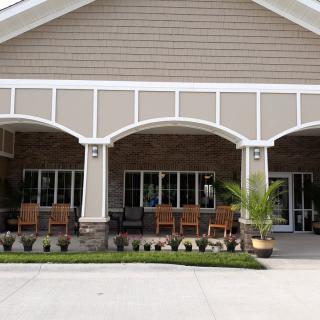
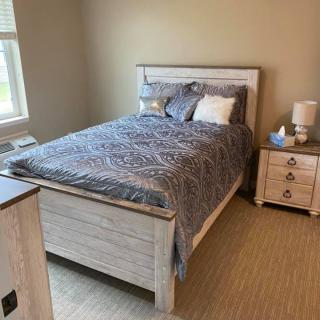
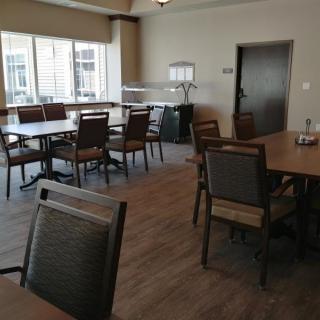
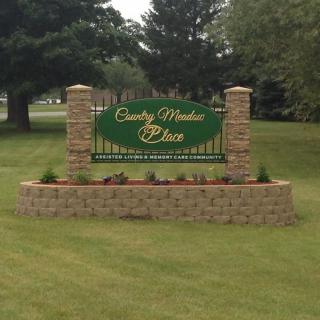
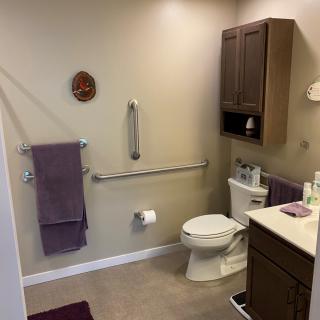
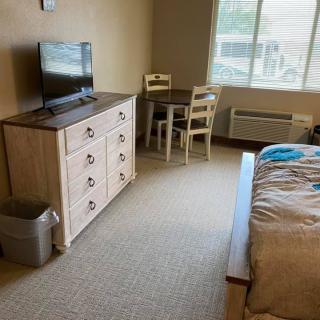
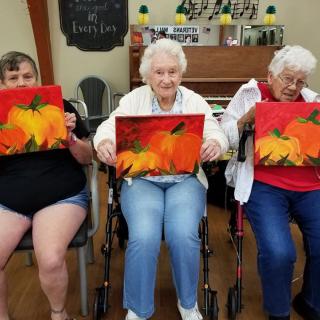
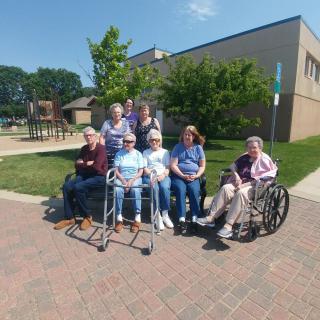
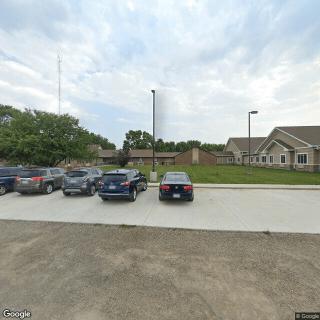
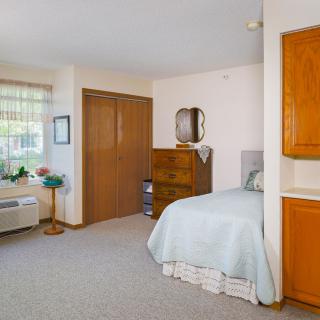
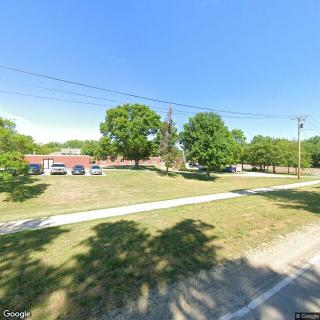
Country Meadow Place Assisted Living and Memory Care Community on seniors.fyi includes 17 photos including images showing bedroom, interior, bathroom, architecture, outdoors, living room, decor, windows, and more.
Nearby Communities
Country Meadow Place
Mason City, IA
4.7 from 43 reviews
Friendly staff in a clean, engaging community with diverse activities.
Mercyone North Iowa Medical Services
Mason City, IA
3.1 from 9 reviews
Small, intimate 22-bed community with personalized 24/7 care.
Homestead of Mason City
Mason City, IA
4.5 from 35 reviews
$4,785 / month
Intimate, resident-focused environment with responsive staff and a welcoming atmosphere.
USA Healthcare Mason City
Mason City, IA
3.7 from 29 reviews
Diabetic care support and welcoming indoor common areas for socializing.
Iowa Odd Fellows & Orphans Hm
Mason City, IA
4 from 12 reviews
Comprehensive care with diabetes support, 24/7 supervision, and rich on-site activities.
Grant Village
Mason City, IA
3.7 from 9 reviews
$590 / month
Very affordable $590/mo with comprehensive activities and wheelchair accessibility.
Kentucky Ridge
Mason City, IA
3.6 from 5 reviews
Amenities-rich facility with 1- and 2-bedroom apartments and comprehensive care services.
Mills Harbour & Lake Mills Care Center
Lake Mills, IA
$851 to $5,715 / month
Very affordable studio and 1?bedroom rates relative to county/state averages; multiple care levels offered on-site.
Faith Home Assisted Living
Osage, IA
Intimate 28-bed community with furnished apartments, 24/7 supervision, ADL support, and restaurant-style dining.
Dementia leads to cognitive impairment and can cause emotional and behavioral changes, including aggression that arises from frustration, confusion, or fear. Effective coping strategies for caregivers include understanding dementia's nature, recognizing triggers, using empathetic communication, and employing non-pharmacological interventions like music and art therapy.
Dementia causes cognitive decline and challenging behaviors that caregivers must manage, necessitating an understanding of the neurological basis of these issues. Effective strategies and self-care for caregivers can enhance support for those with dementia and improve their daily lives.
The content outlines five key early indicators of dementia, including significant memory loss and confusion about time and place, while emphasizing the need for professional evaluation and emotional support for both individuals showing symptoms and their caregivers. It encourages family members to monitor these signs closely and use online quizzes for initial awareness.
Country Meadow Place Assisted Living and Memory Care Community photos
×
Interior
Outdoors
Decor
Living Room
Building
Bedroom
Windows
Landscaping
Bathroom
Television
Painting
Park
Paintings
Parking
Interior
Decor
Bedroom
Living Room
Landscaping
Windows
Floor Plan, Kitchen, and Design
Building
Architecture
Bathroom
Television
Fireplace and Seating Area
Outdoors
Exterior and Porch
Wall Art
Painting and Art
Parking
Park
Wheelchair
Grab Bars and Accessibility
Meeting Space
Brick Building
Paintings
Get PricingAsk A QuestionSchedule A TourContact Senior Advisor
By clicking submit, you agree to our Partner's Terms of Use. You
also consent to receive calls and texts, which may be autodialed, from our Partner. Your consent is not a condition to
using our Partner's service. Please visit our Partner's Privacy Policy for information about their privacy practices.




 Assisted Living
 Memory Care
 Cats allowed
 Dogs allowed
 Activities off-site
 Air-conditioning
 Bath tubs
 Beautician on-site
 Cable or satellite TV
 Devotional services off-site
 Garden view
 Ground floor units
 Handicap accessible
 Indoor common areas
 Kitchenette
 Outdoor common areas
 Respite or short term stays offered
 Wheelchair accessible showers
 Wi-Fi/high-speed internet available
 Ambulatory care
 Diabetic care
 High acuity care
 Incontinence care
 Medication management
 Anytime dining
 Art classes
 Catholic services
 Cooking classes
 Day trips and outings
 Educational speakers / life long learning
 Happy hour
 Karaoke
 Live dance or theater performances
 Live musical performances
 Live well programs
 Wine tasting
 Friendly staff in a clean, engaging community with diverse activities.
 When Dementia Sparks Anger and Aggression: Understanding the Connection and Ways to Cope
 Dementia Behaviors: In-Depth Understanding and Effective Coping Strategies
 5 Early Indicators of Dementia and What You Can Do