
1177 7th Street SW, Dyersville, IA 52040
To contact a resident: (563) 875-6323
For more information about senior living options: (866) 208-4318
Ellen Kennedy Living Center a CCRC Costs & Pricing
Ellen Kennedy Living Center, a continuing care retirement community (CCRC), offers competitive monthly rates that stand out favorably when compared to averages in Dubuque County and across Iowa. For instance, the cost of a one-bedroom unit at Ellen Kennedy is $1,020, significantly lower than the county average of $1,729 and the state average of $2,862. Similarly, their two-bedroom options are priced at $1,130, which again is more affordable than both the county's average of $2,142 and Iowa's statewide average of $3,329. Even for studio apartments, while Ellen's rate of $2,762 is higher than their one- and two-bedroom offerings, it remains close to the county average of $2,687 but notably less than the state average of $3,613. This pricing structure not only emphasizes the value provided by Ellen Kennedy Living Center but also highlights its commitment to offering accessible living arrangements for retirees seeking comfort and community without financial strain.
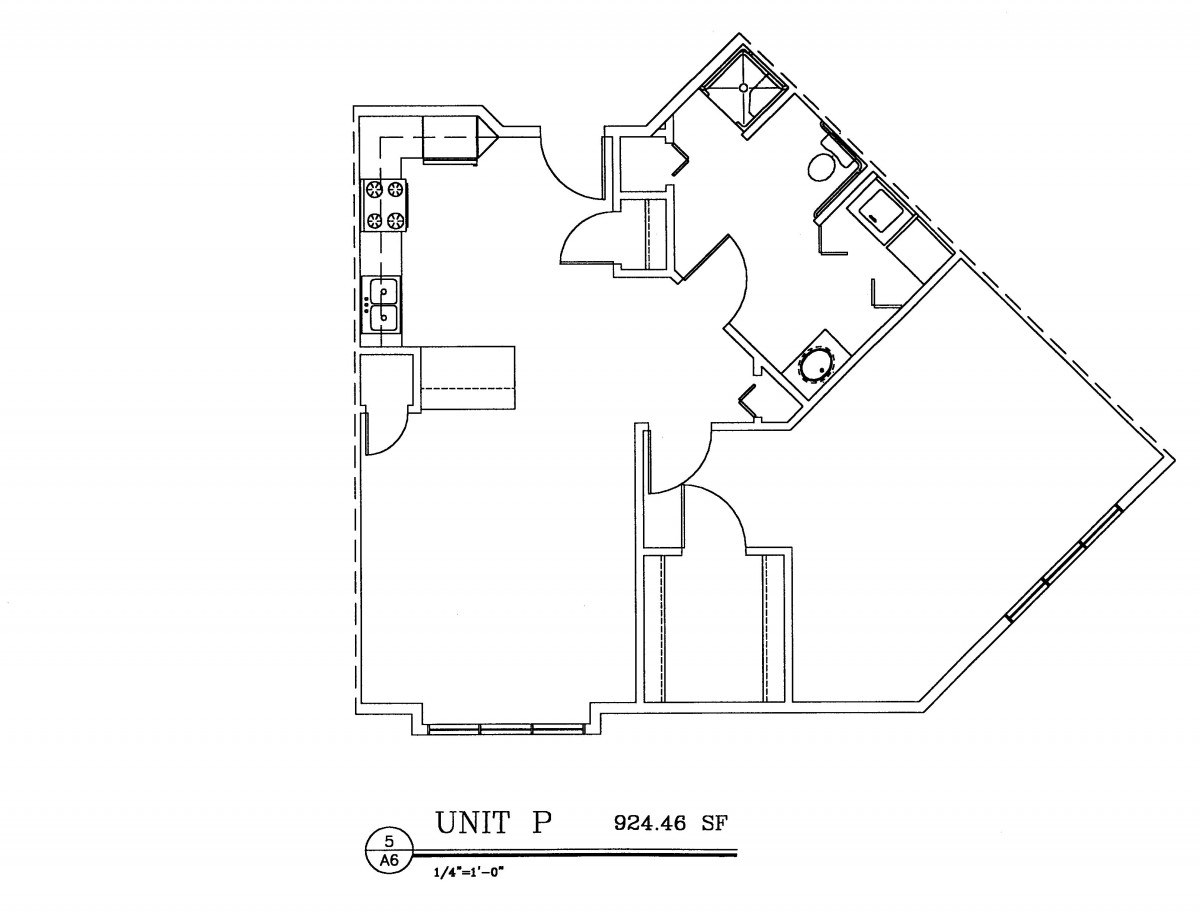
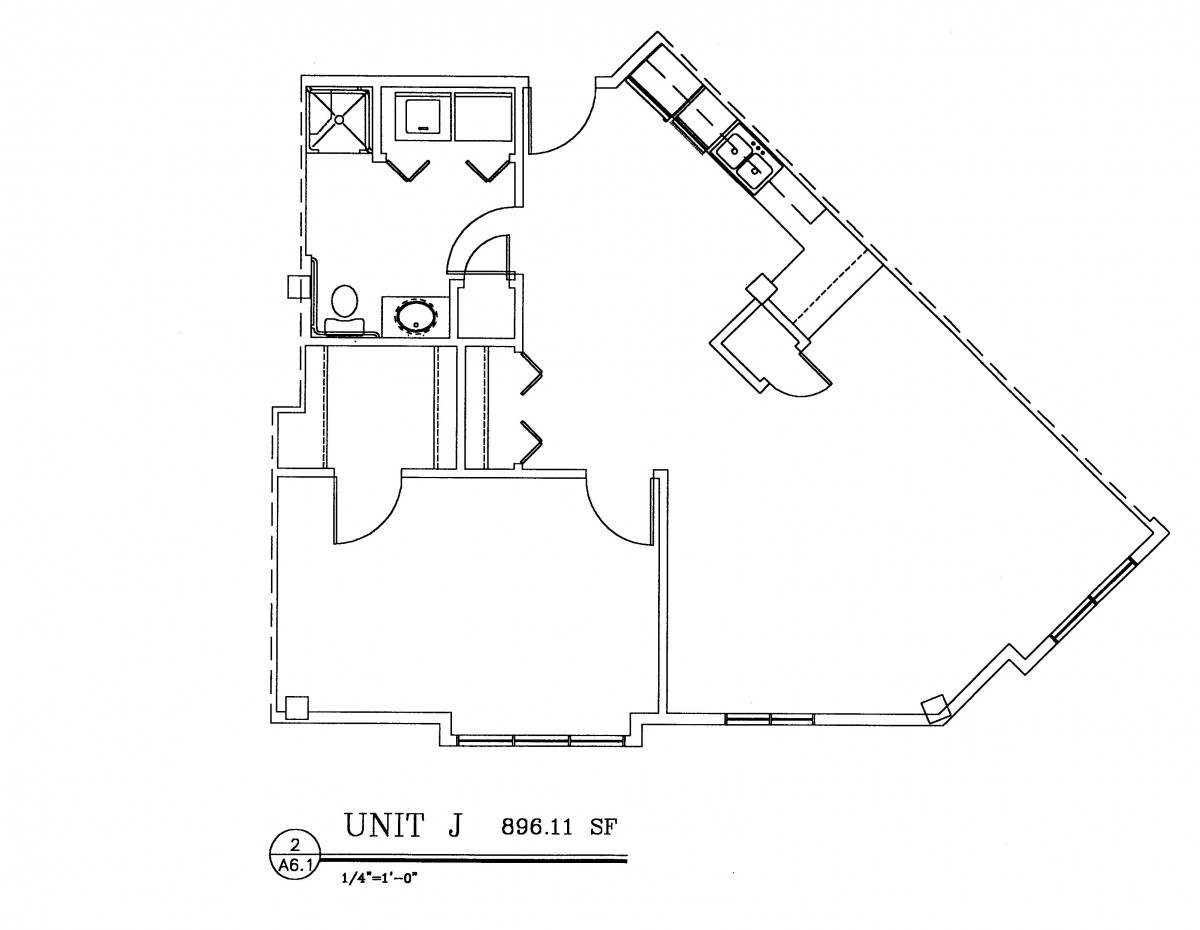
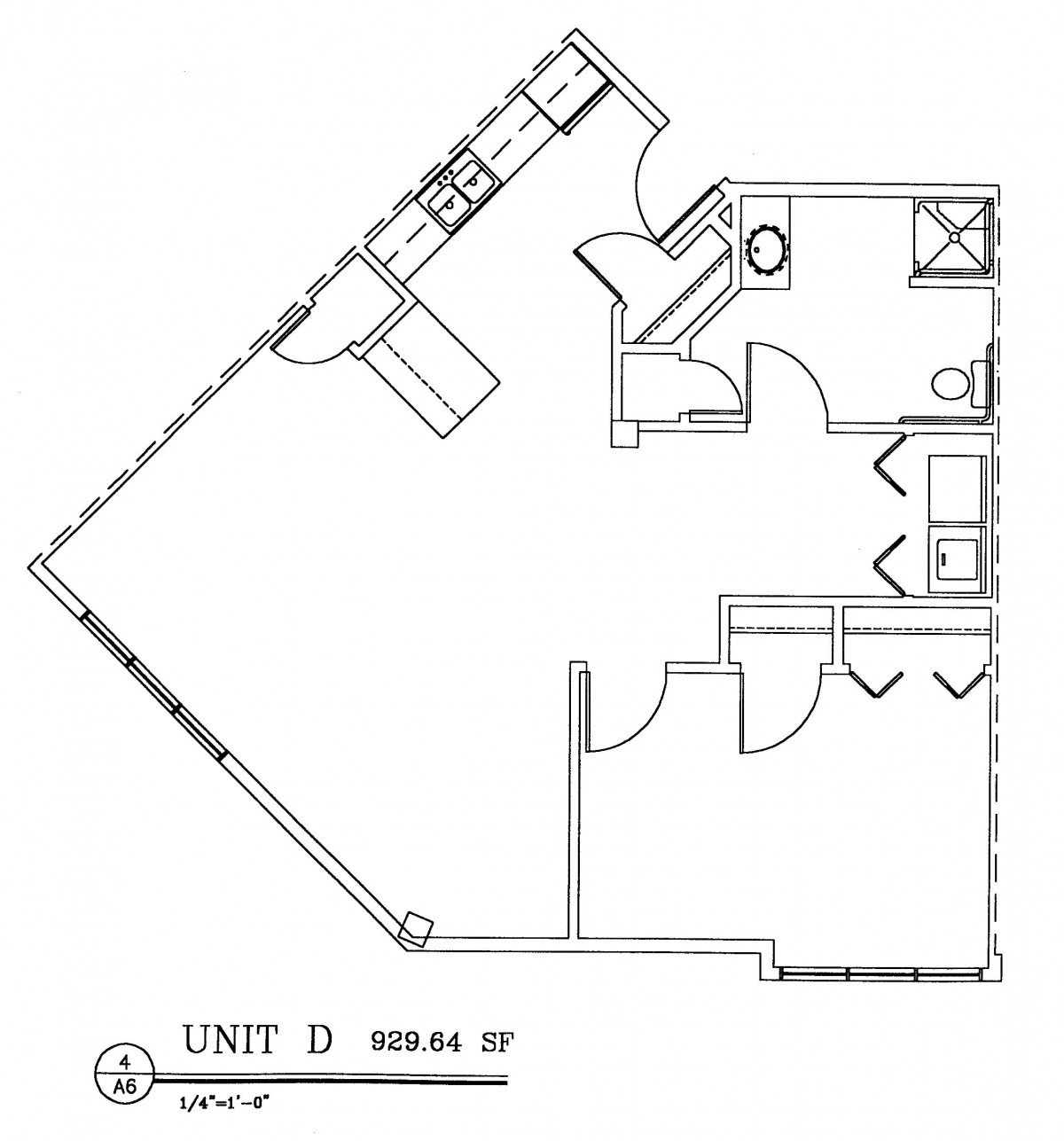
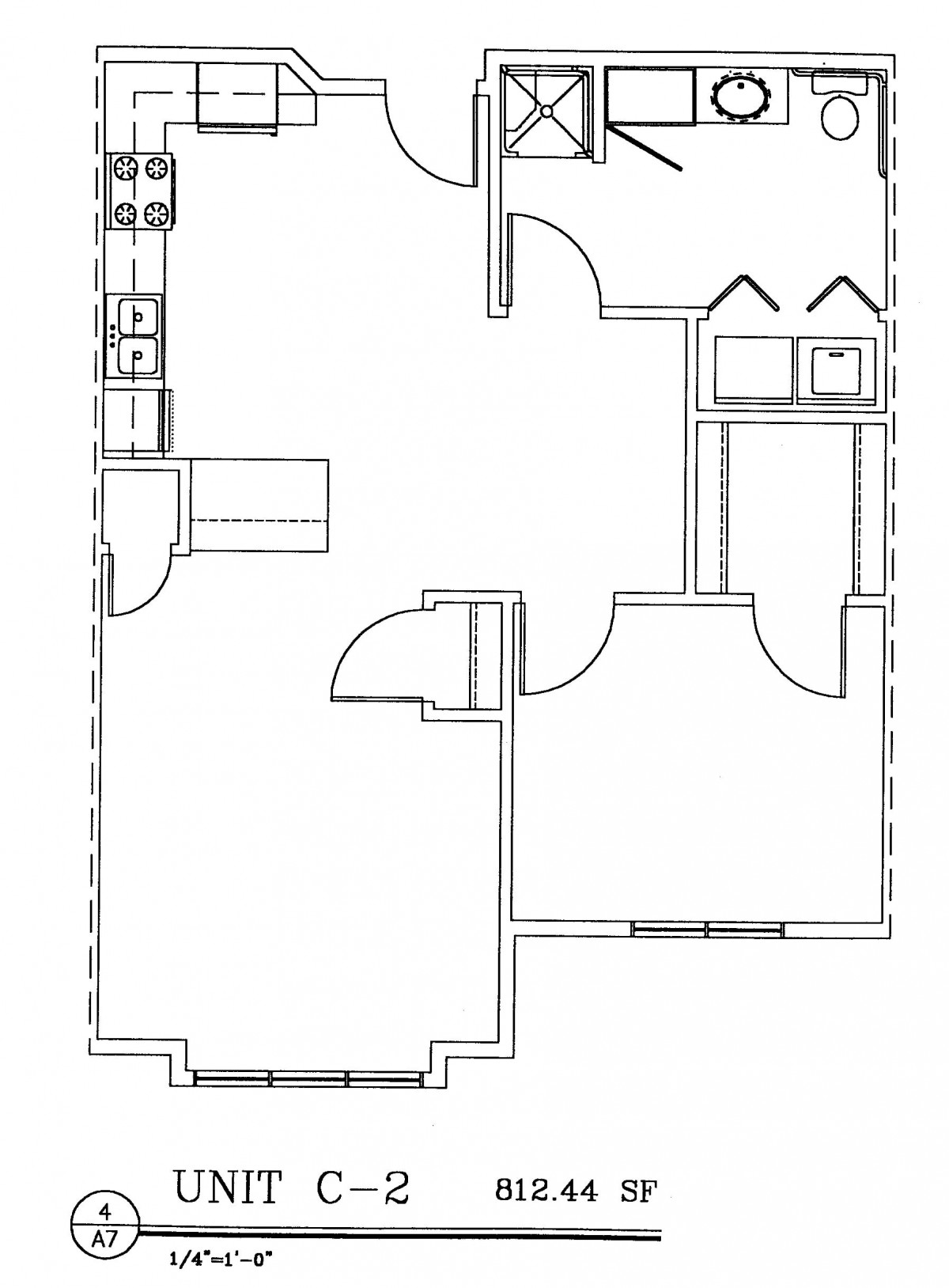
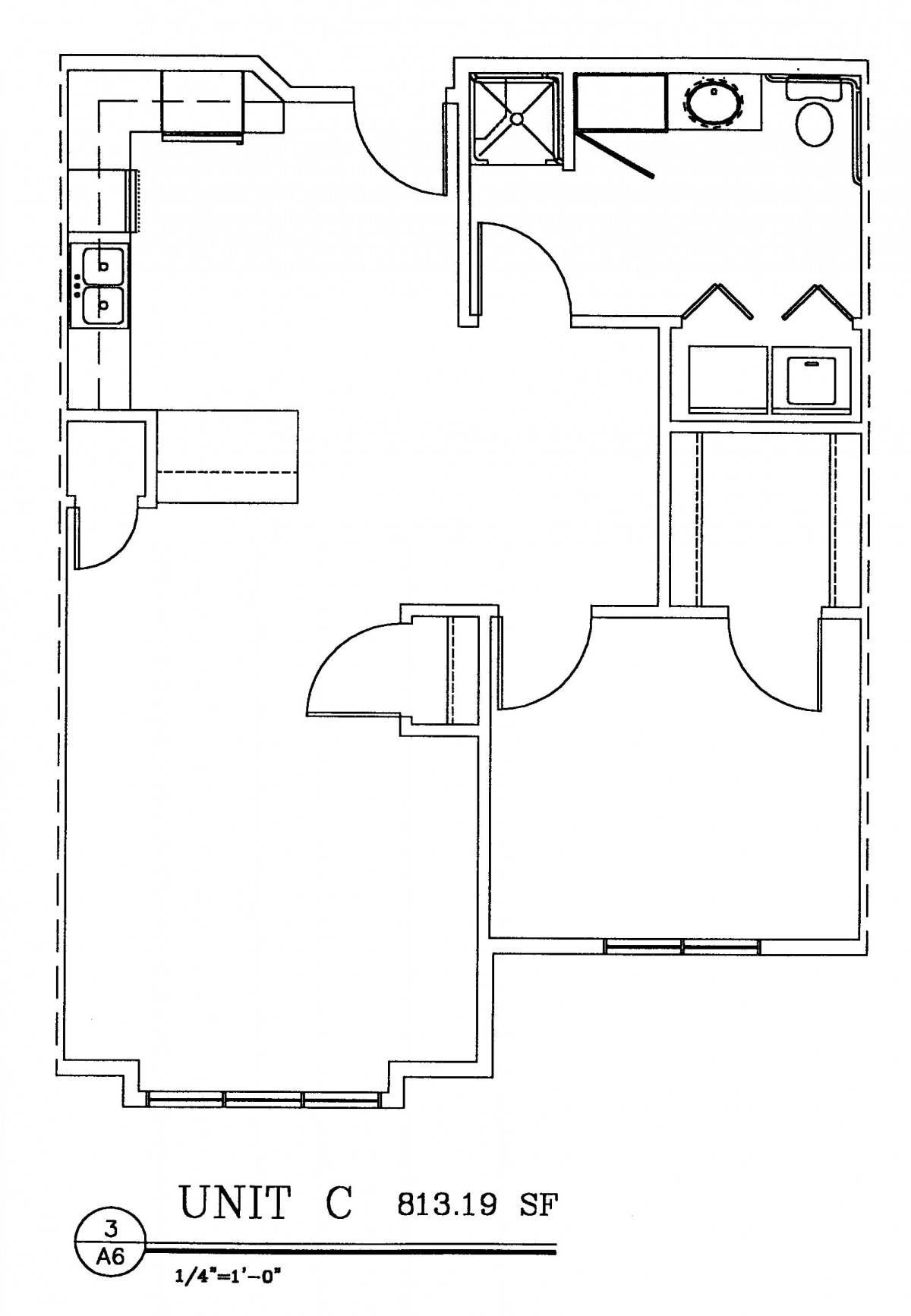
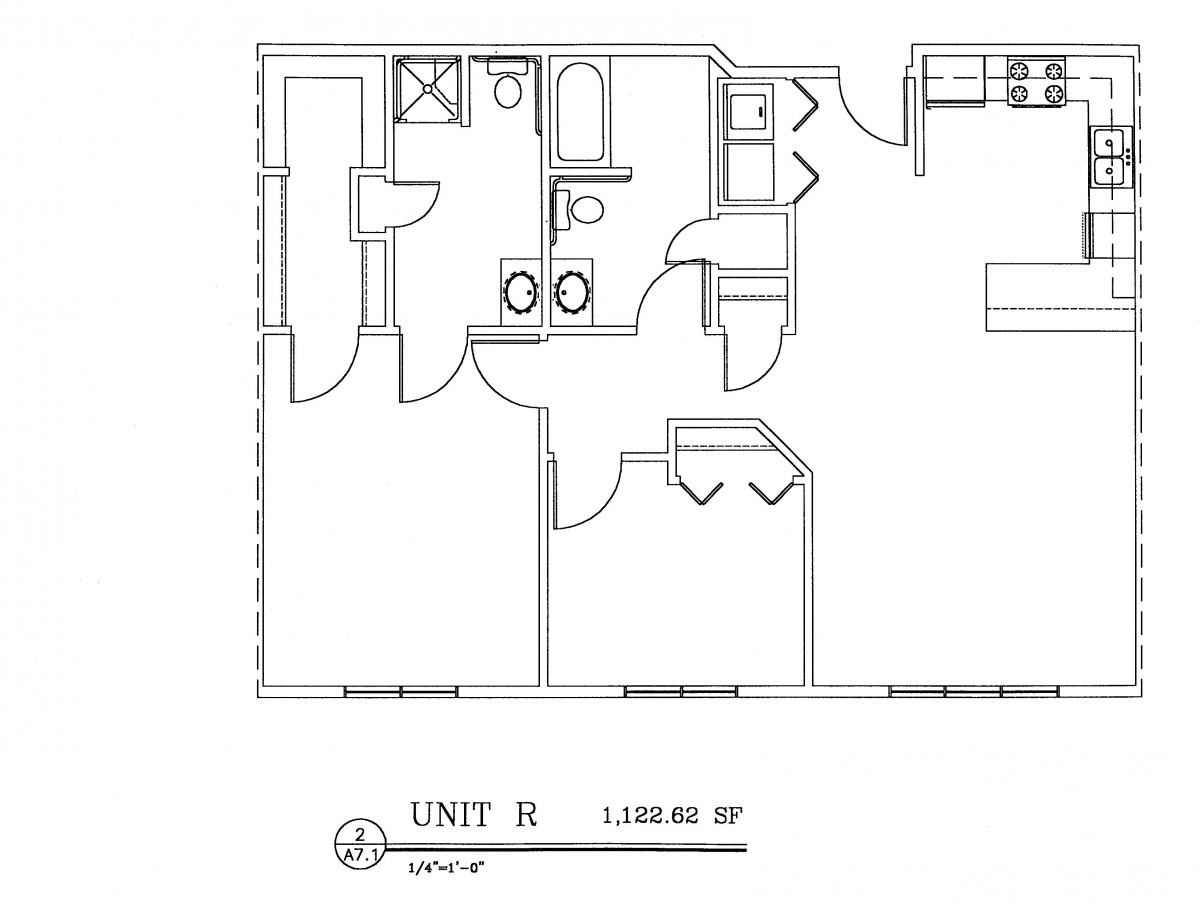
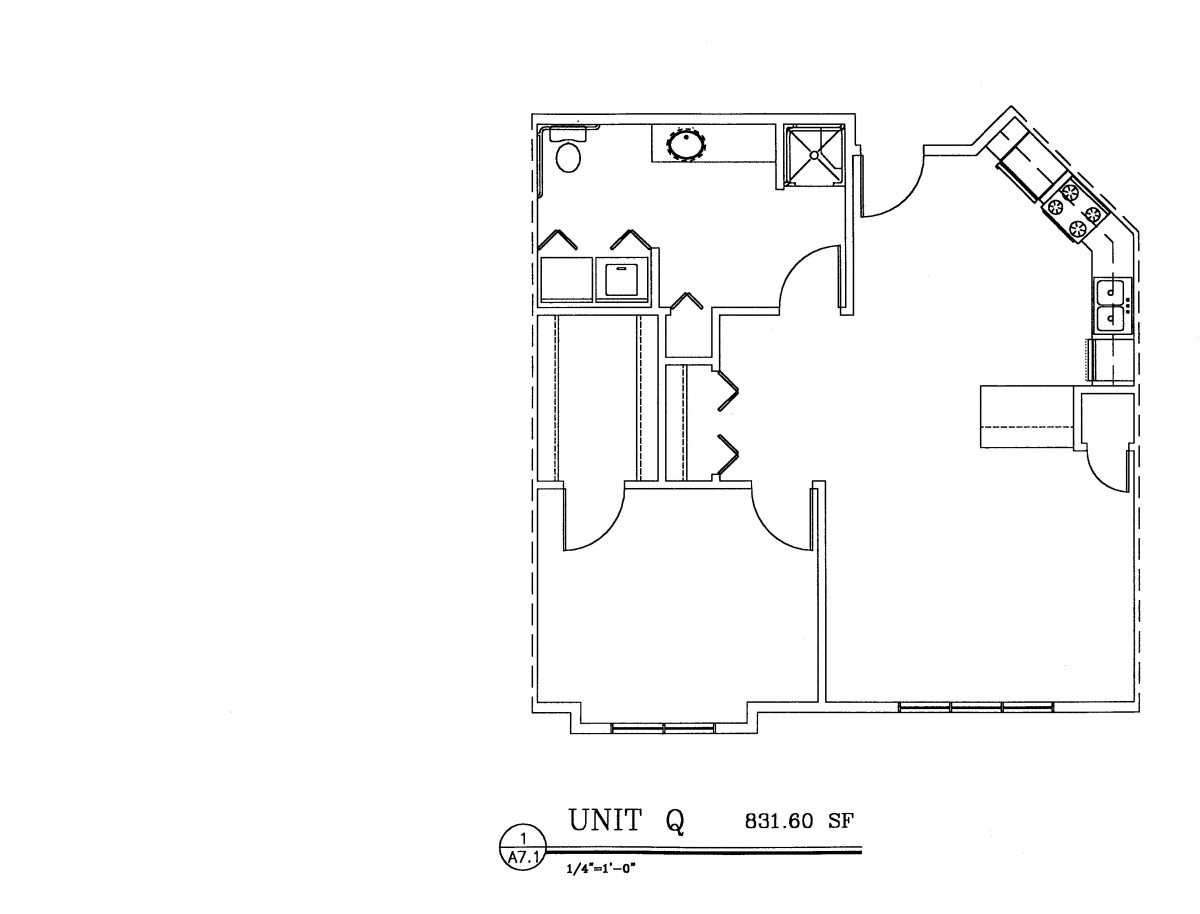
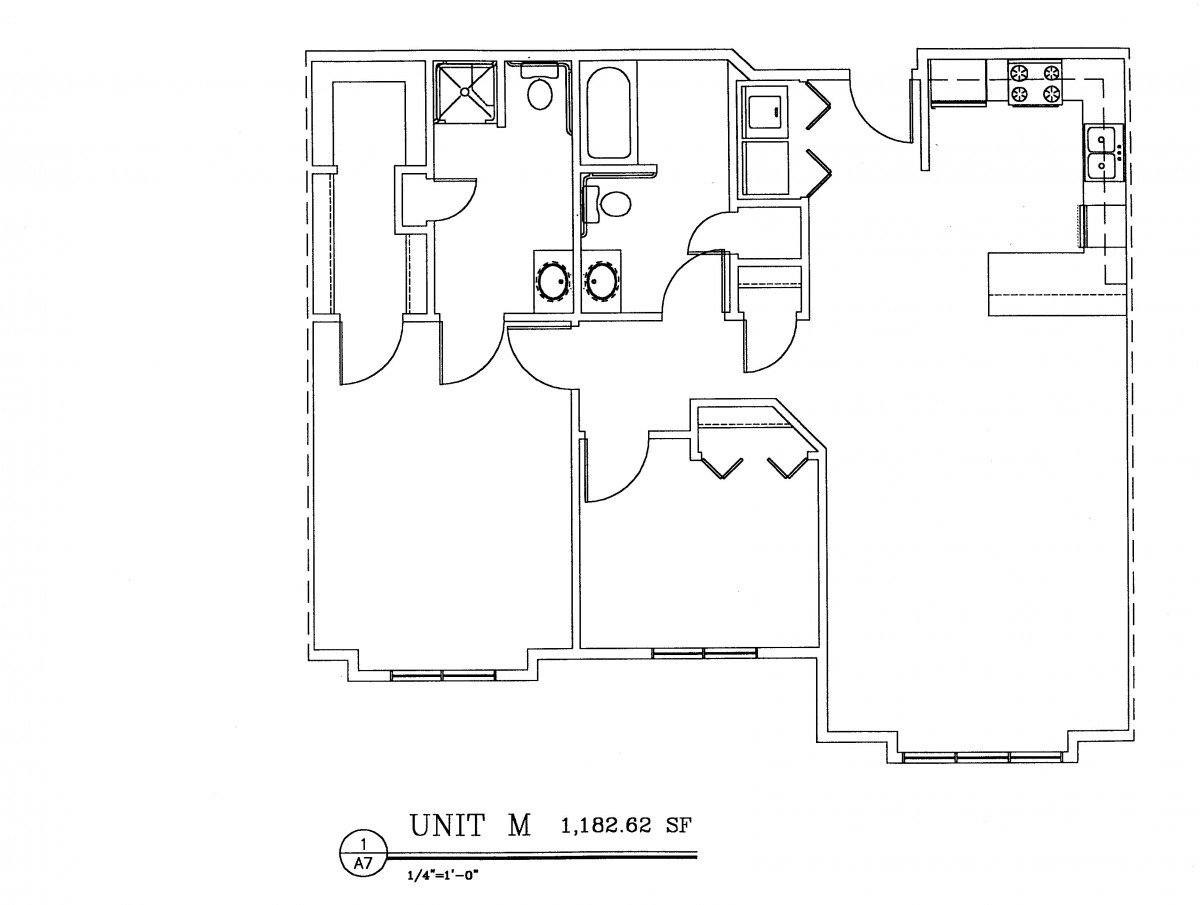
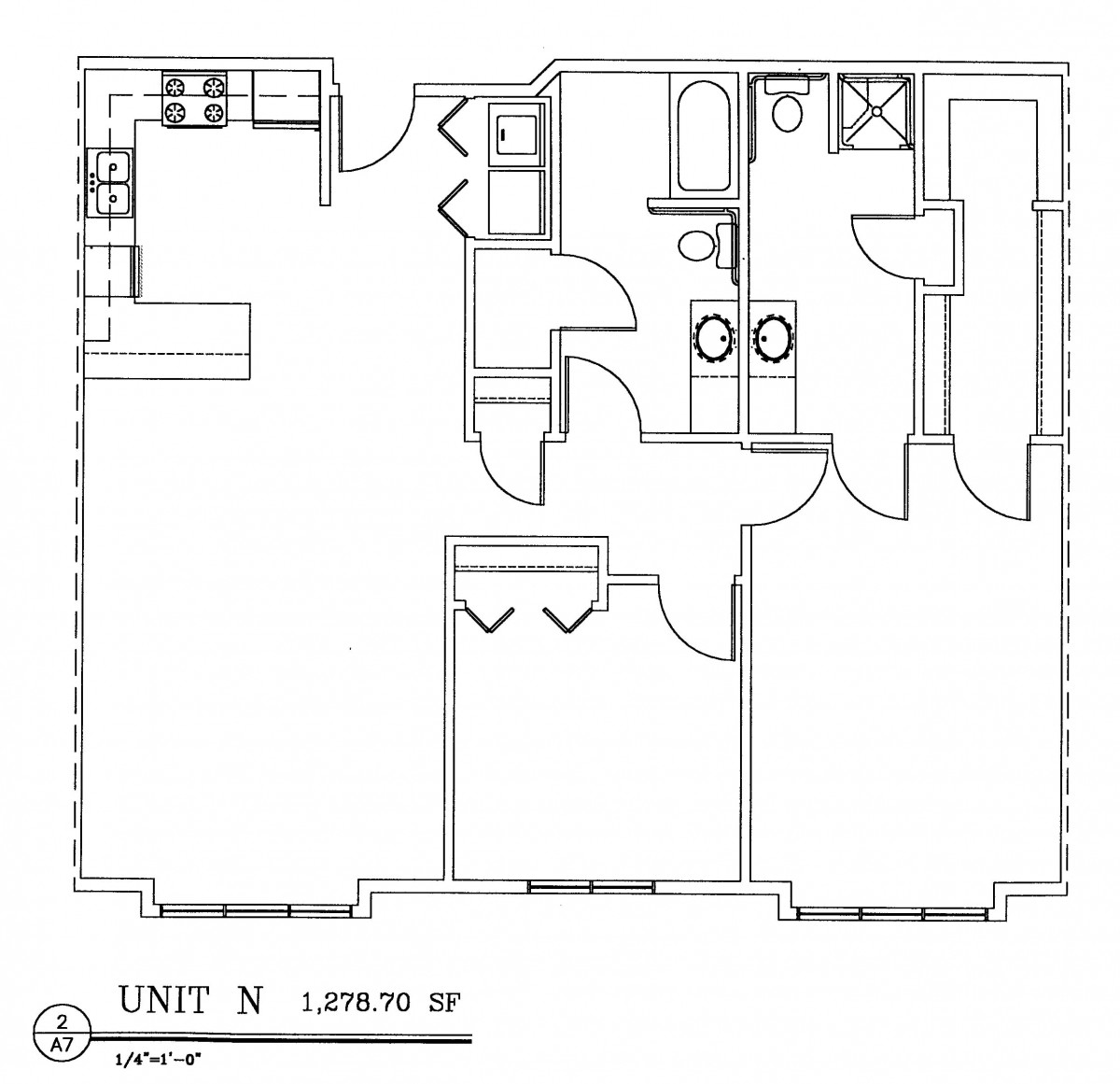
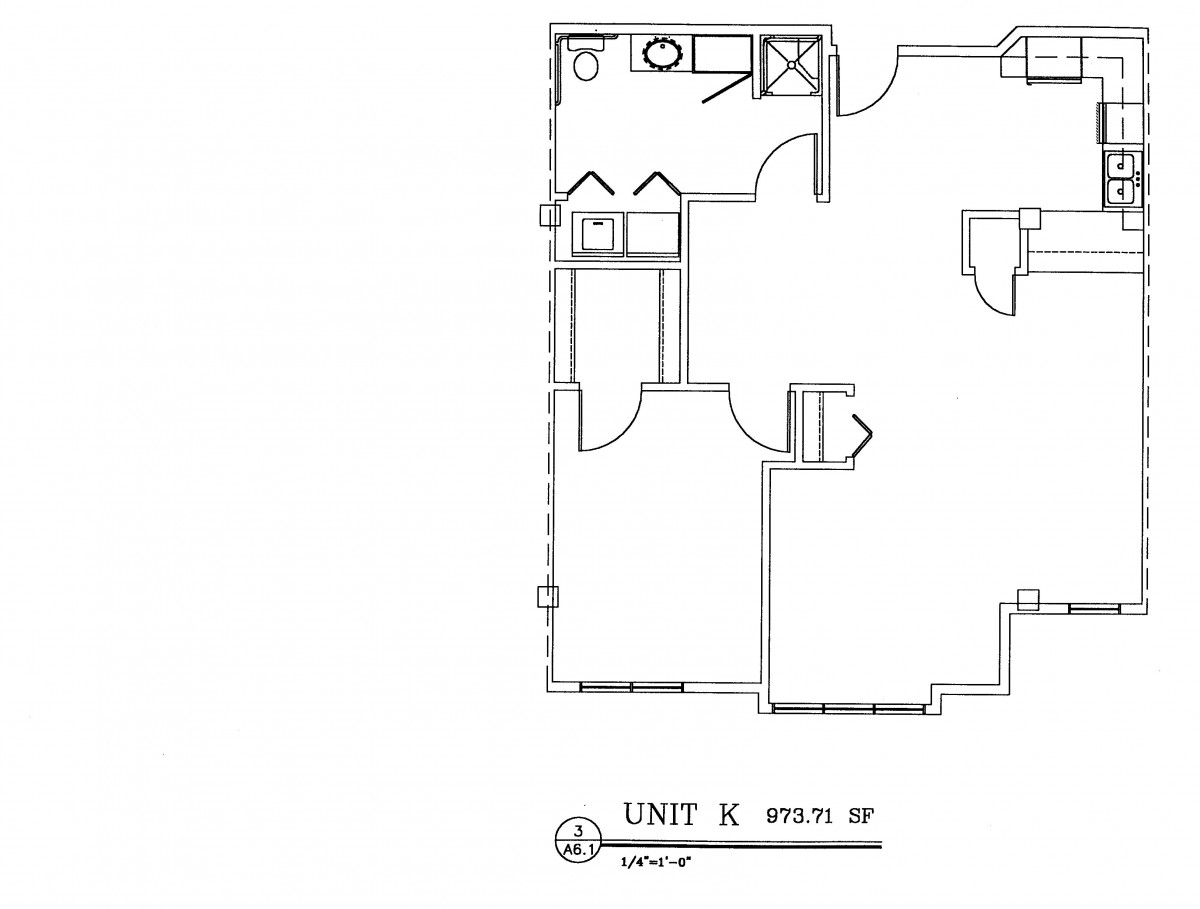
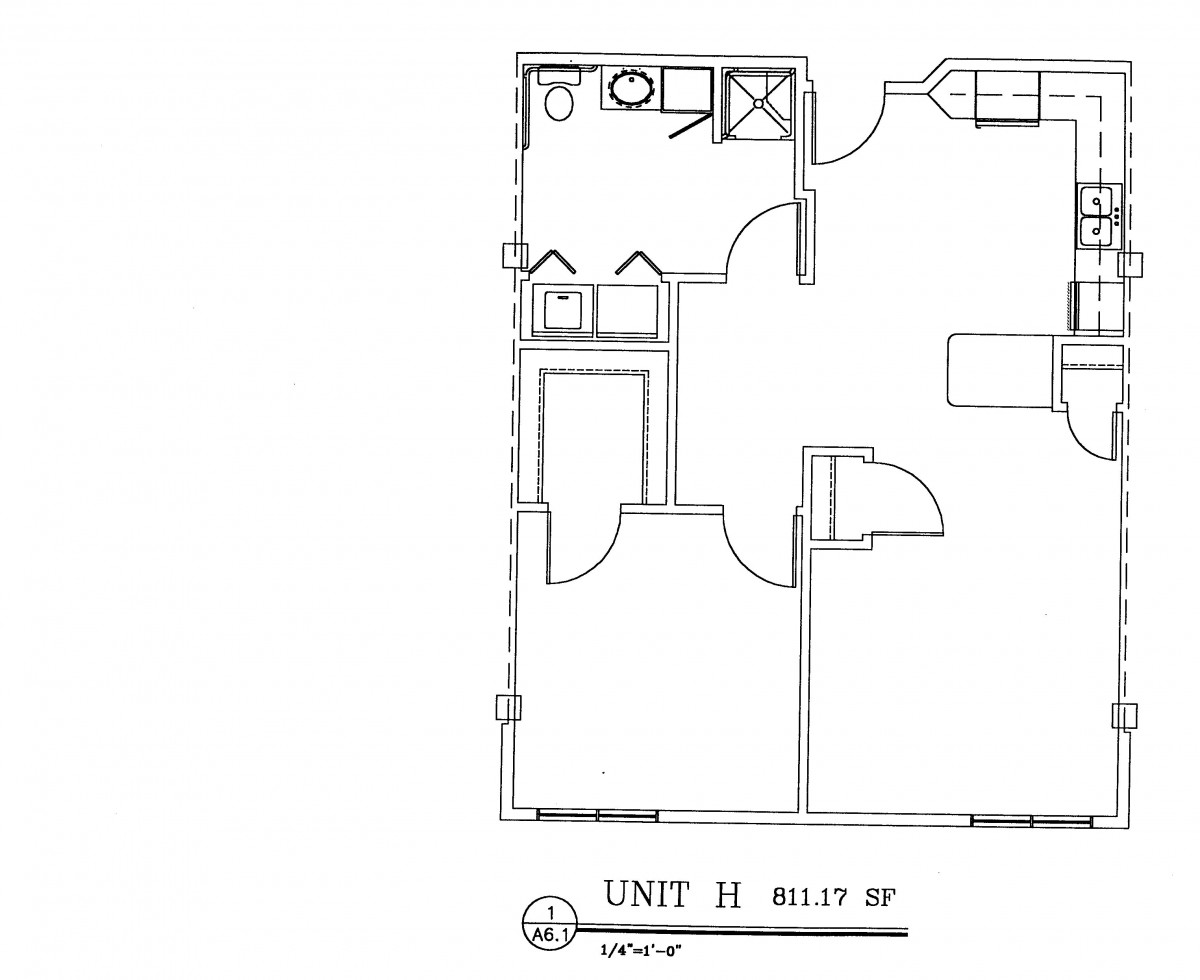
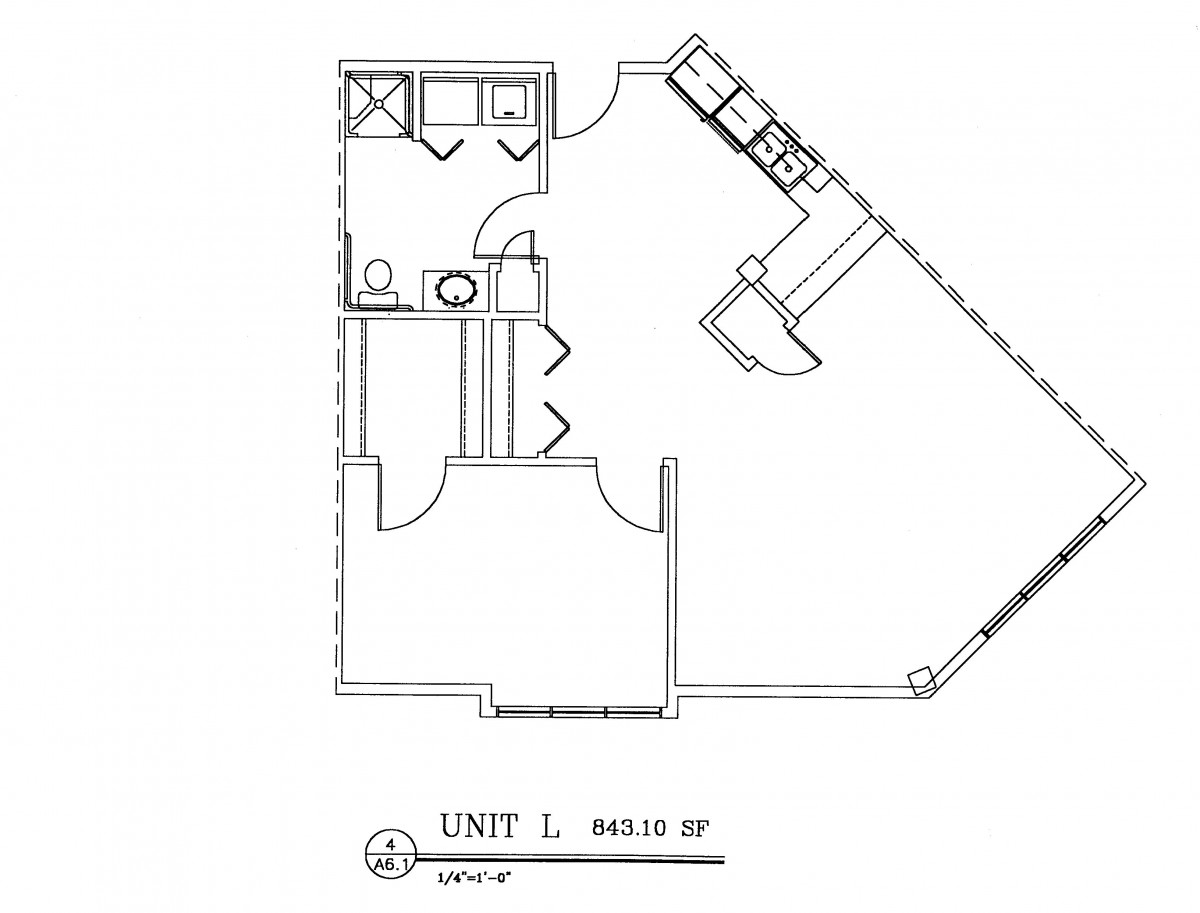
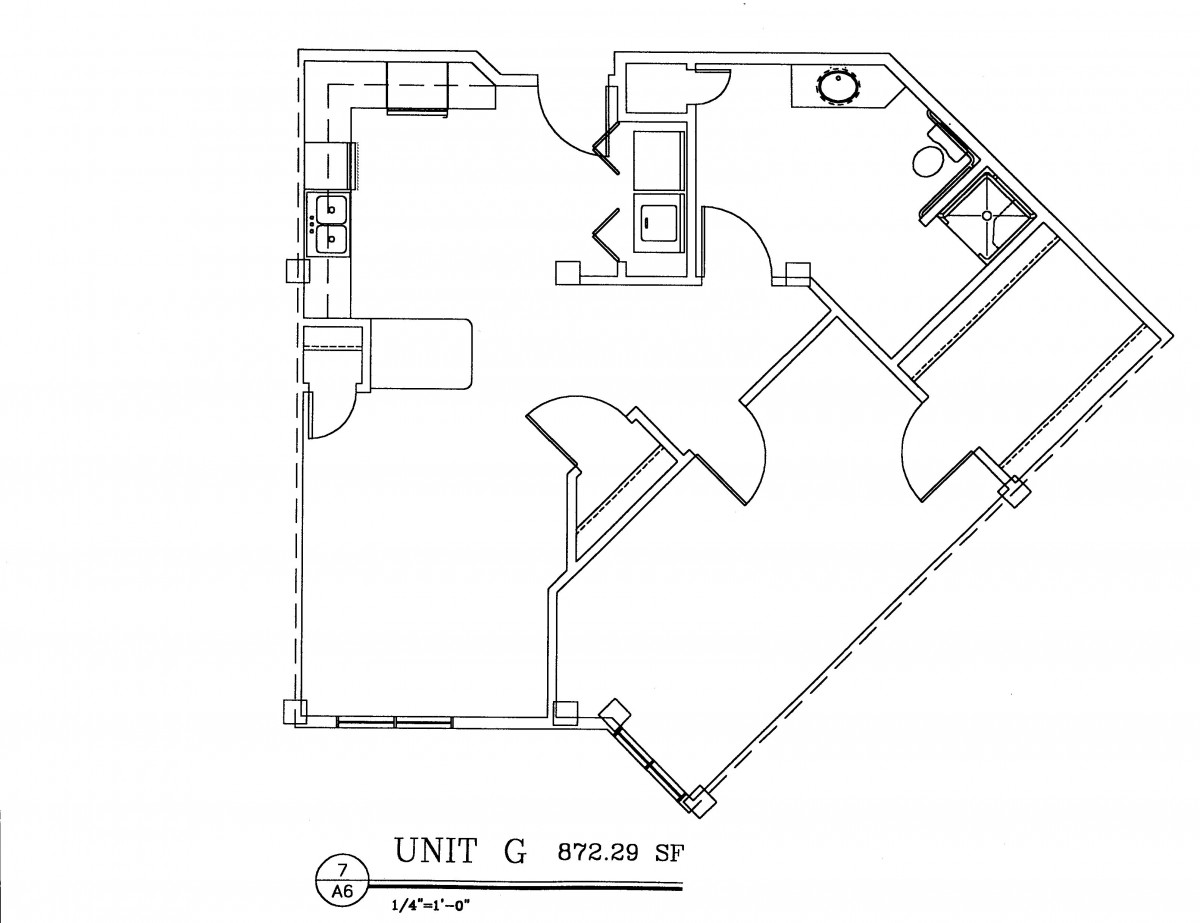
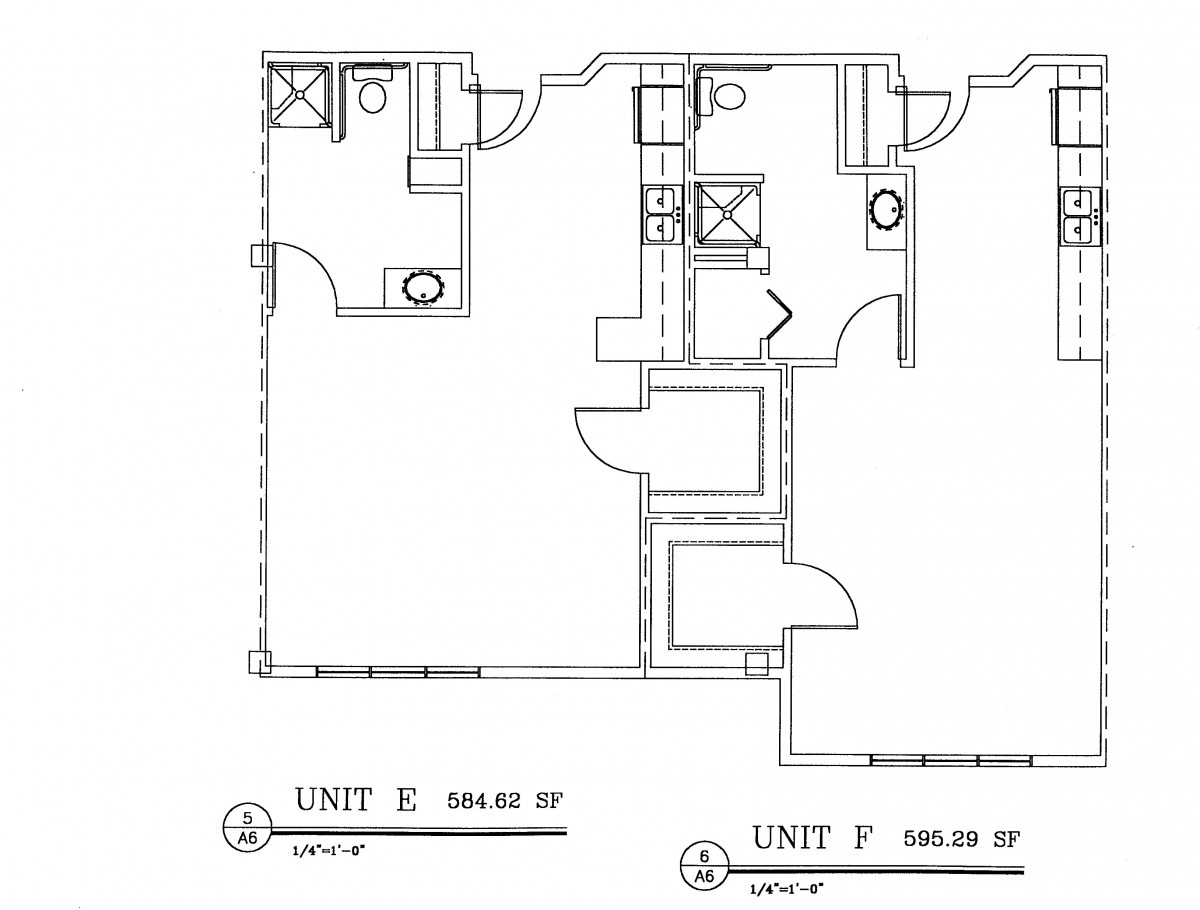
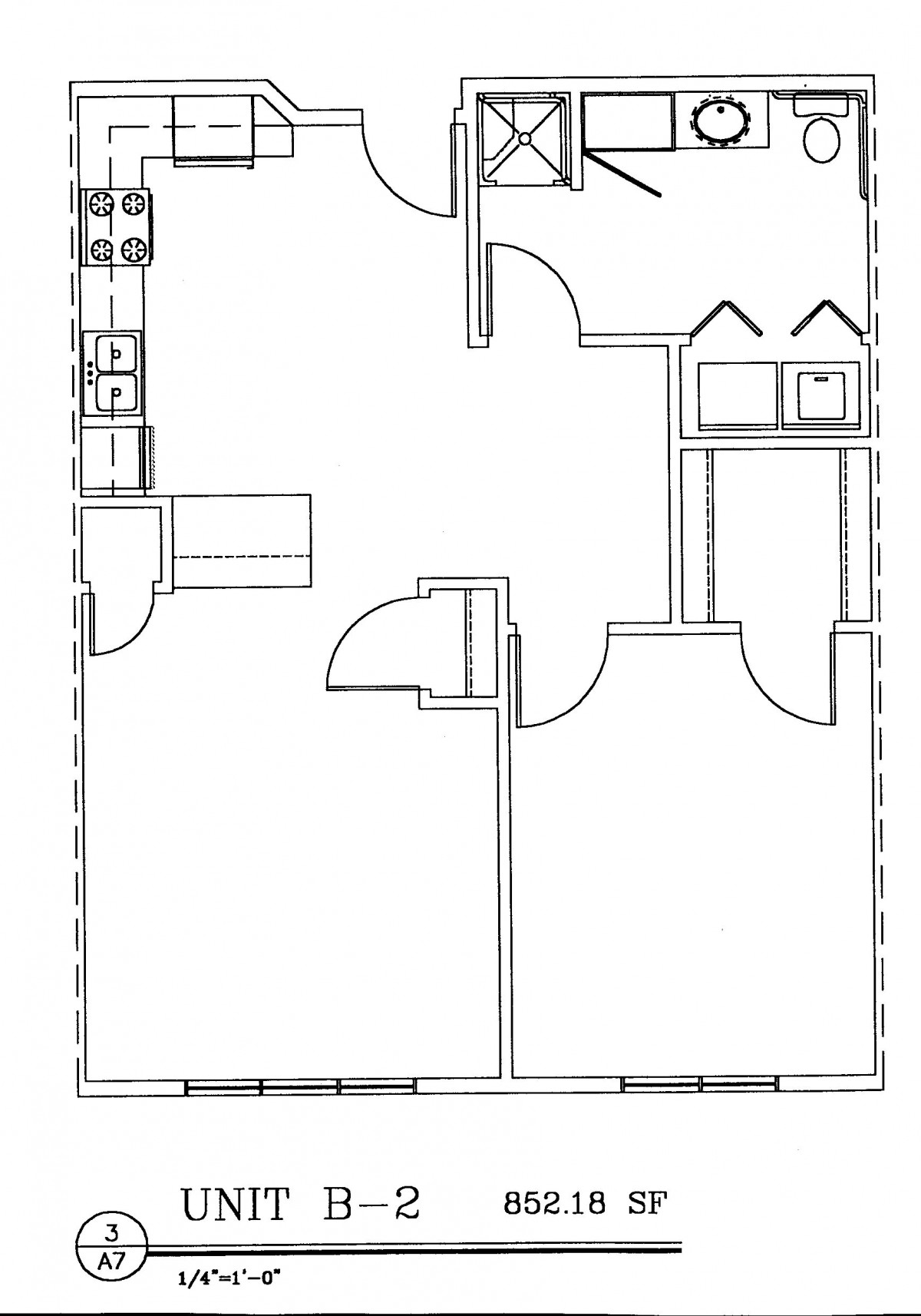
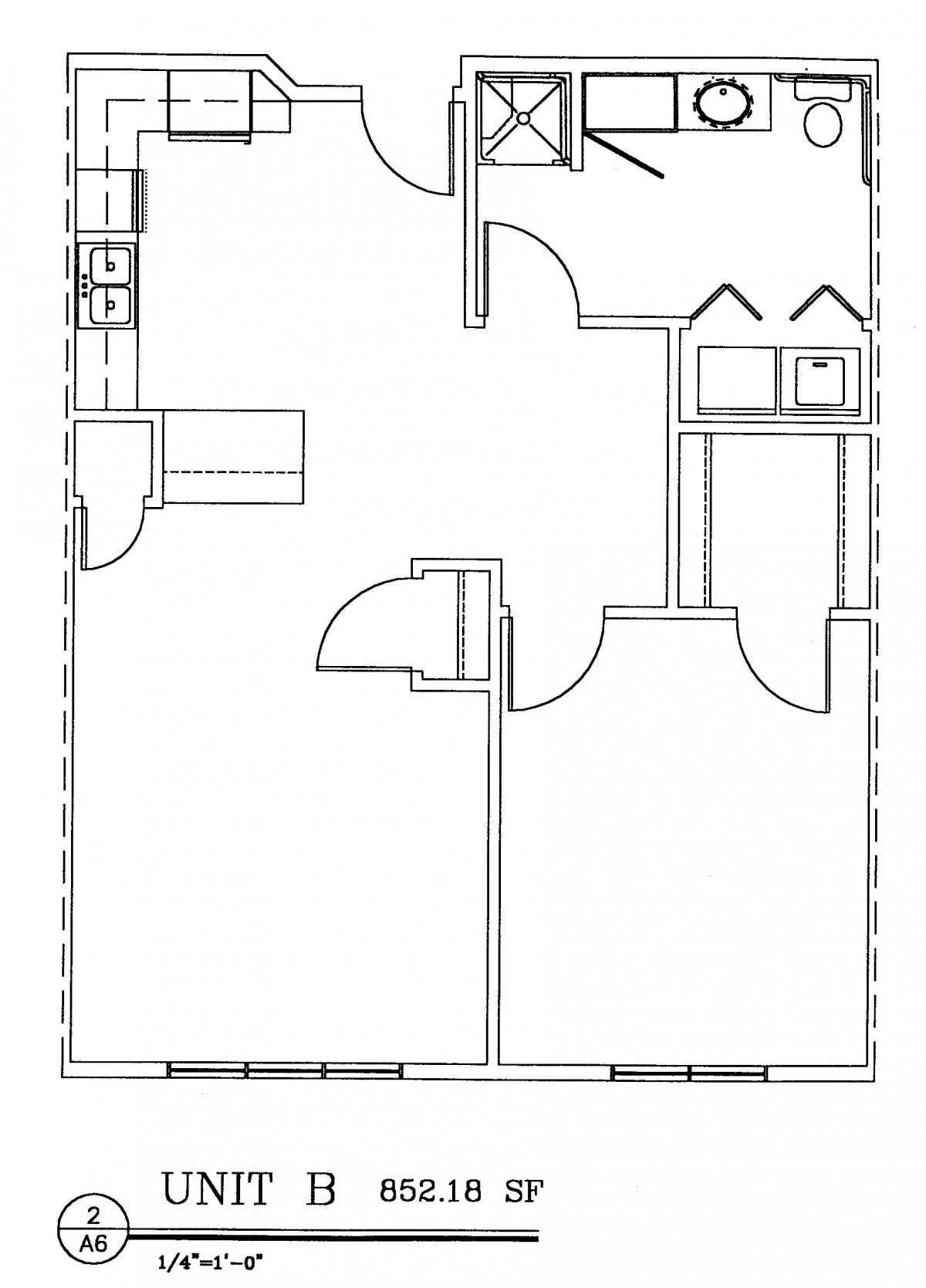
| Floor plans | Ellen Kennedy Living Center a CCRC | Dubuque County | Iowa |
|---|---|---|---|
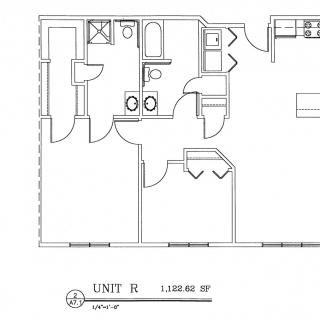
| 1 Bedroom | $1,020 | $1,729 | $2,863 |
| 2 Bedrooms | $1,130 | $2,142 | $3,329 |
| Studio | $2,762 | $2,687 | $3,609 |
Assisted Living communities with a similar price nearby
-
from +$80 / mo
River Bend Retirement Community
$1,100 to $2,200 / month13.1 miles away
Overall Review of Ellen Kennedy Living Center a CCRC
Pros
 The Ellen Kennedy Living Center is a fantastic place.
- The staff, facilities, and overall experience at EKLC are outstanding.
- Residents receive the best possible care while maintaining independence.
- The staff go above and beyond when caring for residents.
- Families love everything about EKLC.
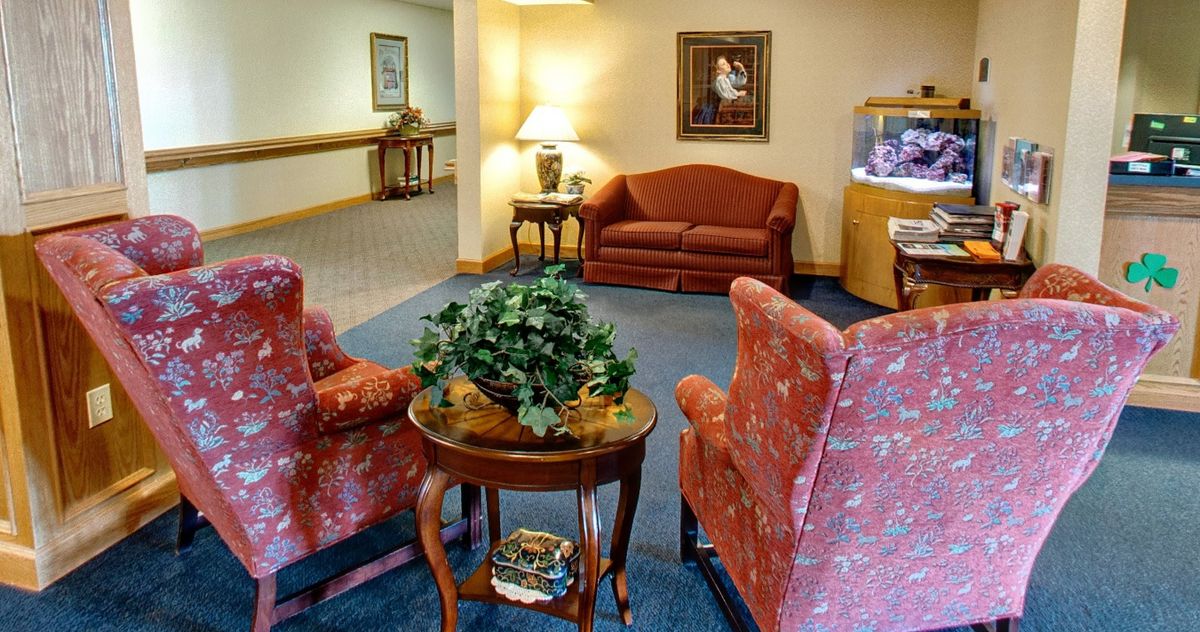
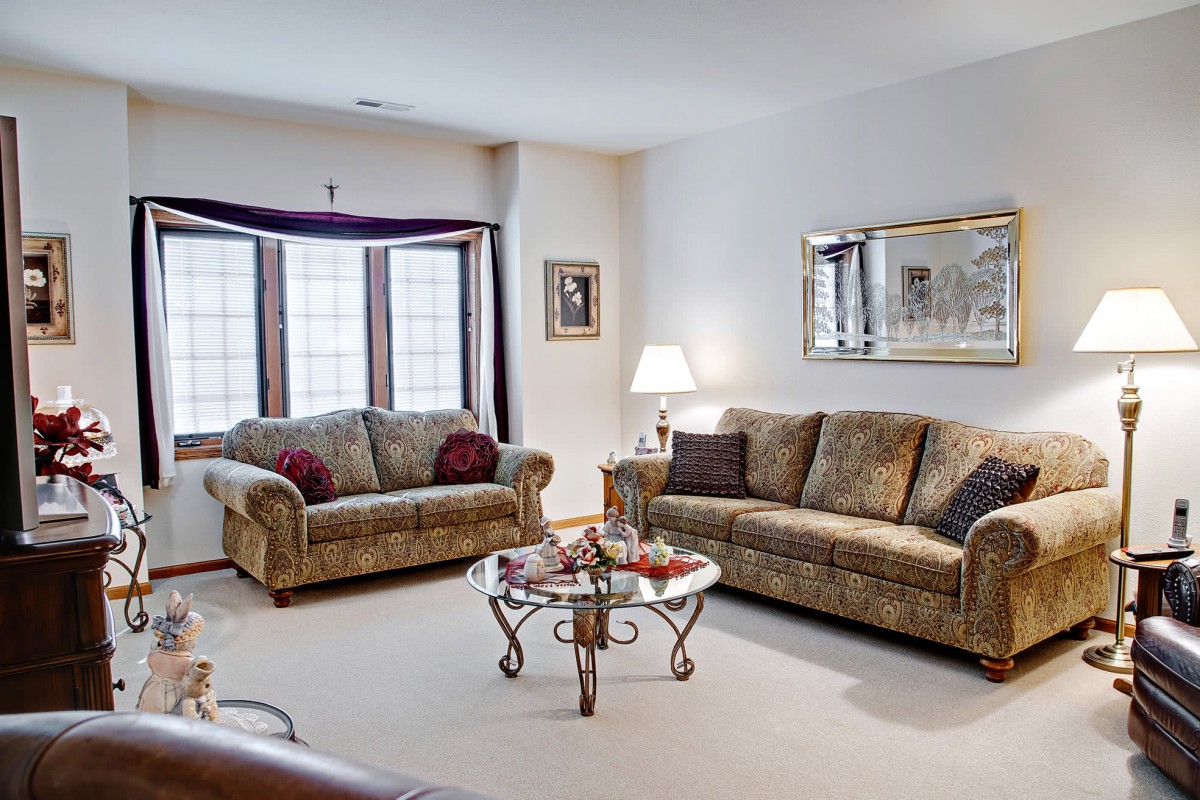
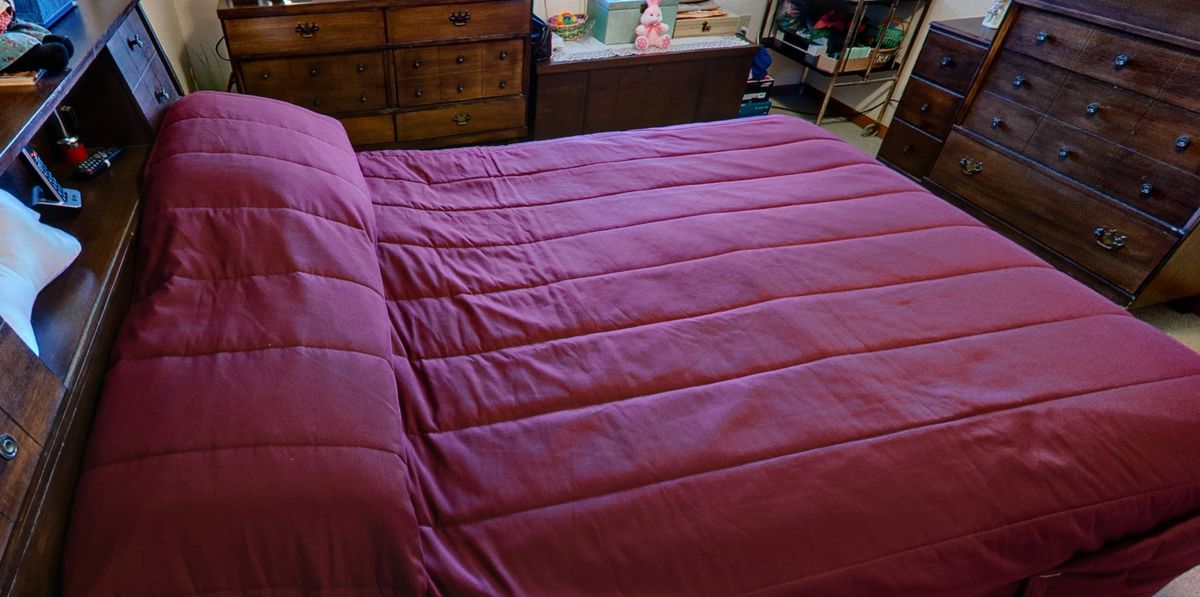
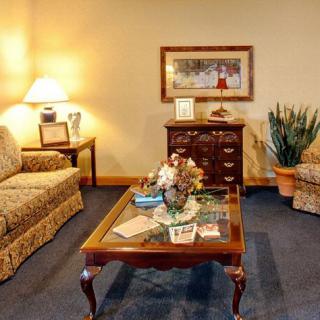
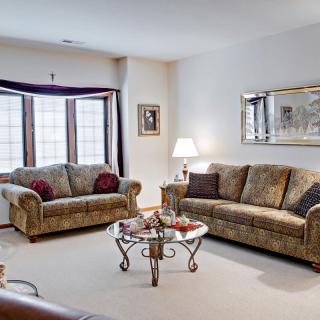
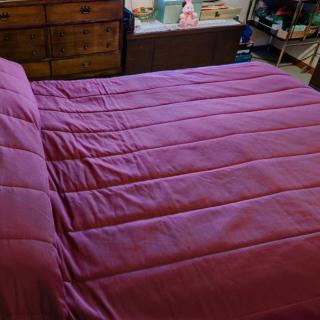
- The apartments are comfortable and cozy.
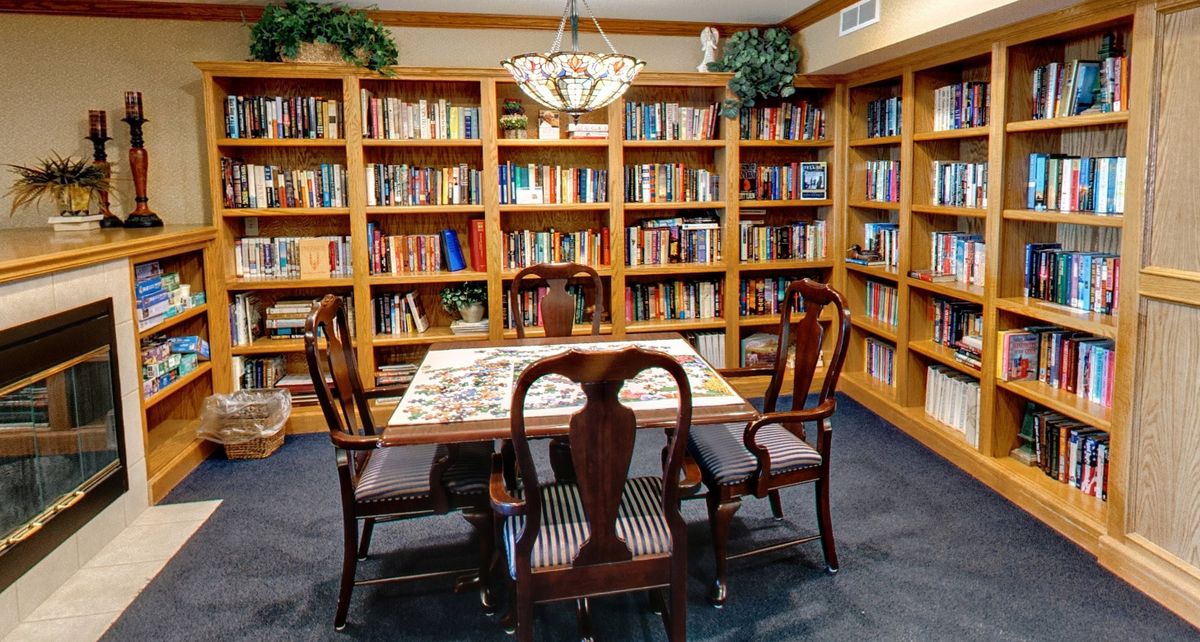
- There is great entertainment and many activities and outings, with favorites like card games, puzzles, movies, and crafts.
- Meals are tasty and residents feel special on birthdays.
- Residents feel at home at EKLC.
- EKLC is a caring facility with excellent staff.
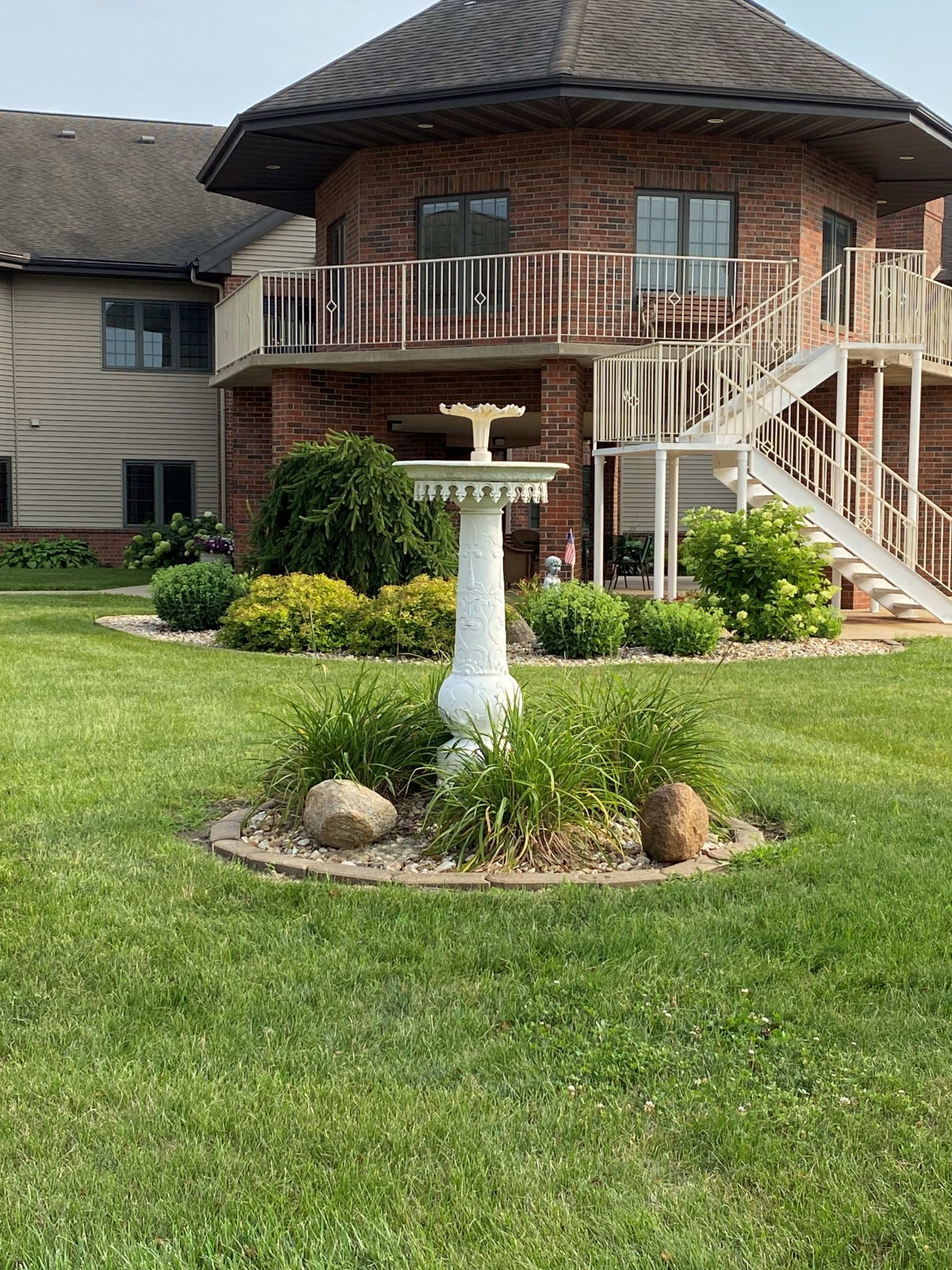
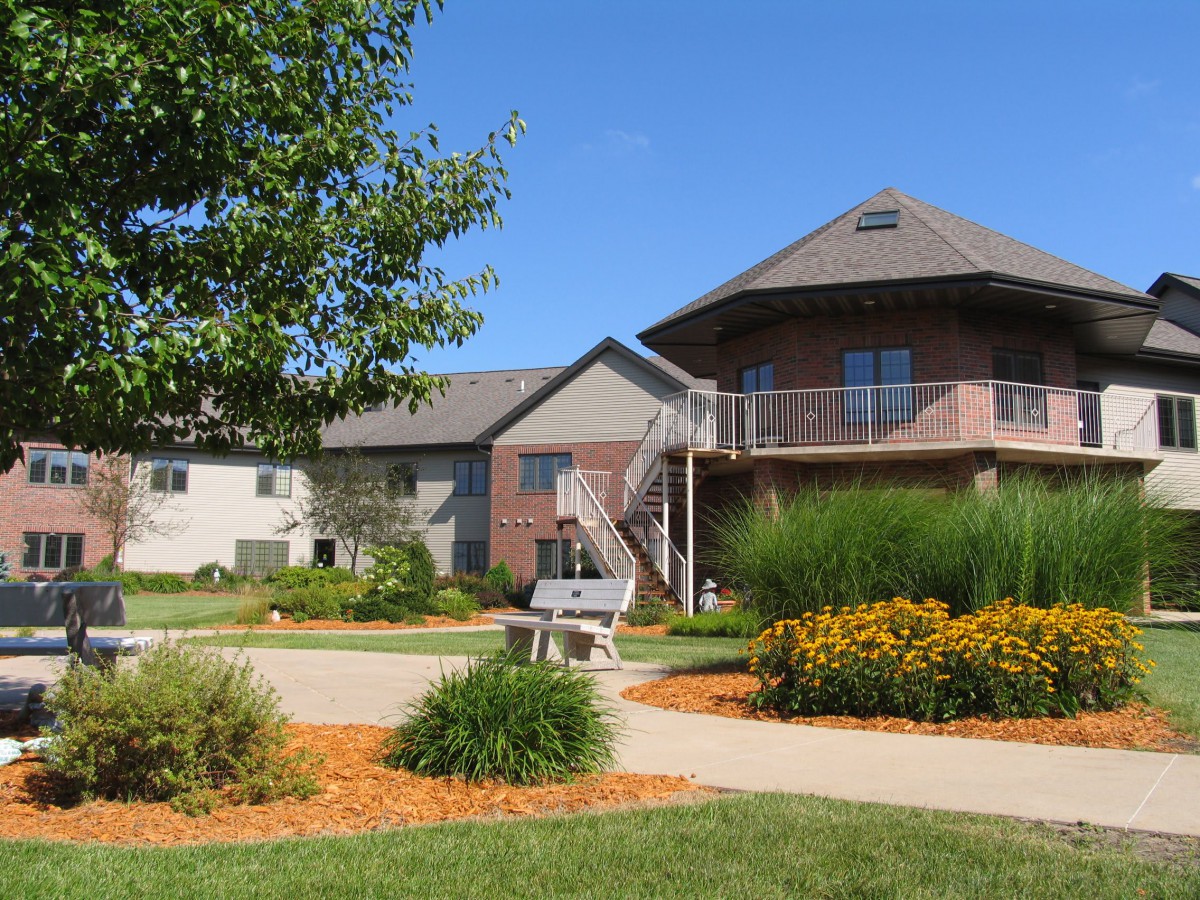
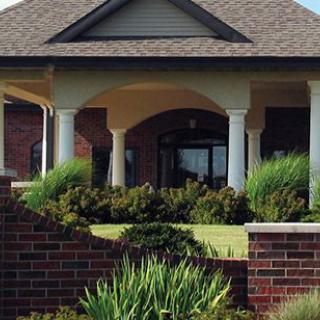
- The building is neat, clean, and uplifting.
- The staff are superb.
- Interactions among staff are professional and joyful.
- Oak Park Place has been very good for residents and is highly recommended.
- EKLC delivers good value for the price.
Cons
 ECLC is going downhill under the direction of the administration of Ms. Whitmeyer.
Review
Ellen Kennedy Living Center in Dyersville, Iowa, is best suited for seniors who want a genuine continuum of care on one campus and who prize a warm, engaged, resident-centered culture. The community works well for those who wish to stay as independent as possible while knowing help is readily available when needed. Families repeatedly describe staff who know residents by name, participate in daily routines with them, and treat people with real warmth. The campus offers comfortable apartment living, a clean and uplifting environment, a steady cadence of activities, and meals that residents regard as thoughtfully planned and enjoyable. In short, EKLC suits individuals who seek a lively, social setting paired with dependable, personal support, enough structure to feel secure without sacrificing autonomy.
Careful consideration is warranted for families evaluating alternatives. A notable thread among reviews is the question of administrative stability. One reviewer warns that the center is “going downhill” under a named administrator, signaling that leadership dynamics can color the care experience. Others still praise an accessible director who builds personal relationships with residents, but the split underscores a practical reality: governance matters, and families should verify who is leading the campus at the time of touring and how care planning is coordinated. For loved ones who require highly specialized medical oversight, or for those who desire a more predictable, formalized routine with less emphasis on constant programming, exploring nearby options with a more boutique governance model could be prudent. A quieter pace and fewer activities may also suit some residents better, making alternatives worth a hard comparison.
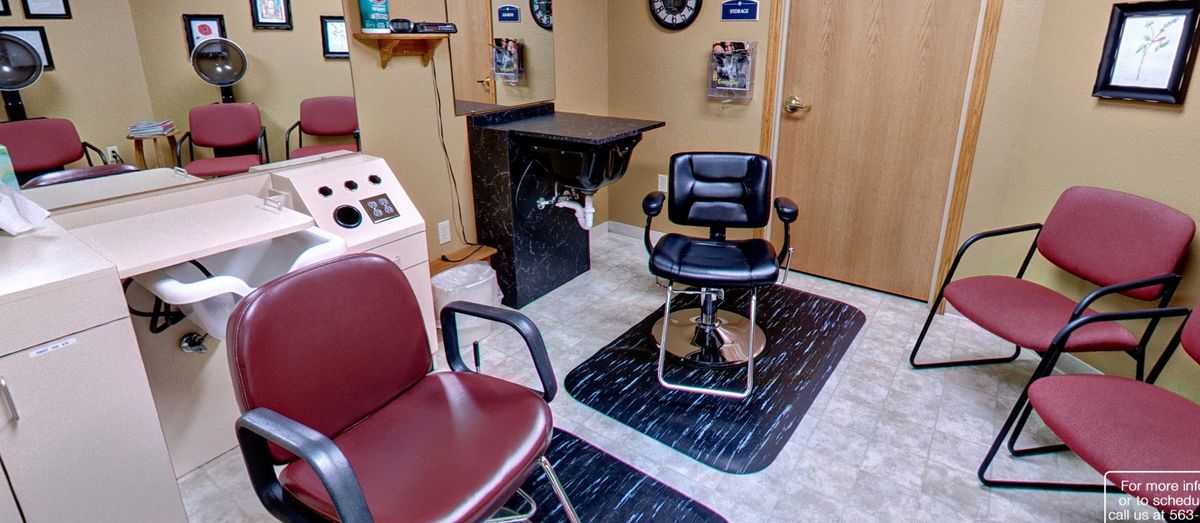
The strength of EKLC lies in its people and the care culture they cultivate. Staff are consistently described as going the extra mile, combining professional competence with genuine kindness, humor, and attentiveness. Families report that teams personalize care, monitor changing needs, and maintain ongoing communication, so residents feel seen and safe. The sense that administration and front-line staff work as a cohesive unit appears in multiple stories, with residents and families noting responsiveness and a welcoming atmosphere. The dining and housekeeping programs are touted for reliability and cleanliness, and conveniences such as a hair salon add meaningful everyday value. Activities, ranging from card games and puzzles to outings, movies, and crafts, provide a robust social life that keeps many residents engaged and connected. The net effect is a care ecosystem where relationships often compensate for inevitable gaps in any facility.
Yet, a nuanced view of governance persists in the reviews. The recurring strength, personalized, responsive front-line care, rests on a leadership backdrop that some residents perceive inconsistently. On one hand, stories celebrate a director who knows residents and their families well; on the other hand, a dissenting voice highlights decline under certain administrative leadership. This dual perception matters for families building a long-term plan: leadership stability can influence care coordination, staff morale, and the pace of problem-solving. EKLC’s willingness to adapt care and to listen to resident input generally mitigates these concerns, but it remains essential to ask about current priorities, the cadence of care plan updates, and how the team handles changes in resident needs during a tour. For those who value a steady, well-defined governance system, this is a critical inquiry.
From a value standpoint, EKLC presents a compelling proposition for many comfort seekers and long-range planners. The continuum of care on a single campus translates into less disruption when care needs evolve, a feature repeatedly cited as a strong plus. Reviewers also frame the community as feeling affordable for the level of service delivered, with good value relative to peers in the region. The experience often leans toward a homelike, even pampered atmosphere, descriptions that, for families, translate into reduced stress around transitions and more predictable daily routines. The breakfast arrangement, continental with options, and the overall dining program are seen as strengths, even if the format may feel minimal to some. In sum, EKLC generally delivers solid value for those seeking social vitality, dependable staffing, and a seamless care ladder.
The practical bottom line is clear. Ellen Kennedy Living Center delivers a robust option for families seeking an active, caring community that preserves independence while offering ongoing access to assistance. Its standout feature is the people: staff who cultivate real connections, respond to changing needs, and make residents feel valued. The continuum of care on campus reduces the friction of transitions, a meaningful advantage for longevity. The most important caveat centers on leadership consistency; prospective families should verify current governance and management priorities during a visit and ask direct questions about care planning, staffing stability, and how resident input is translated into daily practice. For those who want a vibrant social scene, individualized attention, and a predictable path as needs evolve, EKLC is a practical, well-supported choice. If a calmer pace, tighter administrative control, or a different cultural fit is essential, it pays to compare alternatives like nearby CCRCs to confirm the best alignment.
 64 resident community capacity
 Assisted Living
 Independent Living
 Respite Care
 Cats allowed
 Activities off-site
 Air-conditioning
 Bath tubs
 Beautician on-site
 Cable or satellite TV
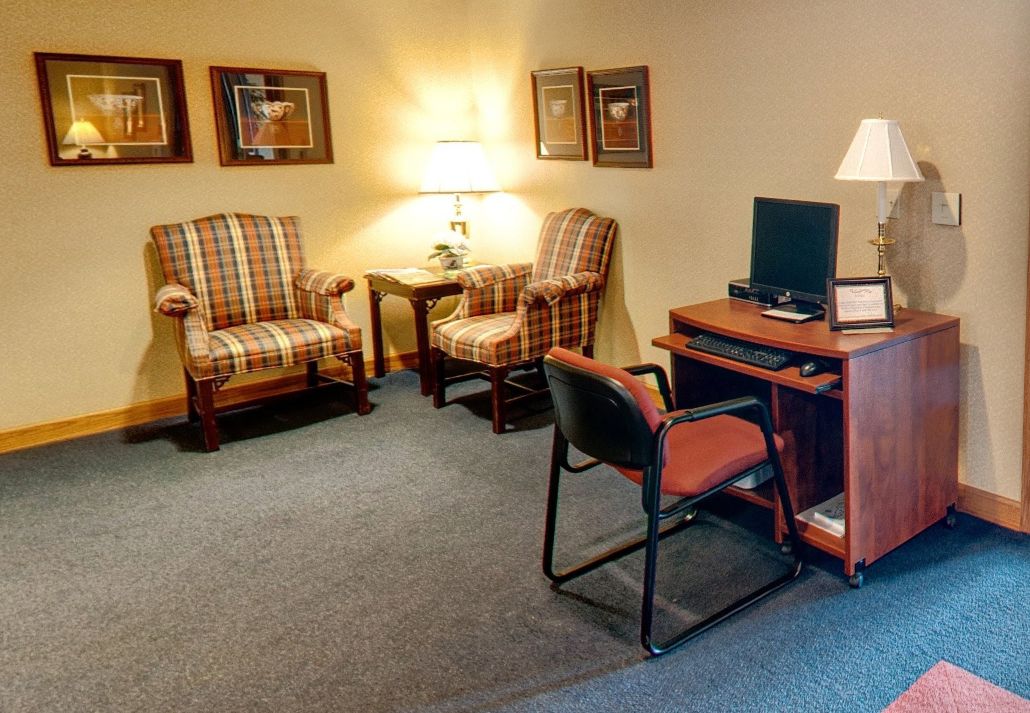
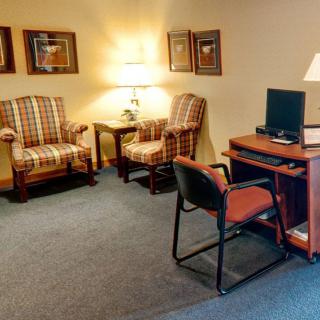
 Computer center
 Devotional services off-site
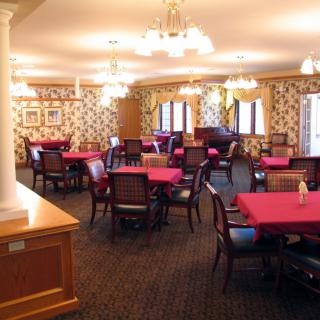
 Dining room
 Fitness room
 Full kitchen
 Fully furnished
 Gaming room
 Garden
 Ground floor units
 Handicap accessible
 Housekeeping services
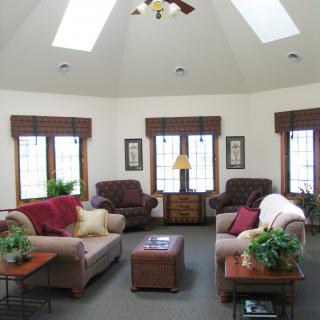
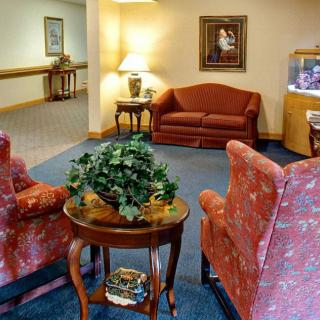
 Indoor common areas
 Move-in coordination
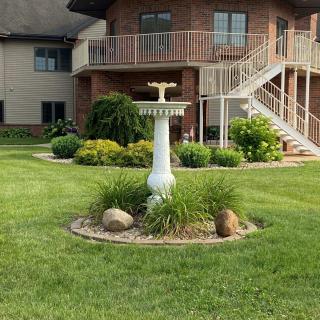
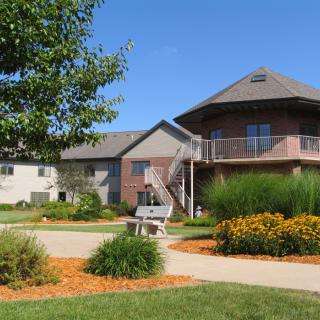
 Outdoor common areas
 Private bathrooms
 Restaurant-style dining
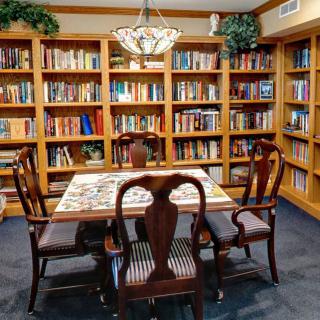
 Small library
 Telephone
 Wellness center
 Wheelchair accessible showers
 Wi-Fi/high-speed internet available
 Dubuque Municipal (22 miles away)
 Community operated transportation
 12-16 hour nursing
 24-hour call system
 Ambulatory care
 Assistance with bathing
 Assistance with dressing
 Assistance with transfers
 Diabetes diet
 Diabetic care
 High acuity care
 Incontinence care
 Medication management
 Mental wellness program
 Special dietary restrictions
 Bible study group
 Concierge services
 Day trips and outings
 Educational speakers / life long learning
 Happy hour
 Wine tasting


 Is Assisted Living Deductible on Your Taxes? Understanding the Complexities of Assisted Living Expenses and Deductions
 Assisted Living Support for Veterans: A Complete and Detailed Overview
 Exploring the Contrasts Between Assisted Living and Skilled Nursing