
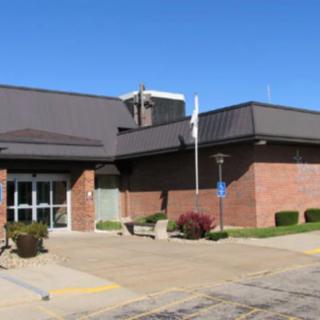
701 Johnson St NW, Cascade, IA 52033
To contact a resident: (319) 852-3277
For more information about senior living options: (866) 208-4318
Overall Review of Shady Rest Care Ctr
Pros
 Accura HealthCare of Cascade is highly praised for its helpful staff who readily answer questions.
- The facility is open and accessible, with staff inviting families to call anytime to get information about their loved one.
- Families are invited to monthly sit-down meetings to receive updates on care, which is appreciated.
- The staff are knowledgeable and caring, and they communicate with families by phone when needed.
- The staff consistently goes above and beyond, providing proactive support and addressing needs.
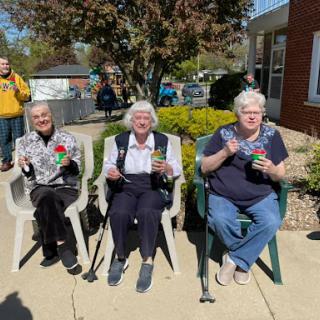
- The center offers engaging activities and celebrations, such as bowling, games, Cinco de Mayo events, and May baskets.
- The Alzheimer's unit is incredible, contributing to an excellent experience for families.
Review
Shady Rest Care Ctr in Cascade, IA is best suited for families that want unstoppable transparency and proactive involvement in dementia care. The reviews depict a team that is not only knowledgeable and caring but also relentlessly accessible, families can call anytime and expect timely, thoughtful answers. The facility actively invites relatives into the care conversation, with regular, structured updates and monthly sit-down meetings designed to keep everyone on the same page. For families navigating memory care decisions, this level of openness turns what is often a stressful process into a collaborative effort, reducing uncertainty and strengthening trust in the caregiver team.
Those considering alternatives should note that this model may not fit every family’s preference. If a resident’s needs lean toward a more autonomous daily routine with less centralized family involvement, or if a tighter budget requires fewer formal updates and activities, different communities may be a better fit. Likewise, if a family prioritizes a broader hospital-linked medical ecosystem, or seeks a facility with a distinct clinical emphasis beyond memory care, exploring options that align more closely with those priorities would be prudent. The choice hinges on balancing hands-on family participation with the facility’s capacity to manage complex medical needs.
The most persuasive pros, highly trained, compassionate staff; open communication channels; and a dementia program that emphasizes social engagement, effectively offset potential friction points. The staff’s willingness to address questions and tailor support promptly reduces the common anxiety around where a loved one sleeps, eats, and is cared for. The care team’s demonstrated commitment, evident in frequent check-ins, easy accessibility, and a culture of going “above and beyond”, translates into a continuity of care that families can feel in real time. When combined with a robust activities calendar and a dedicated Alzheimer’s unit, these strengths create a compelling case for placing a resident who will benefit from consistent, person-centered dementia care.
There is also practical value in seeing how these strengths translate into daily life. Activities like bowling, games, and festive events show a campus-wide emphasis on staying socially connected, which can slow cognitive and functional decline for some residents. A memory-care environment that supports such engagement, while keeping families informed, helps prevent isolation and reinforces a sense of normalcy for residents. The ability to celebrate small milestones and cultural events together with staff can be equally important to well-being as clinical care. These elements collectively mitigate common concerns about boredom, withdrawal, and a lack of purposeful routine.
To make an informed decision, prospective families should request a straightforward tour with questions that probe beyond glossy descriptions. Key inquiries include staff-to-resident ratios on the memory-care unit, cadence and format of family updates, and the exact process for care-plan adjustments. Ask to see a recent care plan and a sample activity schedule, and verify how family participation is integrated into daily routines. It’s also wise to review any admission criteria for the dementia unit, visitation policies, and how the community handles emergencies or escalation of care needs.
Bottom line: Shady Rest Care Ctr stands out in Cascade for families who prize transparency, responsiveness, and a dementia-focused, family-centered approach. The strongest positives, caring, knowledgeable staff; open channels for information; and active resident engagement, address the most common concerns families have about memory care, often more effectively than other options. If these attributes align with the resident’s needs and the family’s expectations for involvement and communication, this community deserves top consideration. For those whose priorities diverge, whether seeking less family participation, a broader clinical network, or a different cost structure, alternatives should be explored with a clear sense of what will best support long-term comfort and quality of life.
 Assisted Living
 Activities on-site
 Devotional services off-site
 Indoor common areas
 Dubuque Municipal (17 miles away)
 Ambulatory care
 Diabetic care
 Meals provided

 How and When Medicaid May Cover Assisted Living Costs
 A Detailed Exploration of Assisted Living Medicaid Waivers Across the United States
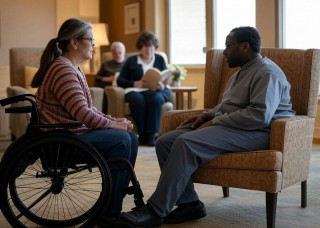 Comprehensive Residential Support and Assisted Living Solutions for Individuals with Disabilities