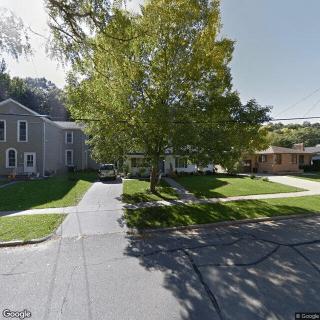
3485 Windsor Avenue, Dubuque, IA 52001
For more information about senior living options: (866) 208-4318
Overall Review of Stonehill Franciscan Services
Pros
 The staff are very friendly and caring.
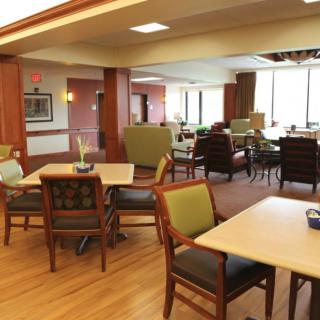
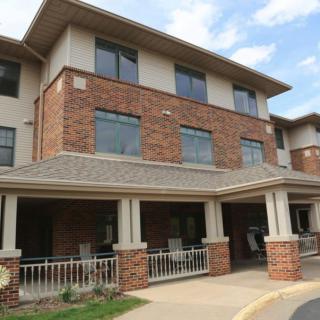
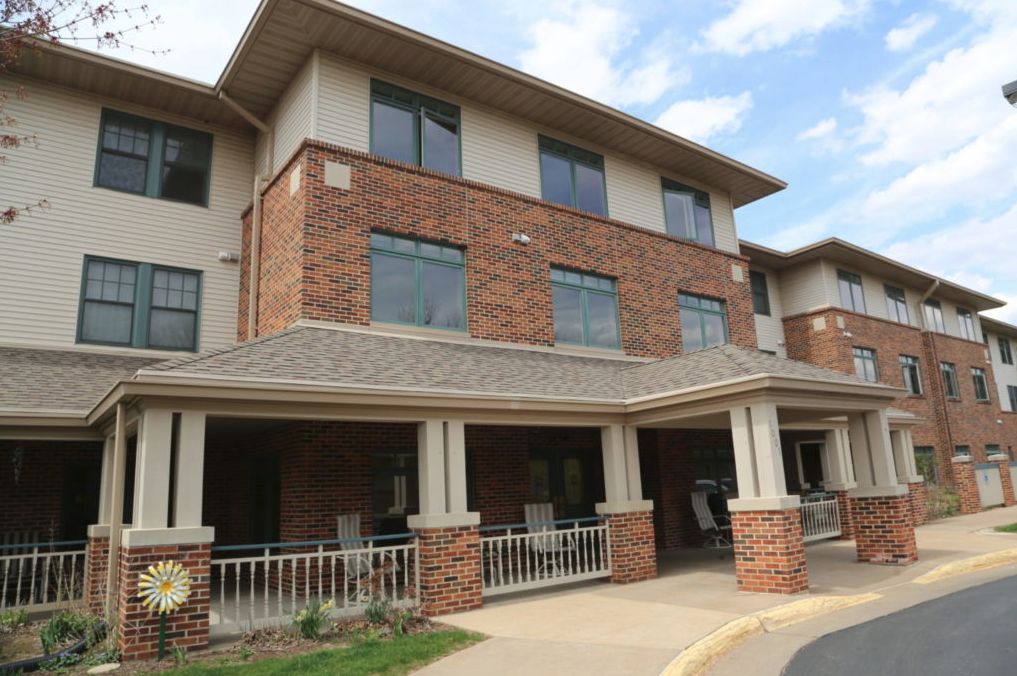
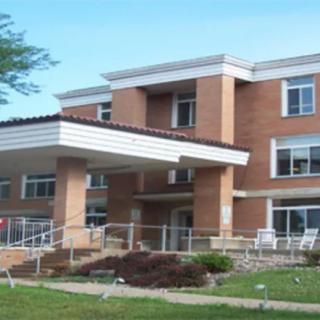
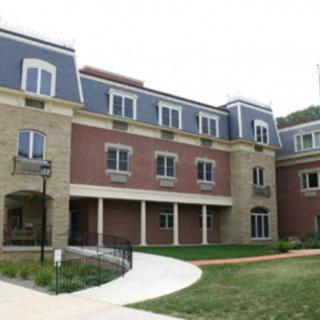
- The facility is clean, nice, and well-maintained.
- The care and services are excellent.
- The rehab program is wonderful, with a great team of physical and occupational therapists.
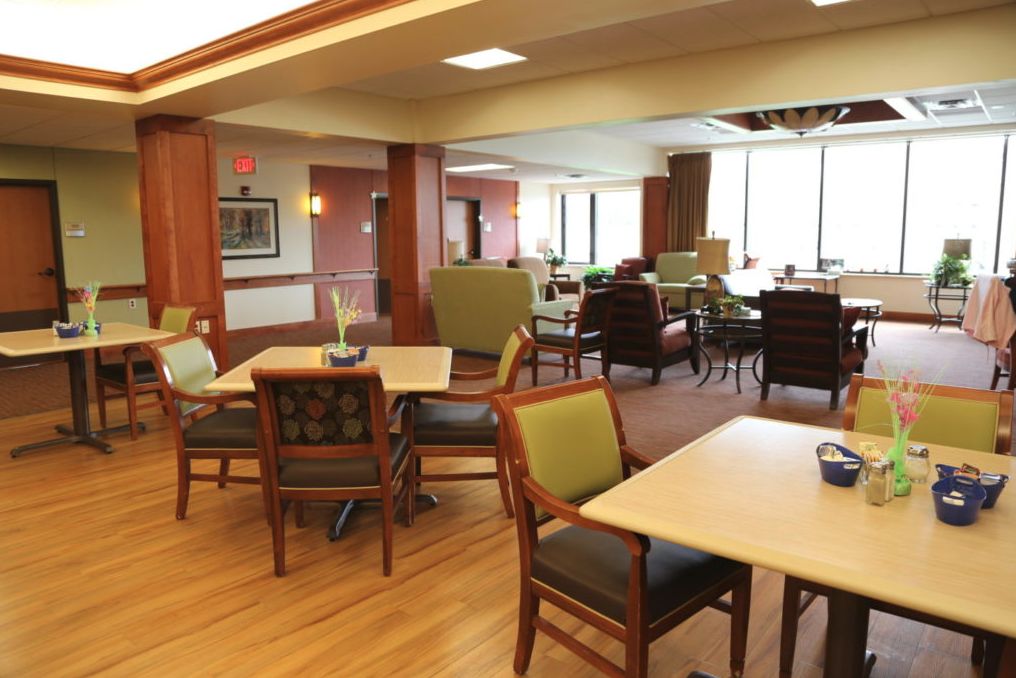
- The dining options are wonderful, with a variety of choices and hot meals available.
- The staff keep families well informed.
- The outdoor areas are pleasant, including a garden patio with chickens and a dog-friendly visiting area.
Cons
 He wasn’t treated right at Stonehill Care Center; an aide treated him very badly.
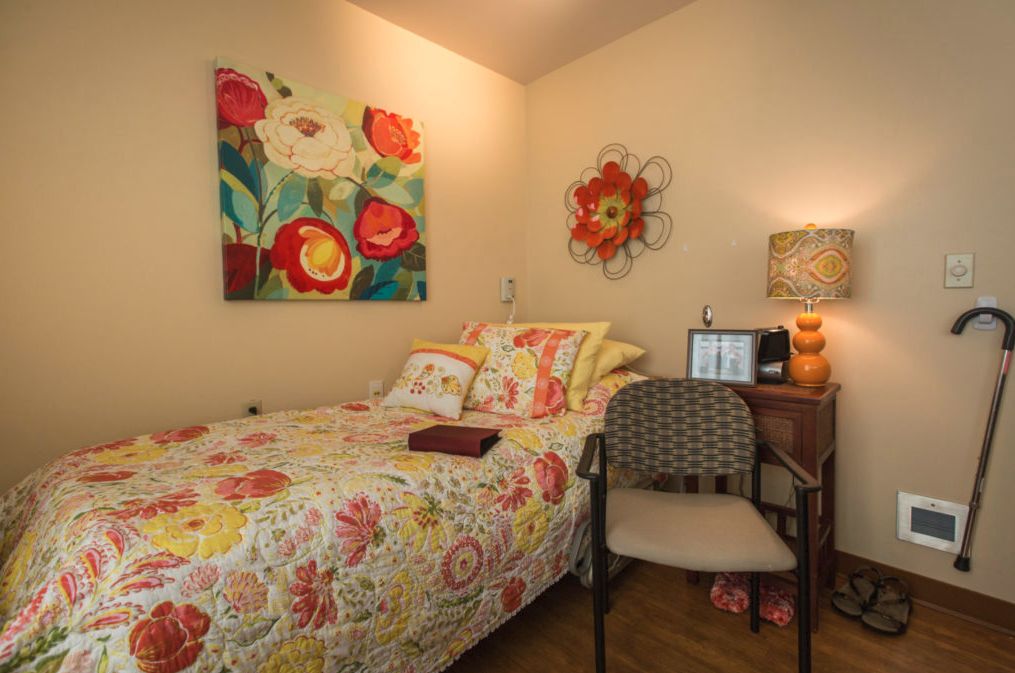
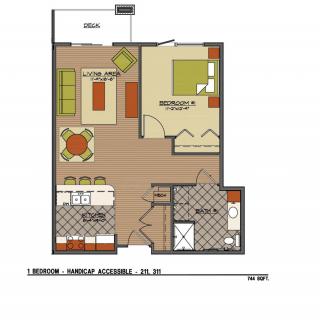
- The rooms were very small, and he had to share a bathroom with someone else.
- The food didn’t look very good.
- Some of the aides were nasty and took advantage of residents with Alzheimer’s or dementia.
- The hygiene wasn’t great.
- The facility wasn’t always fully staffed.
- The other residents seemed kind of crappy, and there wasn’t a lot of socialization.
Review
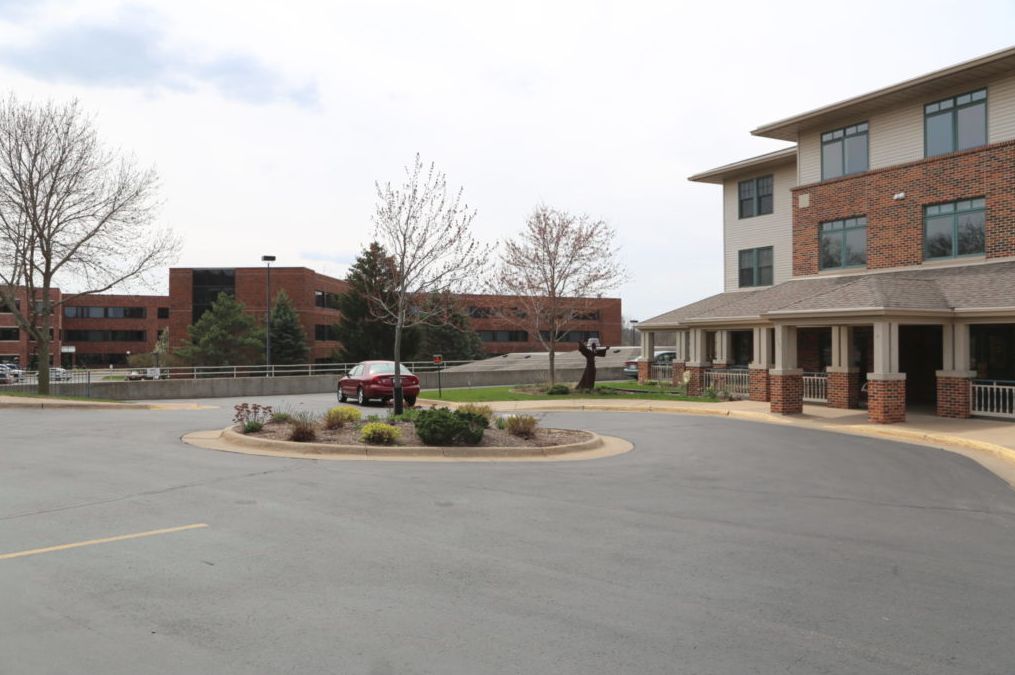
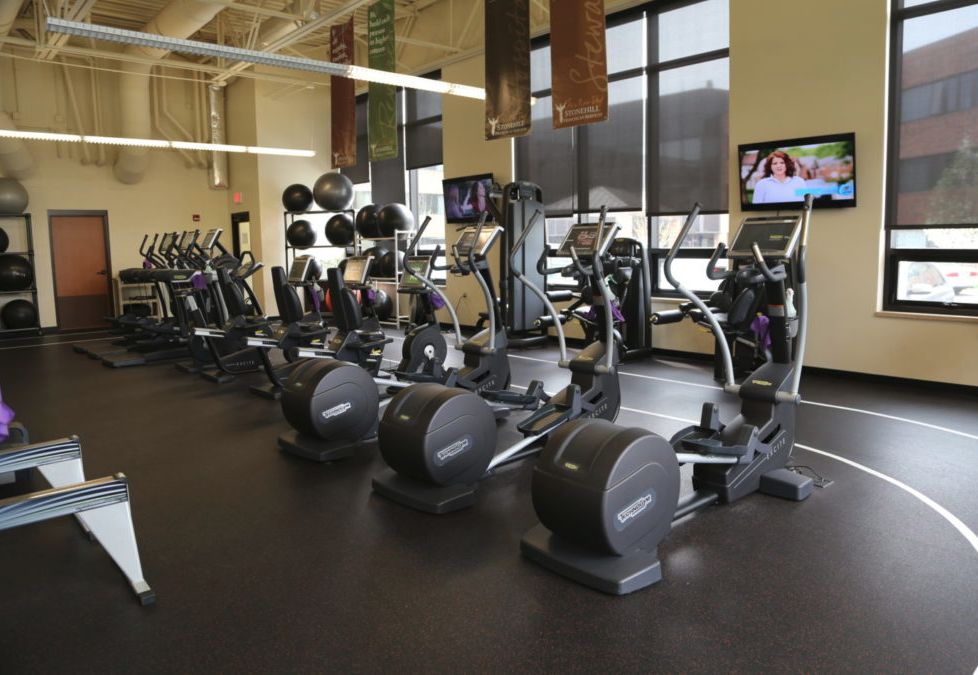
Stonehill Franciscan Services in Dubuque is best suited for seniors who anticipate needing long‑term care with a substantial rehabilitation component and for families who want a warm, faith‑aligned environment with dependable nursing and therapy support. The campus combines skilled nursing, rehab services, and transportation under one roof, with a clean, well‑maintained setting that feels less institutional than some peers. The dining program earns praise for variety and hot, customizable meals, while spiritual needs are supported through chaplain services and weekly Mass. Across several reviews, the staff is described as caring, friendly, and attentive to residents and their families, and the rehab team in particular is highlighted as a core strength.
However, Stonehill may not be the best fit for every family. Those who prize privacy and larger private rooms may find some accommodations cramped, with reviewers describing shared bathrooms and modest room sizes in certain rooms or configurations. Hygiene can become an issue when staffing is thin, and a few families report lapses in daily routines. For residents whose daily social life and structured activities are crucial, some days feel quiet or under‑attended. The Catholic identity appeals to many, but it may not suit every belief or preference, and a few reviewers note variability in how social programming is delivered, especially for residents with dementia or behavioral challenges.
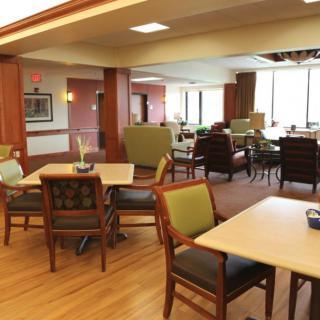
On balance, the strongest pros, exceptional skilled therapy, clear discharge planning, and strong family communication, often offset the primary drawbacks. The rehab department is repeatedly cited as a decisive factor for families aiming to return loved ones home; therapy staff are described as dedicated and effective, with careful attention to individual goals. The dining program is consistently described as robust, offering more than standard meals and accommodating preferences. The facility’s cleanliness, engaging common spaces like gardens and patios, and even pet‑friendly visit opportunities add to a sense of livable comfort that cushions concerns about smaller rooms or occasional staffing hiccups.
Still, the experience can diverge. Staffing inconsistencies surface in some reviews, occasional perceptions of inattentive aides or residents waiting longer for basic hygiene needs. Small rooms and shared bathrooms recur as a practical limitation, especially for couples or partners who want private space. Activity levels can feel uneven; some residents enjoy music and social opportunities, while others appear to receive less structured engagement. These realities matter because for families balancing safety, dignity, and meaningful days, such gaps can be deciding factors in whether Stonehill truly fits.
To make a confident decision, prospective families should approach Stonehill with a focused checklist. Confirm the resident’s care trajectory: from long‑term care to rehab, what the discharge plan looks like, which therapists will be involved, and how mobility goals translate into a home return. Request candid tours of sample rooms to understand privacy and space, and ask about room configuration options. Review the menu options, dining hours, and how dietary needs are managed. Inquire about activity calendars, dementia care programming, and how social life is fostered across shifts. Finally, talk with the admissions team about family communication, visitation flexibility, and transportation logistics to ensure alignment with daily life needs.
Overall, Stonehill stands as a practical, capable choice for families who prioritize robust rehabilitation, a clean, welcoming environment, and a faith‑based framework that supports both residents and their loved ones. Its core strength, the therapy program and the ability to address a range of care levels, often compensates for occasional staffing unevenness and the realities of smaller living spaces. For families who require maximum autonomy, highly social day programming, and private accommodations, alternatives should be explored in parallel to avoid missing a better fit elsewhere. The right fit will feel like a secure, structured home with a clear path to improving quality of life and, when possible, returning home.
 22 resident community capacity
 Assisted Living
 Continuing Care Retirement Community (CCRC)
 Independent Living
 Memory Care
 Skilled Nursing Facility
 Beauty salon
 Cable or satellite TV
 Fully furnished
 Garden
 Housekeeping services
 Kitchenette
 Move-in coordination
 Outdoor space
 Private bathrooms
 Wi-Fi/high-speed internet available
 Dubuque Municipal (9 miles away)
 Community operated transportation
 24-hour call system
 Activities of daily living assistance
 Assistance with bathing
 Assistance with dressing
 Assistance with transfers
 Diabetes diet
 Meal preparation and service
 Medication management
 Special dietary restrictions
 Fitness programs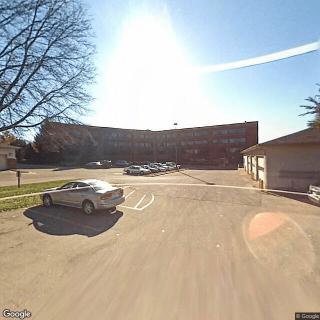


 Dementia-Related Hallucinations: Causes, Experiences, and Practical Approaches
 Illuminating Insights About Alzheimer's Disease: Ten Crucial Realities
 A Thorough Discussion of Medications Potentially Linked to Dementia Risk