
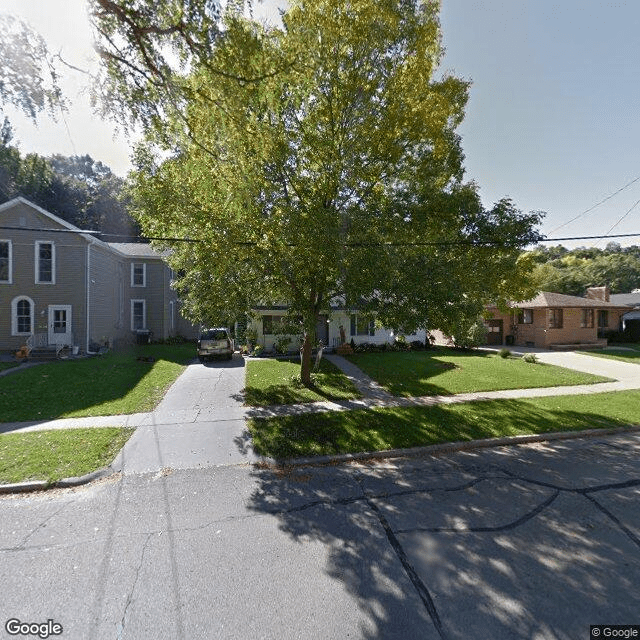
2423 Broadway St, Dubuque, IA 52001
To contact a resident: (319) 583-8512
For more information about senior living options: (866) 208-4318
Overall Review of Broadway Community Living Home
Pros
 Joyce, the hair cutter, is an angel.
- Nurse Preeti is an angel.
- Nurse Vicky is very special.
- An amazing blonde nurse on assisted level 2 is loving and kind.
- A nurse walked the visitor through the mom's room after her death, showing care.
- The kitchen helpers are super cool and loving.
- The chapel is phenomenal.
- Jeanna Loeffelhlholz, CNA, is awesome, compassionate, and a hard worker.
Cons
 The head nurse Shannon and the Bethany Director did not call to inform the family that the mother was dying, despite being on a long-standing call list.
- They gave lip service and claimed the uncle was the POA, insisting they had followed procedure.
- Stacie is not considered great by the reviewer and was moved to the front reception area.
- The director and Shannon offered excuses about not having the current phone number, even though it had been provided previously.
- The family missed the mother’s death by one hour because admin did not notify in time, causing distress and heartbreak.
- An aunt’s remark that they should have arrived sooner was hurtful and audacious.
Review
Broadway Community Living Home in Dubuque is best suited for families seeking a long-term, cohesive, small-community approach to senior living where caregiving staff form real relationships with residents and families. The environment rewards continuity: residents can remain in independent or assisted settings for years, watched over by a team that tends to stay with the same residents and build trust through consistent, affectionate care. A potential resident who values personal touches, accessible chapel life, and hands-on, compassionate assistance from nurses and aides will feel at home here. The place functions as more than a facility; it operates as a familiar neighborhood for aging loved ones, with daily routines that emphasize dignity, comfort, and community connections.
However, some families should consider alternatives if proactive, timely communication during health changes is non-negotiable. The most salient caution from the reviews centers on a lapse in notifying family members about a resident’s rapid decline and death. The critique emphasizes HIPAA boundaries clashing with a hopeful expectation of being kept in the loop, and points to missed opportunities for emotional preparation and coordination with nearby relatives. For households that require a rigorously transparent notification protocol, or for those who want a consistently responsive point of contact when emergencies arise, this is a critical factor to scrutinize before committing.
On balance, the strongest offsets to these concerns are the undeniable daily strengths: exceptionally caring frontline staff and a culture of authentic warmth. The team includes standout individuals who leave lasting impressions, Joyce the hair cutter, Preeti and Vicky among the nurses, and a compassionate CNA who has become a trusted touchpoint for families. The aides, overall, are described as loving and dependable, contributing to a sense of security for residents and reassurance for visiting family. The facility’s environment supports meaningful connections: a well-supplied, clean setting; a dining room where families can share meals with residents; and a chapel described as phenomenal, anchoring spiritual and social life in a way that meaningfully enhances daily living for many residents.
Yet the cons deserve sober weight in decision-making. When a loved one’s health takes a sudden turn, the lack of timely family notification can be emotionally devastating and logistically disruptive, especially for families traveling long distances. This misstep can tarnish otherwise positive impressions and calls into question the reliability of crisis communication. The mixed feedback around front-office interactions, such as the reception experience, also suggests that administrative responsiveness may vary, even as clinical care remains deeply caring. These gaps do not erase the daily warmth and effectiveness of the caregiving team, but they do indicate a nontrivial risk for families who prioritize always-on, clear, and proactive updates.
Despite the risks, Broadway Community Living Home remains a compelling choice for families prioritizing long-tenured, compassionate caregiving, a robust sense of community, and spiritual and social engagement opportunities for residents. The good far outweighs the bad when the continuity of care, the personal bonds with staff, and the home-like atmosphere are the primary criteria. To make this work, families should engage early: request and review the facility’s formal family communication policy, identify a designated point of contact, and confirm how health changes and transitions are communicated, including timelines and acceptable channels. It is prudent to ask for concrete examples of notification protocols and to meet the team responsible for family updates before decisions are made.
In the end, Broadway Community Living Home offers a reliable, person-centered living experience with a strong emphasis on community and caring. For families who can accept the possibility of occasional administrative missteps in exchange for decades of intimate, compassionate care and a spiritually vibrant environment, this residence can be a superb match. Prospective residents should enter armed with clarity about communication expectations and a plan to ensure timely, direct updates during health crises, and should ensure that the chosen level of care aligns with the resident’s needs and the family’s preferred level of involvement. The right match occurs when the human warmth of staff and the communal life prove to be the defining value, and administrative processes are aligned to support that value without ambiguity.
 Assisted Living
 Activities on-site
 Devotional services off-site
 Indoor common areas
 Dubuque Municipal (8 miles away)
 Ambulatory care
 Diabetic care
 Meals provided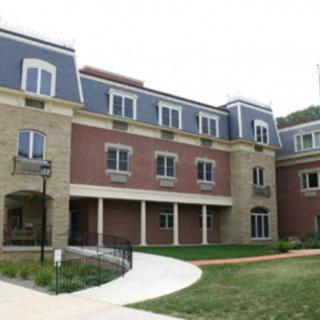






 Comprehensive Insights into Activities of Daily Living (ADLs) and Their Assessment
 Guiding Elderly Parents Who Refuse Assisted Living: 6 Practical Steps
 Your Comprehensive Guide to Luxury Assisted Living: Elevated Facilities, Amenities, and Costs