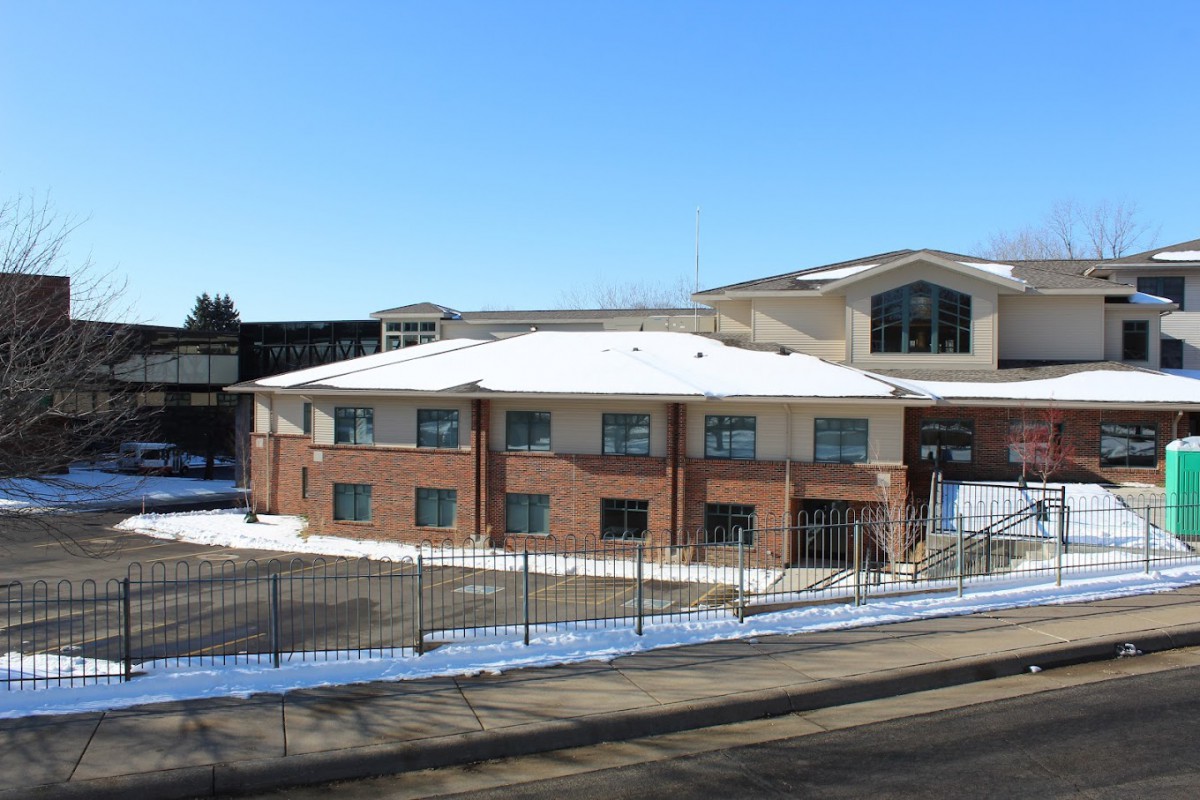
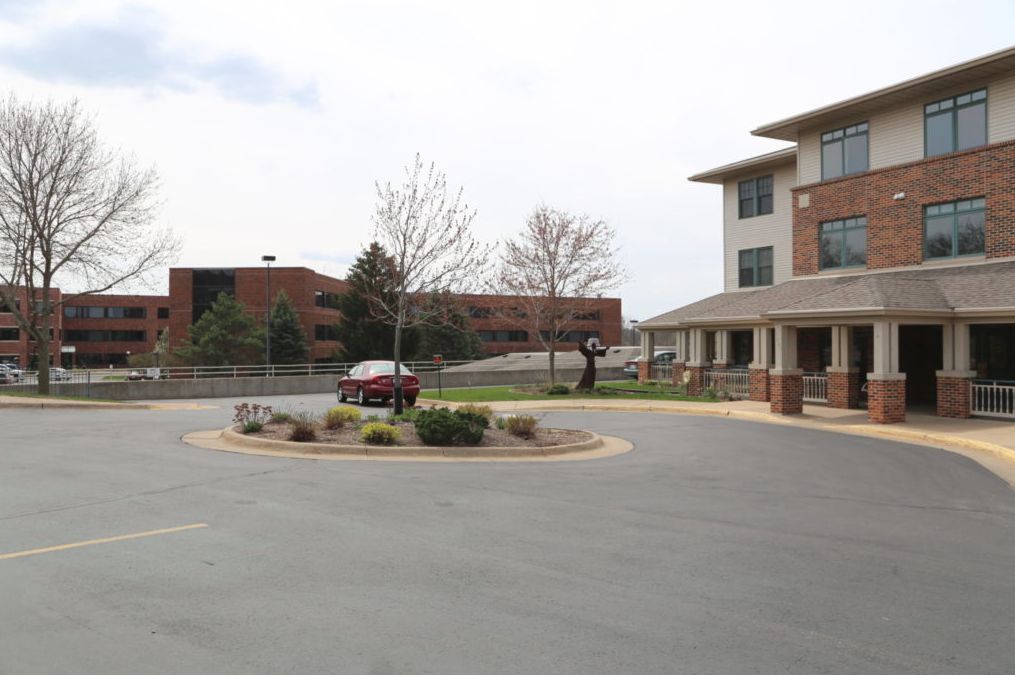
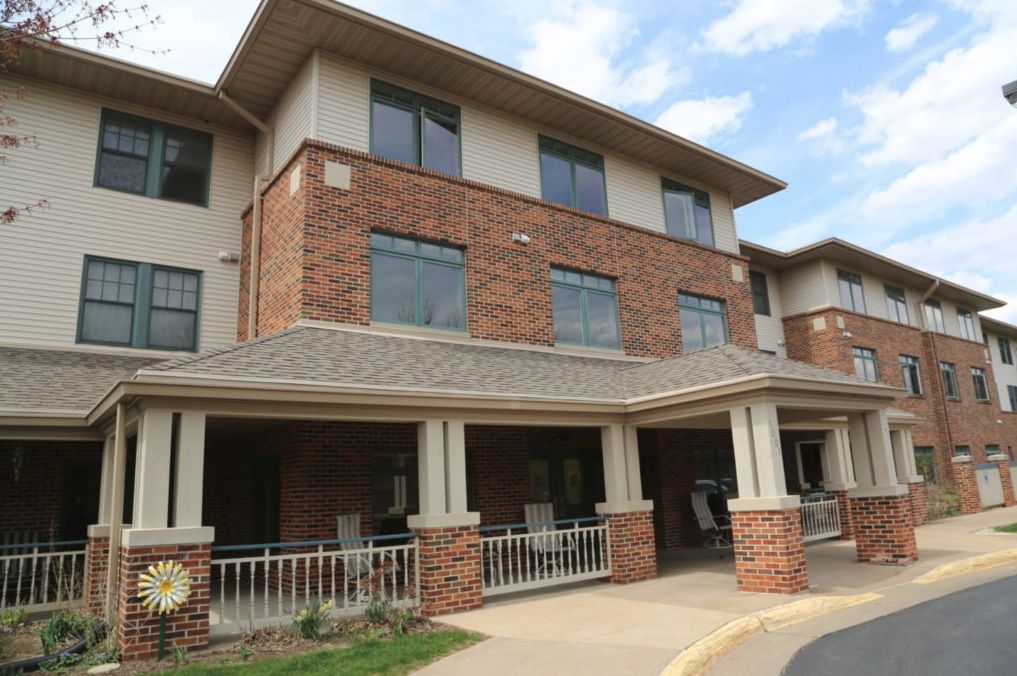
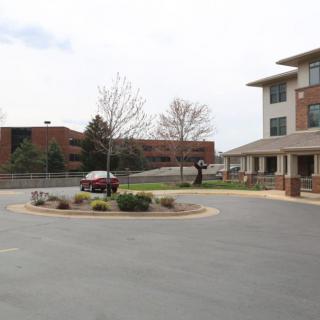
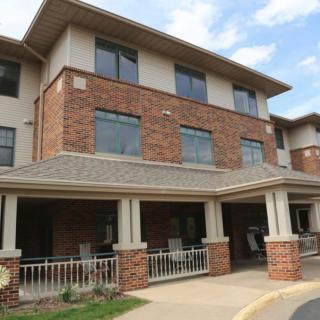


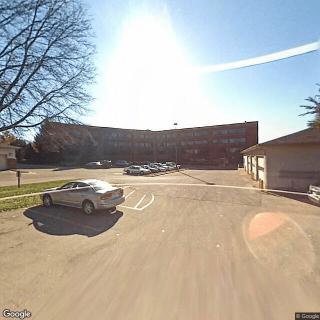
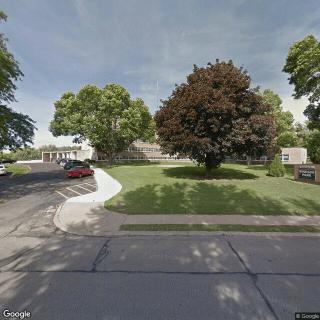
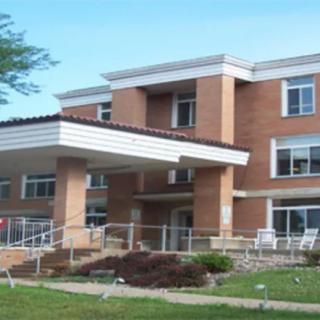
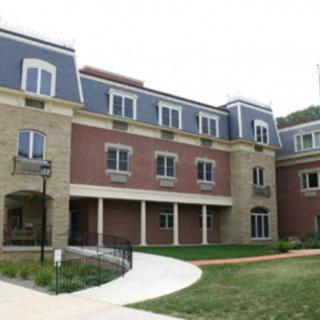
1001 Assisi Dr, Dubuque, IA 52001
To contact a resident: (563) 583-8234
For more information about senior living options: (866) 208-4318
Overall Review of Assisi Village Of Stonehill
Pros
 The facility offers assisted living with a seamless transition to memory care when needed.
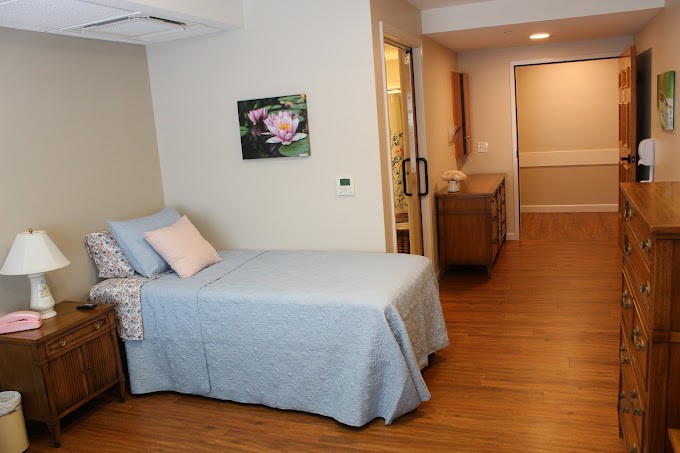
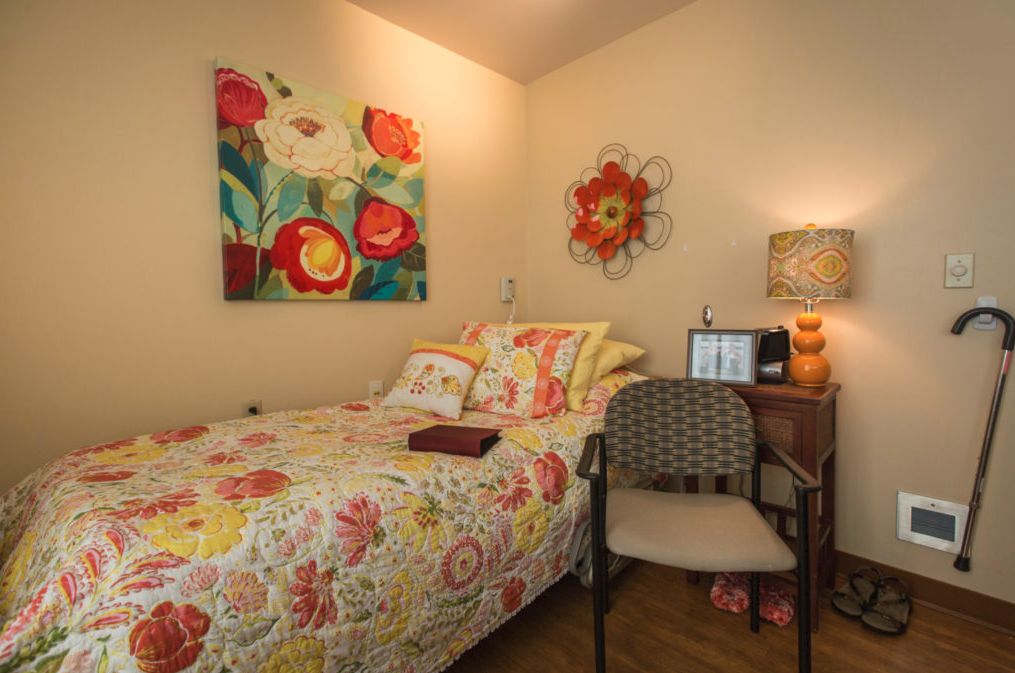
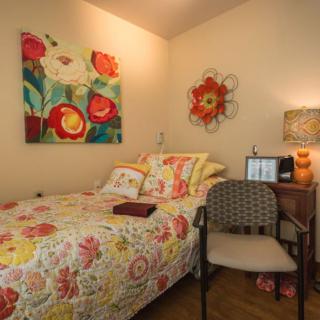
- Private, single-occupancy rooms are available in both assisted living and memory care.
- An activities director provides engaging memory-related activities to residents.
- Residents who prefer not to participate are included in activities, promoting social involvement.
- The staff-to-resident ratio is good, supporting attentive care.
- The environment is clean and safe, with walk-in showers and shower seats.
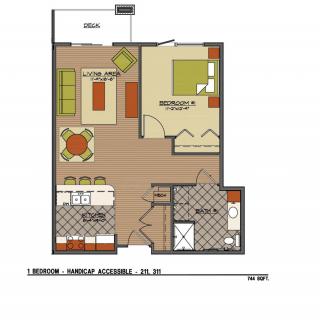
- One- and two-bedroom units include private bathrooms and small kitchenettes with refrigerators, and the menus are healthy and balanced.
Cons
 They didn’t like it when residents were left in their rooms and the TV was turned on for them.
- They didn’t like residents being kept in their rooms without engagement, rather than being encouraged to participate in group activities.
Review
Assisi Village of Stonehill in Dubuque is best suited for seniors who prize privacy, a clear path to higher levels of care on the same campus, and a program that actively engages memory-impaired residents. The community offers private accommodations in studio, one-bedroom, and two-bedroom configurations, which keeps living spaces dignified and controllable. Families facing a transition from assisted living to memory care will value that an on-site move can occur without uprooting the resident to a different campus. The combination of private living spaces with a structured slate of activities, led by an dedicated activity director focusing on reminiscence and memory-stimulating exercises, creates a practical balance of autonomy and support. For residents who want to stay in familiar surroundings while care needs evolve, this campus delivers a coherent, predictable continuum.
There are compelling reasons why some families will want to compare alternatives. The strongest caveat is the absence of any double-occupancy units; the community intentionally offers only private rooms. That constraint can be a deal-breaker for couples who wish to share a living space or for households seeking the most cost-efficient arrangement. Studio residents face a practical drawback as well: studios rely on a community bathroom rather than an in-room private facility, which can add inconvenience for daily routines. For families prioritizing aggressive on-site medical oversight, a broader array of hospital-style amenities, or larger shared living options, other campuses may deliver more of those features. In short, the model is excellent for privacy and continuity, but less flexible for shared accommodations and certain high-acuity expectations.
The strongest offset to these drawbacks lies in the quality and consistency of the living experience. The private-room model practically eliminates roommate conflicts and supports a calm, personalized routine. Staff-to-resident ratios are described as solid, translating into reliable supervision and attentive care during waking hours. Cleanliness and safety are evident priorities, with walk-in showers, shower seats, and other safety features contributing to ease of mobility and independence. The seamless transition from assisted living to memory care within the same campus reduces relocation stress and preserves a familiar social framework. A well-thought-out menu appears balanced and appealing, reinforcing everyday wellbeing. All of these elements collectively mitigate the minor inconveniences of studio living and the absence of shared accommodations.
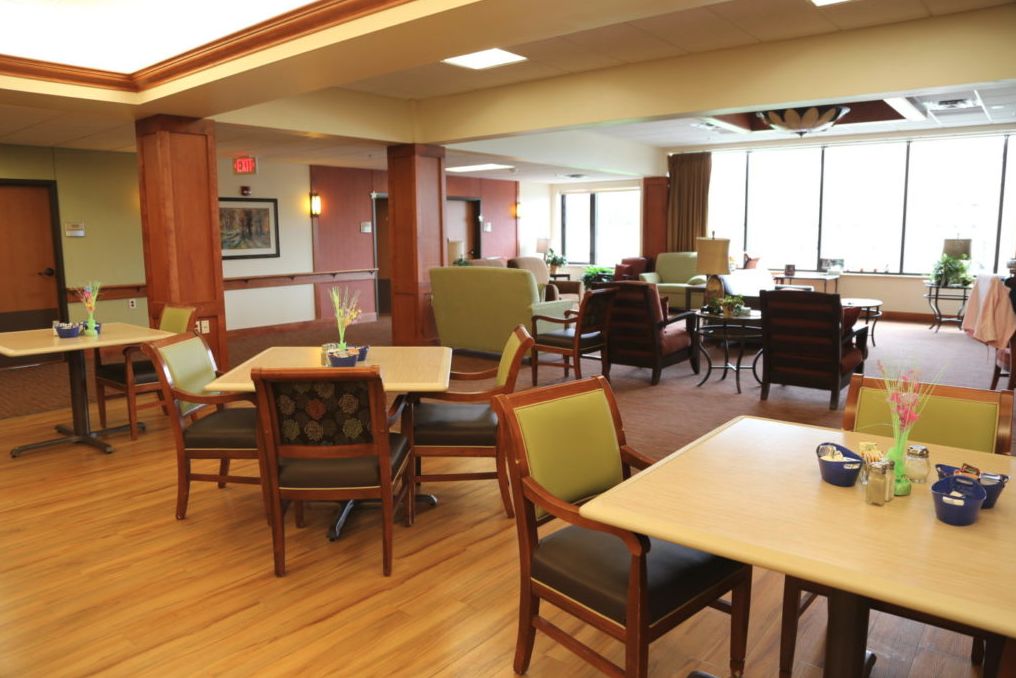
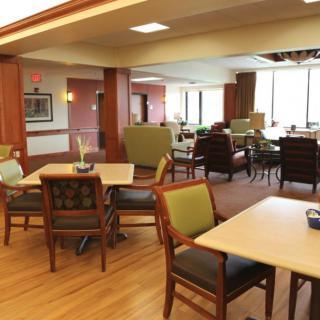
Programmatic strength is another decisive pro. Memory-focused activities are not perfunctory; the facility assigns an activity director who crafts games and reminiscence tasks, such as Civil War-era themes, to evoke memory and spark conversation. Inclusivity is a clear design principle: even residents who prefer not to participate are gently engaged rather than left idle in their rooms. This approach combats isolation and preserves a sense of belonging, which is particularly valuable for memory-care residents. Dining routines reinforce social engagement, with group meals in dining rooms that align with a sense of normalcy and community. Families will notice that these intentional touches translate into steadier engagement, reduced withdrawal, and fewer nighttime or daytime lapses in social interaction.
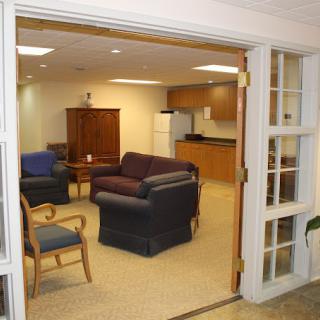
From a practical standpoint, the living environment supports a straightforward, predictable daily rhythm. Residents have access to various apartment configurations, with private baths in one- and two-bedroom layouts and a kitchenette-equipped setup that makes everyday living feasible without leaving the unit. Studios, while more compact, offer the essential amenities and are supported by a nearby community dining and activity ecosystem. The campus design appears walkable and safety-conscious, helping independent movers stay active without frequent help. For those evaluating daily quality of life, the combination of private residences, structured programming, and on-site memory-care options offers a compelling value proposition that reduces care fragmentation and enhances residents’ autonomy.
In sum, Assisi Village of Stonehill is a solid, well-constructed choice for families seeking privacy-forward assisted living with a built-in memory-care path. It suits seniors who value private rooms, a strong activity program, and a cohesive continuum of care within one campus. Those who want shared living or the broadest possible medical services on-site should consider other options. Yet for residents who thrive on routine, social engagement, and dignified separation of living spaces, the pros far outweigh the most likely con on comfort with studio configurations. This community stands out as a practical, experienced choice, especially for families prioritizing continuity, engagement, and dependable staff support in the later stages of aging.
 44 resident community capacity
 Assisted Living
 Independent Living
 Respite Care
 Activities on-site
 Beauty salon
 Cable or satellite TV
 Devotional services off-site
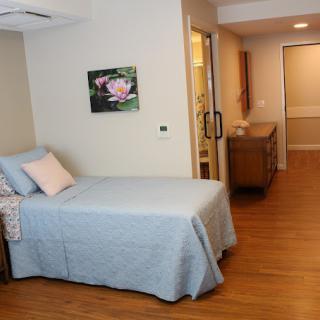
 Fully furnished
 Garden
 Housekeeping services
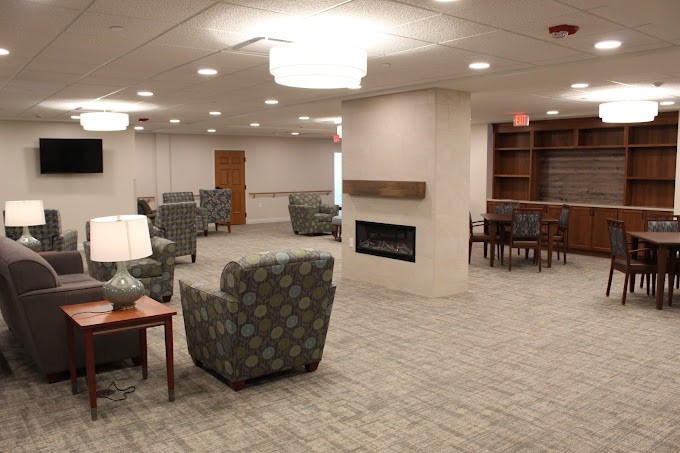
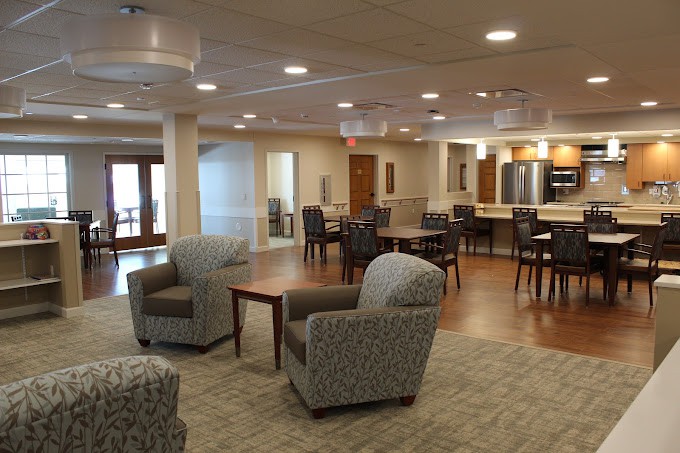
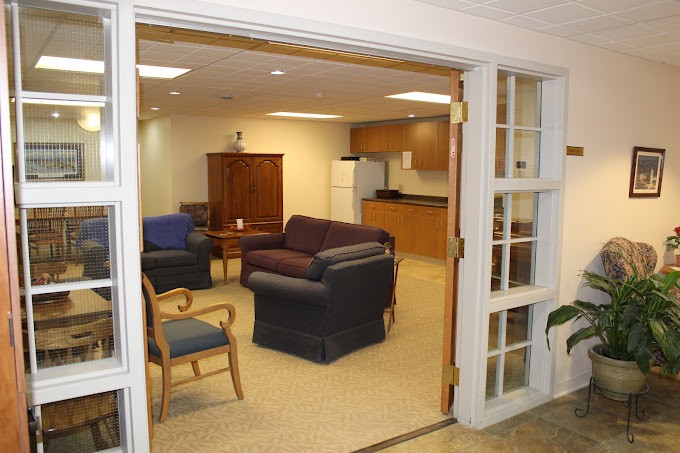
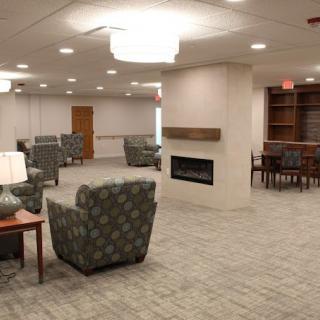
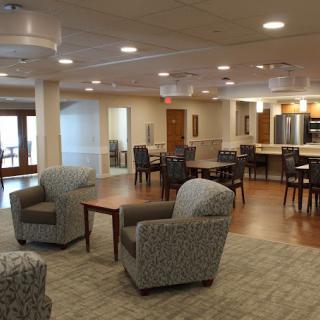
 Indoor common areas
 Move-in coordination
 Outdoor space
 Private bathrooms
 Dubuque Municipal (9 miles away)
 Transportation arrangement
 24-hour call system
 Ambulatory care
 Diabetic care
 Meal preparation and service
 Medication management
 Diabetes diet
 Special dietary restrictions

 Exploring the Path to Senior Living: A Comprehensive Look at Independent Living and Assisted Living
 Is Assisted Living Deductible on Your Taxes? Understanding the Complexities of Assisted Living Expenses and Deductions
 Assisted Living Support for Veterans: A Complete and Detailed Overview