
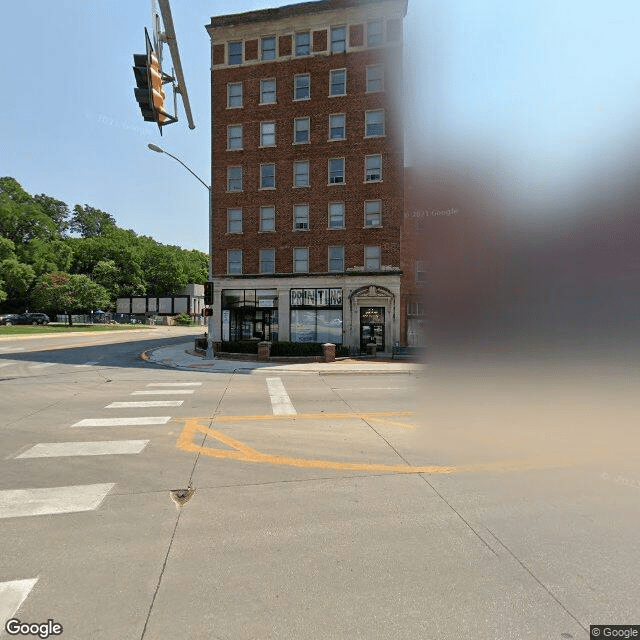
405 West Broadway, Council Bluffs, IA 51503
To contact a resident: (712) 435-5500
For more information about senior living options: (866) 208-4318
Overall Review of Bennett
Pros
 The resident is happy with the new management and wants to stay.
- The problems that existed are being addressed.
- The resident feels happy again living there.
Review
Bennett in Council Bluffs is best suited for long-tenured residents and their families who value steady, accountable leadership and a homey community where problems are actually being addressed. It fits those who want to commit to a residence where management responsiveness translates into tangible improvements over time, and where current residents stay because the changes feel real and sustainable. This is not a place chasing rapid turnover or flashy gimmicks; it rewards those who prioritize reliable communication, a sense of belonging, and a clear path to ongoing, practical improvements in daily life.
Those weighing Bennett should explicitly consider alternatives if the primary need is robust on-site care, a very active calendar, or rapid, all-encompassing programming. For families seeking higher-acuity support, broader social activity options, or a setting with a deeper, more immediately visible level of on-site services, other communities may deliver those elements more quickly or with greater breadth. In short, Bennett looks strong for stability and problem-solving under new management, but it may not satisfy every care level or programming preference without more evidence of broader capacity.
The strongest positives center on management-driven progress and resident sentiment. A resident who has lived at Bennett for 11 years notes that new leadership is actively addressing the problems that existed and that this response is enough to renew happiness and a desire to stay. That kind of testimonial signals credible, observable change, policies being implemented, accountability being demonstrated, and a culture shifting toward prevention and repair rather than neglect. When such improvements are tangible, they offset uncertainty about prior issues and give families confidence that the community will continue to evolve in constructive directions.
Yet the current input set presents clear constraints. The data pool consists of only two reviews, both favorable, with no granular detail about staffing levels, meal quality, safety practices, transportation options, or the cost structure. The references to “problems” being addressed are not described in specifics, leaving families with an incomplete picture of what improved processes look like in practice. The risk, therefore, lies in potential hidden gaps that have not yet surfaced in the small sample. The reliance on a positive sentiment surrounding management change should be weighed against the absence of broader, more diverse resident experience signals.
From a decision-making standpoint, Bennett warrants a focused, diligence-driven evaluation. Prospective families should pursue a thorough site visit, request a formal improvement plan with milestones, and probe for concrete metrics such as maintenance response times, staff stability, meal options, and daily activity availability. Ask to speak with multiple residents and family members beyond the most recent testimonials, and demand current pricing details, contract terms, and what protections exist if conditions regress. Understanding how feedback is captured, tracked, and acted upon will illuminate whether the current optimism is sustainable as real-life expectations are tested.
In the end, Bennett stands out as a credible option for households prioritizing long-term stability and visible management accountability. It is most compelling for those who value a community that has acknowledged its past shortcomings and is actively working to fix them, ideally leading to durable improvements in daily living and resident satisfaction. However, for families requiring immediate breadth in programming or care intensity, or for those who want more extensive, independent verification of ongoing performance, alternatives should remain on the table until Bennett demonstrates consistent capabilities across a fuller spectrum of resident needs. The prudent path combines a candid assessment of current improvements with a concrete plan to monitor sustained progress over the next several months.
 Active Adult Communities (55+)
 Cats allowed
 Dogs allowed
 Indoor common areas
 Outdoor common areas
 Eppley Airfield (4 miles away)

 Exploring Palliative Care in the Home: A Comprehensive Overview
 Comprehensive Insights into Palliative Home Care: What It Is and What to Expect
 Skilled Nursing Facilities vs. Nursing Homes: Making Sense of the Differences