Alegent Health in Council Bluffs, IA
Save
Information last verified:
800 Mercy Dr, Council Bluffs, IA 51503
For more information about senior living options: (844) 490-3973
Alegent Health Mercy in Council Bluffs is best suited for seniors and their families who want hospital-level care with immediate access, dependable throughputs, and a care team that can coordinate quickly through imaging, cardiology, and post-acute services. The reviews repeatedly highlight a front-end experience that is efficient and reassuring: check-in that goes smoothly, staff who are courteous and professional, and clinicians who explain test results and procedures in plain terms. For older adults with ongoing health concerns or a high likelihood of needing rapid evaluation, this network delivers a bedrock of reliability, patients feel heard, and care plans are laid out with visible attention to next steps. It should be noted, however, that experiences vary by shift and department, so the consistency families hope for may hinge on which team is on duty. This is not a one-note institution; it operates with real strengths and real gaps, and that mix shapes every decision.
Those weighing alternatives should be clear about what matters most. If the priority is a non-hospital, low-friction living environment without the likelihood of acute care needs, other independent living or assisted living communities may offer a more predictable daily routine and fewer admin surprises. For families who want near-certain predictability in billing, scheduling, and staff demeanor across all visits, there is enough documented variability to justify exploring other hospital systems or local senior-care providers with a steadier administrative footprint. Some reviews identify billing friction and long ER wait times as persistent pain points, suggesting that a purely non-emergency trajectory might be less stressful elsewhere. In short, choose alternatives if non-clinical consistency and a home-like, low-disruption setting are non-negotiable.
The strongest pros center on clinical competence and interpersonal warmth. Patients consistently praise the courtesy and professionalism of front-desk staff, the clarity with which procedures and tests are explained, and the efficient turnaround for routine imaging and labs. The imaging suite, MRI and mammography, receives frequent kudos for smooth, patient-centered experiences, underscoring a capability that matters for seniors who require regular screenings or quick answers about new symptoms. In the cardiac realm, families recount dedicated nurses and attentive physicians who provide real reassurance during heart events, with staff taking time to discuss what comes next and who to call if concerns arise. Across the board, nurses and techs are described as patient, communicative, and diligent about keeping families informed, which makes the overall care feel both competent and compassionate. These strengths can translate into shorter hospital stays, clearer discharge plans, and less anxiety for overwhelmed relatives.
Yet, the main cons cannot be ignored. ER experiences are not uniformly seamless: several reviews recount long waits or mixed levels of attentiveness, which can be jarring during acute episodes. On the inpatient side, a few shifts are described as less courteous or less responsive, and some reports point to gaps in staffing consistency that color the patient experience. Administrative friction appears in the form of billing errors and inefficiencies, a real headache for families budgeting for care and for post-acute plans. Food service timeliness and quality surface in a handful of critiques, and a small number of posts express strong dissatisfaction with specific clinicians or departments. Taken together, these aren’t universal truths, but they are credible risks that affect how predictable and stress-free the care experience feels day to day.
The key question is whether the clinical advantages outweigh the operational rough edges. In most encounters, the clinical outcome, the ability to diagnose, treat, and communicate a plan, arrives with warmth and competence that families can rely on when health is uncertain. The facility’s strength in imaging, timely testing, and acute cardiology care provides a safety net that is especially valuable for seniors with complex or potentially rapidly changing conditions. The downside, billing glitches, intermittent staff variability, and periodic ER delays, erodes comfort for some families, yet rarely negates the fundamental strength of the medical team and their capacity for coordinated care. For those with a clear need for rapid access to tests, specialist input, and decisive post-acute planning, the positives tend to carry more weight than the negatives.
For families navigating assisted living decisions, this network functions best as a hospital partner with strong potential for smooth transitions to post-acute care, therapy, and ongoing monitoring. It is a compelling option for those who anticipate needing timely imaging, cardiac management, and easily navigable discharge processes, with care teams that can demystify what comes next after a procedure. However, it may be less appealing to those who prize uniform administrative experiences, fully consistent staff across shifts, and a non-hospital living environment where daily routines are insulated from acute-care dynamics. The prudent path is to visit with discharge planners or social workers, request to speak with multiple care teams, and review recent patient experiences in the specific departments most relevant to the loved one’s needs. In short: strong clinical care, delivered with genuine patient-facing warmth, makes Alegent Health Mercy a solid choice for seniors who expect robust medical support, and a reasoned caveat for those who insist on near-perfect administrative consistency and a completely non-hospital setting. Schedule a tour, ask pointed questions about care coordination, and verify how billing and post-acute transitions are managed to determine if this community truly aligns with the family’s priorities.
The assisted living community in Council Bluffs, IA is located near Alegent Health, providing convenient access to healthcare facilities and services. Situated amidst a serene environment, residents can also enjoy the presence of three nearby parks, offering opportunities for outdoor recreation and relaxation.
In terms of accessibility to essential amenities, the community has the advantage of being surrounded by five pharmacies, ensuring that residents have easy access to their medications and healthcare supplies. Additionally, there are two physicians in close proximity to cater to any medical needs or consultations.
For dining options, residents have an array of choices as there are 15 restaurants nearby. This allows them the freedom to explore various culinary experiences or enjoy meals out with family and friends.
Transportation is made convenient with two transportation options available nearby. This could include services such as public transportation or private transportation services specifically tailored for senior citizens, making it easier for residents to reach their desired destinations.
Furthermore, having two hospitals in close vicinity provides peace of mind knowing that emergency medical care is readily accessible if ever needed.
Overall, this assisted living community offers a blend of convenience, accessibility to essential amenities, access to healthcare services, and opportunities for outdoor activities in a peaceful setting. Residents can enjoy a comfortable and enriching lifestyle while receiving the necessary support they may require.
Located in Council Bluffs, Iowa, this area offers convenient access to a variety of essential services for senior living. With multiple hospitals such as Mercy Hospital and University of NE Medical Center within a short distance, residents can easily access healthcare facilities. Additionally, there are pharmacies like Walgreens and CVS nearby for medication needs. Restaurants like Village Inn and La Mesa Mexican Restaurant provide dining options close by, while parks such as Lake Manawa State Park offer opportunities for outdoor activities. For relaxation and socializing, cafes like Rally Coffee Co. and Archetype Coffee are only a short drive away. Overall, this neighborhood provides a well-rounded environment with essential amenities for seniors considering living in the area.
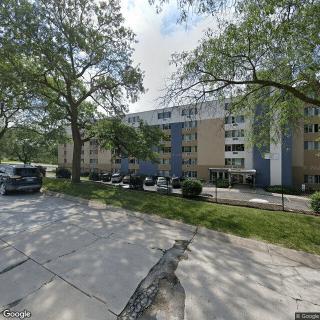
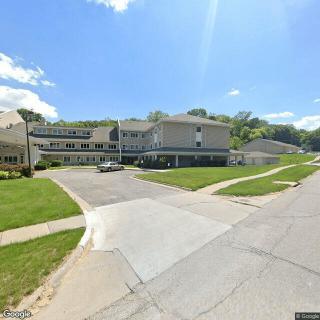
Alegent Health is located at 800 Mercy Dr, Council Bluffs, IA 51503 in Pottawattamie County, Iowa
Comprehensive Guide to Medicare Coverage for Hospice Care

Hospice care focuses on providing comfort and support for individuals nearing the end of life, with Medicare Part A covering services like nursing care and counseling for patients with a terminal illness and a life expectancy of six months or less. While most hospice services are low-cost for eligible patients, families should be aware that certain expenses, such as room and board, may not be covered.
Caring for Those Who Care: Recognizing, Understanding, and Overcoming Caregiver Burnout

Caregiver burnout is a common issue resulting from the intense physical, emotional, and mental demands of caregiving, leading to symptoms like fatigue and social withdrawal. To prevent burnout, caregivers should recognize early warning signs and implement self-care strategies, seek support, and prioritize their own well-being alongside that of those they care for.
Caregiver Exhaustion: Recognizing the Signs and Restoring Your Well-Being
Caregiver exhaustion, or burnout, stems from the relentless demands of caregiving, leading to emotional and physical depletion characterized by stress, frustration, and neglect of personal needs. Addressing this burden is essential to prevent long-term consequences, with early recognition and support being crucial for caregivers to maintain balance and implement self-care.