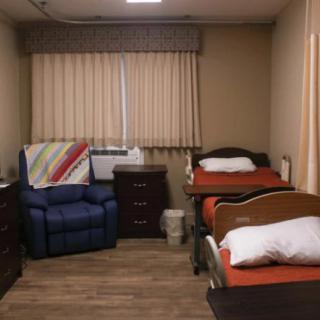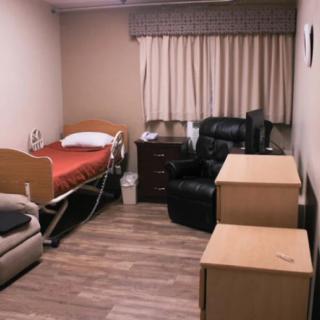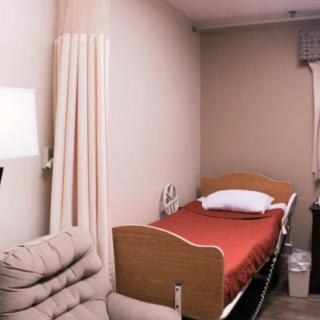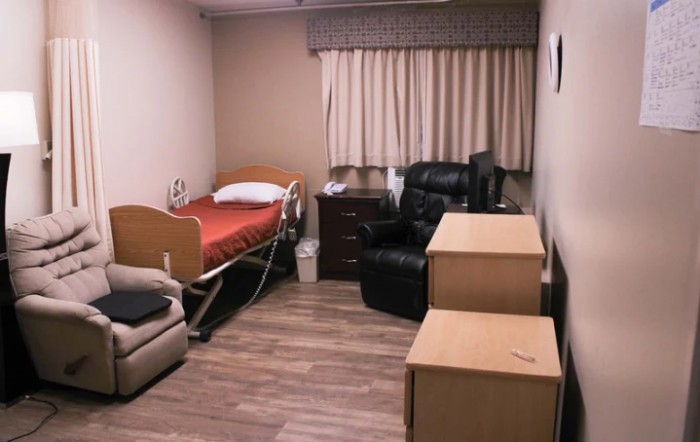
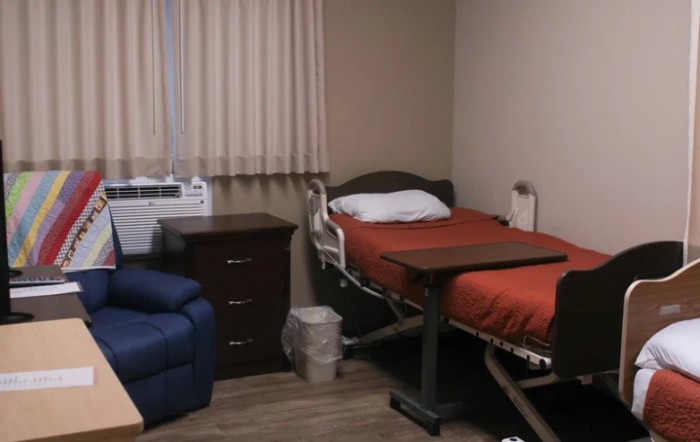
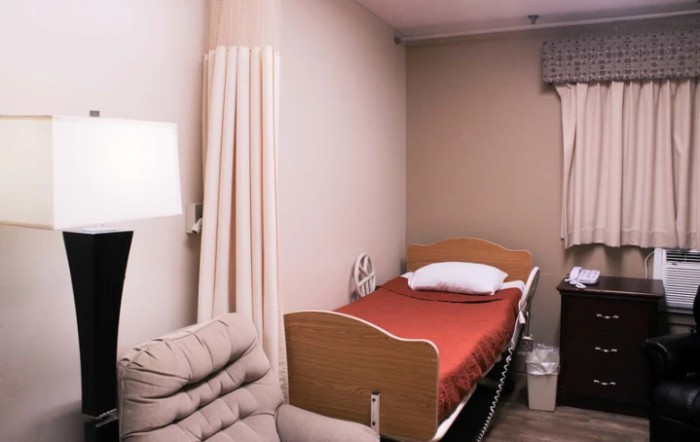
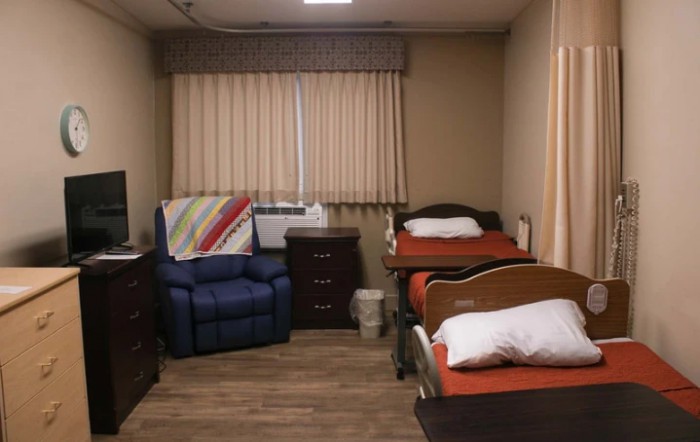
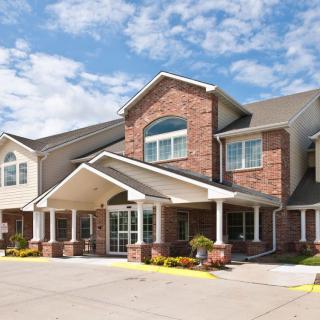
34 Northcrest Drive, Council Bluffs, IA 51503
For more information about senior living options: (866) 208-4318
Overall Review of North Crest Living Center
Pros
 The staff at Northcrest coordinate care with exceptional professionalism.
- The administration provides comfort and utmost professionalism, putting families at ease.
- The RNs, CNAs, food service, and laundry staff consistently give their best and treat residents like family.
- The staff are kind and create a welcoming, family-like environment for residents.
- Families would wholeheartedly recommend Northcrest to others.
- The care team listens to residents' requests and acts promptly to address them.
- The front office provides helpful support, including Medicaid approval assistance.
- The physical therapy team is highly supportive in helping residents regain function.
Cons
 They were disappointed with the facility.
- The administrator was rude, accusatory toward the family, and dismissed valid concerns.
- Staff reportedly said they wouldn’t take care of him because he was going to die, which is deeply troubling.
- The grandfather reportedly went without meals for two of his first 24 hours, and his oxygen level was inappropriately low (2 instead of 6).
- The administrator was described as argumentative and passive-aggressive toward family members.
- The reviewer was appalled by the handling and escalated the concern to the director of nursing.
- They worry that administrators displaying such attitudes could mistreat elderly residents.
Review
Northcrest Living Center in Council Bluffs is best suited for seniors who want a hands-on, family-style care environment where dedicated staff deliver consistent warmth, strong rehab flow, and easy accessibility to services. The community shines for residents transitioning from skilled rehab into long-term care, or for those who simply crave daily interactions with caregivers who treat residents like kin. Families seeking a facility with a genuine hometown feel, where cleanliness, regular housekeeping, and a responsive front office are part of the standard experience, will find Northcrest a compelling option. The combination of attentive nursing and practical amenities makes it particularly appealing to those who prioritize tangible daily supports, dependable meal service, and meaningful activity engagement as part of ongoing quality of life.
Those weighing alternatives should consider options if administrative consistency and overt 24/7 oversight are non-negotiables. A handful of reviews signal that communication style and the tone of leadership can become a sticking point for some families, particularly when stress and emotions run high during transitions or when disputes arise. For families with residents who require highly specialized memory care, ultra-rigorous administrative accountability, or a higher appetite for modern facility polish and formal governance, it may be prudent to compare other campuses. In short, Northcrest’s strengths rest on its caregiving culture and intimate, personal approach; those seeking a more formal or centralized command structure or a facility with different care emphasis may want to look elsewhere as part of a careful screening process.
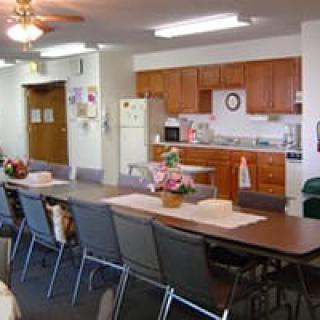
The core strengths are practical and substantial. Caregivers and clinicians at Northcrest are repeatedly praised for their depth of experience and their willingness to go the extra mile. The communications and coordination around care, especially between nursing staff and families, land with credibility; the team is seen as genuinely attentive, responsive to requests, and capable of turning plan adjustments into action. Families consistently note strong rehab outcomes, with therapists who are proactive, encouraging, and creative about getting residents moving and building toward home. The staff’s daily routines, from dietary service to laundry and housekeeping, contribute to a tidy, welcoming environment. Residents are described as being welcomed, soothed, and guided through transitions with a level of patience and kindness that reduces anxiety for both the person receiving care and the family observers. The facility’s intimate size helps create a “you know who you’re dealing with” atmosphere that many families value, and the upkeep of rooms, public areas, and dining spaces supports overall comfort.
On the cautionary side, several reviews flag issues that cannot be dismissed. A minority of experiences describe friction in interactions with administration, including concerns about tone, name-calling, or dismissive responses when families raise questions. There are specific incidents cited where meal service or routine oversight did not meet expectations, and where staff or leadership behaviors left a family member feeling unsupported or misconstrued. While these accounts are not universal, they are meaningful signals that administrative culture and consistency matter to residents and families, particularly during sensitive moments of transition or crisis. In one troubling case, perceptions of dismissiveness around a medical or menu matter raised alarms about accountability and respect; another review notes a verbal confrontation that cannot be ignored. These threads remind prospective residents to probe how concerns are resolved, who is available for escalation, and what steps follow complaints.
The positive elements do not merely offset the negative notes; they redefine the decision calculus for most families. The overwhelming emphasis on compassionate, capable staffing, where caregivers are described as “like family”, offsets many concerns by delivering reliable daily care, meaningful engagement, and a sense of safety. Rehab programs are practical and effective, with therapists who are willing to push toward real functional gains; residents who enjoy activities discover new participation opportunities and social interactions that bolster morale. The atmosphere, bright, clean, and easy to navigate, combines with a straightforward process for Medicaid-related coordination, which can be a significant relief for families navigating funding and eligibility. In short, the practical advantages of Northcrest, and the credibility earned by staff across shifts, provide a solid counterweight to the more fragile aspects of administrative communication that some reviewers experienced.
For families evaluating Northcrest, the takeaway is action-oriented: prioritize a visit that emphasizes the interpersonal dynamics as much as the schedule and amenities. During tours, press for concrete examples of care coordination, ask how the front office handles Medicaid logistics, and request direct contact information for charge nurses or care coordinators who will be your primary point of reference. Clarify how concerns are escalated, the typical response times, and whether there is a formal family advisory approach to governance. If the goal is a warm, engaged care team that can deliver steady rehab progress and then sustain long-term well-being in a small, community-oriented setting, Northcrest delivers with credibility. If administrative friction or a particular need for strict, formal oversight is non-negotiable, it makes sense to compare with other options that emphasize those dimensions more prominently.
In sum, Northcrest Living Center stands out for families seeking honest, compassionate caregiving wrapped in a practical, homey environment. Its strongest appeal lies in the staff’s reliability, the effectiveness of rehab services, and the daily lived experience of residents who feel seen and cared for. The notable caveats center on administrative communication and some staff interactions that have left families feeling unheard or undervalued, reminders that governance and tone matter as much as care quality in the daily experience. For the right family, one that values warmth, tangible progress, and accessible support during transitions, Northcrest represents a credible, confident choice. For those who prioritize different governance dynamics or require specific care strictures, a careful comparison is warranted before making a final commitment.
 62 resident community capacity
 Skilled Nursing Facility
 Air-conditioning
 Beauty salon
 Cable or satellite TV
 Computer center
 Dining room
 Fitness room
 Fully furnished
 Gaming room
 Garden
 Housekeeping services
 Kitchenette
 Move-in coordination
 Outdoor space
 Private bathrooms
 Restaurant-style dining
 Small library
 Telephone
 Wellness center
 Wi-Fi/high-speed internet available
 Eppley Airfield (4 miles away)
 Community operated transportation
 12-16 hour nursing
 24-hour call system
 Activities of daily living assistance
 Assistance with bathing
 Assistance with dressing
 Assistance with transfers
 Diabetes diet
 Medication management
 Mental wellness program
 Special dietary restrictions
 Concierge services
 Planned day trips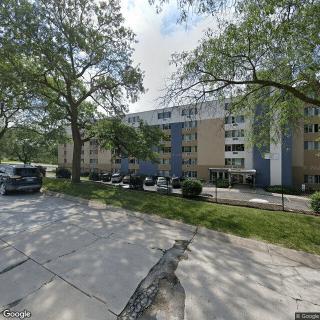

 Comprehensive Approaches for Arthritis: A Detailed Guide to Symptoms, Causes, and Care
 Comprehensive Insights and Practical Strategies to Help Older Adults Avoid Falls
 6 Crucial Ways an Elder Law Attorney Assists Families