
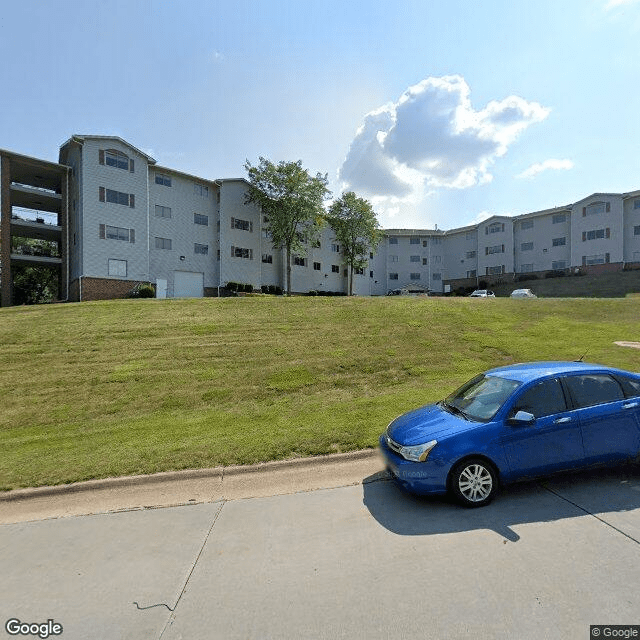
173 Bennett Ave, Council Bluffs, IA 51503
To contact a resident: (712) 388-9000
For more information about senior living options: (866) 208-4318
Harmony Court Council Bluffs Costs & Pricing
Harmony Court in Council Bluffs offers competitive monthly costs for its housing options, particularly when contrasted with both Pottawattamie County and the broader state of Iowa. For instance, a studio apartment at Harmony Court is priced at $935, which is significantly lower than the county average of $3,197 and the state average of $3,613. Similarly, the one-bedroom unit at Harmony Court costs $1,290 compared to $2,548 in Pottawattamie County and $2,862 statewide. Even the two-bedroom option remains affordable at $1,510, markedly less than the county's average of $2,236 and the state's figure of $3,329. This pricing makes Harmony Court an attractive choice for individuals and families seeking quality living arrangements without exceeding their budget in comparison to other options in the region.
| Floor plans | Harmony Court Council Bluffs | Pottawattamie County | Iowa |
|---|---|---|---|
| Studio | $935 | $3,197 | $3,609 |
| 1 Bedroom | $1,290 | $2,548 | $2,863 |
| 2 Bedrooms | $1,510 | $2,236 | $3,329 |
Independent Living communities with a similar price nearby
-
from -$110 / mo
The Wellington
$825 to $1,475 / month13.8 miles away -
from +$100 / mo
Risen Son Christian Village
$1,035 to $4,351 / month1.8 miles away -
from -$45 / mo
Sky Masters Village
$890 / month17.2 miles away
Overall Review of Harmony Court Council Bluffs
Pros
 It is very nice and clean.
- It is great for a loved one.
- It is a wonderful place to live with friendly staff.
- The residents are loving and grateful.
- It is a nice place for anyone.
Cons
 They felt alone and unsupported, realizing they still needed training that wasn’t provided.
- They were moved around and relearned things after promises of training.
- They couldn’t ask questions or defend themselves and weren’t allowed to present their side.
- They were told they no longer worked there on the last day, which felt suspicious.
- They were told to take five for pain despite a medical condition.
- They felt the place didn’t care about workers and had their own cliques.
- They wouldn’t recommend the place to anyone.
Review
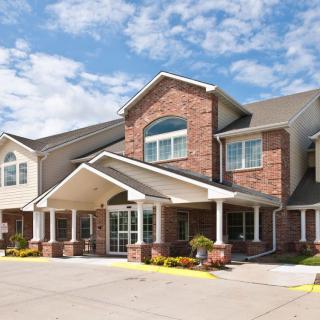
Harmony Court Council Bluffs is best suited for seniors who value a clean, inviting, socially active environment where daily life feels comfortable and residents can feel at home without demanding intensive medical oversight. It is particularly well-matched for independent or lightly dependent older adults who want a warm, approachable community and for families seeking a bright, well-kept setting with accessible staff and a friendly resident network. In short, this is a home for those who prioritize atmosphere, cleanliness, and social engagement over highly specialized care.
Those who may want to consider alternatives are residents with more complex medical needs or families prioritizing rock-solid staff training and transparent, resident-centered governance. A facility with consistent training, clear grievance handling, and stable staffing matters when medical or behavioral concerns arise. For memory care, cognitive support, or rapid medical responsiveness, this community may not consistently meet expectations, given reports of training gaps and uneven staff experiences. Prospective residents with pronounced needs should scrutinize staffing stability and care routines before deciding.
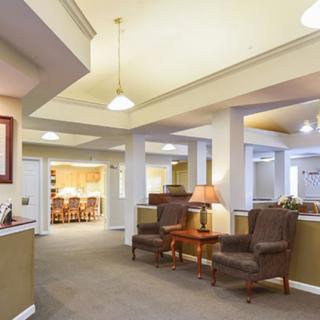
On the positive side, the strongest assets are evident in the environment and social fabric. The community is described as very nice and clean, with a friendly, welcoming tone that makes residents feel at ease and connected. For families, that translates into a lower-stress introduction to senior living and a tangible sense that neighbors and staff are approachable. The visible order, upkeep, and warmth can substantially offset shortfalls in other areas for residents who flourish in sociable settings and who do not require intense daytime supervision.
However, the most consequential drawbacks center on staff training, consistency, and resident advocacy. One review details a troubling experience around training gaps, miscommunications, and a sudden termination that felt punitive and opaque, underscoring an environment in which questions may go unanswered and disputes may not be fairly aired. Reports of cliques and limited opportunity to present a personal side of events suggest potential vulnerability in resident protection and in the reliability of day-to-day support. These issues do not vanish with a pleasant façade; they can erode trust and undermine the benefits of a friendly, clean setting when medical or daily-care needs change.
With those realities in mind, the community’s rating mix, multiple five-star experiences alongside a solitary one-star perspective, signals variable experiences rather than a uniform standard. Families should treat this as a caution to conduct thorough, firsthand investigations: request current resident and family references, observe staff interactions during tours, and probe for concrete policies on training, incident resolution, and caregiver consistency. Understanding how staff turnover is managed, what training cycles look like, and how resident concerns are escalated will reveal whether the favorable surface truly translates into dependable day-to-day care.
The bottom line is practical and decisive: Harmony Court Council Bluffs fits a particular niche, homesick-free living with a clean, convivial atmosphere and accessible, friendly staff that makes daily life pleasant for many. For families prioritizing a robust, transparent care framework, stable staffing, and assertive resident advocacy, alternatives may offer more predictability and peace of mind. A careful tour with pointed questions about training, staffing rhythms, and grievance processes will determine whether this community becomes a reliable home or a place that merely looks inviting on the surface.
 Independent Living
 Cats allowed
 Dogs allowed
 Activities off-site
 Bath tubs
 Beautician on-site
 Devotional services off-site
 Indoor common areas
 Outdoor common areas
 Eppley Airfield (5 miles away)
 Meals provided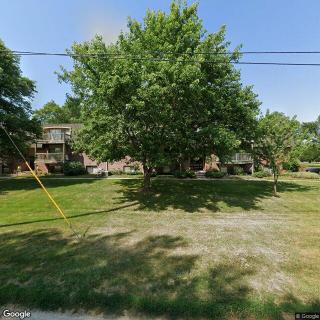



 Nurturing Our Elders: Linda's Journey of Supporting Her Mother
 A Comprehensive Exploration of Common Misunderstandings about Powers of Attorney
 Senior Move Management: Understanding the Role, Value, and Associated Costs