For more information about senior living options: (866) 208-4318
3.9 from 38 reviews
5 stars
24
4 stars
3
3 stars
3
2 stars
0
1 stars
8
The Gardens of Cedar Rapids Costs & Pricing
The Gardens of Cedar Rapids presents a premium living experience, reflected in its monthly costs that notably exceed both Linn County and state averages. For instance, a one-bedroom unit is priced at $5,075, which is significantly higher than the county's $3,097 and the state's average of $2,862. Similarly, the two-bedroom option at The Gardens is set at $5,835, compared to Linn County's $3,825 and Iowa's average of $3,329. The studio units take this trend further with a monthly cost of $7,650, contrasting sharply with the county's rate of $3,933 and the state's average of $3,613. These figures illustrate that The Gardens of Cedar Rapids positions itself as a high-end residence with amenities and services likely tailored for those seeking an elevated lifestyle.
Floor plans
The Gardens of Cedar Rapids
Linn County
Iowa
1 Bedroom
$5,075
$3,097
$2,863
2 Bedrooms
$5,835
$3,825
$3,329
Studio
$7,650
$3,933
$3,609
Assisted Living communities with a similar price nearby
Residents and families frequently describe staff as kind, friendly, and attentive.
A large share of reviewers highlight caring, respectful staff who feel friendly and easy to work with day to day. Several describe prompt call-button response and staff who know them, while others mention strong support during transitions into skilled nursing or assisted living. A few reviews also note breakdowns—overwork, short staffing, or frustrations with management—but even those include acknowledgment that some individuals do care about residents.
common4 reviews mention this
Clean, well-maintained facility
Reviews repeatedly point to a clean, well-kept environment.
Multiple reviewers mention the facility feeling clean and newer or well maintained. One memory-care reviewer adds that the space is relatively new and well cared for, and another describes it as clean and well maintained. A small number of other reviews bring up maintenance and cleanliness complaints, including issues like a toilet not being cleaned promptly.
common3 reviews mention this
Activities keep residents engaged
Residents describe frequent activities that help keep people involved.
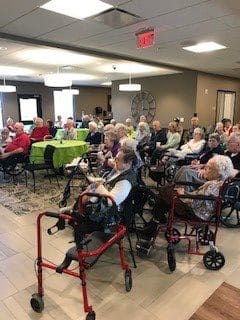
Reviewers mention a wide range of activities throughout the day and note residents staying involved. One reviewer also describes enjoying community festivities like a fall festival, and another says their loved one is always involved in activities. The community also offers structured on-site and off-site activity options, including scheduled daily programming and day trips.
common7 reviews mention this
Food quality is a frequent plus
Dining is repeatedly described as a strong point.
Several reviewers praise the quality of the meals and describe food they liked, including enjoyable dining and desserts. Some also mention variety and restaurant-style service, while one reviewer says their dad was not a fan of the food and that they believed changes were underway. Another reviewer specifically calls out convenient treats like coffee, popcorn, and ice cream for residents.
caveat6 reviews mention this
Short staffing and delays
Some reviewers report understaffing that leads to longer waits for help.
A recurring concern is short staffing, including descriptions of being short-handed, taking longer to respond, and having less service capacity than expected. Some reviewers also mention disruptive conditions at night, along with difficulty getting in touch with someone when help is needed. Others say the people are good and work hard, but that the quantity and timing of care can fall short when staffing is stretched.
caveat3 reviews mention this
Pricing feels high for services
Several reviews call out cost as a drawback.
Some reviewers describe the monthly cost as expensive relative to the services they received. One review also highlights an issue with refund handling after a loved one passed away. Another notes the cost as the main drawback and mentions that relocation may be required once a resident is out of money.
How we summarize
Counts show how many written reviews mention each theme; a review can touch several themes, and only frequently mentioned themes are displayed.
Features
Housing
40 resident community capacity
Types of Care
Assisted Living
Independent Living
Memory Care
Skilled Nursing Facility
Pets
Cats allowed
Dogs allowed
Amenities
Activities off-site
Activities on-site
Air-conditioning
Beautician on-site
Beauty salon
Cable or satellite TV
Devotional services on-site
Dining room
Fully furnished
Garden
Ground floor units
Handicap accessible
Housekeeping services
Indoor common areas
Kitchenette
Move-in coordination
Outdoor common areas
Outdoor space
Private bathrooms
Respite or short term stays offered
Restaurant-style dining
Small library
Telephone
Wheelchair accessible showers
Wi-Fi/high-speed internet available
Transportation
Eastern Iowa (5 miles away)
Care Services
24-hour call system
24-hour supervision
Activities of daily living assistance
Assistance with bathing
Assistance with dressing
Assistance with transfers
Diabetes diet
Diabetic care
High acuity care
Incontinence care
Meal preparation and service
Medication management
Mental wellness program
Special dietary restrictions
Dining
Diabetes diet
Gluten-free
Guest meals
Low / no sodium
Meals provided
No Sugar
Restaurant style dining
Room service
Special dietary restrictions
Vegan
Vegetarian
Activities
Art classes
Community-sponsored activities
Cooking classes
Day trips and outings
Devotional activities on-site
Educational speakers / life long learning
Happy hour
Live dance or theater performances
Live musical performances
Resident-run activities
Scheduled daily activities
Stretching classes
Trivia games
Wine tasting
Yoga / chair yoga
Nearby Places of Interest
Located in Cedar Rapids, Iowa, this neighborhood offers a range of amenities and services that may be of interest to seniors looking for a convenient and accessible place to live. With several medical facilities nearby such as MercyCare Edgewood and St Luke's Hospital, residents can easily access healthcare services. Additionally, there are pharmacies like CVS and Walgreens in close proximity for medication needs. The area also features various dining options including Pizza Ranch and Chick-Fil-A, as well as cafes like Starbucks for social outings or meals with family and friends. For recreational activities, residents can enjoy parks such as Cherry Hill Park and Cherokee Trail Park, offering opportunities for outdoor relaxation or exercise. Transportation options are also available with the Eastern Iowa Airport located just 4.5 miles away. Overall, this neighborhood provides a combination of healthcare facilities, dining options, recreational spaces, and transportation services that cater to the needs of older adults seeking a comfortable living environment in Cedar Rapids.
The Gardens of Cedar Rapids presents a premium living experience, reflected in its monthly costs that notably exceed both Linn County and state averages. For instance, a one-bedroom unit is priced at $5,075, which is significantly higher than the county's $3,097 and the state's average of $2,862. Similarly, the two-bedroom option at The Gardens is set at $5,835, compared to Linn County's $3,825 and Iowa's average of $3,329. The studio units take this trend further with a monthly cost of $7,650, contrasting sharply with the county's rate of $3,933 and the state's average of $3,613. These figures illustrate that The Gardens of Cedar Rapids positions itself as a high-end residence with amenities and services likely tailored for those seeking an elevated lifestyle.
The Gardens of Cedar Rapids offers a comprehensive range of features designed to support residents with dementia or Alzheimer's disease effectively. With 24-hour supervision, caregivers are always available to ensure safety and provide immediate assistance as needed. Activities of daily living assistance, which includes help with bathing, dressing, and transfers, promotes independence while ensuring that essential personal care needs are met respectfully and sensitively. Incontinence care is also provided, allowing residents to maintain dignity without added stress. Meal preparation and service are tailored to meet dietary preferences and nutritional requirements, fostering a sense of normalcy during mealtimes. Medication management ensures that residents receive their prescriptions accurately and on time, reducing the risk of missed doses or complications. Additionally, a dedicated mental wellness program engages residents in cognitive activities that stimulate memory retention and promote social interaction, further enhancing their overall quality of life.
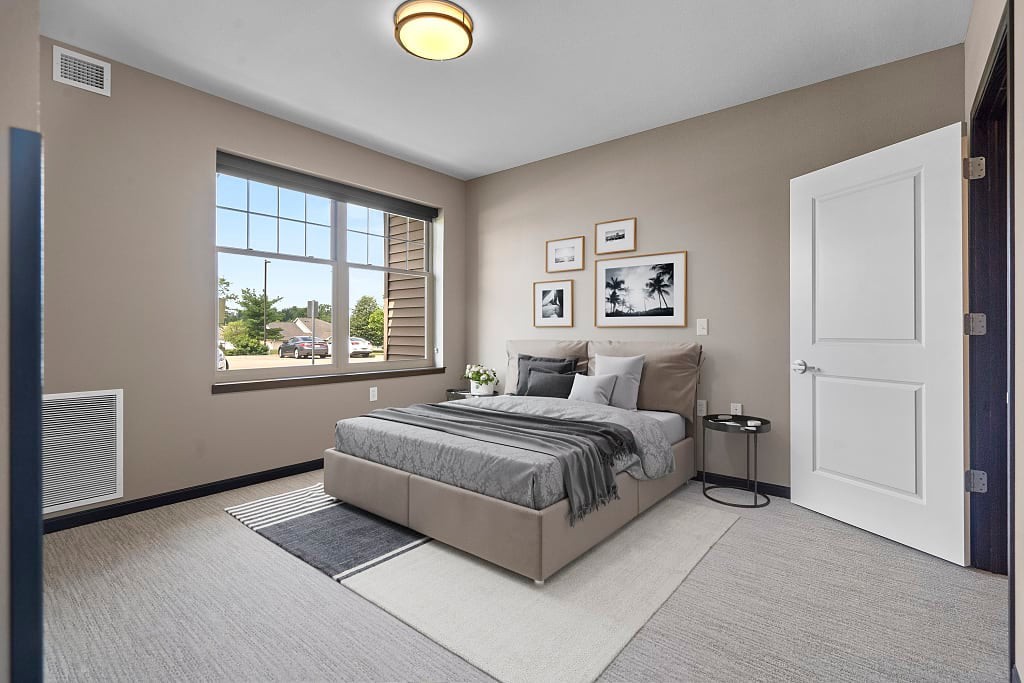
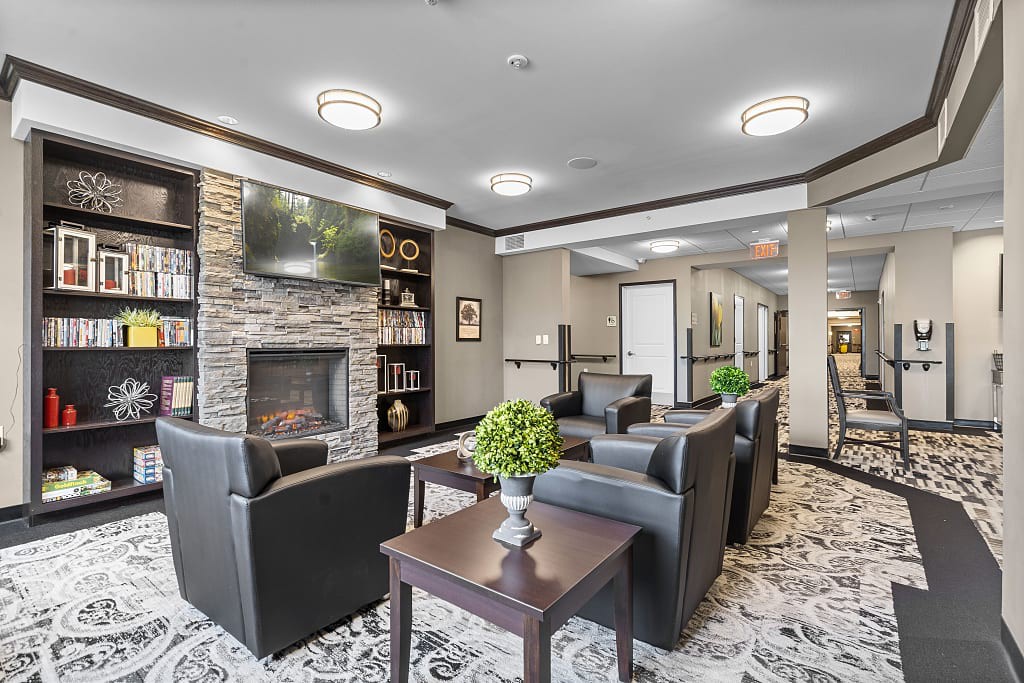
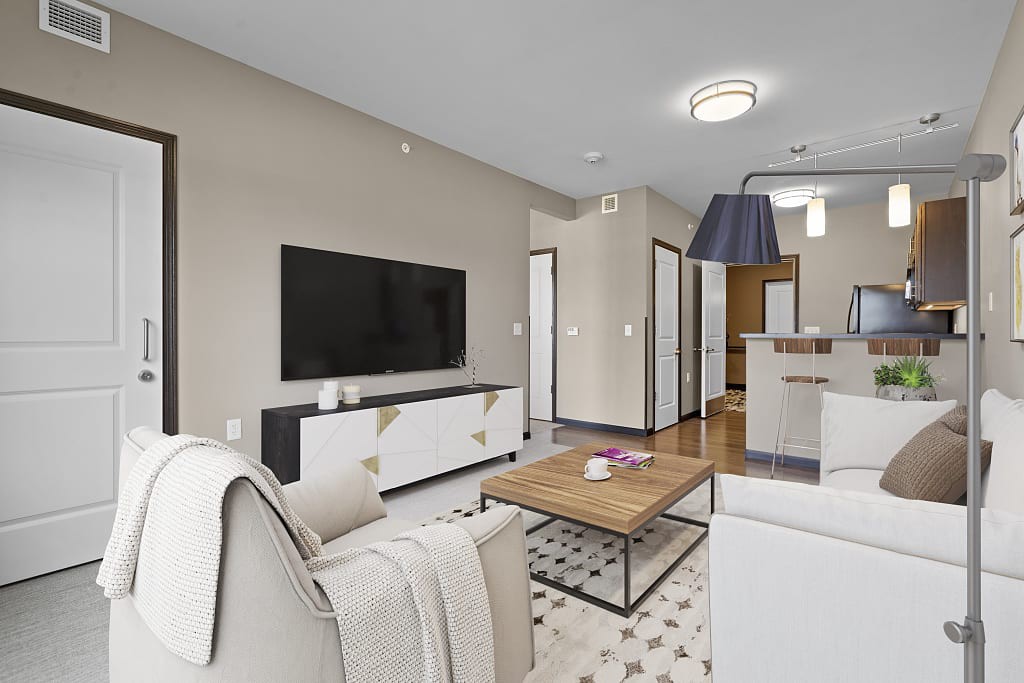
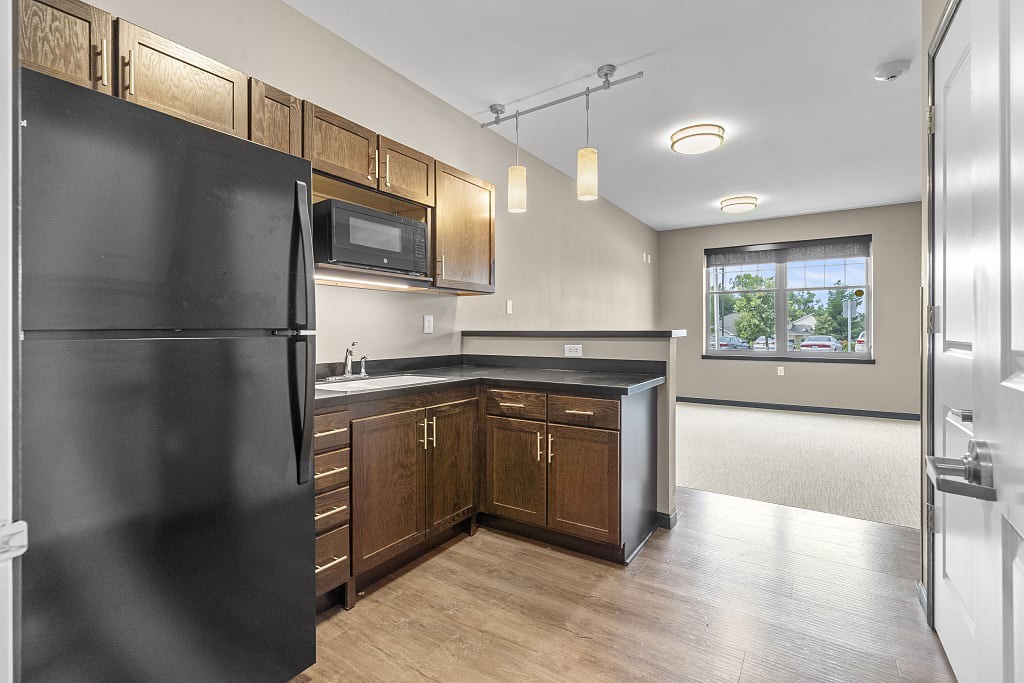
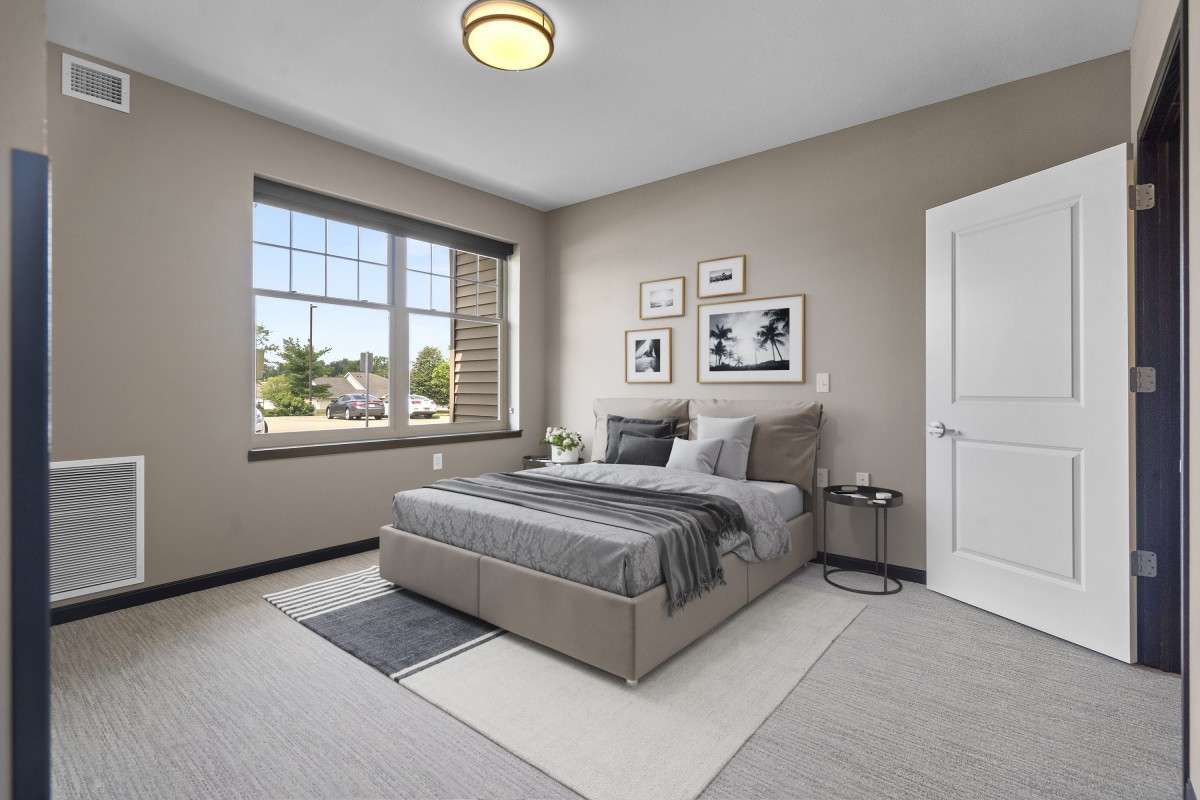
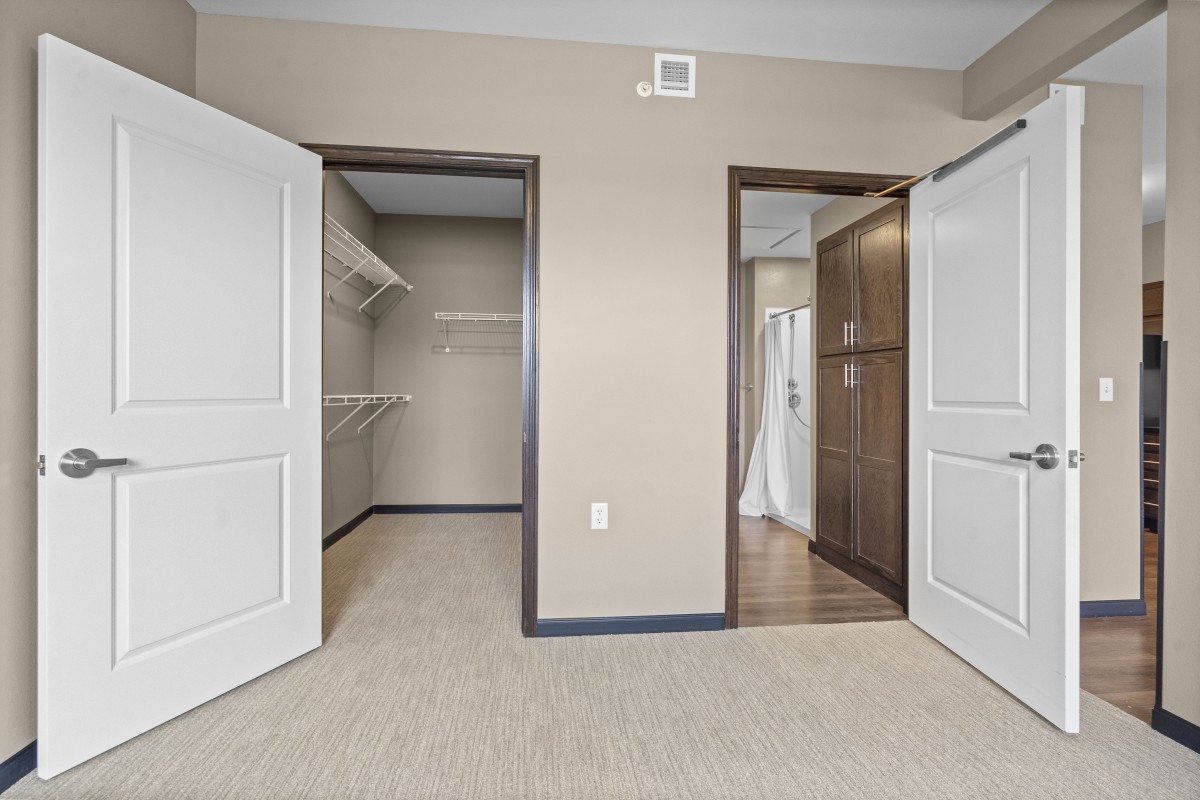
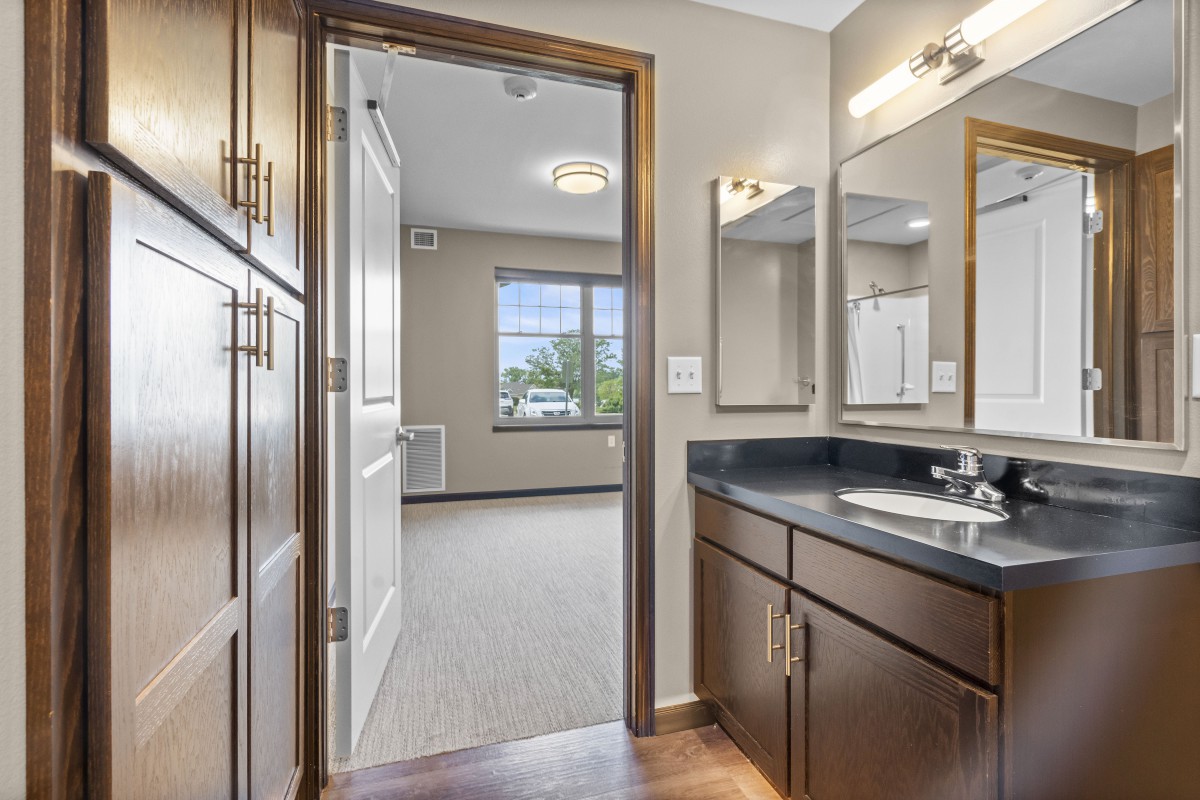
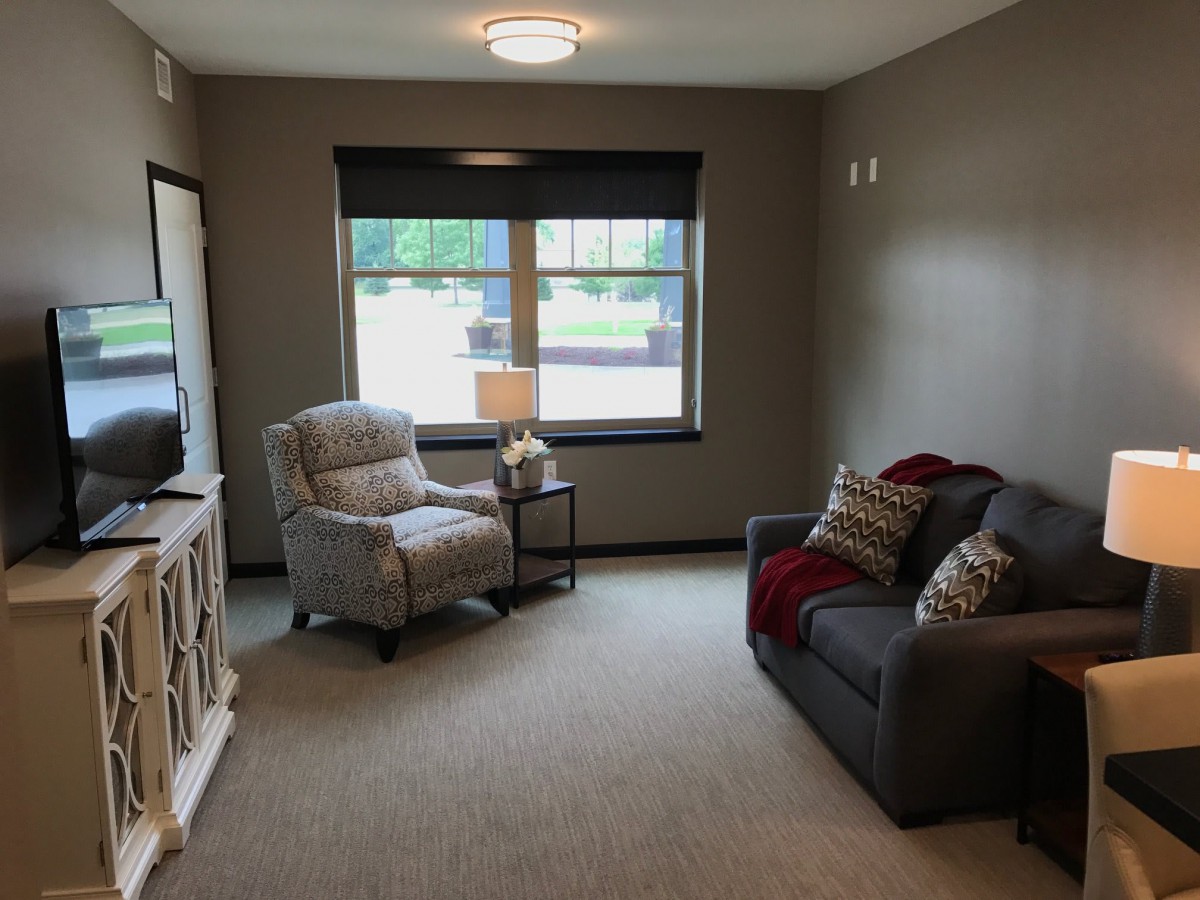
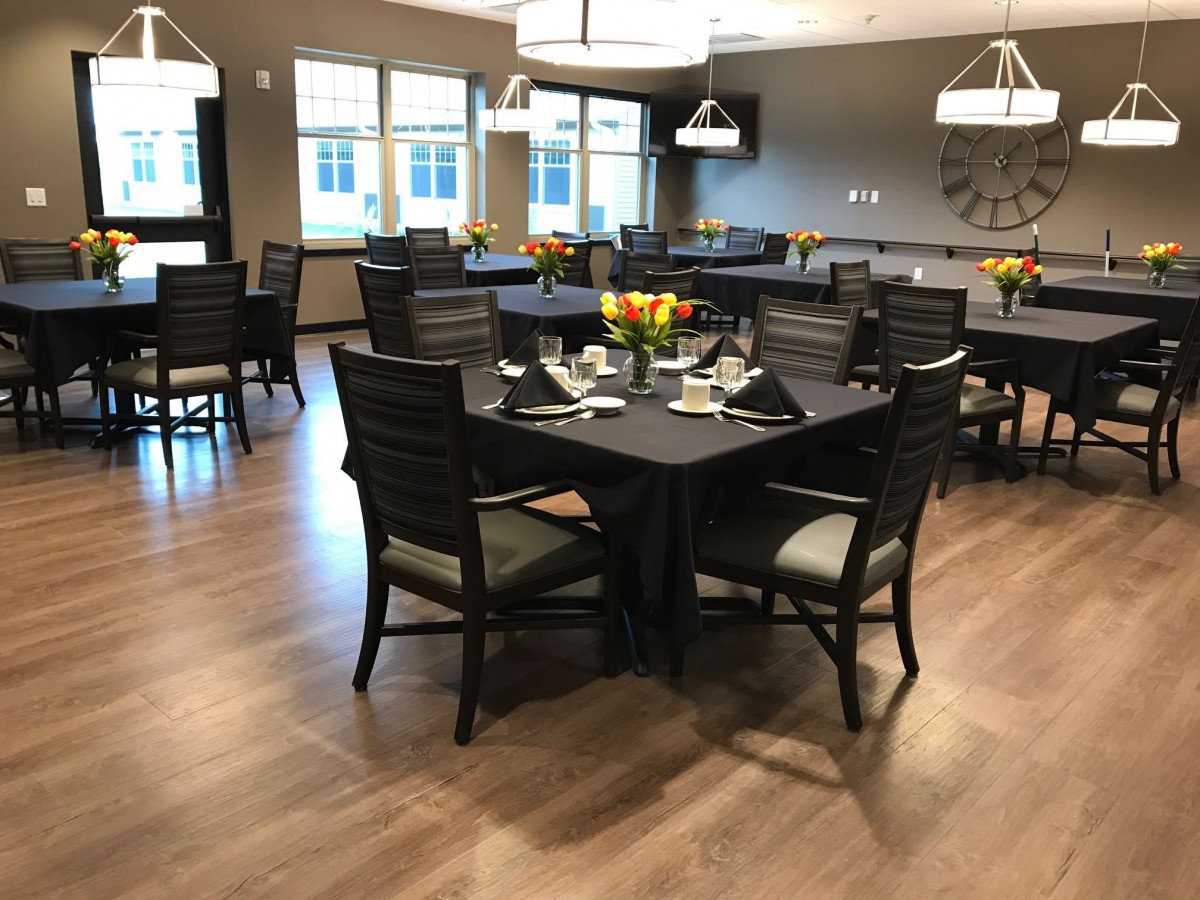
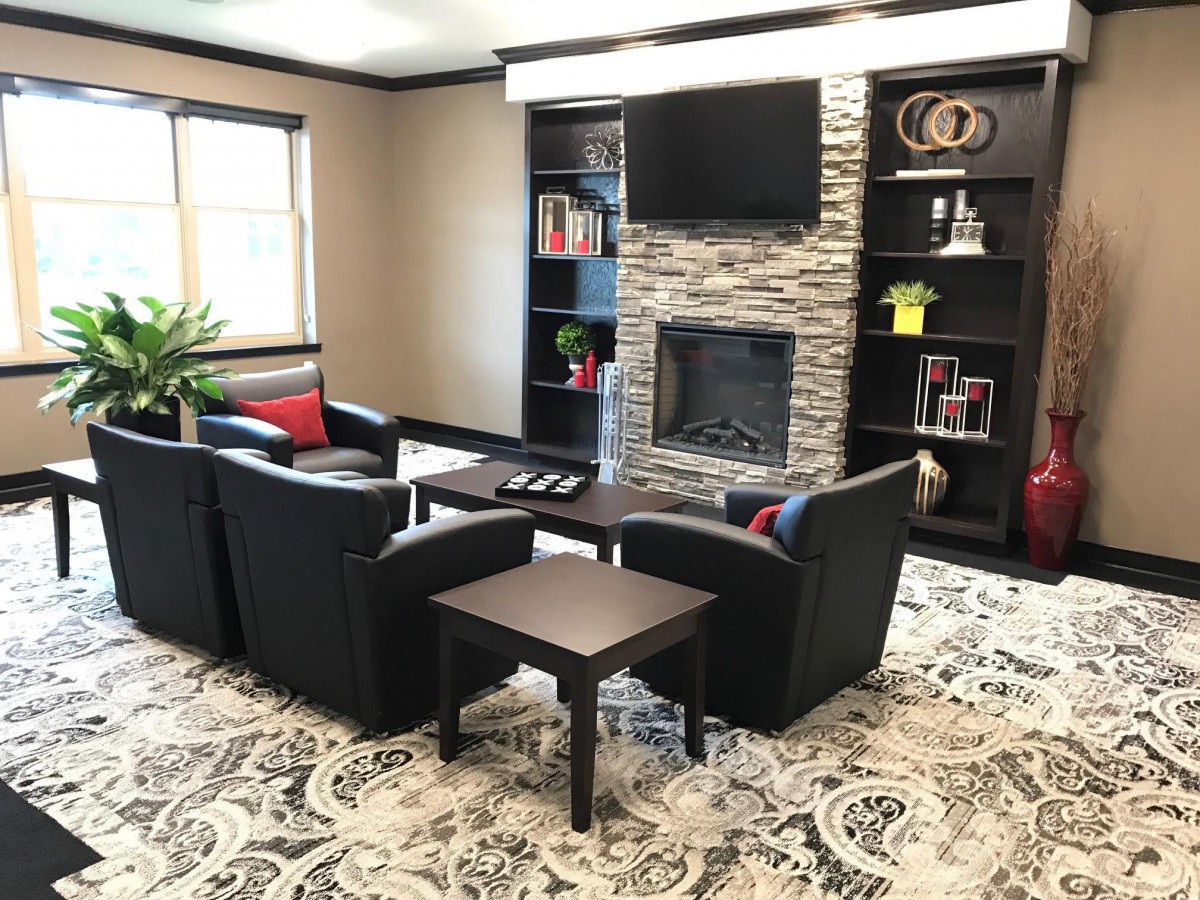
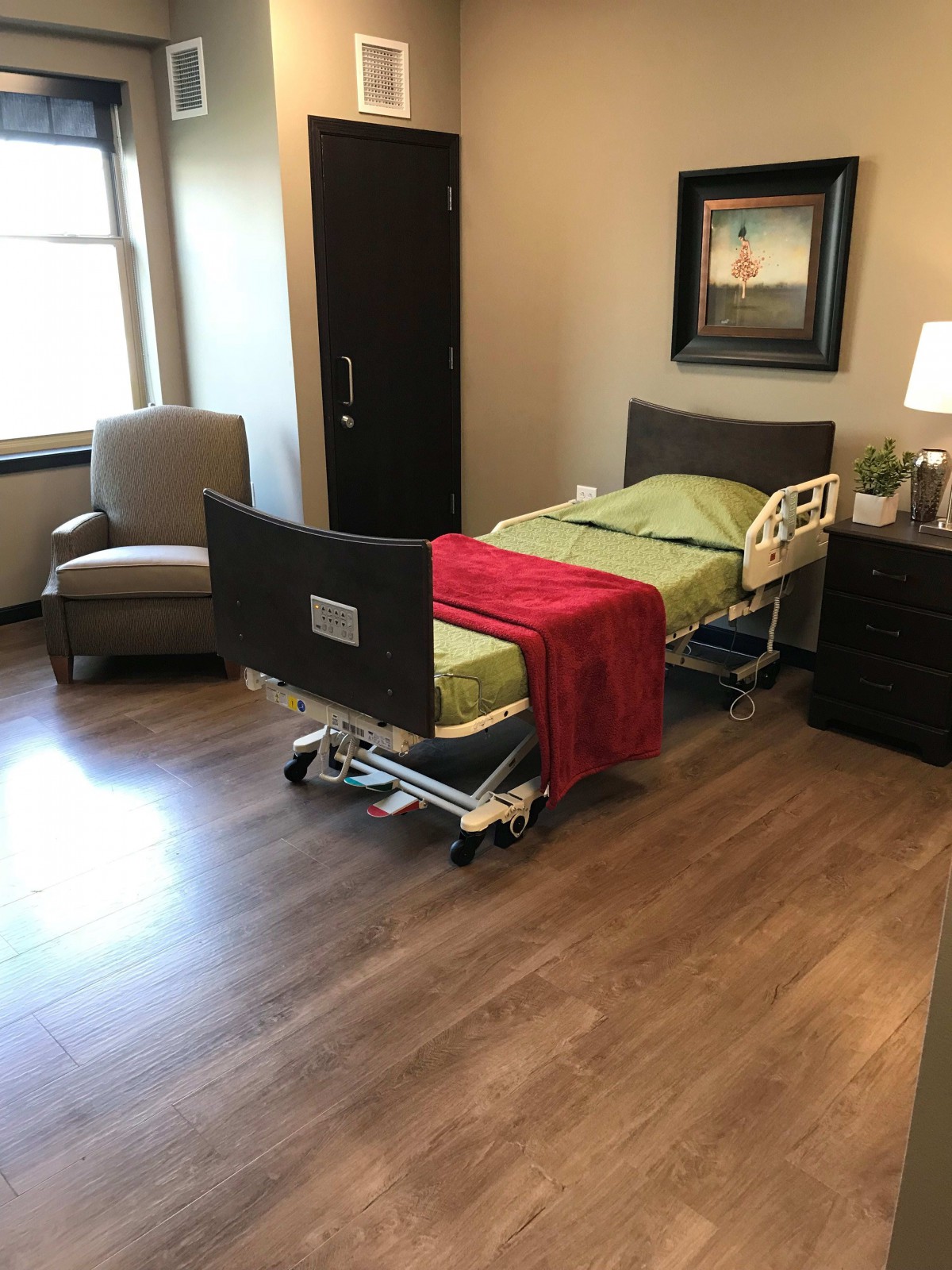
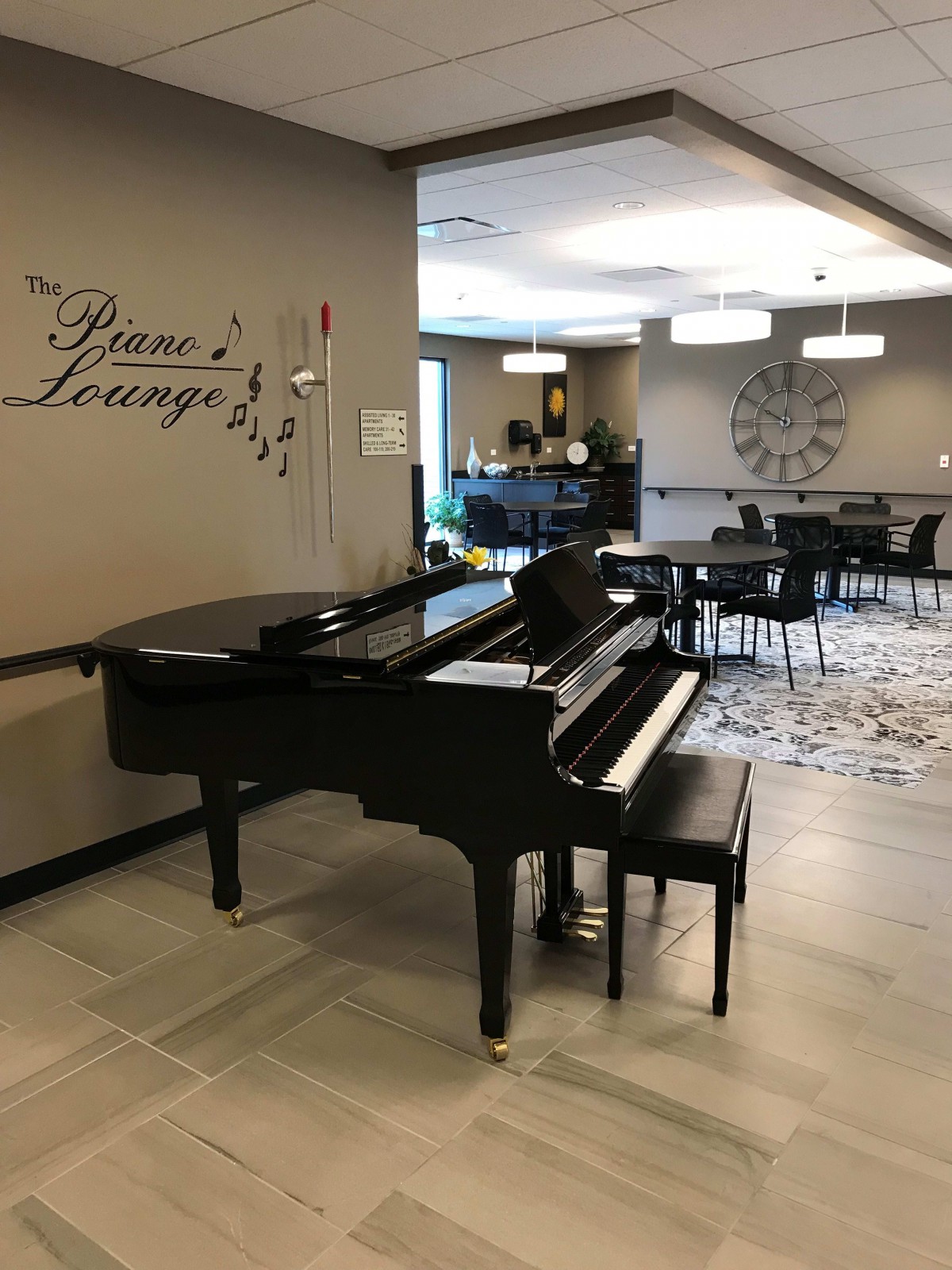
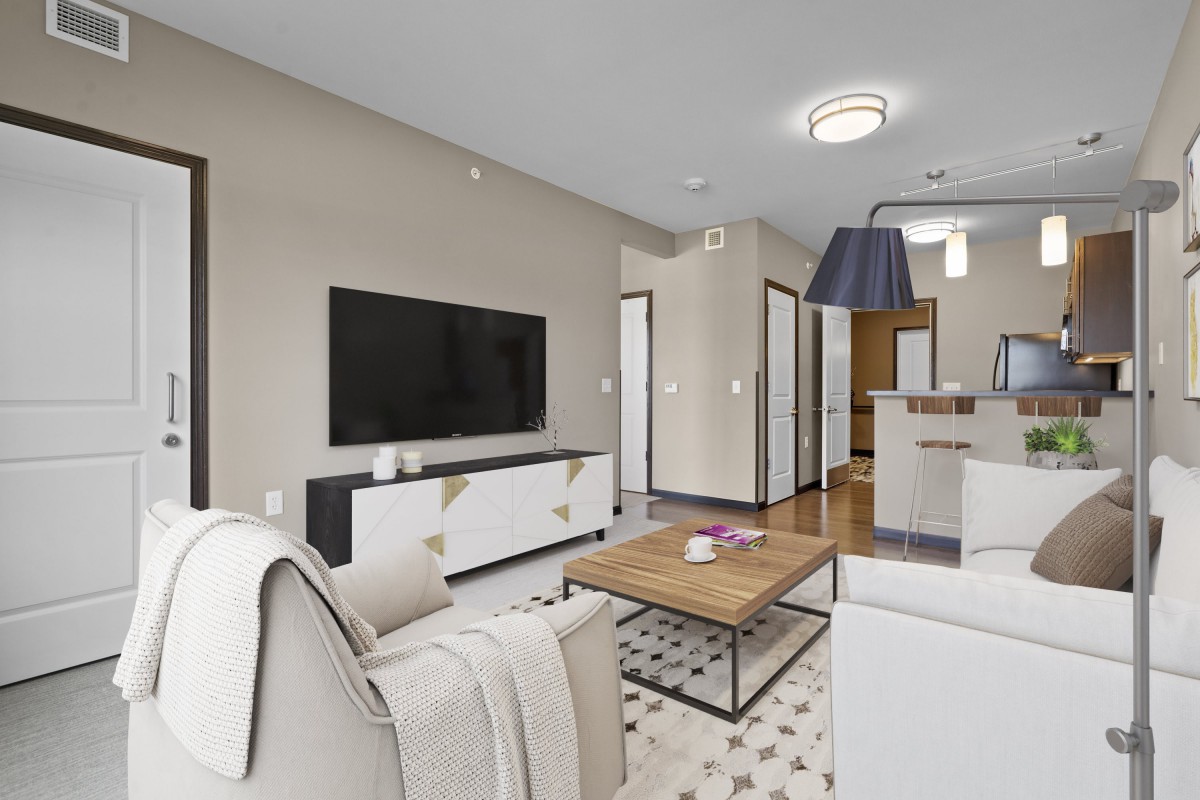
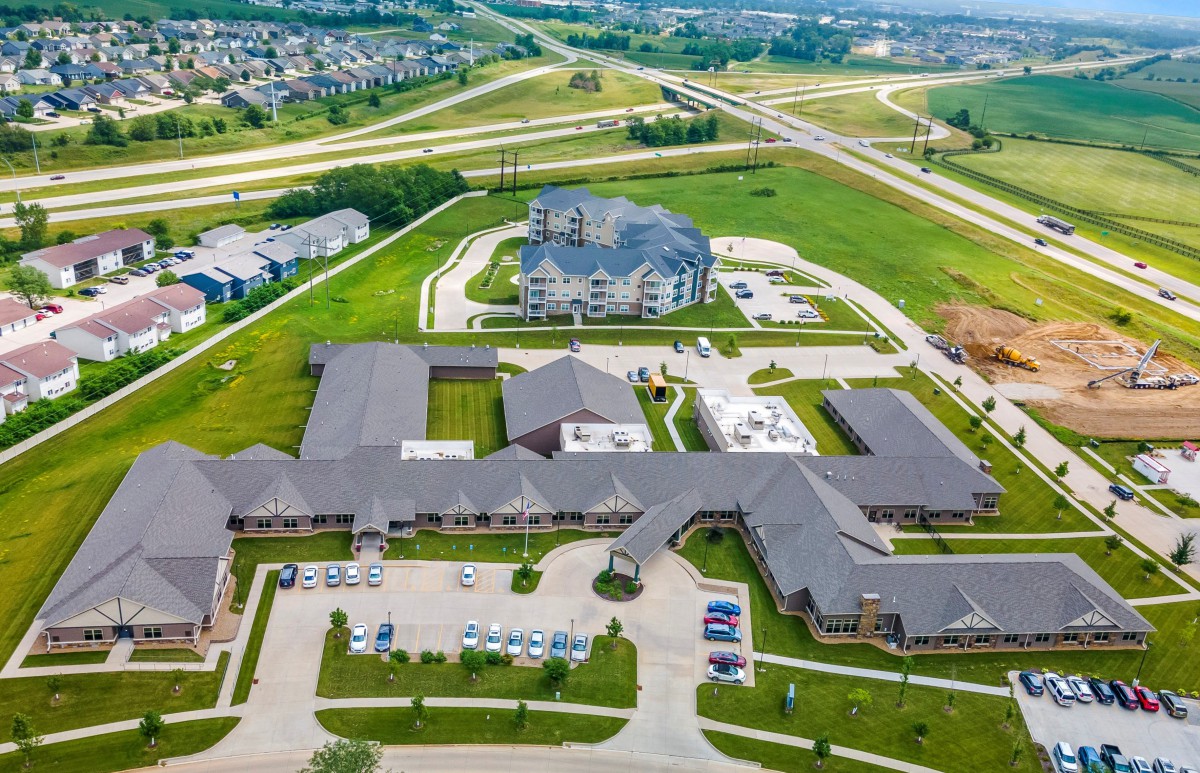
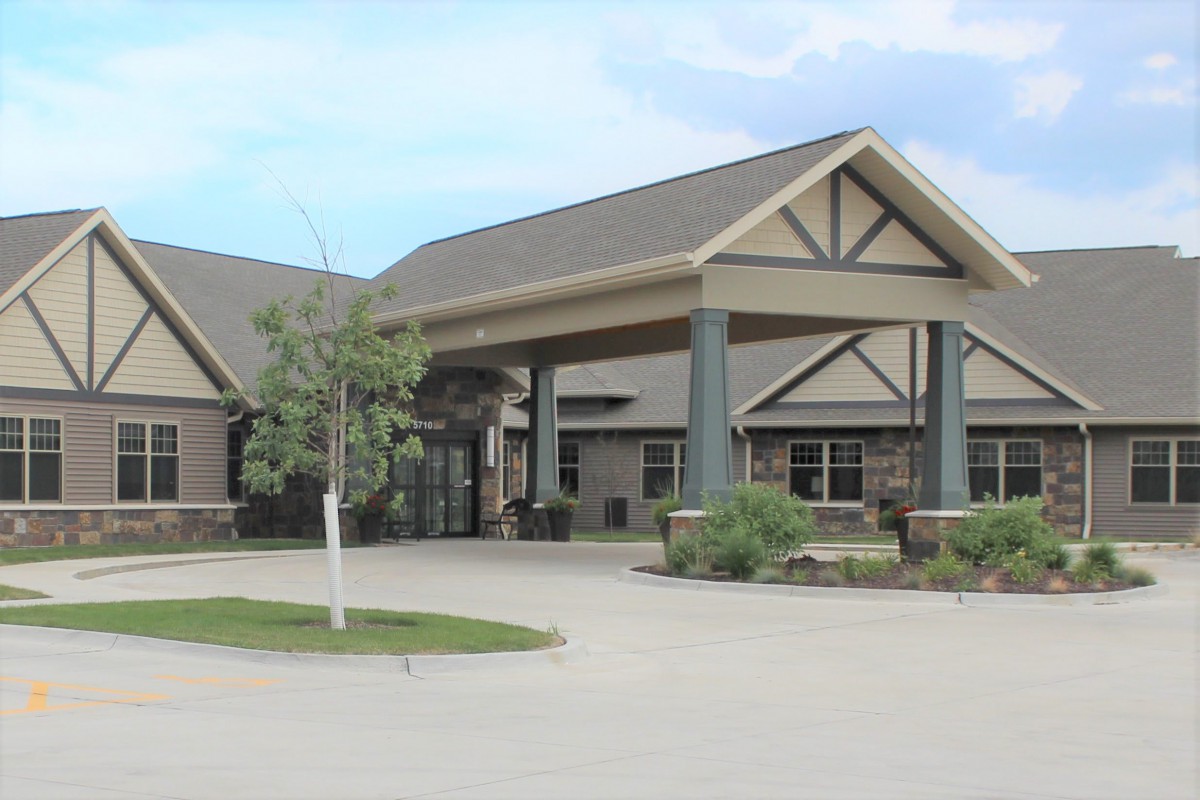
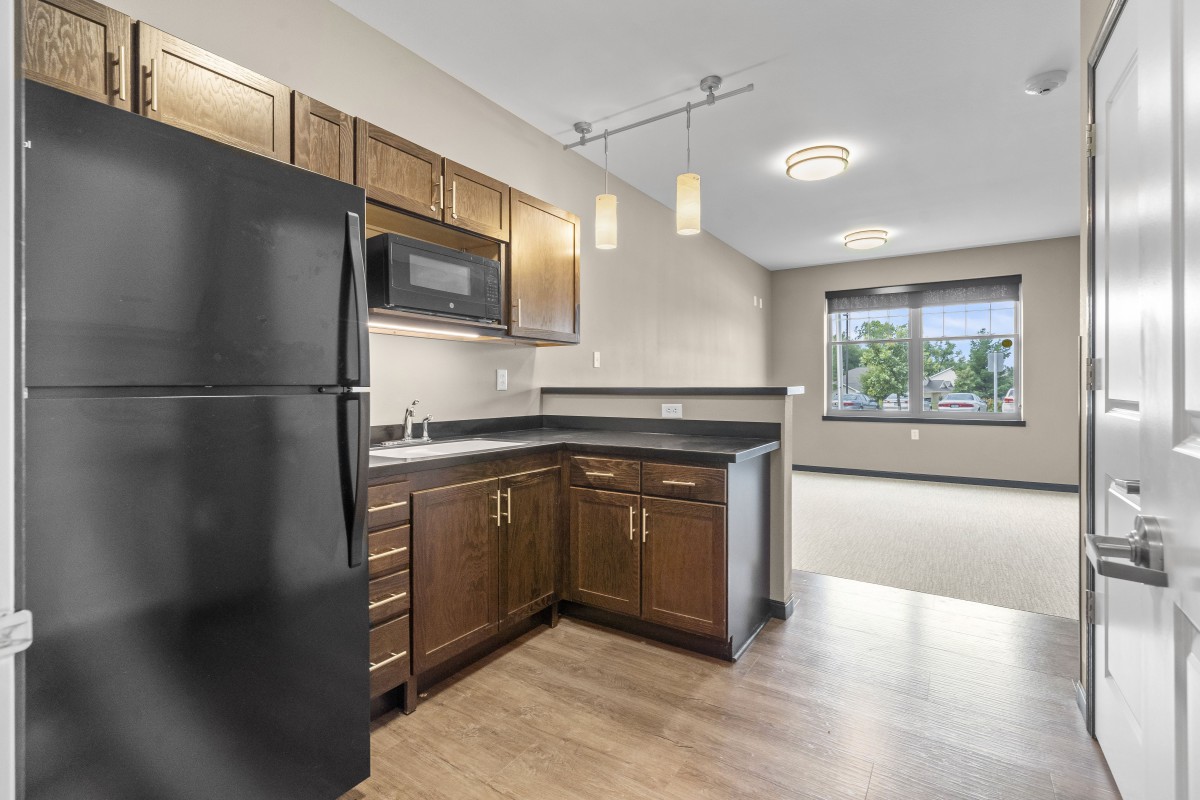
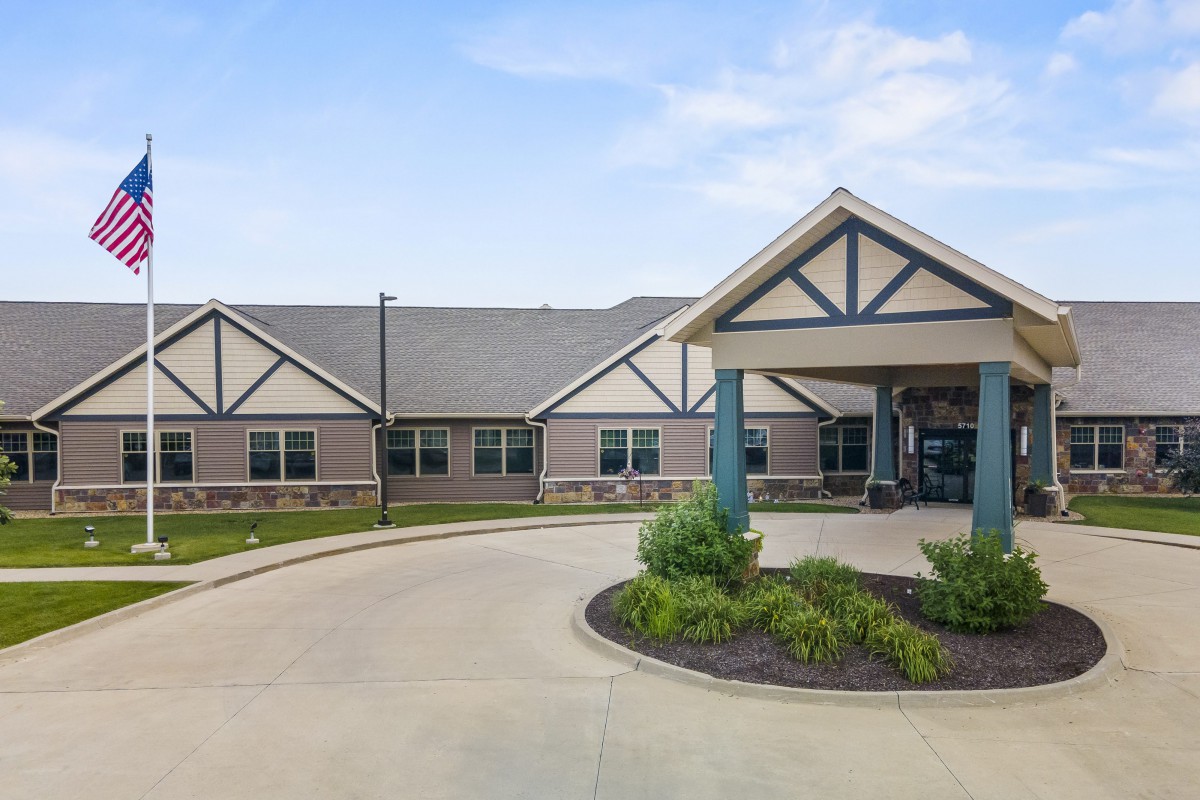
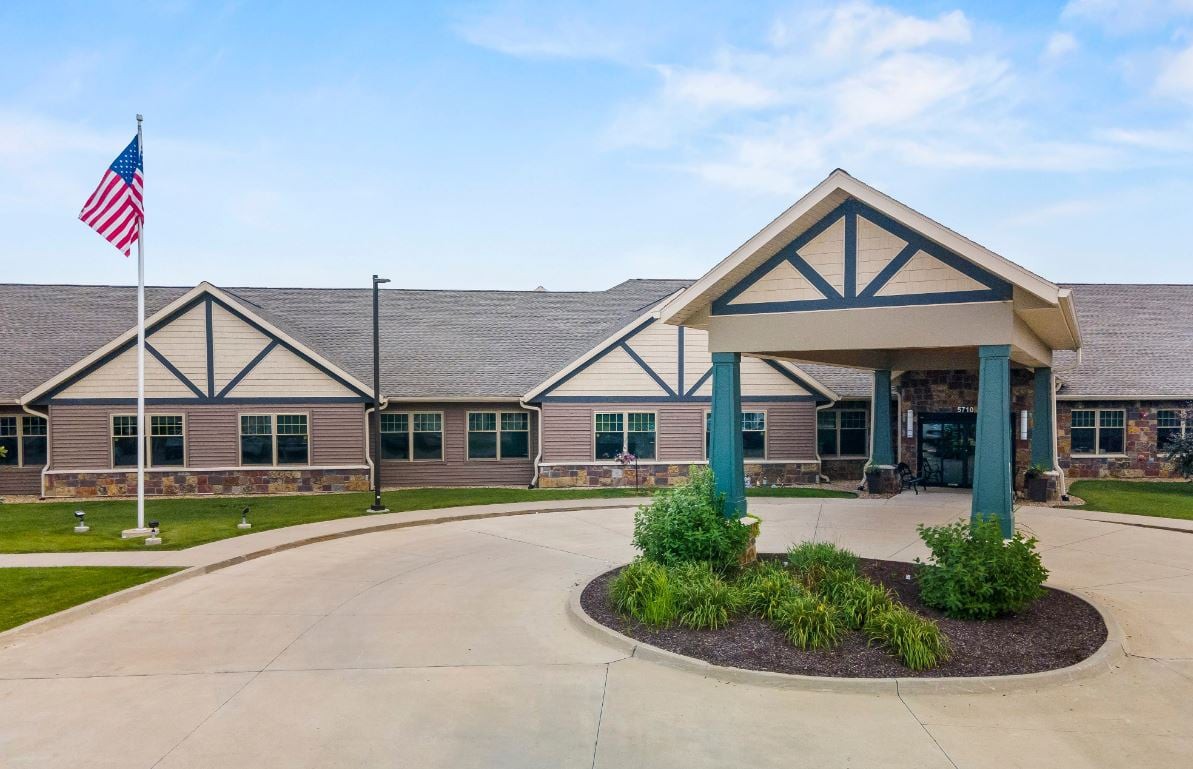
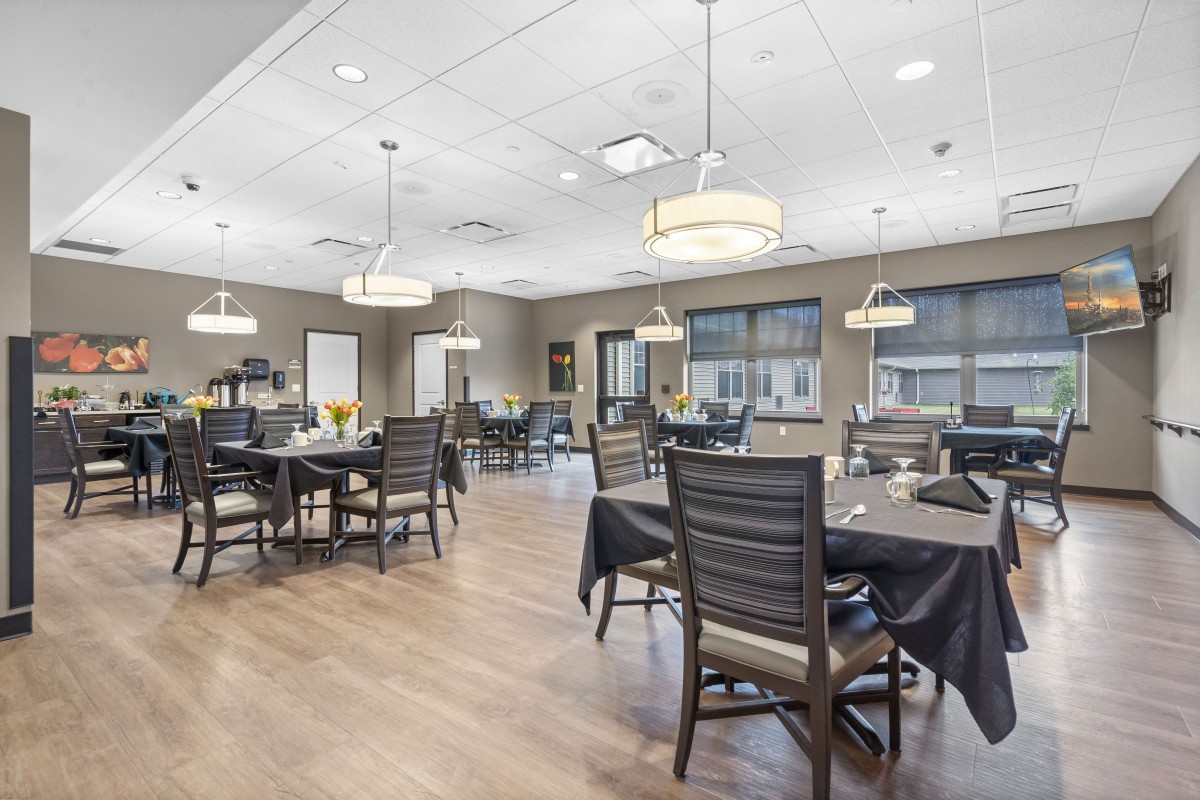
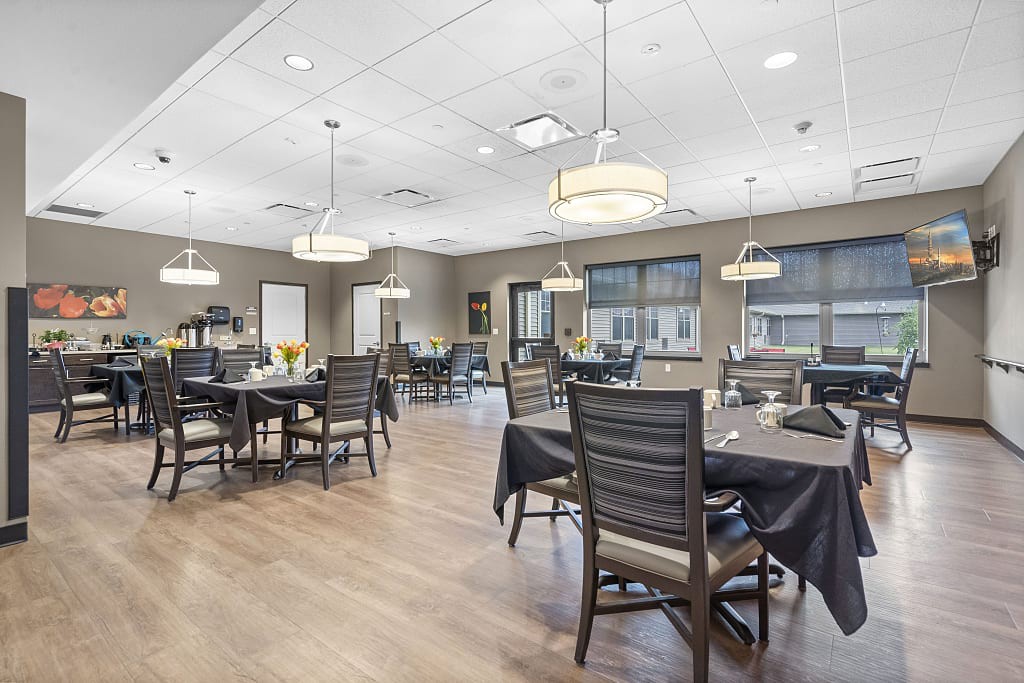
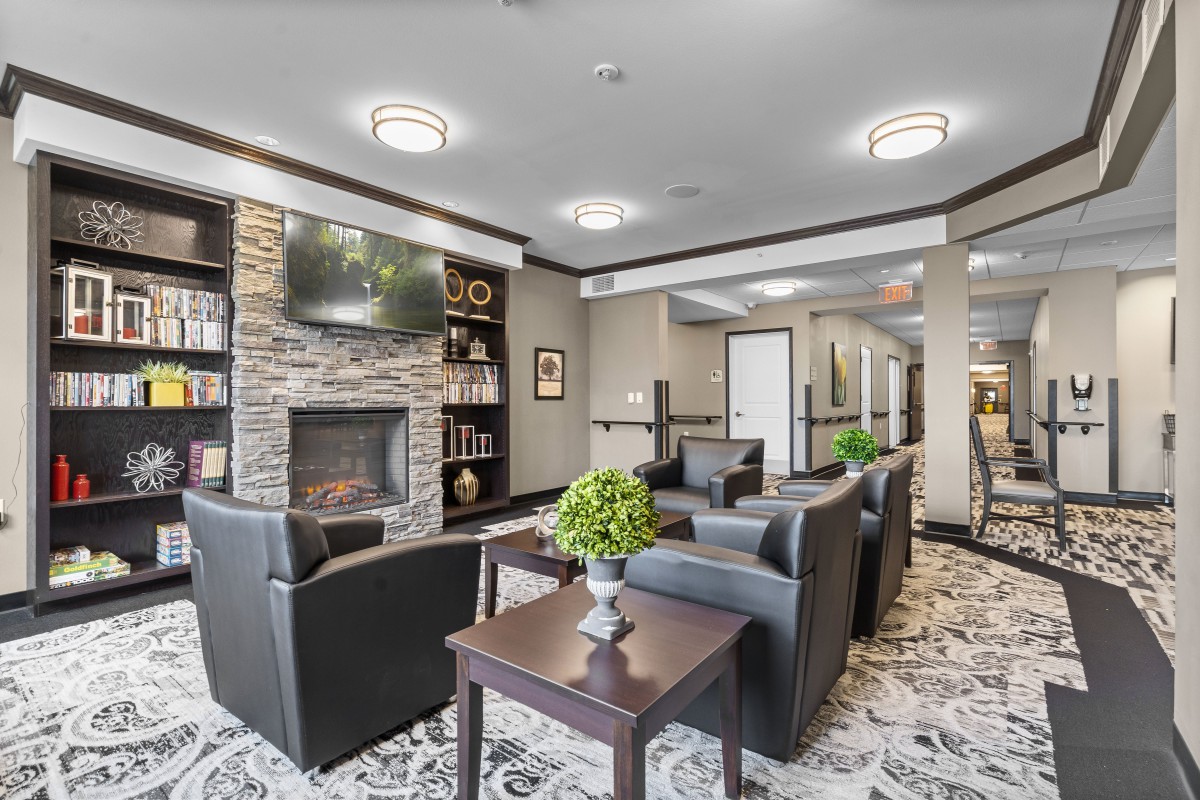
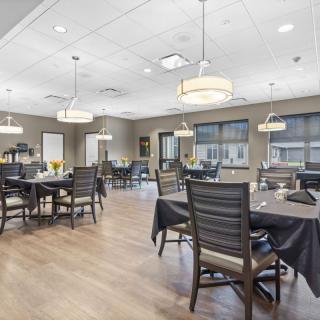
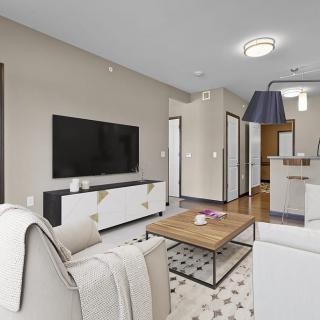
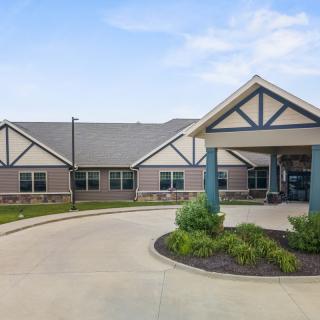
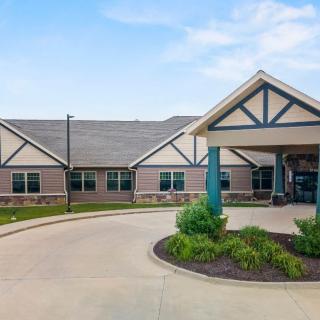
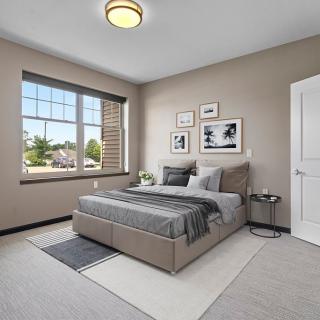
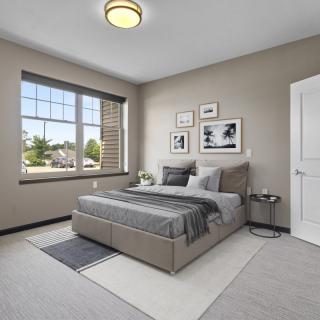
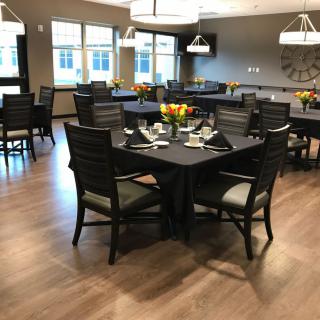
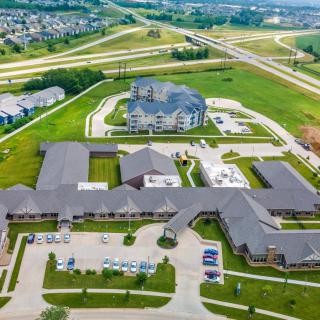
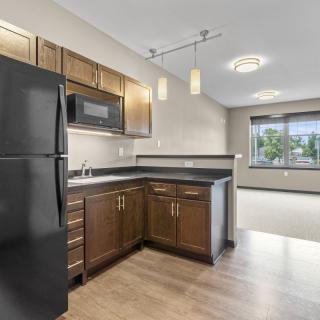
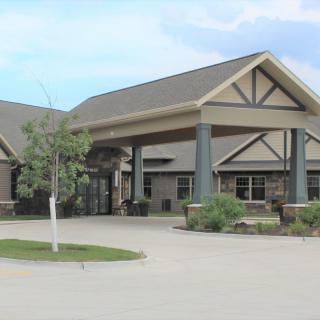
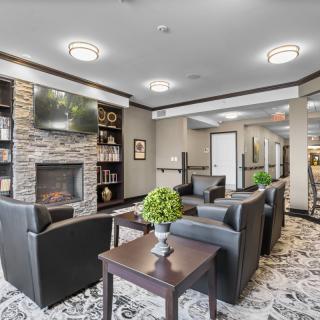
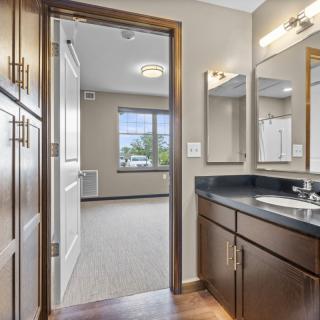
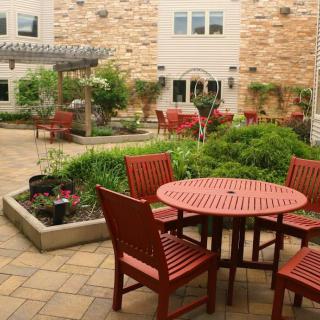
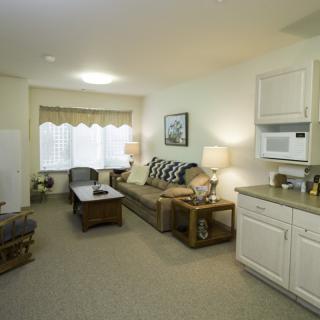
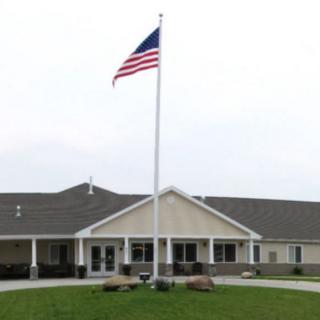
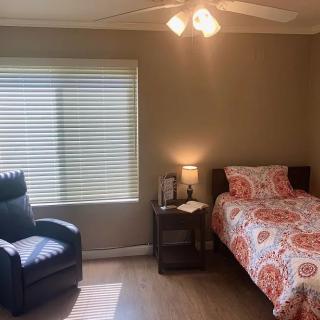
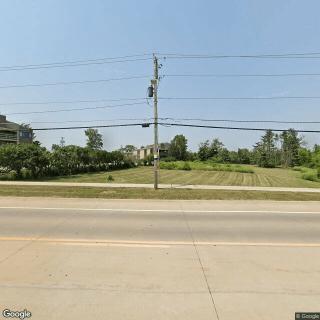
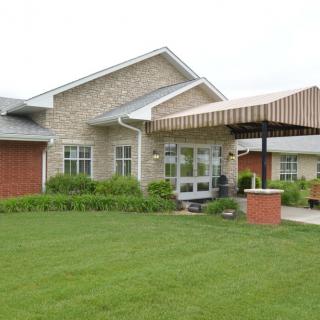
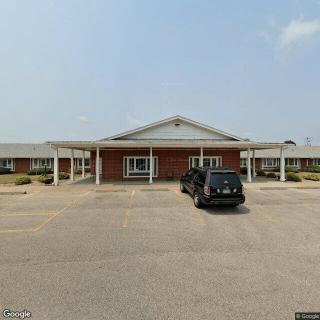
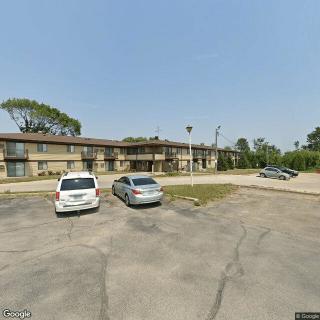
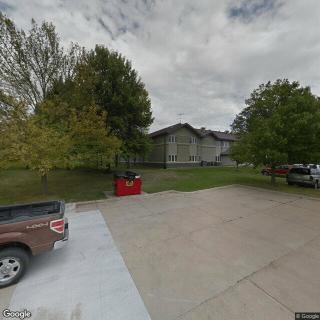
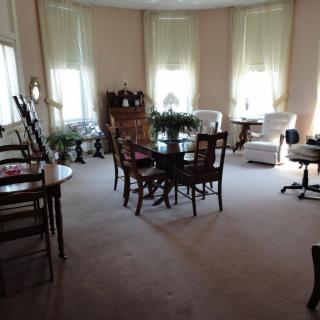
The Gardens of Cedar Rapids on seniors.fyi includes 25 photos including images showing interior, decor, living room, dining, landscaping, bedroom, windows, building, and more.
Nearby Communities
Prairie Gardens Co-Op
Cedar Rapids, IA
4.6 from 9 reviews
$900 to $1,443 / month
Affordable 1-2 bedroom pricing with comprehensive 55+ amenities.
Stoney Point Meadows
Cedar Rapids, IA
4.9 from 22 reviews
New, well-maintained facility with experienced memory care staff, spacious memory care rooms with kitchenettes, and culturally tailored meals.
Edgewood Apartments
Cedar Rapids, IA
3.8 from 22 reviews
$530 / month
Affordable 1-bedroom with on-site activities and ample nearby services for seniors.
Peony Park Apartments
Cedar Rapids, IA
5 from 1 review
Ample nearby amenities and healthcare access.
Heritage Specialty Care
Cedar Rapids, IA
2.5 from 73 reviews
Clean, well-maintained facility with friendly staff and engaging activities.
Heritage Nursing & Rehab Ctr
Cedar Rapids, IA
2.3 from 53 reviews
Diabetic care available with on-site activities and nearby healthcare options.
Cedar Village Senior Residences
Cedar Rapids, IA
4.6 from 11 reviews
$673 / month
Friendly, responsive staff with clear communication and engaging resident activities.
West Ridge Care Center
Cedar Rapids, IA
4.3 from 29 reviews
24/7 care with broad amenities and activities.
Kingston Hill
Cedar Rapids, IA
4.6 from 7 reviews
$2,165 / month
Affordable pricing compared to Linn County and Iowa averages.
The article presents five subtle indicators of dementia, such as memory lapses and mood swings, to help families assess cognitive decline in loved ones. It emphasizes early detection, open communication, and seeking professional help while providing practical support steps.
Dementia encompasses progressive neurological disorders that impair cognitive functions and can lead to paranoia due to cognitive decline and emotional changes. The article discusses the triggers of paranoia in dementia, caregiver strategies for managing it, and the importance of distinguishing between dementia-related paranoia and other psychiatric conditions.
Memory care activities are essential for improving the quality of life of seniors with cognitive impairments, as they stimulate cognitive function, promote well-being, and encourage social interaction through tailored strategies. These activities combine structured exercises with spontaneous tasks, sensory engagement, physical workouts, creative pursuits, and intergenerational interactions to enhance emotional connection and a sense of purpose.
Get PricingAsk A QuestionSchedule A TourContact Senior Advisor
By clicking submit, you agree to our Partner's Terms of Use. You
also consent to receive calls and texts, which may be autodialed, from our Partner. Your consent is not a condition to
using our Partner's service. Please visit our Partner's Privacy Policy for information about their privacy practices.


 40 resident community capacity
 Assisted Living
 Independent Living
 Memory Care
 Skilled Nursing Facility
 Cats allowed
 Dogs allowed
 Activities off-site
 Air-conditioning
 Beautician on-site
 Cable or satellite TV
 Devotional services on-site
 Dining room
 Fully furnished
 Garden
 Ground floor units
 Handicap accessible
 Housekeeping services
 Indoor common areas
 Kitchenette
 Move-in coordination
 Outdoor common areas
 Private bathrooms
 Respite or short term stays offered
 Restaurant-style dining
 Small library
 Telephone
 Wheelchair accessible showers
 Wi-Fi/high-speed internet available
 Eastern Iowa (5 miles away)
 24-hour call system
 Assistance with bathing
 Assistance with dressing
 Assistance with transfers
 Diabetes diet
 Diabetic care
 High acuity care
 Incontinence care
 Medication management
 Mental wellness program
 Special dietary restrictions
 Art classes
 Cooking classes
 Day trips and outings
 Educational speakers / life long learning
 Happy hour
 Live dance or theater performances
 Live musical performances
 Stretching classes
 Trivia games
 Wine tasting
 Affordable 1-2 bedroom pricing with comprehensive 55+ amenities.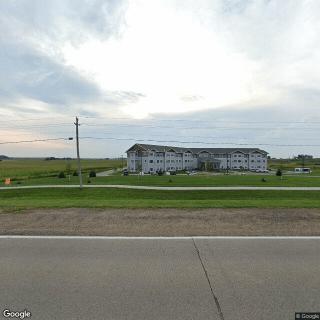
 Five Subtle Dementia Indicators to Observe: An In-Depth Guide to Understanding “Does My Mom Have Dementia?”
 Dementia, Paranoia, and Caregiver Guidance: Understanding the Connection
 Engaging Memory Care Activities That Enhance Quality of Life