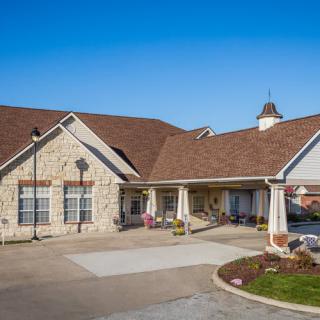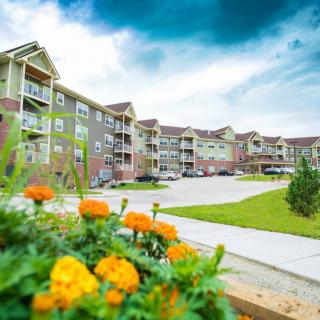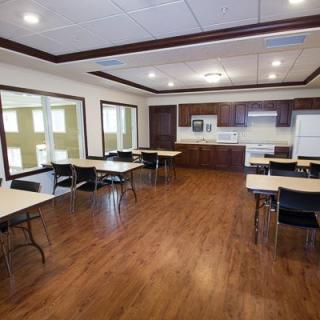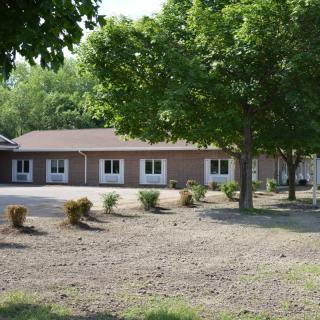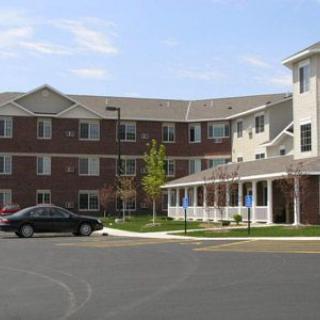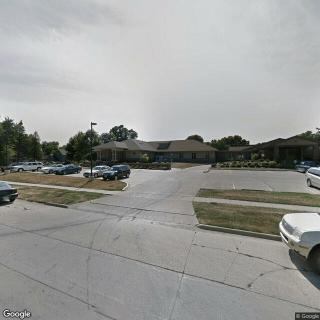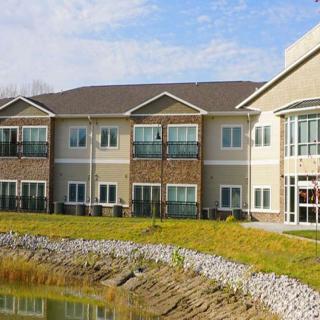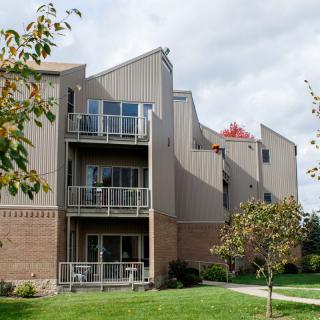
Northcrest Community in Ames, IA

Save

Northcrest Community in Ames, IA

1801 20th Street, Ames, IA 50010

For more information about senior living options: (844) 490-3973

5 from 3 reviews
5 stars
3
4 stars
0
3 stars
0
2 stars
0
1 stars
0

Assisted Living Continuing Care Retirement Community (CCRC) Independent Living Memory Care

Overall Review of Northcrest Community

Pros

  • pro The staff at Northcrest Community are loving, kind, and patient.
  • pro They take time to visit residents in their rooms, showing genuine care.
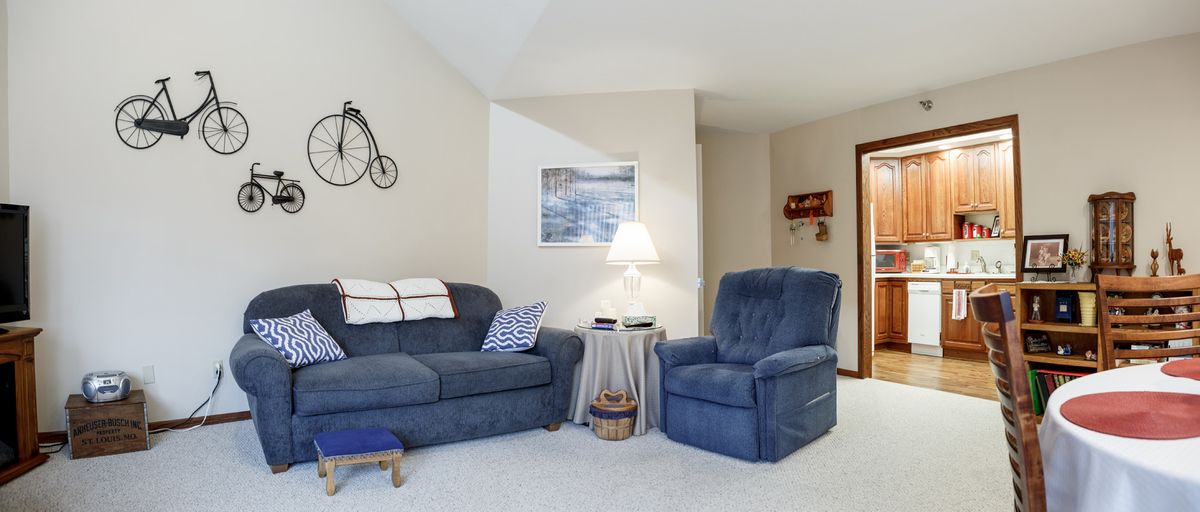
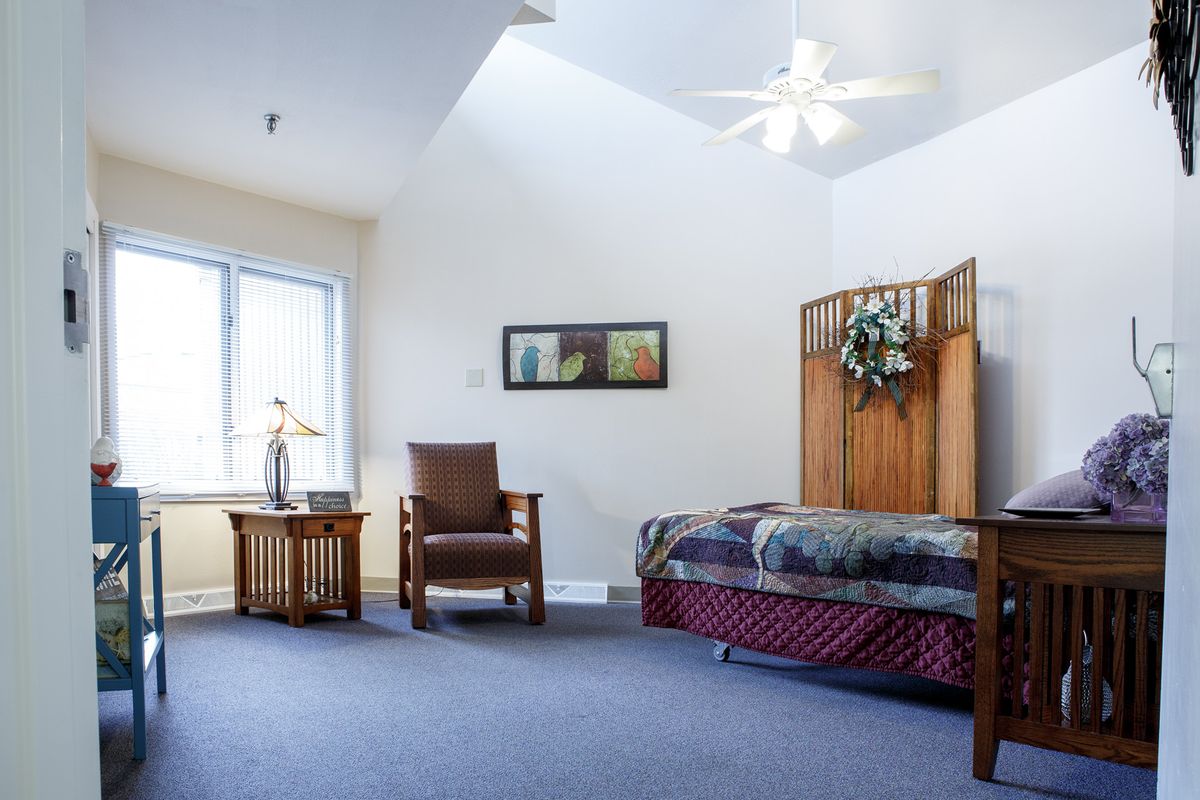
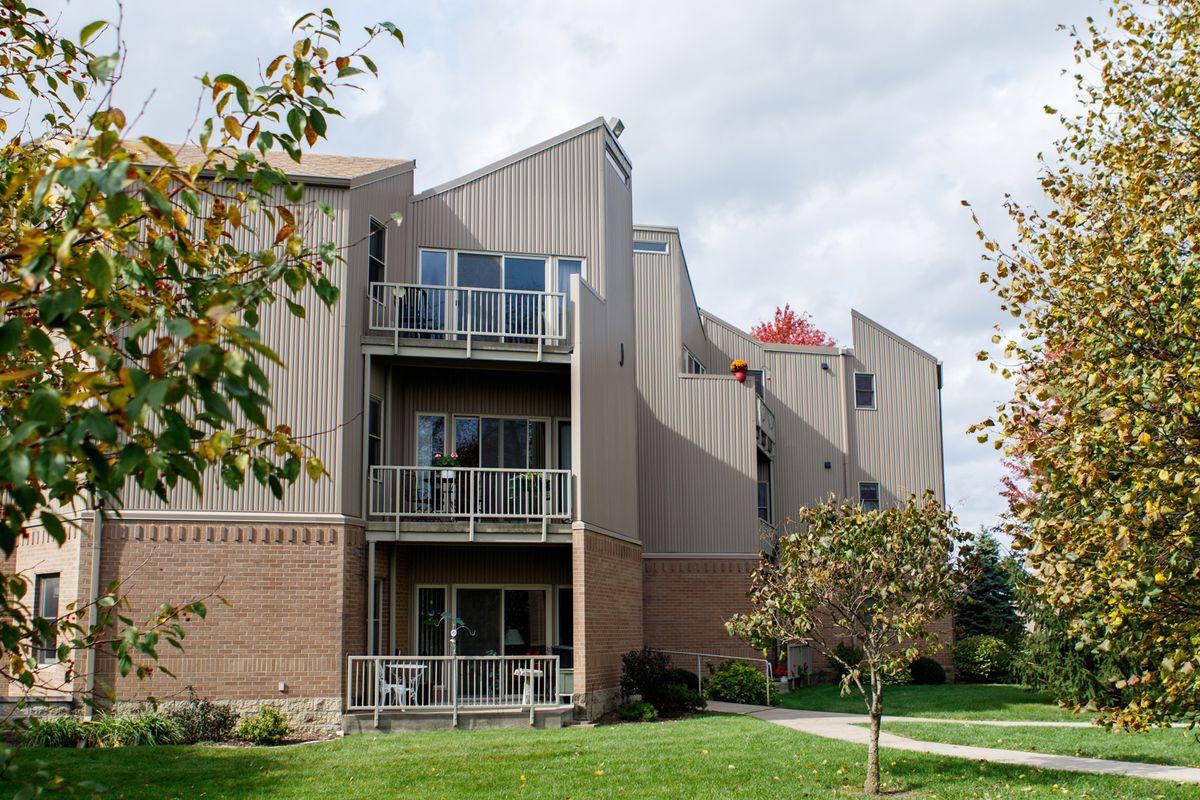
  • pro The rooms are spacious, pleasant, and feel like apartment living.
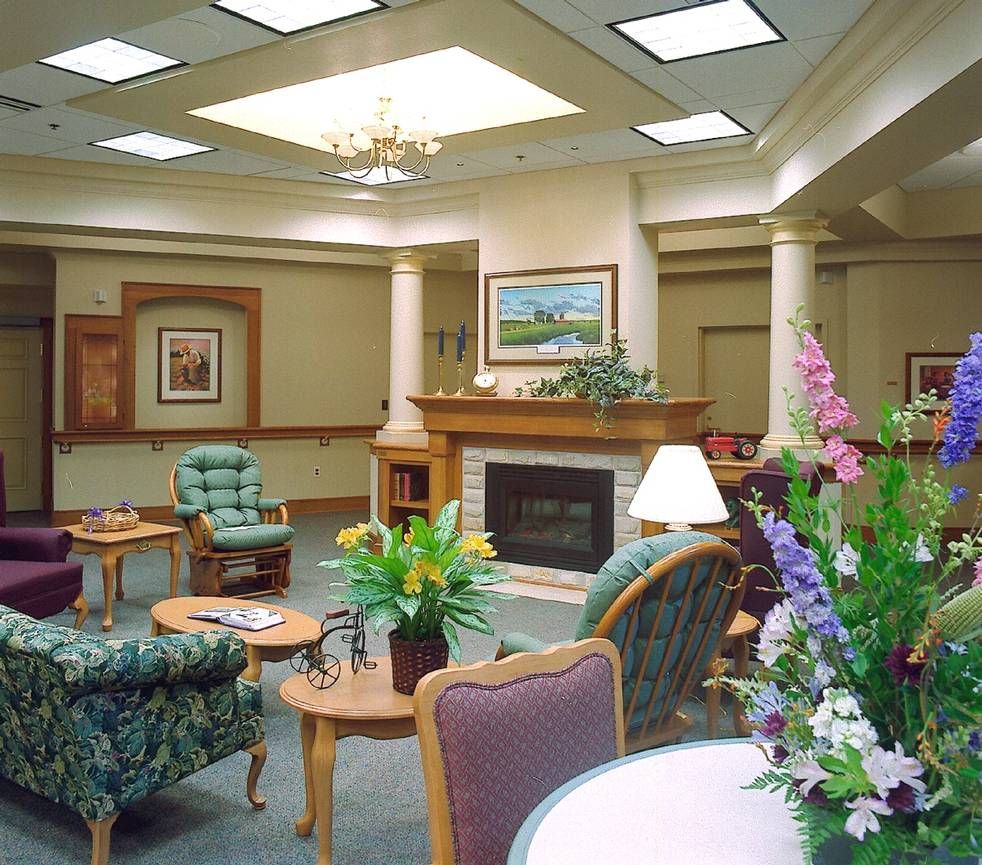
  • pro The care center is immaculate and not hospital-like, with wide hallways and a clean, friendly atmosphere.
  • pro There are engaging activities such as games, reading, and coffee groups that foster community.
  • pro The dining area is lovely, and the staff are very nice, contributing to a positive dining experience.
  • pro The facility offers a range of amenities, including an exercise room, laundry options, and free arts and athletics programs, plus transportation and banking services.

Cons

  • pro They don't think they could afford it.

Review

Northcrest Community in Ames, IA is best suited for active seniors who want a home-like, apartment-style setting with genuinely attentive care and a strong sense of community. It works well for couples who wish to stay near one another, as the layout accommodates two rooms per couple across the hall, preserving privacy while keeping spouses connected. Families seeking a warm, personal atmosphere where staff regularly drop by to chat and check in will find the daily rhythm here feels more like a caring neighborhood than a clinical facility. The combination of spacious living spaces, clean, welcoming common areas, and a robust slate of on-site activities makes Northcrest a practical fit for those prioritizing meaningful social engagement and easy access to care.

Those who may want to consider alternatives are typically guided by cost concerns or by different care needs. A reviewer flagged affordability as a potential barrier, noting that the environment and services are valuable but may stretch resources. For families prioritizing a lower price point, a more clinical or compact setting, or a facility with specialized memory care or medical programming beyond what the community highlights, other options may better align with budget or clinical requirements. In short, Northcrest excels as a people-first, activity-rich home, but it may not be the best match for households with strict budget constraints or those needing highly specialized care that goes beyond its current offerings.

The main strengths of Northcrest center on its people and its livability. Caregivers are described as loving, patient, and genuinely attentive, with staff who make time to visit residents in their rooms rather than treating care as a checklist. Residents benefit from spacious, apartment-like units, with some couples able to maintain proximity by living in adjacent spaces. The facility emphasizes a comprehensive social life - games, reading groups, coffee socials, and a broad menu of both arts and athletics - along with practical perks such as extensive dining options, easy laundry arrangements (including in-unit washers/dryers in some units), and a welcoming, immaculate environment that feels far from a hospital. Transportation to local groceries and banking services further reduce daily friction for families managing ongoing care.

In practice, the pros are designed to offset the main drawback: cost. The value proposition rests on more than just housing and meals. The on-site dining program, large and well-planned common dining areas, and a calendar filled with activities create a compelling lifestyle package that unburdens families from repeatedly coordinating social opportunities and transportation. The inclusion of services like free arts and athletics programming, transportation, and the convenience of on-site banking support purchasers with time savings and a built-in social fabric. When these benefits align with a family's budget, Northcrest becomes a strong, even compelling, choice that delivers a palpable sense of community and consistency in daily life.

Practical decision-making guidance follows from these realities. Prospective residents should assess how much they value the home-like apartment layouts and the degree of daily engagement staff provide, as well as their own tolerance for annual or monthly costs. Visiting at different times - meals, activity periods, and casual visiting hours - helps illuminate how the community operates beyond brochures. For couples, the option to have two rooms in close proximity is not just convenient; it preserves intimacy and autonomy within a supported setting. Families should also examine how easy it is to access transportation, groceries, and banking, since these conveniences are frequently cited as major quality-of-life gains in this community.

The bottom line is clear. Northcrest Community is a strong fit for families seeking a warm, person-centered environment where caregivers treat residents as neighbors and not as tasks, and where apartment-style living supports independence while still offering robust social and wellness programming. It is especially suitable for couples who want to stay near one another without sacrificing private space, and for those who prize a lively calendar of activities, on-site dining, and convenient services. Those with tighter budgets or with a need for highly specialized memory support or clinical care should explore alternatives designed to lower costs or to provide targeted medical programming, ensuring the chosen option aligns with both financial realities and long-term care needs. In the balance of cost, care, and community, Northcrest often emerges as the prudent, confident recommendation for the right family and the right senior.

Features

Housing

  • 22 resident community capacity 22 resident community capacity

Types of Care

  • Assisted Living Assisted LivingAssisted living facilities provide crucial support and care for seniors who may need help with daily tasks such as medication management, bathing, and meal preparation. These communities offer a safe and comfortable environment where seniors can maintain their independence while receiving the assistance they need to thrive in their golden years.
  • Continuing Care Retirement Community (CCRC) Continuing Care Retirement Community (CCRC)Continuing Care Retirement Communities (CCRCs) are important for seniors because they provide a range of housing options and care services all in one location. This allows seniors to age in place and receive the level of care they need as their health changes, without having to move to a new facility. CCRCs provide a sense of security and peace of mind for seniors and their families, knowing that they will be taken care of no matter what the future holds.
  • Independent Living Independent LivingIndependent living communities are important for seniors because they offer a safe and supportive environment where older adults can live independently while still having access to amenities and services that enhance their quality of life. These communities provide social opportunities, recreational activities, and assistance with daily tasks, promoting overall well-being and allowing seniors to maintain their independence for as long as possible.
  • Memory Care Memory CareMemory care is crucial for seniors as it provides specialized support and services for individuals with dementia or Alzheimer's disease. These programs offer a safe and secure environment where residents receive personalized care, cognitive stimulation, and help with daily activities. Memory care helps seniors maintain their independence, quality of life, and dignity while also providing peace of mind for their families.

Amenities

  • Beauty salon Beauty salonBeauty salons are important for seniors because they provide a space for them to feel pampered, socialize, and maintain their personal grooming and hygiene. Regular visits to a beauty salon can help boost seniors' self-esteem and overall well-being.
  • Cable or satellite TV Cable or satellite TVCable or satellite TV is important for seniors because it provides entertainment, news, and companionship, helping to combat loneliness and boredom. It also offers a wide range of programming options tailored to different interests and preferences.
  • Fully furnished Fully furnishedFully furnished senior living communities are important for seniors because they provide convenience, comfort, and a hassle-free moving experience. Seniors can easily settle into their new living space without the stress of having to buy and move furniture. This allows them to focus on enjoying their new home and community.
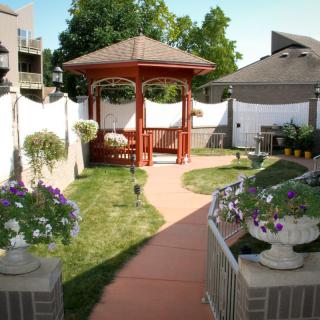
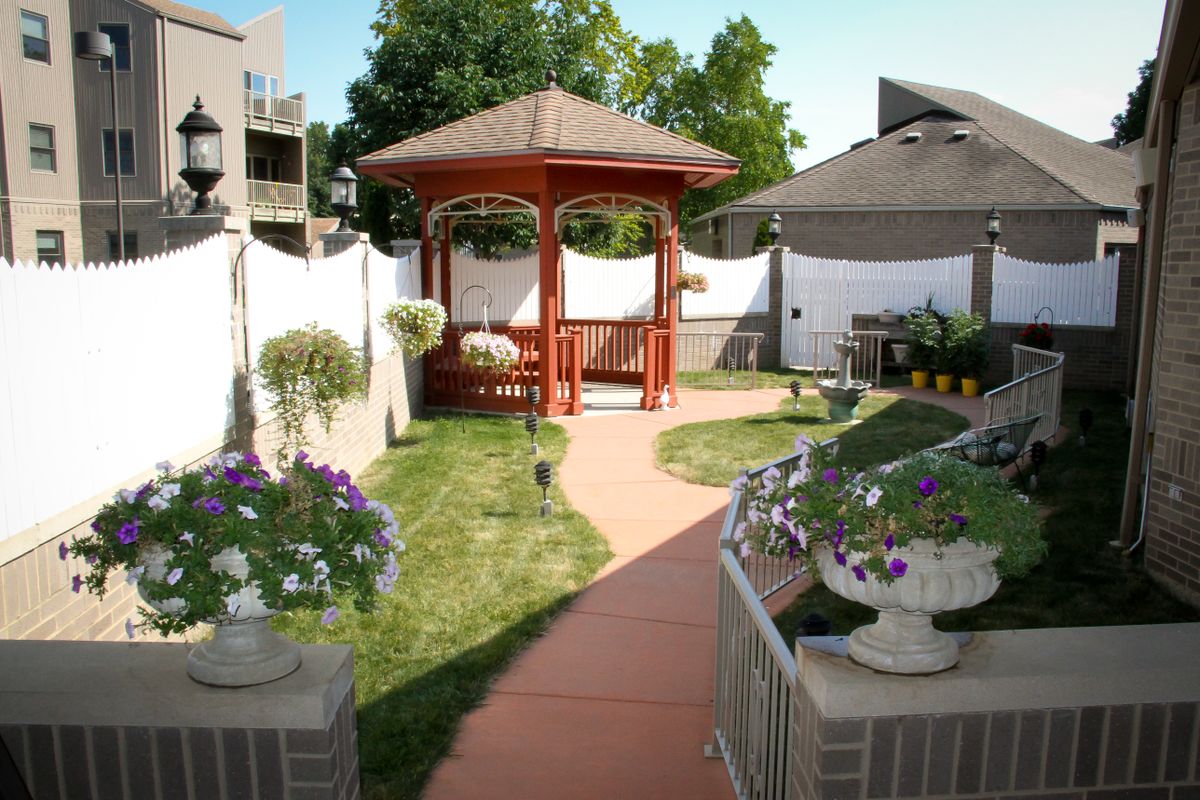
  • Garden GardenGardens are important for seniors as they provide a peaceful and therapeutic environment for relaxation, physical activity, and socialization. Being in nature has been shown to reduce stress, improve mood, and promote overall well-being. Gardens also offer opportunities for seniors to engage in gardening activities, which can improve mobility, flexibility, and cognitive function. Additionally, gardens create a sense of community and connection with others who share a passion for plants and outdoor spaces.
  • Housekeeping services Housekeeping servicesHousekeeping services are important for seniors because they help maintain a clean and safe living environment, promote independence, and reduce the risk of accidents or illnesses. Additionally, having assistance with household chores can alleviate physical strain and allow seniors to focus on other aspects of their well-being.
  • Kitchenette KitchenetteKitchenettes are important for seniors living in senior living communities because they provide the convenience and independence of being able to prepare simple meals and snacks in the comfort of their own living space. This can help promote a sense of autonomy and well-being for seniors, allowing them to maintain some level of control over their dietary choices and daily routines.
  • Move-in coordination Move-in coordinationMove-in coordination is important for seniors because it helps ease the transition into their new living environment. It ensures that all logistics, such as packing, organizing movers, and setting up utilities are taken care of, allowing seniors to focus on settling in and adjusting to their new home. Having a smooth move-in process can alleviate stress and anxiety, making the transition smoother and more enjoyable for seniors.
  • Outdoor space Outdoor spaceOutdoor spaces are important for seniors as they provide opportunities for physical activity, social interaction, exposure to natural light and fresh air, and a sense of connection to nature. Having access to outdoor spaces can improve overall well-being and quality of life for older adults living in senior communities.
  • Private bathrooms Private bathroomsPrivate bathrooms are important for seniors in senior living communities because they provide independence, dignity, and comfort. Having a private bathroom allows seniors to maintain their personal hygiene routines without the need for assistance, promoting a sense of autonomy and privacy. Additionally, private bathrooms help prevent the spread of infections and provide a safe and clean environment for seniors to navigate safely.
  • Wi-Fi/high-speed internet available Wi-Fi/high-speed internet availableWi-Fi/high-speed internet is important for seniors to stay connected with loved ones, access online resources, and participate in virtual activities to combat feelings of loneliness and isolation. It also allows them to easily manage healthcare needs, access entertainment, and engage in lifelong learning opportunities.

Transportation

  • Community operated transportation Community operated transportationCommunity operated transportation is crucial for seniors as it provides them with the means to access essential services, social activities, and medical appointments. It allows seniors to maintain their independence and quality of life by ensuring they can participate in activities outside of their homes. Additionally, community-operated transportation services offer a safe and reliable way for seniors to travel without having to rely on family or friends for assistance.
  • Transportation arrangement Transportation arrangementTransportation arrangements are crucial for seniors as they may face challenges with driving, mobility, or access to public transportation. Having reliable transportation services ensures that seniors can easily attend appointments, social activities, and maintain their independence and quality of life.
  • Transportation arrangement (non-medical) Transportation arrangement (non-medical)Transportation arrangements are essential for seniors as they provide access to essential services, activities, and social interactions outside the home. This service helps maintain independence, mobility, and overall well-being for seniors who may have limited transportation options.

Care Services

  • 24-hour call system 24-hour call system24-hour call systems are important for seniors because they provide peace of mind and immediate assistance in case of emergencies. This technology ensures that help is always available, promoting safety and security for elderly individuals living alone or in assisted living facilities.
  • 24-hour supervision 24-hour supervision24-hour supervision is important for seniors to ensure their safety, well-being, and access to immediate assistance in case of emergencies or health issues. This constant support provides peace of mind for both seniors and their loved ones, allowing them to age in place with dignity and security.
  • Activities of daily living assistance Activities of daily living assistanceActivities of daily living assistance are important for seniors because they provide essential support with tasks such as eating, bathing, dressing, and mobility. This assistance helps seniors maintain their independence, dignity, and overall quality of life as they age.
  • Assistance with bathing Assistance with bathingAssistance with bathing is crucial for seniors as it helps maintain personal hygiene, prevents infections, and ensures their overall well-being and comfort. It also provides a sense of dignity and independence for seniors who may struggle with this task on their own.
  • Assistance with dressing Assistance with dressingAssistance with dressing is important for seniors because it helps maintain their independence, promotes personal hygiene, prevents accidents and injuries, and improves overall quality of life. This service ensures that seniors can continue to dress comfortably and confidently, despite any physical limitations they may have.
  • Assistance with transfers Assistance with transfersAssistance with transfers is crucial for seniors as it helps prevent falls and injuries, maintains their independence, and ensures they can safely navigate their living environment. It also provides peace of mind for both seniors and their loved ones.
  • Diabetes diet Diabetes dietA diabetes diet is crucial for seniors as it helps manage blood sugar levels, reduce risks of complications, and improve overall health and well-being. By following a balanced and nutritious diet tailored to their specific needs, seniors can better control their diabetes and enhance their quality of life.
  • Meal preparation and service Meal preparation and serviceMeal preparation and service are crucial for seniors as they may have limited mobility or energy to cook nutritious meals. Having access to healthy and convenient food options can ensure they are getting the proper nutrition needed to maintain their overall health and well-being.
  • Medication management Medication managementMedication management is crucial for seniors to ensure they are taking the right medications at the correct dosages and times. This helps prevent adverse drug interactions, reduces the risk of medication errors, and promotes overall health and well-being. Proactive management also allows for adjustments as needed based on changing health conditions or new prescriptions.
  • Special dietary restrictions Special dietary restrictionsSpecial dietary restrictions are important for seniors because age-related changes in metabolism and health conditions can make it difficult for their bodies to process certain foods. By following a diet tailored to their specific needs, seniors can maintain their overall health and well-being, manage chronic conditions, and reduce the risk of complications such as malnutrition or food interactions with medications.

Dining

  • Diabetes diet Diabetes dietA diabetes diet is crucial for seniors as it helps manage blood sugar levels, reduce risks of complications, and improve overall health and well-being. By following a balanced and nutritious diet tailored to their specific needs, seniors can better control their diabetes and enhance their quality of life.
  • Special dietary restrictions Special dietary restrictionsSpecial dietary restrictions are important for seniors because age-related changes in metabolism and health conditions can make it difficult for their bodies to process certain foods. By following a diet tailored to their specific needs, seniors can maintain their overall health and well-being, manage chronic conditions, and reduce the risk of complications such as malnutrition or food interactions with medications.

Activities

  • Community-sponsored activities Community-sponsored activitiesCommunity-sponsored activities are important for seniors as they provide opportunities for social interaction, mental stimulation, and physical activity. These activities can help improve overall well-being, combat loneliness and isolation, and promote a sense of belonging and purpose among older adults.
  • Fitness programs Fitness programsFitness programs are crucial for seniors as they help improve strength, flexibility, balance, and overall well-being. Staying active can reduce the risk of chronic diseases, improve mental health, and enhance quality of life in older adults.
  • Resident-run activities Resident-run activitiesResident-run activities are important for seniors as they encourage social interaction, creativity, and a sense of autonomy. These activities empower seniors to stay engaged and active in their community while fostering meaningful connections with their peers.
  • Scheduled daily activities Scheduled daily activitiesScheduled daily activities are important for seniors because they provide structure, socialization, mental stimulation, and physical activity. Engaging in regular activities can improve overall well-being and quality of life for seniors living in a community setting.

Description

Northcrest Community in Ames, IA is an exceptional assisted living community that offers a range of care options to cater to the unique needs of each resident. As a Continuing Care Retirement Community (CCRC), it provides a continuum of care that allows residents to age in place and receive appropriate assistance as their needs change over time. Residents can choose from Independent Living, Memory Care, and other specialized care services.

At Northcrest Community, residents enjoy a comfortable and accommodating lifestyle with access to numerous amenities designed to enhance their quality of life. Each residence is fully furnished and equipped with cable or satellite TV, Wi-Fi/high-speed internet, and private bathrooms. The community also provides housekeeping services for added convenience.

Transportation is made easy with community-operated transportation services as well as transportation arrangements for non-medical purposes. This ensures that residents can easily access nearby cafes, parks, pharmacies, physicians' offices, restaurants, places of worship, theaters, and hospitals.

The care services at Northcrest Community are top-notch with 24-hour supervision provided to ensure residents' safety and wellbeing. Trained staff members are available to assist with activities of daily living such as bathing, dressing, transfers, and medication management. Special dietary restrictions are catered to with diabetes diets and meal preparation tailored accordingly.

Keeping active and engaged is encouraged through various fitness programs and scheduled daily activities organized by the community. Additionally, residents have the opportunity to participate in resident-run activities that foster socialization and create a strong sense of community.

Northcrest Community in Ames, IA truly provides a welcoming and supportive environment for seniors seeking assisted living options. With its comprehensive care services, convenient amenities, nearby establishments and facilities, residents can enjoy a fulfilling lifestyle while receiving the necessary assistance they require.

Nearby Places of Interest

This part of Ames, Iowa offers a diverse range of amenities and services that cater to residents' needs. There are several places of worship within close proximity, providing spiritual support and community engagement opportunities. The area also boasts a variety of restaurants offering different cuisines for dining out options. For outdoor enthusiasts, there are several parks nearby for leisurely walks or picnics. In terms of healthcare, there are multiple pharmacies and physician offices in the vicinity, ensuring easy access to medical services. Additionally, there is a hospital located within a short distance for more specialized care if needed. Transportation options such as U-Haul rental services are conveniently available for any moving or storage needs. Overall, this part of Ames provides a well-rounded environment with ample resources for seniors looking to settle down in a welcoming community.

Places of Worship

  • Nevada IA Seventh-Day Adventist Church (0.2 miles)
  • Bethesda Lutheran Church ELCA (0.5 miles)
  • Southern Baptist Convention (0.8 miles)
  • St Paul Lutheran Church (0.9 miles)
  • Mosque (1.4 miles)
  • Unitarian Universalist Fellowship of Ames (1.4 miles)
  • Memorial Lutheran Church (1.5 miles)

Restaurants

  • The Cafe (0.6 miles)
  • Fazoli's (0.7 miles)
  • House Of Chen (0.7 miles)
  • El Azteca (0.8 miles)
  • Los Altos Mexican Restaurant (1 miles)
  • Aunt Maude's (1.4 miles)
  • Culver's (1.5 miles)

Parks

  • Ada Hayden Heritage Park (0.7 miles)
  • Moore Memorial Park (0.9 miles)
  • Brookside Park (0.9 miles)
  • Lloyd Kurtz Park (1.1 miles)
  • Inis Grove Park (1.1 miles)
  • O'Neil Park (1.7 miles)
  • Bandshell Park (1.7 miles)

Pharmacies

  • Somerset Pharmacy (0.7 miles)
  • NuCara Pharmacy (0.7 miles)
  • Walgreens (0.8 miles)
  • Walmart Pharmacy (0.9 miles)
  • Nucara Pharmacy (0.9 miles)
  • CVS Pharmacy (1.6 miles)
  • Medicap Pharmacy (1.8 miles)

Physicians

  • McFarland Clinic PC (0.7 miles)
  • Whylie Eye Care Centers (1 miles)
  • Eye Works (1.1 miles)
  • Family Medicine North (1.2 miles)
  • McFarland Clinic PC (1.3 miles)
  • Strosahl, Kasey Dr - Mary Greeley Medical Center Psychiatry (1.3 miles)
  • William R Bliss Cancer Center (1.3 miles)

Cafes

  • Starbucks (0.9 miles)
  • The Hub Grill & Café (1.3 miles)
  • Design Café (1.4 miles)
  • Starbucks (1.5 miles)
  • Cafe Diem (1.6 miles)
  • Cafe Beaudelaire (1.6 miles)
  • Starbucks (1.7 miles)

Hospitals

  • Hearing Services of Iowa (0.9 miles)
  • Mary Greeley Medical Center (1.3 miles)
  • DaVita Ames Mary Greeley Dialysis (2.7 miles)

Transportation

  • U-Haul Neighborhood Dealer (1.6 miles)
  • U-Haul Moving & Storage (2.3 miles)

Theaters

  • Cinemark Movies 12 (2.4 miles)

Frequently Asked Questions

Where is Northcrest Community?
Does Northcrest Community provide care for residents with dementia or Alzheimer's disease?
What photos are available for Northcrest Community in Ames, Iowa?

Nearby Communities

  • Heartwood House

    Heartwood House

    Ames, IA

    4 from 6 reviews
    $8,190 / month

    pro Comprehensive on-site care with memory care, devotional services, and engaging activities.

  • Bickford of Ames

    Bickford of Ames

    Ames, IA

    4.3 from 72 reviews
    $3,042 to $3,802 / month

    pro Caring staff in a clean, social environment.

  • Home Instead Senior Care

    Home Instead Senior Care

    Ames, IA

    5 from 11 reviews
     

    pro Convenient Ames location with numerous nearby amenities.

  • Vintage Cooperative of Ames

    Vintage Cooperative of Ames

    Ames, IA

    5 from 7 reviews
    $1,300 to $1,800 / month

    pro Very affordable pricing for the area; robust on-site activities and devotional services; pet-friendly and wheelchair-accessible.

  • Northridge Village

    Northridge Village

    Ames, IA

    4.8 from 137 reviews
     

    pro Friendly, attentive staff and a welcoming community with diverse activities.

  • Accura Healthcare Of Ames

    Accura Healthcare Of Ames

    Ames, IA

    2.4 from 13 reviews
     

    pro Adequate staffing with rehab programs and engaging activities.

  • Rose Of Ames

    Rose Of Ames

    Ames, IA

    4.1 from 15 reviews
    $850 to $970 / month

    pro Engaging activities and caring staff in a clean, comfortable environment with relatively affordable rates for the area.

  • Eastern Star Masonic Home

    Eastern Star Masonic Home

    Boone, IA

    4.5 from 57 reviews
     

    pro Warm, homelike atmosphere with engaging activities and caring staff.

  • Suites of Ankeny

    Suites of Ankeny

    Ankeny, IA

    3.1 from 9 reviews
     

    pro Spacious rooms with an inviting dining area and optional cleaning service.

Related Resources

  • do dementia patients sleep a lotWhy Do Dementia Patients Sleep So Much? Understanding Oversleeping, Stages, and Care Approaches

    Dementia often results in disrupted sleep patterns, leading to excessive daytime sleeping due to factors like brain damage affecting circadian rhythms, medication side effects, and lack of structure in daily activities. Caregivers must monitor these changes closely, as oversleeping can increase risks such as malnutrition or dehydration, and provide necessary support and routines to enhance patient engagement and well-being.

  • when to move from assisted living to nursing home8 Key Indicators That Suggest It May Be Time to Transition from Assisted Living to Skilled Nursing Care

    The transition from assisted living to skilled nursing care is often prompted by complex medical needs that assisted living cannot meet, with key indicators including frequent health declines, increased falls, severe memory issues, and caregiver burnout. Families should recognize these signs early to discuss options with healthcare providers and prepare for the emotional and logistical aspects of moving to a facility that offers comprehensive medical support.

  • best foods for dementia patients to eatNourishing the Mind: Essential Dietary Approaches for Dementia
    Dementia is characterized by cognitive decline, with nutrition playing a vital role in brain health; while no specific diet can prevent or reverse it, a nutrient-dense diet rich in antioxidants and healthy fats may support cognitive function. The MIND diet, which emphasizes beneficial foods and limits processed items, along with proper hydration and individualized meal strategies, can enhance the well-being of dementia patients.