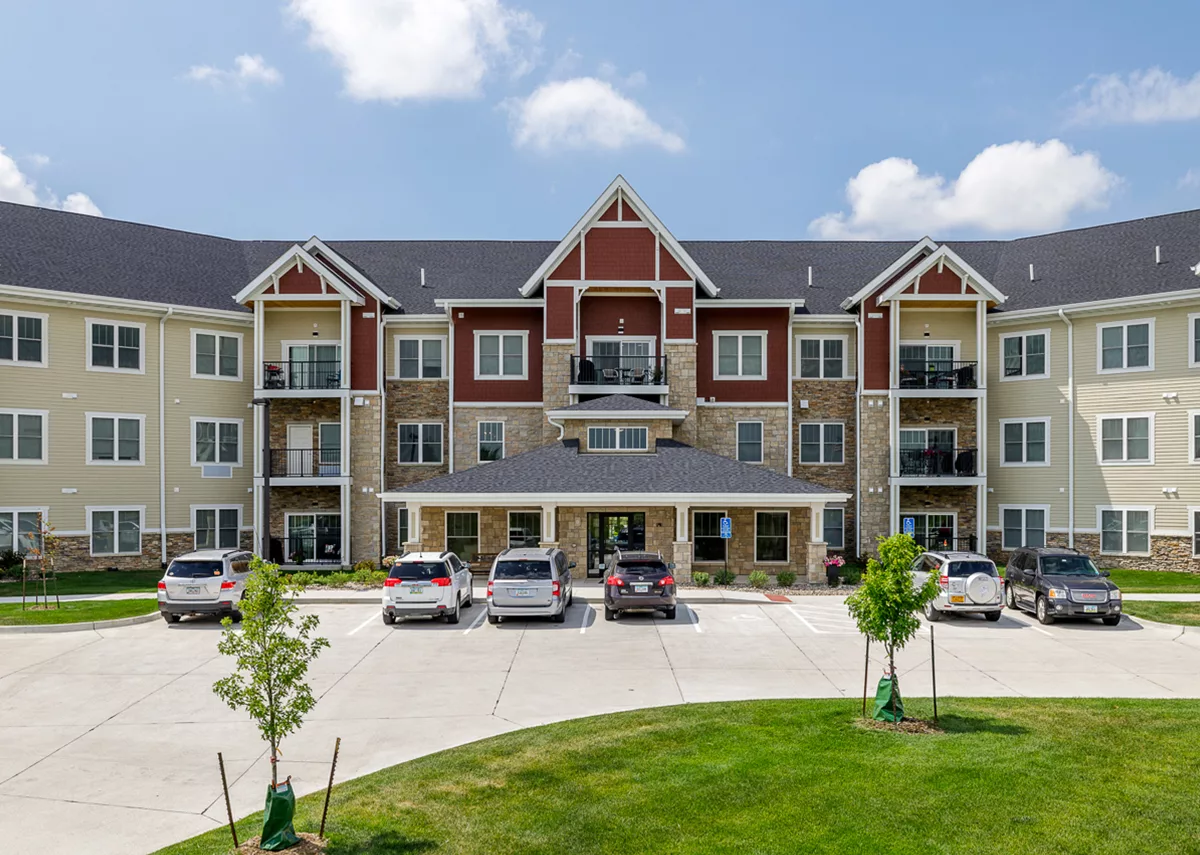
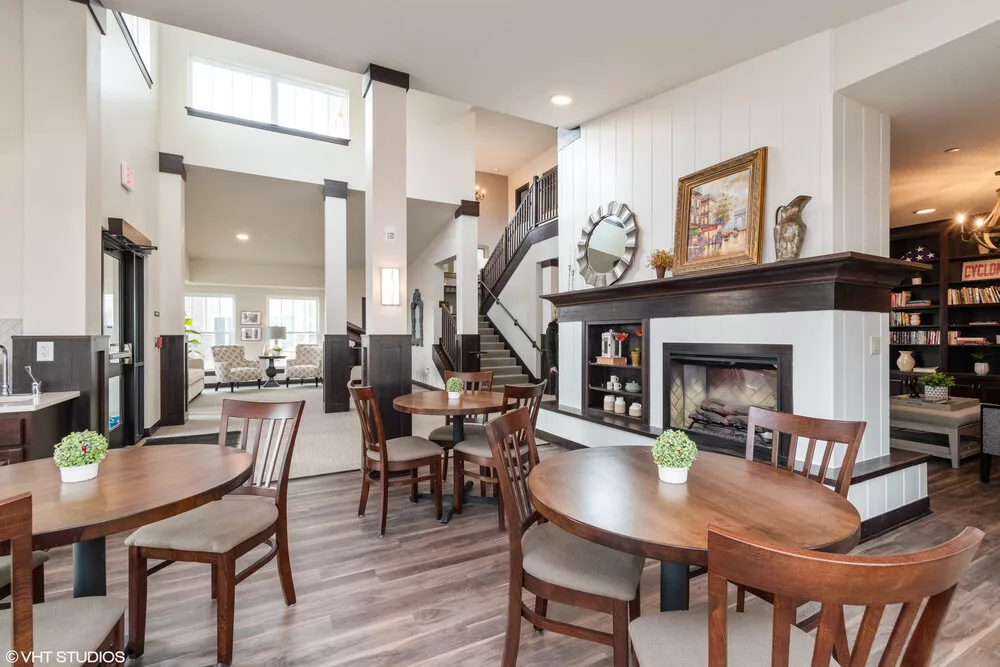
5900 Hyde Ave, Ames, IA 50010
To contact a resident: (515) 729-8295
For more information about senior living options: (866) 208-4318
Vintage Cooperative of Ames Costs & Pricing
Vintage Cooperative of Ames offers competitive monthly costs for its residents, particularly when compared to the broader financial landscape of Story County and the state of Iowa. For a one-bedroom unit, the cooperative's rate of $1,300 significantly undercuts both the county average of $2,940 and the state average of $2,862. Similarly, the two-bedroom option is priced at $1,800, which remains well below the county's average of $3,380 and Iowa's average of $3,329. This suggests that Vintage Cooperative not only provides affordable living arrangements but also adds considerable value to its residents in terms of cost-effectiveness within a regional context.
| Floor plans | Vintage Cooperative of Ames | Story County | Iowa |
|---|---|---|---|
| 1 Bedroom | $1,300 | $2,940 | $2,863 |
| 2 Bedrooms | $1,800 | $3,380 | $3,329 |
Overall Review of Vintage Cooperative of Ames
Pros
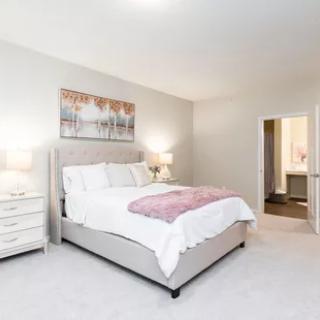
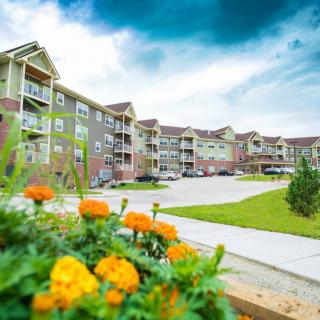
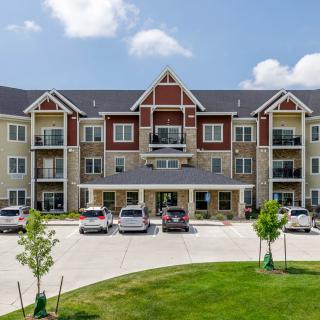
 The place is very nice and very clean.
- The apartments are nicely sized and the atmosphere is quiet.
- They find it great, which is why they live there.
Review
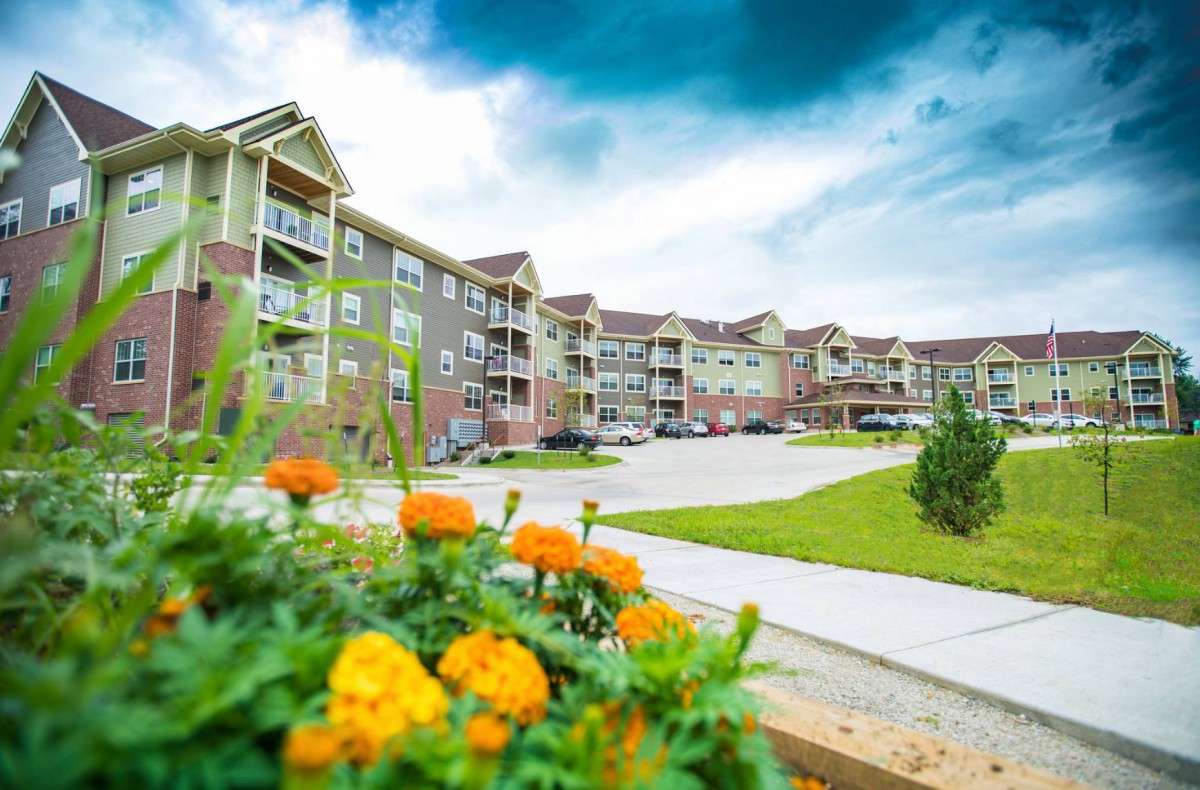
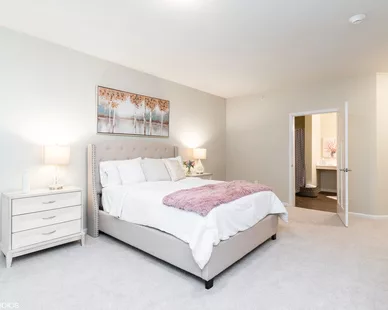
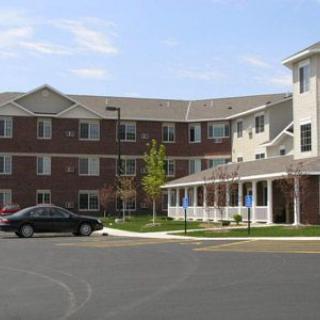
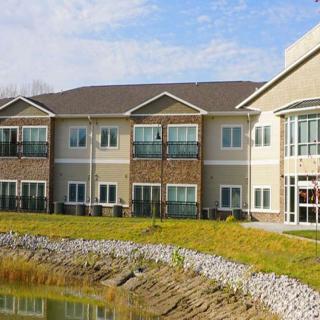
Vintage Cooperative of Ames is best suited for independent seniors who want a clean, quiet, well-maintained home with a neighborly, resident-governed atmosphere. The community appeals to those who value a tidy, aesthetically pleasing setting and appreciate the comfort of a smaller, more intimate campus. The apartments are described as nicely sized, providing room to live comfortably without the bustle of a large senior living complex. For residents who prefer a sense of ownership in their living environment, the cooperative model offers a distinct advantage: a manageable footprint, clear maintenance expectations, and a climate where neighbors often know one another by name. In short, this is a practical, low-key option for aging in place with dignity and control.
Prospective buyers or renters who prize cleanliness, calm, and a straightforward layout will find the most compelling reasons to choose Vintage Cooperative of Ames. The most frequently highlighted positives, “very nice and very clean,” “nice sized apartments,” and a “quite atmosphere”, translate into a living experience that minimizes daily frictions. Residents can settle into ample living space without feeling overwhelmed, while the tranquil environment reduces sensory overload and supports easier routines. The positive sentiment is reinforced by statements such as “great that’s why we live there,” which signals sustained satisfaction and a sense of belonging. These strengths are particularly meaningful for those who prioritize stability and personal autonomy over a resort-like amenities package.
Yet, the decision hinges on how the community’s strengths intersect with individual care needs. The cooperative model inherently emphasizes resident input and shared decision making, which can be empowering but may require participation and some flexibility around governance and maintenance responsibilities. For seniors who are content with a self-directed lifestyle and who do not anticipate requiring intensive on-site assistance, the pros clearly offset the potential frictions of a smaller, participatory system. For households where one or both partners or family members anticipate growing care needs, or where daily assistance, medication management, or memory care would be essential, alternatives with robust on-site care options could provide a more seamless continuum of support.
The strongest offset to the possible tradeoffs is the lived reality of satisfaction and community warmth conveyed by residents. The tone in the feedback suggests genuine comfort and pride in the living environment: residents feel safe, valued, and connected without the noise and overwhelm sometimes found in larger communities. The quiet atmosphere, combined with well-kept homes, tends to foster predictable routines and reliable maintenance responsiveness. On a practical level, this means fewer surprises and more time spent enjoying the company of neighbors, pursuing hobbies, or simply enjoying a peaceful day at home. Those benefits matter greatly when weighing daily quality of life against a more expansive but less personal setting.
For decision-making, a clear checklist helps clarify fit. Prospective residents should verify apartment features, room proportions, closets, natural light, accessibility, and the practicality of moving around safely with mobility aids. Inquiries about maintenance response times, the process for governance decisions, and the ease of coordinating resident-led initiatives are essential. It is also wise to explore what is included in monthly fees and what costs may fall outside the coop’s coverage, and to understand guest policies, parking, and building accessibility. Talking with current residents about how decisions get made and how responsive maintenance has been will reveal whether the cooperative experience aligns with personal expectations.
Ultimately, Vintage Cooperative of Ames serves best those seniors who want a tidy, quiet home with a sense of belonging baked into the living arrangement. It is a compelling option for independents who prize cleanliness, substantial apartment space, and a warm, neighborly vibe over a full slate of on-site care services or expansive amenities. Alternatives should be seriously considered for anyone anticipating a move toward regular assisted living, memory care, or highly structured programming. In the right match, this cooperative offers practical comfort, predictable routines, and a community that feels like a well-kept, collaborative home rather than a distant facility.
 Independent Living
 Cats allowed
 Dogs allowed
 Activities off-site
 Devotional services on-site
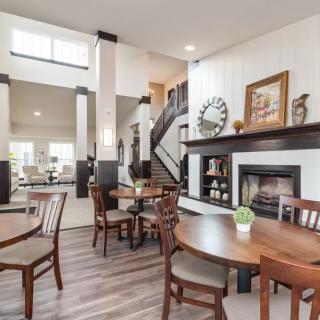
 Indoor common areas
 Wheelchair accessible showers



 Navigating the Financial Road to Nursing Home Care: In-Depth Guidance and Resources
 Supportive Employee Benefits That Help Caregivers Attain Better Work-Life Harmony
 Top Cars for Senior Drivers and Essential Safety Innovations