St. Paul's offers competitive pricing for its living accommodations when compared to St. Joseph County and the broader state of Indiana. For residents seeking a studio, St. Paul's monthly cost is $2,353, significantly lower than both St. Joseph County's average of $3,538 and Indiana's statewide average of $3,258. In the one-bedroom category, St. Paul's rate of $2,748 remains slightly below St. Joseph County's $2,930 but is still more affordable than the state average of $3,300. Interestingly, while St. Paul's two-bedroom option is priced at $3,308 - higher than the county's average of $2,742 - it is still notably less than the state overall average of $3,208. Overall, these figures illustrate that St. Paul's provides an attractive housing solution with costs that are generally favorable within both local and state contexts.
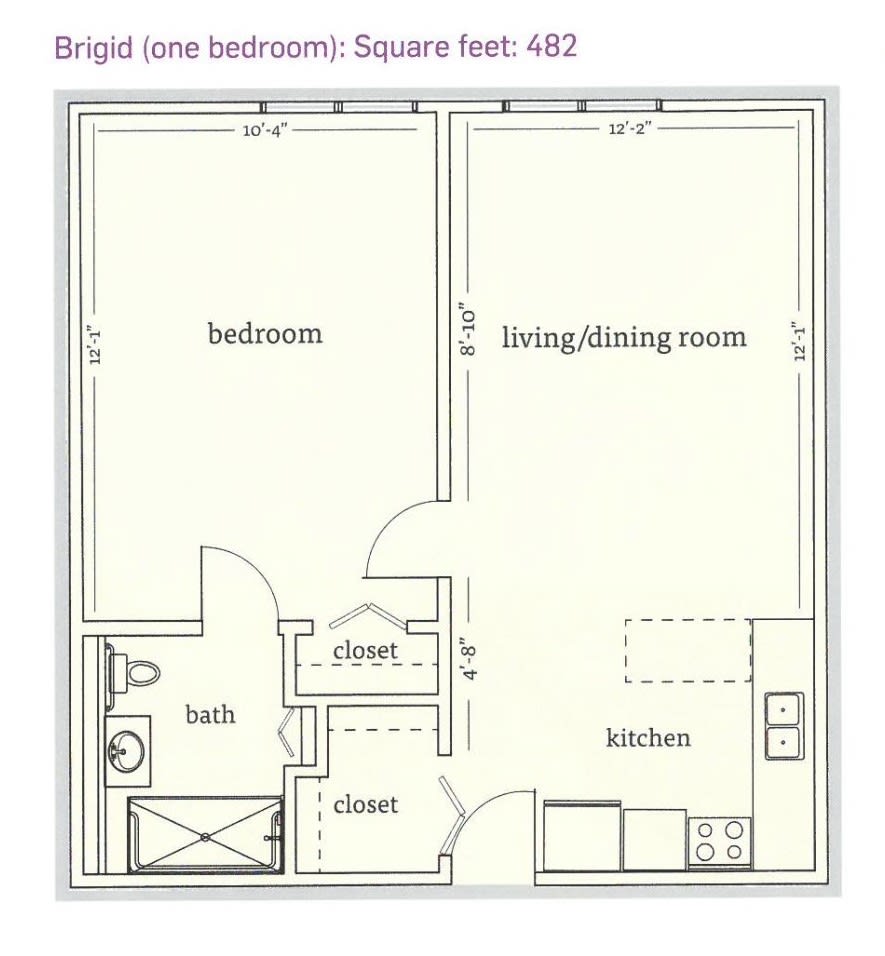
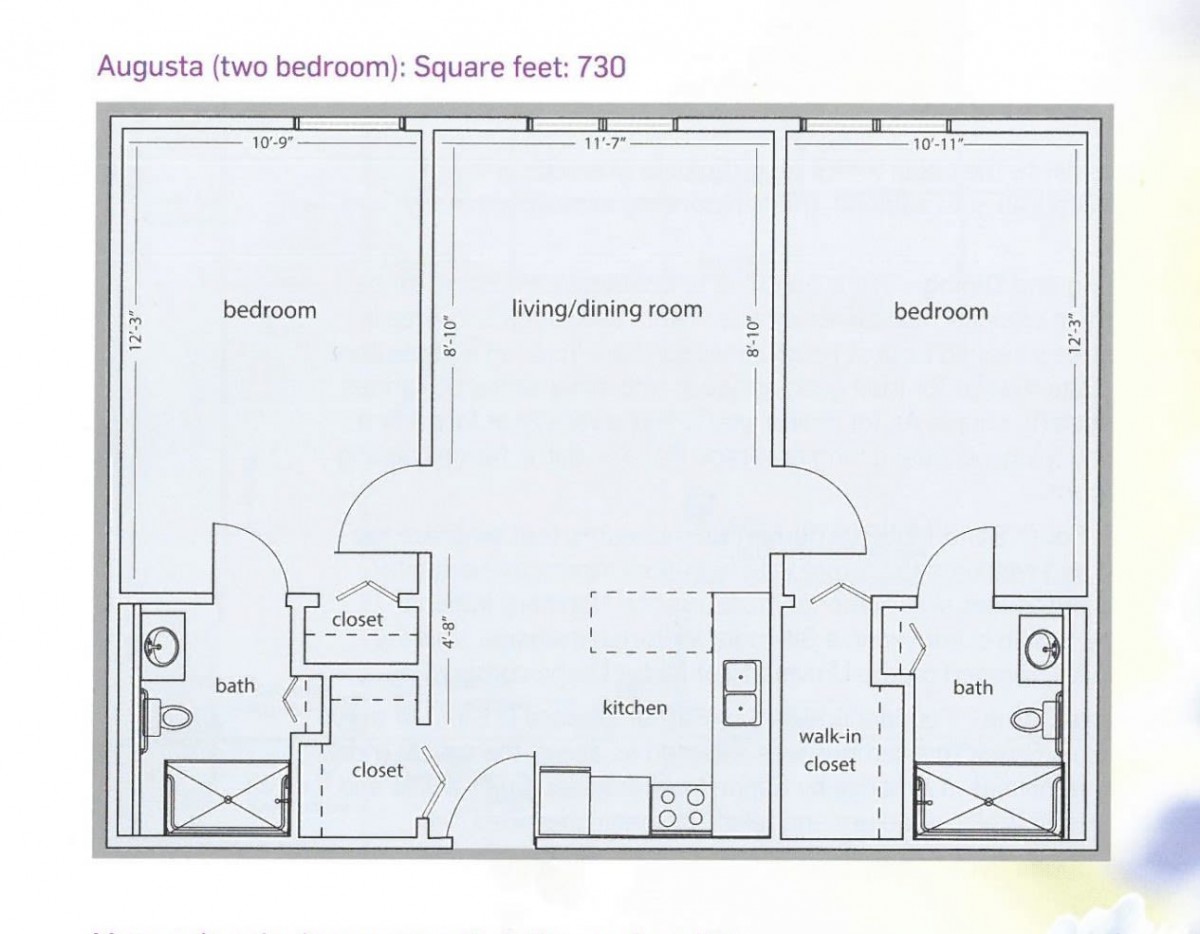
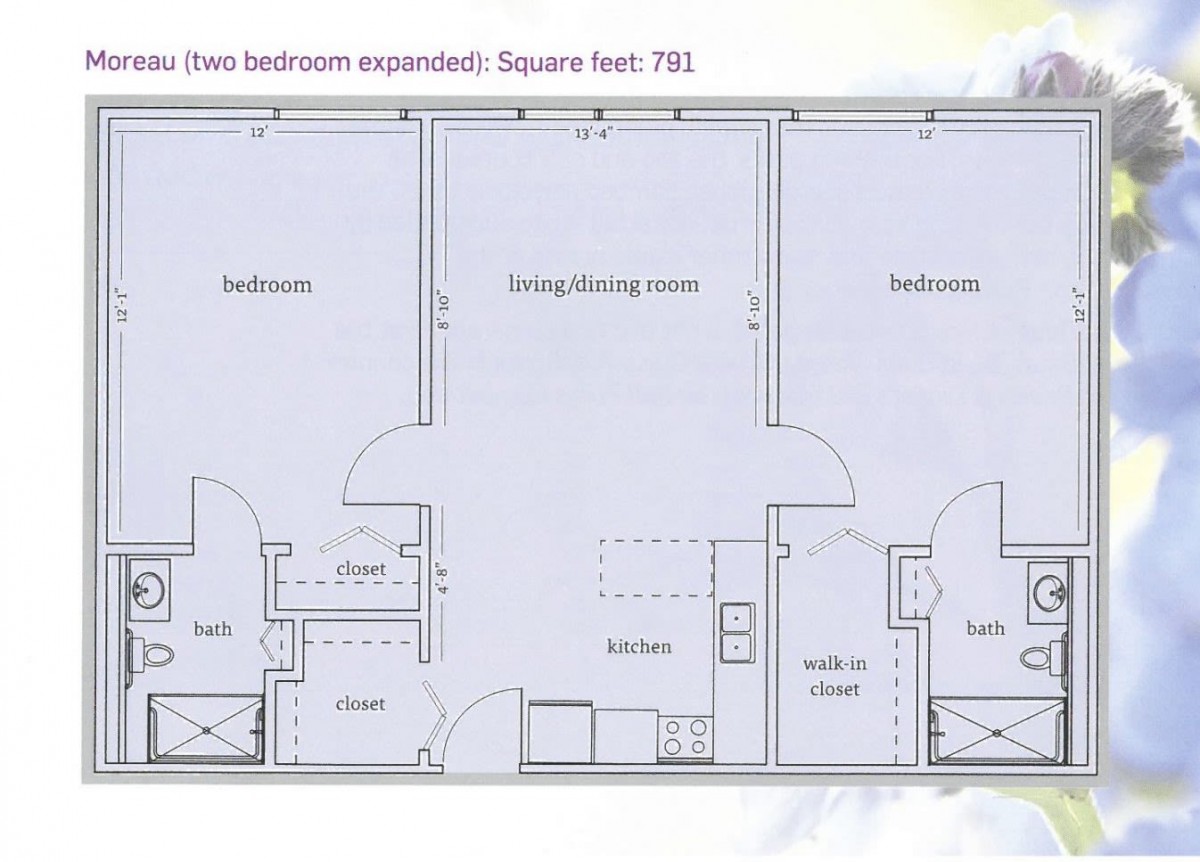
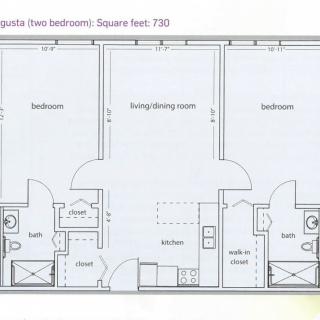
Floor plans
St. Paul's
St. Joseph County
Indiana
Studio
$2,353
$3,538
$3,258
1 Bedroom
$2,748
$2,930
$3,300
2 Bedrooms
$3,308
$2,742
$3,208
Memory care communities with a similar price nearby
Residents and families consistently describe staff as kind, attentive, and easy to reach.
Across many reviews, families say the staff treats residents with dignity and kindness and responds to needs as they come up. Multiple residents and visitors mention feeling supported by nurses and caregivers, with communication that helps families stay informed. Several reviews also highlight smoother transitions when moving from one level of care to another.
differentiator12 reviews mention this
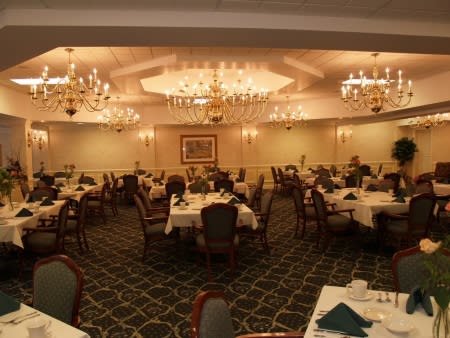
Dining feels restaurant-like
Dining stands out, with residents describing good food and restaurant-style service.
Food is a frequent positive in the reviews, with residents and families saying the meals are enjoyable and that staff serve with care. Some reviewers specifically mention restaurant-style dining and highlight favorites like the bistro and dinners. While most comments on dining are positive, a few reviews express that certain meals were only fair or needed improvement.
common18 reviews mention this
Activities and grounds keep days full
A steady mix of activities and a well-kept campus help residents stay engaged.
Many reviews describe an active schedule, including group activities, off-site outings, and religious services. Families also mention that residents have opportunities to socialize, make friends, and find things to do inside and outside. Several reviewers specifically call out the grounds as pleasant and kept up, which adds to the overall feel of the community.
differentiator9 reviews mention this
Nursing support across care needs
Reviews frequently point to dependable nursing attention for changing health needs.
Residents in assisted and memory care are described as having nursing and caregiver support that adjusts as needs change. Several reviews mention nurses monitoring health closely, helping with prescriptions and follow-up, and involving doctors and therapies. The community also offers multiple care types, including independent living, assisted living, and memory care, which aligns with these transition-focused accounts.
caveat4 reviews mention this
Concerns about staffing and response
A small set of reviews raises concerns about staffing coverage at night and response timing.
While most reviews are positive, a few report problems finding staff after hours and describe long waits when assistance is needed. Some of these reviewers question whether the facility can safely handle urgent situations, especially for residents with dementia. Others describe needing to pay for outside help when extra nighttime assistance is required, suggesting coverage can fall short depending on circumstances.
caveat5 reviews mention this
Facility condition and room size
Some reviews mention shortcomings with maintenance and room comfort.
Several reviewers praise cleanliness, but a subset points to issues like rooms needing updating, smaller room sizes, and maintenance or upkeep concerns. There are also complaints about food quality and housekeeping/service consistency that affect day-to-day comfort. One review also raises a serious concern related to pests, which stands apart from the more common cleanliness feedback.
How we summarize
Counts show how many written reviews mention each theme; a review can touch several themes, and only frequently mentioned themes are displayed.
Features
Housing
1-bedroom apartments
2-bedroom apartments
Studio apartments
Types of Care
Assisted Living
Independent Living
Memory Care
Pets
Cats allowed
Dogs allowed
Amenities
Activities off-site
Activities on-site
Air-conditioning
Bath tubs
Beautician on-site
Devotional services off-site
Devotional services on-site
Dining room
Full kitchen
Garden
Garden view
Ground floor units
Guasts at mealtime
Handicap accessible
Housekeeping services
Indoor common areas
Laundry
Outdoor common areas
Overnight guests
Private bathrooms
Resident parking
Wheelchair accessible showers
Wi-Fi/high-speed internet available
Transportation
South Bend Regional (7 miles away)
Transportation & parking
Care Services
Ambulatory care
Diabetic care
Incontinence care
Medication management
Dining
Gluten-free
Guest meals
Kosher
Low / no sodium
Meals provided
No Sugar
Organic
Professional chef
Restaurant style dining
Room service
Special dining programs
Vegan
Vegetarian
Activities
Activities off-site
Art classes
Bible study group
Catholic services
Devotional activities offsite
Devotional activities on-site
Educational speakers / life long learning
Fitness programs
Jewish services
Mormon/LDS services
Other religious services
Protestant services
Religious services
Visiting Rabbi
Visiting chaplain or priest
Languages Spoken
English
Nearby Places of Interest
This area of South Bend, Indiana is a bustling suburban neighborhood with convenient access to healthcare facilities such as The South Bend Clinic and Franciscan Alliance hospital. There are various dining options nearby including Hacienda Mexican Restaurants and fast-food chains like McDonald's and Arby's. For recreation, residents can enjoy parks like Mary Gibbard Park and Mishawaka River Walk, offering opportunities for outdoor activities. Additionally, there is a selection of pharmacies including CVS Pharmacy and Health Mart Pharmacy for easy access to medications. The neighborhood also features amenities like Starbucks for coffee enthusiasts and AMC South Bend 16 theater for entertainment. Overall, this area provides a mix of essential services, recreational opportunities, and dining options making it a suitable choice for senior living in South Bend.
Physicians
The South Bend Clinic (0.3 miles)
Catherine Wolff, DO - Beacon Medical Group Ireland Road (0.8 miles)
MedPoint Ireland Road (0.8 miles)
Eye Care Express (1.3 miles)
Hamilton Primary Center (1.4 miles)
Mishawaka Osteopathic Clinic (1.6 miles)
HealthLinc Community Health Center (2 miles)
Pharmacies
CVS Pharmacy (0.7 miles)
Omnicare Pharmacy (1.9 miles)
Health Mart Pharmacy (2.1 miles)
Meijer Pharmacy (2.3 miles)
Walgreens (3.3 miles)
Mar-Main Pharmacy (3.4 miles)
CVS Pharmacy (3.7 miles)
Hospitals
Franciscan Alliance (0.8 miles)
Triumph Our Lady of Peace Hospital (2.1 miles)
Oasb (2.7 miles)
Memorial Epworth Center (3.3 miles)
Beacon Children's Hospital (3.6 miles)
Memorial Hospital (3.7 miles)
Newbold Philipmemorial Hospital South Bend (3.7 miles)
St. Paul's offers competitive pricing for its living accommodations when compared to St. Joseph County and the broader state of Indiana. For residents seeking a studio, St. Paul's monthly cost is $2,353, significantly lower than both St. Joseph County's average of $3,538 and Indiana's statewide average of $3,258. In the one-bedroom category, St. Paul's rate of $2,748 remains slightly below St. Joseph County's $2,930 but is still more affordable than the state average of $3,300. Interestingly, while St. Paul's two-bedroom option is priced at $3,308 - higher than the county's average of $2,742 - it is still notably less than the state overall average of $3,208. Overall, these figures illustrate that St. Paul's provides an attractive housing solution with costs that are generally favorable within both local and state contexts.
Incontinence care and medication management are essential features of St. Paul's memory care services that significantly enhance the quality of life for residents with dementia or Alzheimer's disease. Incontinence care provides residents with dignity and comfort, addressing a common challenge faced by individuals in advanced stages of cognitive decline. This specialized support ensures that residents remain clean and comfortable, reducing anxiety and promoting overall well-being. Meanwhile, medication management is critical as many residents may struggle with remembering to take their medications correctly. By providing organized, timely administration of prescribed treatments, staff can help mitigate health risks associated with missed doses, thereby supporting both physical health and cognitive function. Together, these features create a safe and nurturing environment that accommodates the unique needs of each resident while fostering their independence as much as possible.
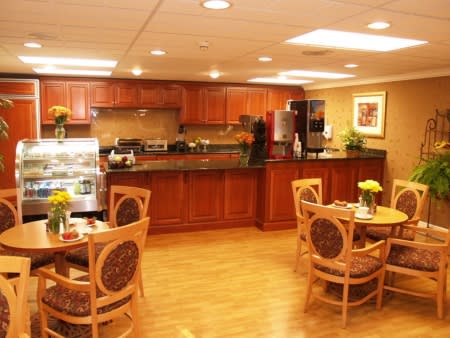
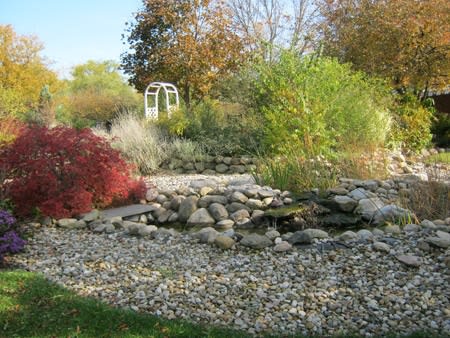
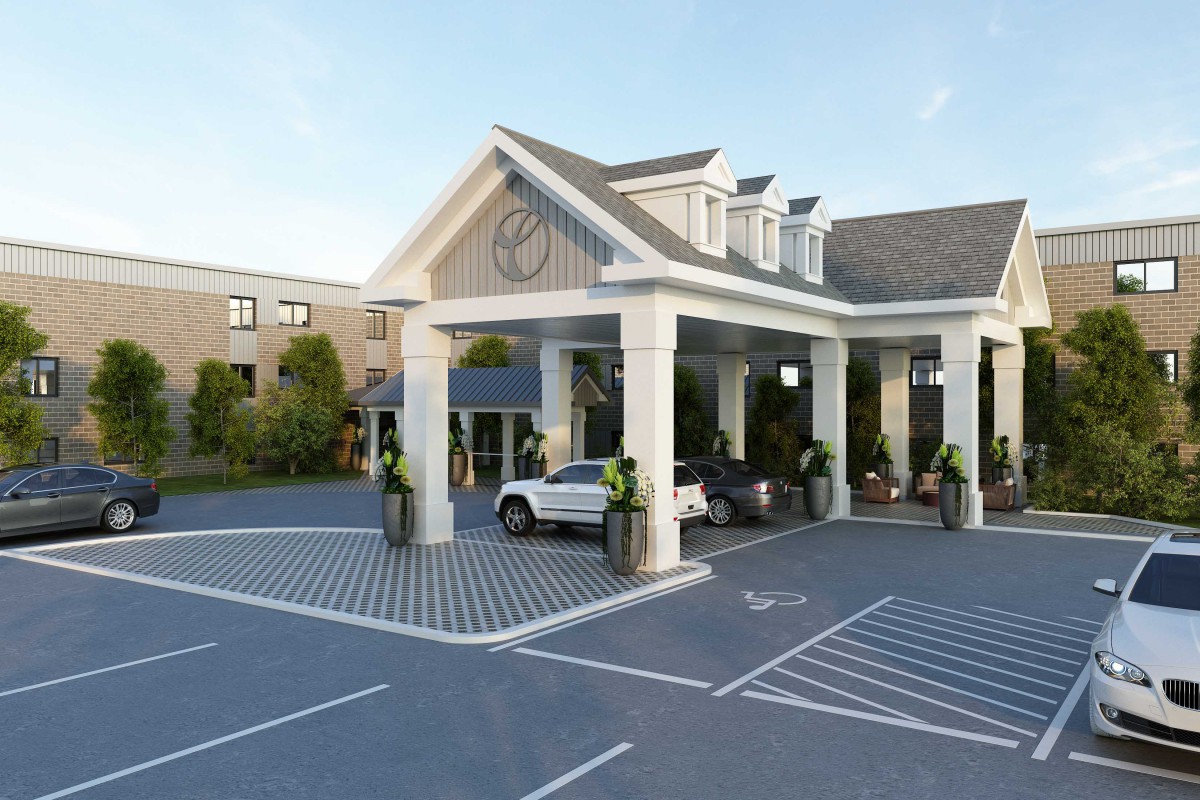
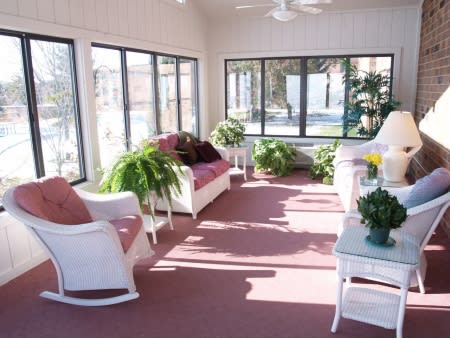
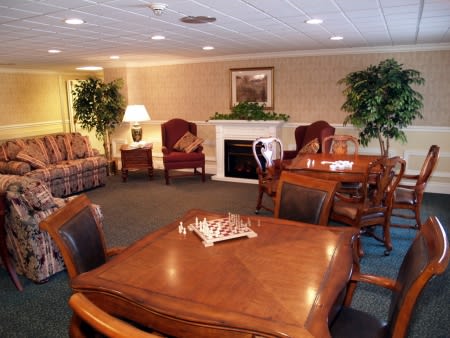
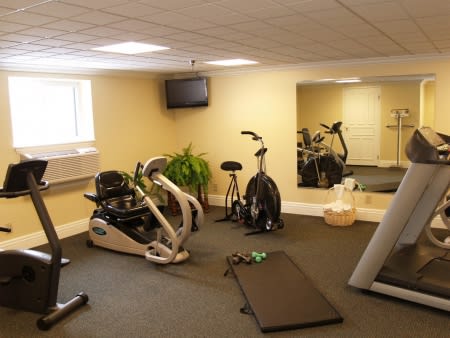
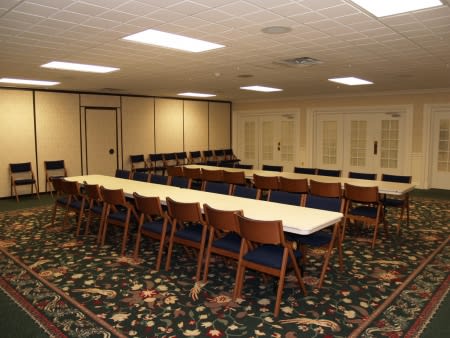
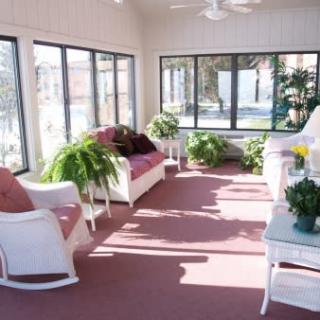
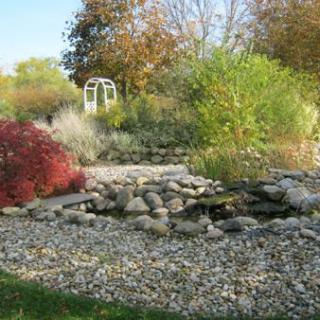
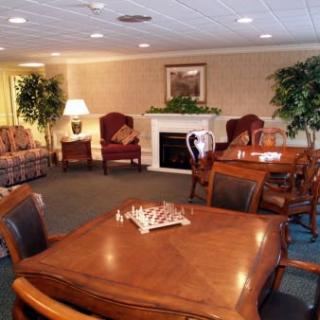
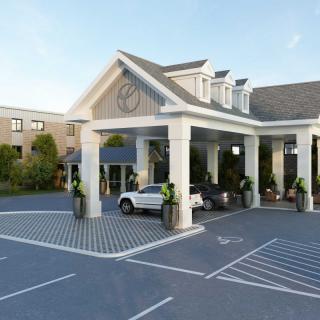
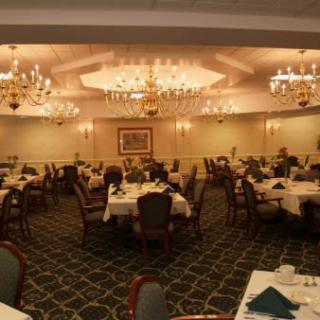
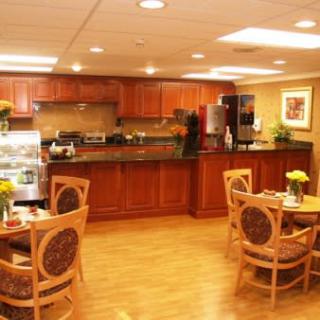
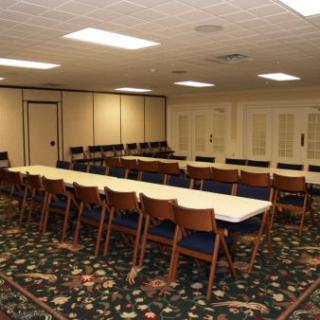
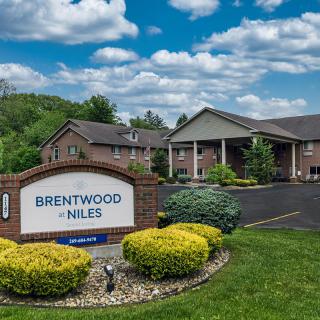
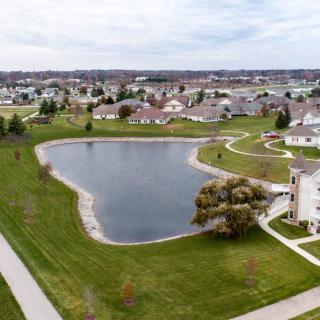
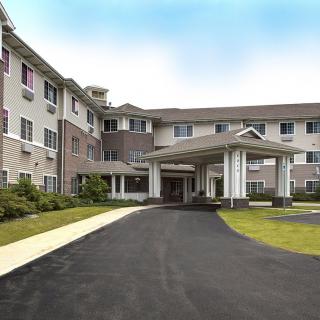
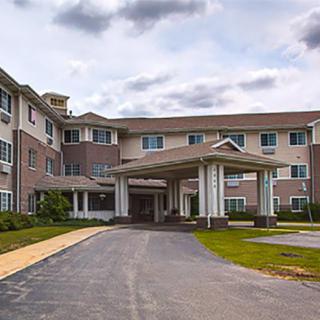
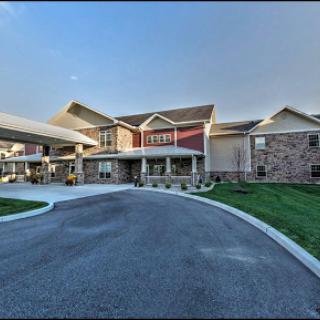
St. Paul's on seniors.fyi includes 14 photos including images showing floor plan, interior, dining, architecture, exercise equipment, landscaping, fireplace, pond, and more.
Nearby Communities
Sanctuary At St Paul's
South Bend, IN
4.8 from 93 reviews
$3,493 to $4,191 / month
Competitive pricing for semi-private and private rooms compared to county/state averages, plus extensive amenities and services.
St. Paul's Life Plan Community
South Bend, IN
4.8 from 93 reviews
All-in-one Life Plan Community with Independent Living, Assisted Living, and Memory Care plus 24-hour supervision.
Trailpoint Village
South Bend, IN
3.2 from 35 reviews
Comprehensive care options with extensive amenities and activities.
Ironwood Health & Rehabilitation Center
South Bend, IN
4.2 from 5 reviews
$6,750 to $8,215 / month
Knowledgeable staff and available rehab/medical services.
Grand Emerald Place
South Bend, IN
4.1 from 75 reviews
$1,642 to $2,919 / month
Friendly, caring staff in a clean, welcoming setting with engaging activities.
Grand Emerald Place Assisted Living Community
South Bend, IN
3.5 from 41 reviews
Comprehensive amenities with 24/7 safety and respite care
Primrose Of Mishawaka
Mishawaka, IN
4.6 from 88 reviews
Beautiful, well-maintained facilities with a wide range of amenities and friendly staff.
Vannoni Living Center
Mishawaka, IN
3.3 from 29 reviews
24/7 supervision and diabetes care with a mental wellness program and restaurant-style dining among on-site amenities.
Home Instead Senior Care - Mishawaka, IN
Mishawaka, IN
4.9 from 145 reviews
Compassionate, well-trained staff with good caregiver matching and flexible scheduling.
Dementia affects memory and cognitive function in older adults, presenting challenges for caregivers due to behavioral changes such as confusion and mood swings. Compassionate, person-centered care that considers individual history and preferences, along with effective communication and environmental modifications, is essential for supporting both patients and their caregivers.
Dementia leads to cognitive impairment and can cause emotional and behavioral changes, including aggression that arises from frustration, confusion, or fear. Effective coping strategies for caregivers include understanding dementia's nature, recognizing triggers, using empathetic communication, and employing non-pharmacological interventions like music and art therapy.
Dementia causes cognitive decline and challenging behaviors that caregivers must manage, necessitating an understanding of the neurological basis of these issues. Effective strategies and self-care for caregivers can enhance support for those with dementia and improve their daily lives.
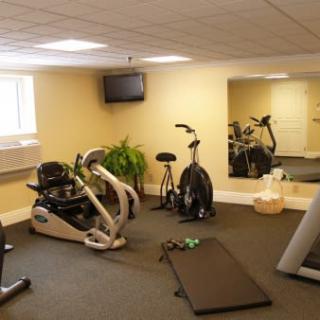
Exercise Equipment, Gym, Fitness, Treadmill, and Workout Room
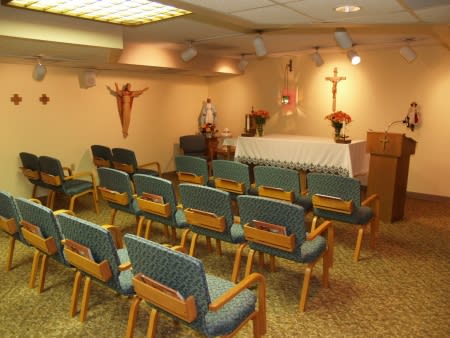
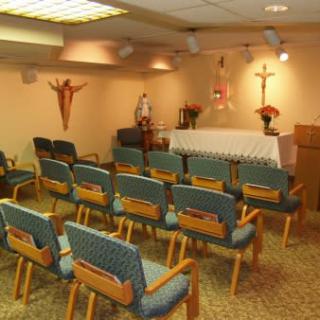
Seating and Chapel
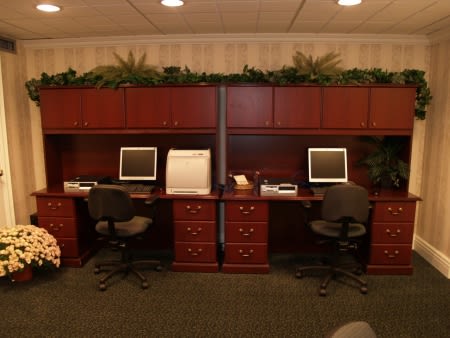
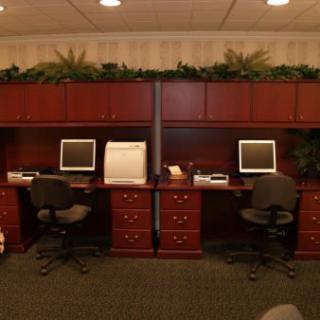
Office, Computers, and Workspace
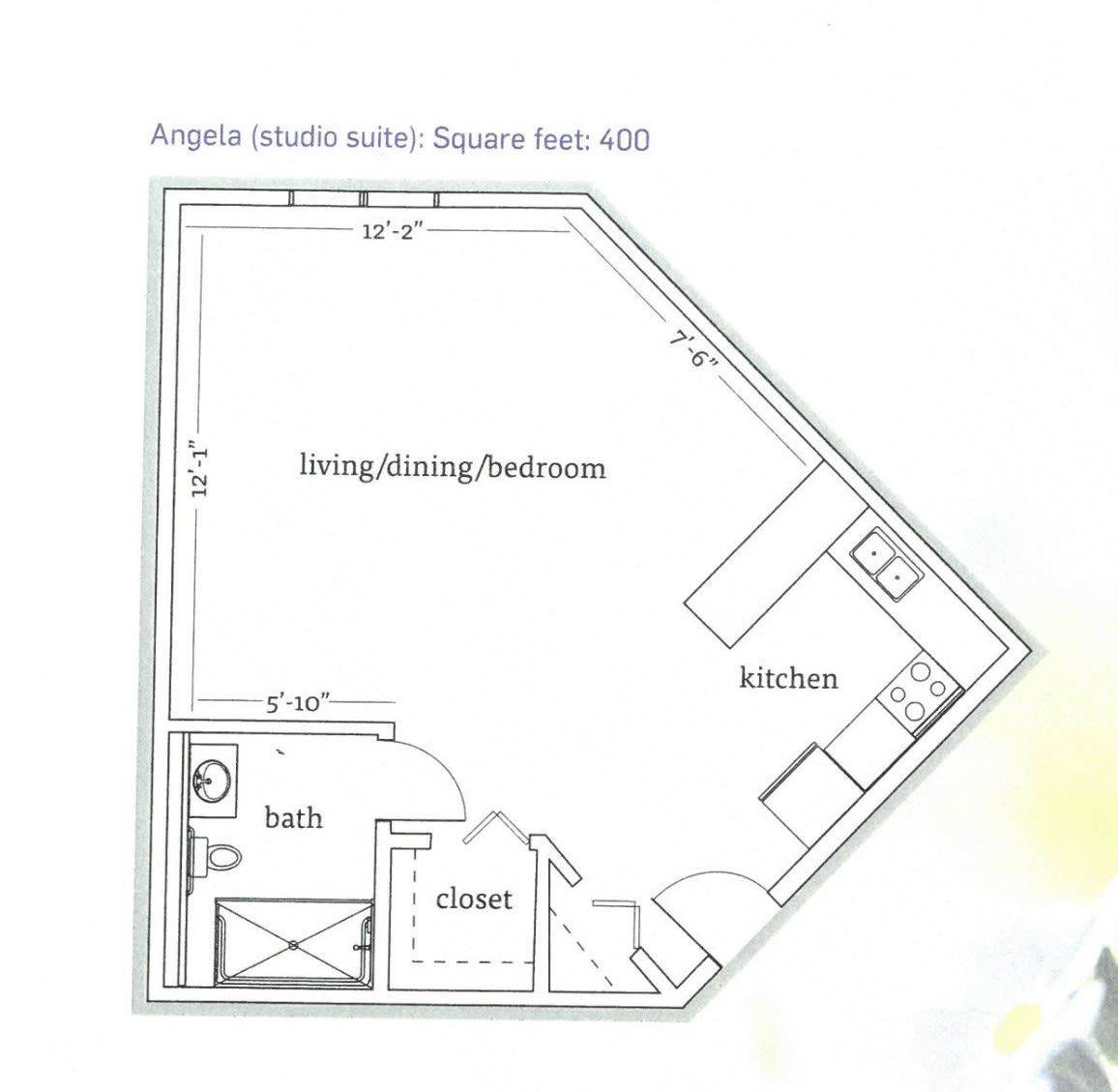
Studio Apartment
Conference Room and Meeting Room
Design
Architectural Design and Two-bedroom
Get PricingAsk A QuestionSchedule A TourContact Senior Advisor
By clicking submit, you agree to our Partner's Terms of Use. You
also consent to receive calls and texts, which may be autodialed, from our Partner. Your consent is not a condition to
using our Partner's service. Please visit our Partner's Privacy Policy for information about their privacy practices.





 1-bedroom apartments
 Assisted Living
 Independent Living
 Memory Care
 Cats allowed
 Dogs allowed
 Activities off-site
 Air-conditioning
 Bath tubs
 Beautician on-site
 Devotional services off-site
 Dining room
 Full kitchen
 Garden
 Ground floor units
 Handicap accessible
 Housekeeping services
 Indoor common areas
 Laundry
 Outdoor common areas
 Overnight guests
 Private bathrooms
 Resident parking
 Wheelchair accessible showers
 Wi-Fi/high-speed internet available
 South Bend Regional (7 miles away)
 Transportation & parking
 Ambulatory care
 Diabetic care
 Incontinence care
 Medication management
 Gluten-free
 Art classes
 Bible study group
 Educational speakers / life long learning
 Fitness programs
 Jewish services
 English
 Competitive pricing for semi-private and private rooms compared to county/state averages, plus extensive amenities and services.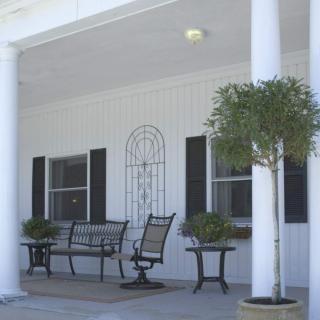
 Understanding Dementia Behaviors: Practical Insights and Strategies for Caregivers
 When Dementia Sparks Anger and Aggression: Understanding the Connection and Ways to Cope
 Dementia Behaviors: In-Depth Understanding and Effective Coping Strategies