
17390 Dugdale Dr, South Bend, IN 46635
For more information about senior living options: (866) 208-4318
Overall Review of Memorial Home Care
Pros
 Helping Angels senior group home is described as a wonderful and safe living environment for seniors.
- They provide the best care, meet unique needs, and treat residents like family.
- George and his wife are praised for their dedication and compassionate care, often exceeding expectations.
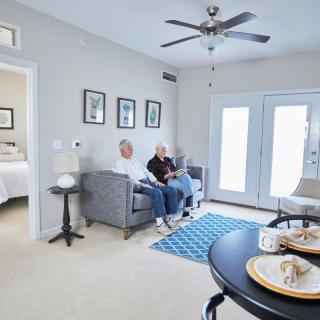
- The home atmosphere is comforting, and residents enjoy the activities and companionship.
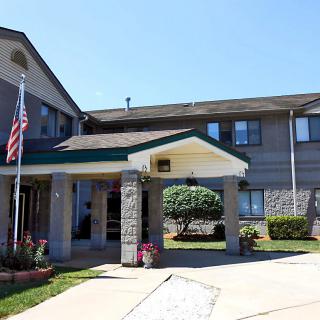
- The house is large, clean, and well cared for, with a staff that is professional, friendly, and attentive.
- George and Sarah's love, care, laughter, and compassion help residents feel valued and supported.
- George's frequent communication, including pictures, is a tremendous help to families.
- Families highly recommend Helping Angels Care as the best care in a home setting.
Review
This community is best suited for seniors who want a warm, home-like living environment where care is intensely personal and relationships matter. The reviews repeatedly highlight a small, owner-operated setup in which George and Sarah deliver hands-on, compassionate supervision that feels more like family than facility life. Residents are described as safe, well cared for, and engaged, with meals that are appreciated and a home atmosphere that reduces the clinical distance some elders fear. The strongest appeal is the continuity of attention and the sense that staff truly knows each resident’s preferences, routines, and quirks, creating a stable, comforting daily rhythm.
Those considering alternatives are wise to look beyond this intimate model if their loved one requires higher levels of medical oversight or a more regimented, institution-like environment. Larger assisted living communities or skilled nursing facilities with on-site licensed nurses, memory care wings, and formal rehab programs can offer round-the-clock clinical supervision, standardized care plans, and more predictable staffing patterns. Families prioritizing formal documentation, routine oversight, or a broader spectrum of medical services may find those options a better fit than a small group home.
The strongest pros, the genuine care, family-like atmosphere, and highly personalized attention, offset potential drawbacks in meaningful ways. George and Sarah’s approach leads to remarkable trust and quick responsiveness, with daily touches that keep families informed through frequent communication and even photo updates. Residents benefit from clean, well-kept surroundings, purposeful activities, and safety-conscious routines that promote dignity and autonomy. When a loved one needs mobility assistance and daily engagement, the hands-on leadership often translates to faster adjustments to evolving needs than larger facilities typically provide.
Where caveats lie, the same strengths also illuminate the limits. The intimate, home-based model naturally operates with a smaller staff pool, which can translate to less on-site medical staff presence and fewer on-site resources for complex clinical care. The scale may limit access to specialized therapies, advanced dementia programming, or rapid response in crisis situations, particularly after-hours. For families with a loved one who requires continuous skilled nursing, complex wound care, or aggressive medical management, the appeal of a “home” setting can clash with practical needs for clinical infrastructure.
In evaluating fit, focus on how the care philosophy aligns with the elder’s day-to-day realities. Ask about staff-to-resident ratios, the availability of licensed nurses, and how care plans are developed and updated. Inquire about meals, activity calendars, transportation options, and how safety is maintained in a home-like layout. Seek references from current families about communication quality, responsiveness, and whether the home’s warmth persists during challenging days. Clarify expectations around respite stays, contract terms, and what happens if medical needs escalate.
Ultimately, the decision rests on a clear trade-off: extraordinary warmth, individualized attention, and a familial atmosphere versus a potentially narrower medical footprint and fewer on-site clinical resources. For families prioritizing emotional connection, continuity of care, and a setting that feels like a trusted home, this model offers compelling value and peace of mind. If the priority is robust medical oversight, formal memory care programming, or access to a wide array of on-site clinical services, consider larger, more resource-rich alternatives. The right choice depends on matching the elder’s health needs, personality, and family expectations to the environment that can sustain them with dignity and daily reassurance.
 Assisted Living
 Activities on-site
 Devotional services off-site
 Indoor common areas
 South Bend Regional (6 miles away)
 Ambulatory care
 Diabetic care
 Meals provided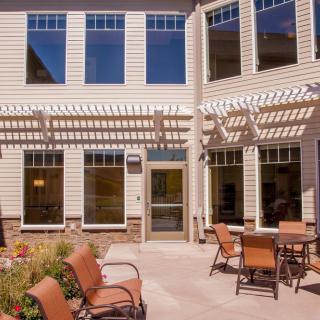




 Exploring the Contrasts Between Assisted Living and Skilled Nursing
 8 Key Indicators That Suggest It May Be Time to Transition from Assisted Living to Skilled Nursing Care
 Vibrant Senior Living: A Comprehensive Guide for Active Older Adults