
310 Addie Grayson Blvd, Salem, IN 47167
To contact a resident: (812) 320-3761
For more information about senior living options: (866) 208-4318
Skyline Suites Costs & Pricing
Skyline Suites presents a competitive pricing structure within Washington County and the broader Indiana market. For a studio, the monthly rate stands at $3,690, which is slightly more economical than the county's average of $3,810 but notably higher than Indiana's statewide average of $3,258. The one-bedroom suite is priced at $3,900; while this is again lower than Washington County's $4,140, it remains elevated compared to the state average of $3,300. For those seeking more space with a two-bedroom suite priced at $4,800, Skyline Suites aligns perfectly with Washington County rates but surpasses Indiana's average of $3,208 significantly. Overall, Skyline Suites offers a blend of value and quality that positions it well in comparison to local and state averages.
| Floor plans | Skyline Suites | Washington County | Indiana |
|---|---|---|---|
| Studio | $3,690 | $3,810 | $3,258 |
| 1 Bedroom | $3,900 | $4,140 | $3,300 |
| 2 Bedrooms | $4,800 | $4,800 | $3,208 |
Assisted Living communities with a similar price nearby
-
from -$290 / mo
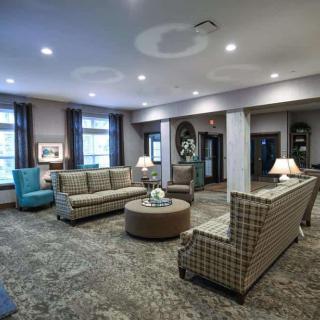
Traditions at Hunter Station
$3,400 to $5,465 / month23.5 miles away -
from -$390 / mo
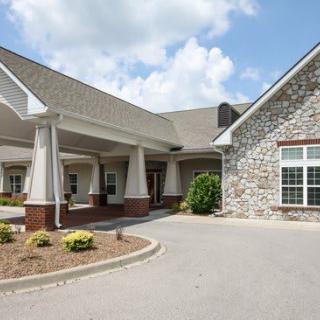
River Crossing
$3,300 to $3,550 / month24.8 miles away -
About the same
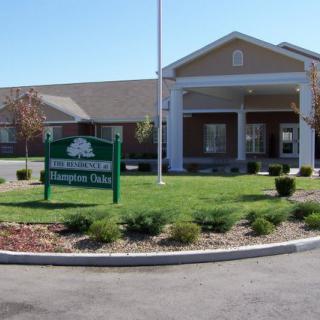
Hampton Oaks Health Campus
$3,660 to $4,380 / month17.6 miles away -
About the same

Villas of Guerin Woods
$3,750 / month22.2 miles away -
from -$290 / mo
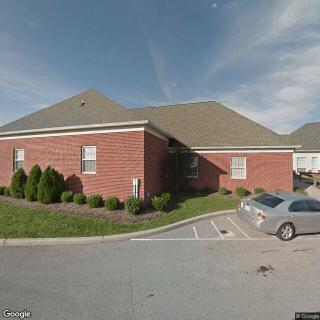
Diversicare Of Providence
$3,400 to $4,900 / month23.9 miles away
Overall Review of Skyline Suites
Pros
 Skyline Suites is a very small 12-unit community that allows highly individualized attention.
- The staff are kind, caring, and consistently go above and beyond for residents.
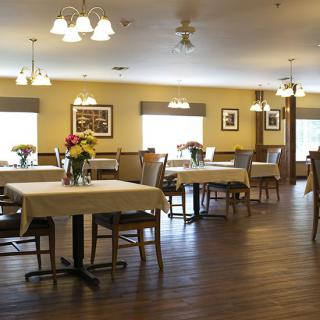
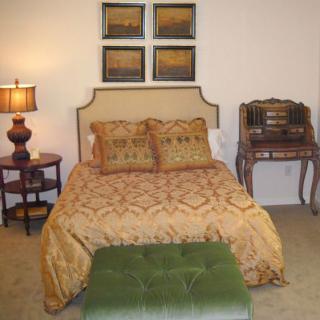
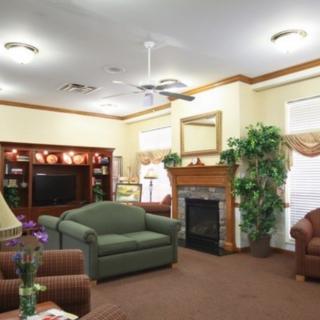
- The facility is clean, beautifully decorated, and spacious, with a home-like atmosphere.
- Residents benefit from daily housekeeping, laundry, bed-making, and an included in-house hairdresser.
- A wide range of daily activities and local outings keeps residents engaged and connected.
- Meals are high quality and accommodate dietary needs, such as low-sodium options.
- Management is accessible and responsive, with staff who treat residents like family.
- Monthly costs include amenities like in-house salon, outings, and transportation, reducing surprise charges.
Review
Skyline Suites in Salem, Indiana, is best suited for seniors who want a tiny, home-like atmosphere where staff know residents by name and care feels individualized. With just 12 units, it operates more like a family than a campus, delivering attentive oversight without the bustle of a larger facility. This setting suits those who still desire a degree of independence but value reliable help with daily needs, a steady routine, and convenient access to local medical appointments. Families seeking a bustling, multi-wing campus with expansive medical teams or specialized memory-care programming will want to consider alternatives.
The strongest advantages flow directly from the intimate scale. The small roster means staff can tailor routines and responses to each person, creating a sense of real personalization. Rooms are consistently described as in excellent condition, often repainted and ready for a new resident, with ample space in the large studio layouts. Services arrive bundled in a practical package: an on-site hairdresser, daily housekeeping, linen and general cleaning, and beds made daily. Residents gain practical supports that preserve independence while reducing family burdens, including transportation to local doctors’ appointments and routine assistance. The on-site activities and outings are frequent and meaningful, fostering lasting social connections rather than token programming.
Staff performance emerges as a clear standout in the collective experience. Caregivers are repeatedly depicted as going above and beyond, maintaining a clean, well-decorated environment, and treating residents with genuine respect. Leadership is described as accessible and responsive, with the manager often cited for listening to concerns, coordinating rides to appointments, and communicating with families about doctor reports. The social fabric is strong: residents form friendships, share their life stories, and truly feel at home. Meal service pairs well with dietary accommodations, including low-sodium options, reinforcing Skyline as a living environment that supports overall well-being as part of daily life rather than a sterile institution.
Prospective families should still align expectations with the model. The small scale and emphasis on independence mean this setting isn’t designed for heavy medical oversight, intensive rehab, or specialized memory-care environments. Transportation to local appointments is a practical benefit, but more complex medical trips may require additional planning and coordination. While the monthly rent includes several extras, such as salon services and certain outings, transparency around what is included and what might incur additional charges remains essential during due diligence to avoid surprises down the line.
What stands out most is how the positives offset the potential limitations. The core advantage is the depth of attention, residents are not shuffled through generic routines but are engaged in personalized meal planning, light housekeeping, and social activities tailored to their interests. The small size also fosters a sense of reliability: families can depend on a cohesive team rather than a rotating cast of caregivers. Peace of mind comes from leadership that is approachable, responsive, and personally invested in each resident’s well-being, including proactive medical follow-up and timely transportation coordination.
For families comparing Skyline with other options, the decision hinges on values. If a homey, tightly run environment with high staff engagement and inclusivity of various services appeals, Skyline presents a compelling case over larger, more impersonal campuses. A guided tour should probe how care plans are developed and adjusted, what occurs when medical needs escalate, response times to health changes, and how dietary restrictions and activity schedules are managed. Skyline Suites delivers a practical, confident choice for those prioritizing intimate attention, dignified living, and a warm, community-centered atmosphere in Salem.
 Assisted Living
 Independent Living
 Activities off-site
 Air-conditioning
 Bath tubs
 Beautician on-site
 Cable or satellite TV
 Devotional services off-site
 Ground floor units
 Handicap accessible
 Indoor common areas
 Kitchenette
 Outdoor common areas
 Wheelchair accessible showers
 Wi-Fi/high-speed internet available
 Ambulatory care
 Diabetic care
 Medication management
 Anytime dining
 Art classes
 Brain fitness
 Cooking classes
 Day trips and outings
 Gardening club
 Happy hour
 Live musical performances
 Stretching classes
 Trivia games
 Visiting chaplain or priest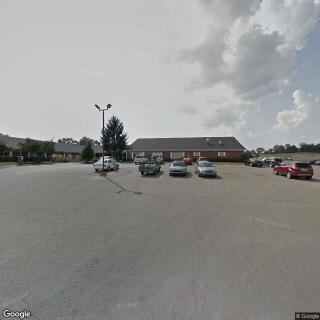

 Assisted Living Support for Veterans: A Complete and Detailed Overview
 Exploring the Contrasts Between Assisted Living and Skilled Nursing
 8 Key Indicators That Suggest It May Be Time to Transition from Assisted Living to Skilled Nursing Care