



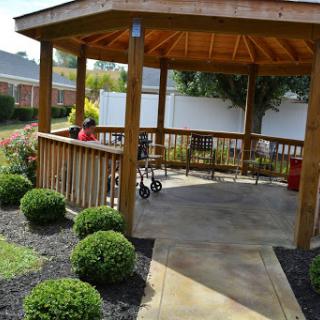



200 Connie Avenue, Salem, IN 47167
For more information about senior living options: (866) 208-4318

Overall Review of Salem Crossing
Pros
 The staff and therapists are always friendly and helpful.
- Her mother really enjoys her stays there and wouldn't go anywhere else.
- She received excellent care and the therapy department was wonderful.
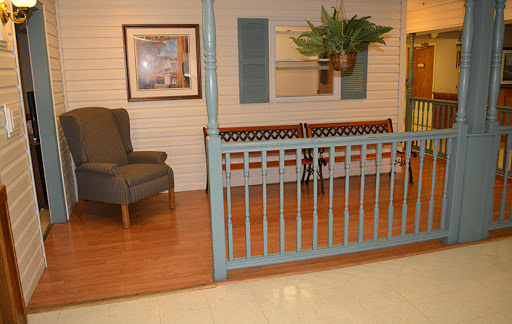
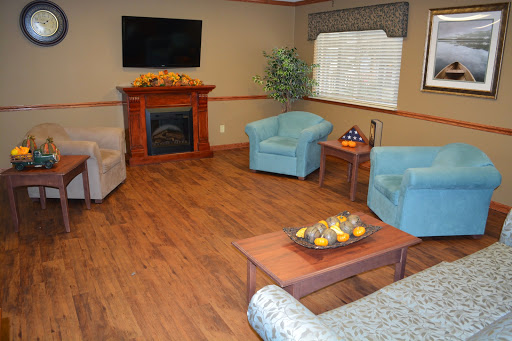
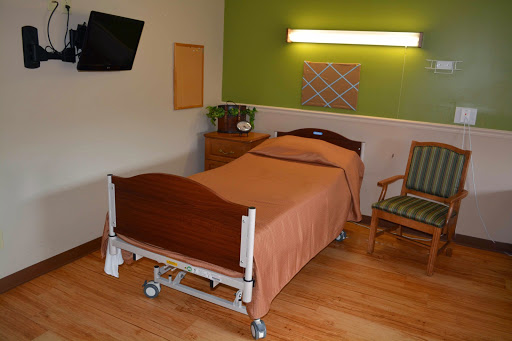
- Salem Crossing is a wonderful place; the staff is amazing and the facility is clean and well maintained.
- The facility and staff are highly regarded for their helpfulness and the fantastic care they provide to residents.
- It is a nice place in Salem, and locals are encouraged to check it out for their loved ones.
- The staff are very kind and loving to residents, and they do well with individual care plans to ensure each person gets the care they need.
- There are very nice nursing assistants.
Cons
 The reviewer would not recommend this place to anyone with a loved one, citing a grandmother who was sent to the ER with severe dehydration and a bed sore that the family could not view.
- They believe that if the grandmother had not been sent out, she would not be alive today.
- The reviewer says the mother was very poorly cared for during the stay.
- The reviewer notes the mother developed a severe bed sore that could not be seen by the family, and her mouth wasn't being cared for.
- In the third week, the patient wasn't acting right and wasn't responding well.
- The facility seemed understaffed and inattentive, with no activities for residents.
- EMTs reported that the sugar was above 600 and that several had died.
Review
Salem Crossing is best suited for seniors who need rehabilitation and short- to mid-term skilled therapy, backed by a friendly, responsive staff. The environment is clean, the therapy program stands out, and care plans are genuinely individualized to support mobility and recovery after hospitalization. Families seeking a warm, approachable setting with dependable aides will find value in the daily courtesy and practical routines. This is not a facility built around constant medical surveillance or high-intensity custodial care, so those needs must be accounted for. In short, rehab-focused residents who can tolerate occasional gaps in oversight will do well here.
Those who should seriously consider alternatives include residents with ongoing, complex medical needs that demand vigilant, 24/7 nursing attention; concerns about wound care quality or dehydration; or families that cannot commit to regular, close monitoring. Several reviews describe preventable health issues that surfaced during stays, including severe bed sores and dangerously high glucose levels, and those red flags cannot be dismissed. If transparency about medical events, timely updates, and a consistently proactive nursing team are non-negotiable, it may be prudent to look elsewhere.
On the plus side, staff are described as friendly and caring; therapists are praised; the facility is clean; and the care plans are individualized to address each resident's needs. These strengths can translate into real gains during therapy and comfort in daily routines, helping residents regain independence after a hospital stay. However, the most serious cons, reports of bed sores, dehydration, and episodes of elevated sugar, highlight gaps in medical oversight that can undermine those gains. The contrast between excellent therapy and troubling medical lapses creates a cloudy value proposition: the rehab benefits are real, but they depend on vigilant, proactive nursing and rapid escalation when warning signs appear. In practice, the pros do offset some risk when family members stay engaged, but the offset is imperfect.
Prospective residents should verify staffing levels, especially on shifts when care gaps showed up in reviews. Request a transparent tour focusing on wound care protocols, daily activity options, and how care plans are updated as needs evolve. Ask to speak with the director of nursing or the therapy manager about recent incidents and how they would handle similar situations. Arranging to sample meals, observe bath and grooming routines, and review the facility's incident follow-up can reveal whether the reality aligns with the positives highlighted in reviews. And insist on clear policies for family access to care notes and wounds.
With due diligence, Salem Crossing can be a strong choice for rehab-focused care. The combination of capable therapy and a cordial staff creates meaningful potential for recovery and daily dignity. The key is whether the resident's needs align with a setting that delivers consistent medical oversight and nimble response to health changes. If the answer is yes, and family oversight is feasible, Salem Crossing delivers solid value. If the resident requires ongoing, high-level medical management or if past experience with wound care has been troubling, alternatives that prioritize nursing coverage and rigorous clinical protocols should be explored.
Overall, Salem Crossing offers a practical, therapy-forward option for seniors pursuing recovery and personal well-being in a clean, friendly environment. It is not a guaranteed fit for every long-term care scenario, and the most important decision factor is the ability to ensure persistent medical vigilance and proactive care. When matched to a resident whose needs center on rehabilitation and daily independence, with active family involvement to supervise care quality, Salem Crossing can be a productive, confidence-inspiring choice. For families that require steady clinical oversight and consistent wound care, the search may rightly continue elsewhere.
 92 resident community capacity
 Assisted Living
 Memory Care
 Skilled Nursing Facility
 Air-conditioning
 Beauty salon
 Cable or satellite TV
 Computer center
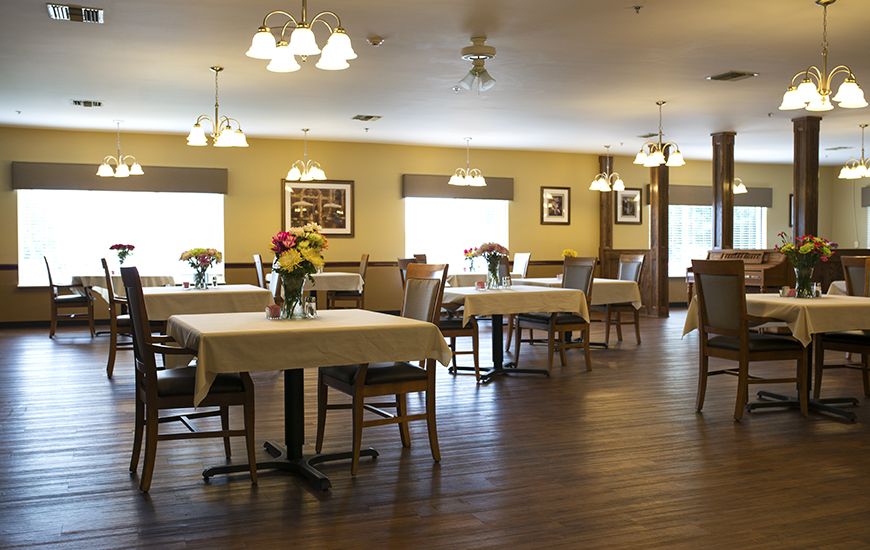
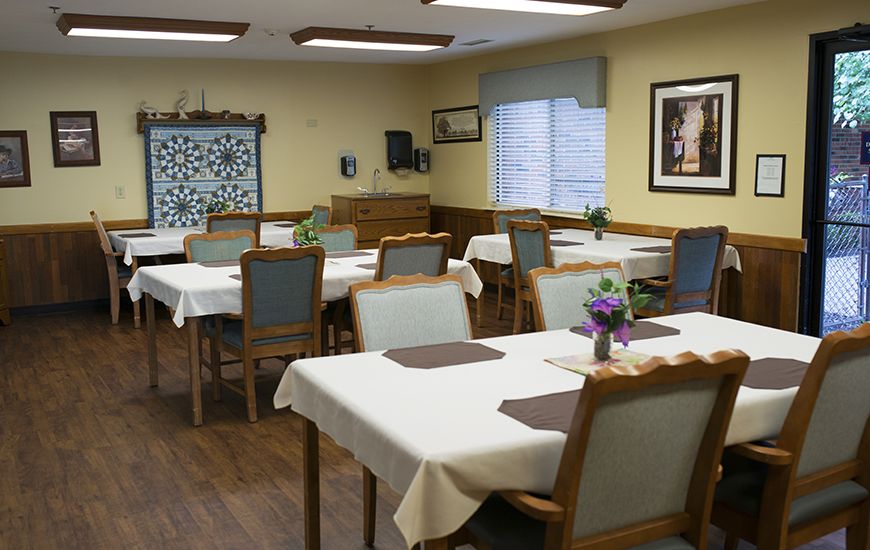
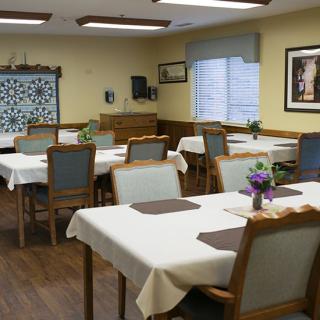
 Dining room
 Fitness room
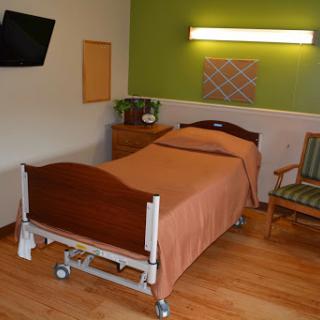
 Fully furnished
 Gaming room
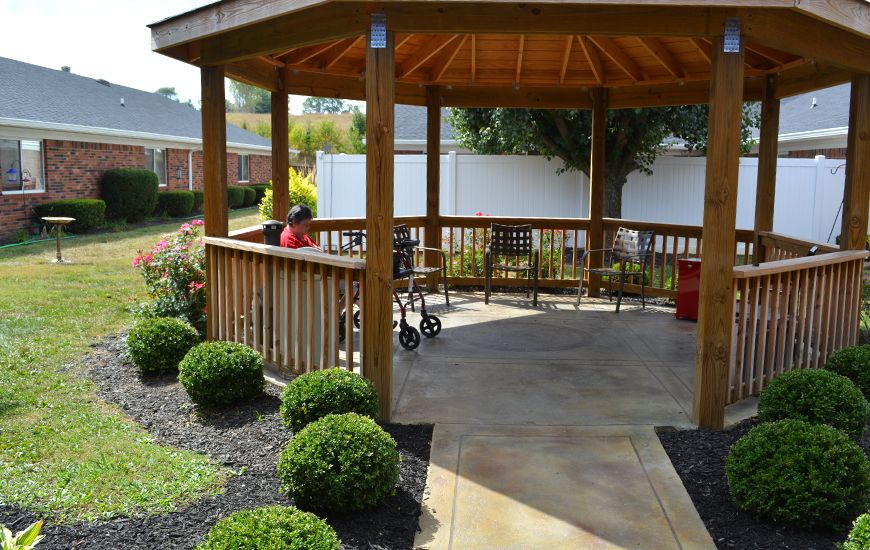
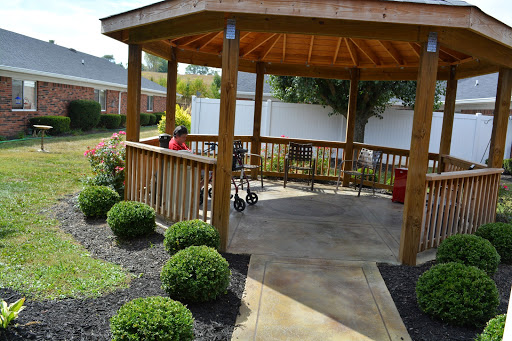
 Garden
 Housekeeping services
 Kitchenette
 Move-in coordination
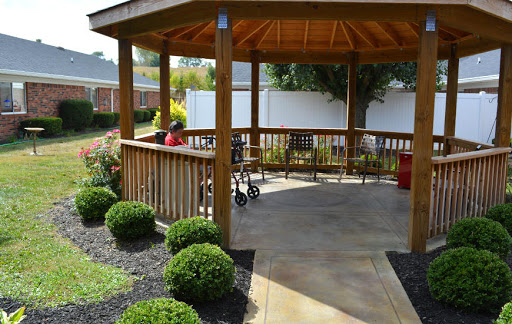
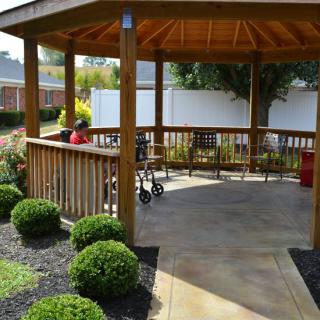
 Outdoor space
 Private bathrooms
 Restaurant-style dining
 Small library
 Telephone
 Wellness center
 Wi-Fi/high-speed internet available
 Community operated transportation
 12-16 hour nursing
 24-hour call system
 Activities of daily living assistance
 Assistance with bathing
 Assistance with dressing
 Assistance with transfers
 Diabetes diet
 Medication management
 Mental wellness program
 Special dietary restrictions
 Transportation arrangement (medical)
 Concierge services
 Planned day trips






 How and When Medicaid May Cover Assisted Living Costs
 A Detailed Exploration of Assisted Living Medicaid Waivers Across the United States
 Exploring the Contrasts Between Assisted Living and Skilled Nursing