
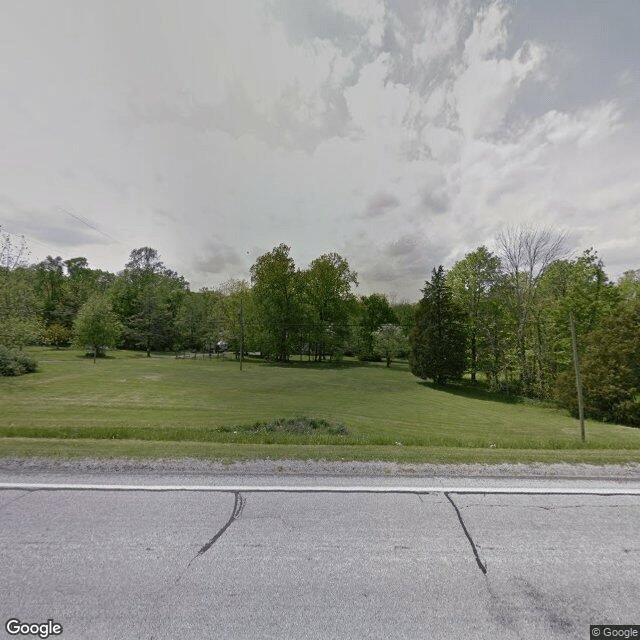
4898 Highway 135 N, Salem, IN 47167
To contact a resident: (812) 883-2578
For more information about senior living options: (866) 208-4318
Overall Review of Northwood Residence
Pros
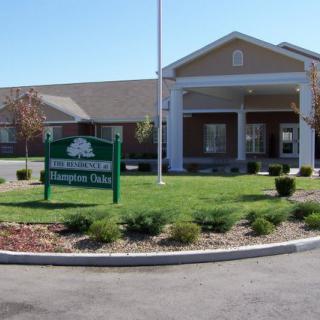
 The place is a beautiful home with a balcony facing the backyard and woods.
- It features a south-facing covered porch and a patio, plus a wheelchair ramp on the east side.
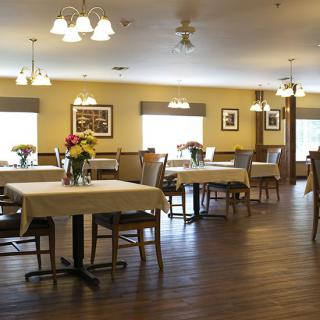
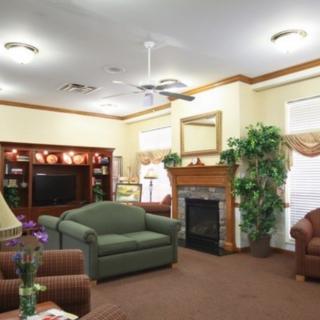
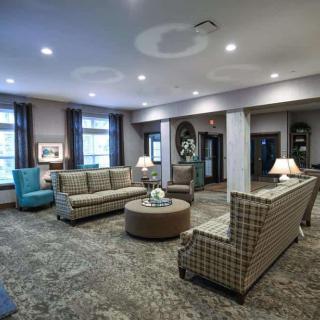
- Inside, there are large private rooms with bathrooms and a large open living/dining room.
- There are lots of windows that bring in natural sunlight.
- Staff go to town daily and will try to get what residents need when asked.
- It is a good place to meet up.
Cons
 They are horrible about getting anything done when something needs to be fixed in the apartment.
- They ignored a black mold report for months, despite the resident being allergic.
- They discriminate toward certain people.
- After being told about the mold and discrimination, they sent an eviction letter.
- They barely feed residents and serve low-quality food, including frozen chicken nuggets that cannot be chewed.
- They failed to take mom to the hospital when asked, instead telling a sibling about it.
- They allegedly overdosed the resident on oxycodone.
Review
Northwood Residence in Salem, Indiana is best suited for seniors who want a homey, low-ceremony setting with generous private living spaces and ready access to staff, and who can tolerate intermittent maintenance delays and mixed quality in care and dining. The property presents itself as a warm, house-like environment with large rooms, private baths, and ample natural light, plus outdoor spaces, a balcony, a covered porch, and a yard that lends a feeling of country calm. That aesthetic and spatial footprint appeals to residents who value dignity, personal space, and a social atmosphere that isn’t strictly clinical. Yet this appeal comes with a risk: maintenance responsiveness and daily operations can fall short, and those gaps can color the entire experience.
On the positive side, the residence delivers a visually pleasing, comfortable backdrop. The interiors feature sizable private rooms with bathrooms, broad windows, and abundant sunlight, while outdoor areas offer easy access to a yard and woods. The everyday habit of staff responding to requests, at least in some cases, gives residents and families a sense that help is reachable, and several reviews note that the community is a reasonable place to meet up and connect with others. For families seeking a tranquil, home-like routine and a setting that can feel almost like a private residence, these concrete comforts are meaningful and can support a steady daily rhythm.
The downsides, however, are substantial and far from incidental. Maintenance and responsiveness appear chronically inconsistent, with serious safety concerns raised by a resident reporting black mold in an apartment and months without remediation despite health sensitivities. That situation is emblematic of a broader pattern where urgent needs may not be addressed promptly, creating legitimate anxiety about living conditions and personal safety. Additionally, there are troubling accusations around discriminatory conduct and a lack of clear, protective actions when family members voice concerns. Eviction-like pressure has been mentioned, which compounds fears about stability and fair treatment. These core risks threaten not just comfort, but fundamental protections residents rely on.
Further compounding the concerns are questions about medical oversight and daily care practices. Accounts of hospital triage or transport decisions and alleged mismanagement around medications raise red flags for families assessing long-term safety. Food quality emerges as another sore point, with reports of low-quality meals and even frozen items that fail to meet basic nutritional needs. Financial transparency also echoes unease, illustrating tensions around refunds and charges. Taken together, these issues undermine trust in routine operations and the ability to ensure consistent, safe, person-centered care.
Given the mix of strengths and risks, Northwood Residence may still fit a specific senior profile, one that prioritizes a warm, home-like setting, accessible outdoor space, and a social, community-oriented atmosphere, and can tolerate uneven service delivery and occasional governance concerns. For families who require reliable, proactive maintenance, predictable medical oversight, high-quality meals, and a consistently respectful environment free from discrimination or coercive pressures, alternative communities deserve strong consideration. The decision hinges on weighing the pull of the comforting, non-institutional feel against the gravity of safety, care quality, and ethical treatment, critical factors that outweigh aesthetics when lived day to day.
Practical next steps are clear. Prospective residents and families should visit with a focus on maintenance responsiveness, initiating a live ticket for a routine fix and observing how quickly it is resolved. Request a frank discussion about medical oversight, including how medications are managed and how urgent health concerns are handled. Eat a full meal during a visit to assess quality and variety, and speak directly with current residents about daily life and staff interactions. Inspect the living spaces for mold or musty odors, evaluate ventilation in rooms, and probe the eviction process and resident protections. If anything here raises unresolved concern, the prudent course is to explore other options that deliver steadier operations, stronger resident rights, and more consistent, high-quality care.
 Board and Care Home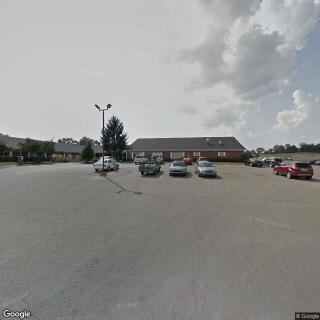

 Exploring the World of Home Health Nurses: Qualifications, Roles, and Hiring Tips
 Navigating Medicare Coverage for In-Home Care Services
 In-Home Care Costs in 2025: A Detailed State-by-State Exploration