
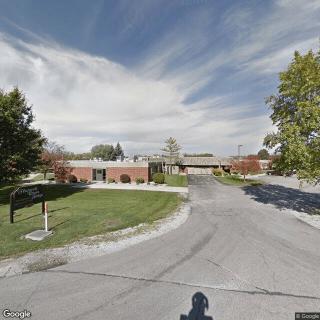
612 East 11Th Street, Rushville, IN 46173
For more information about senior living options: (866) 208-4318
Overall Review of Miller's Merry Manor - Rushville
Pros
 Most of the staff is amazing.
- The residents all appear to be very well taken care of.
- There are daily activities for the residents.
Cons
 The management is terrible.
- They fail to report things to the state properly.
- The staff are overworked and underappreciated.
- Residents deemed "annoying" or "too much to deal with" are not cared for as they should be.
- It is not recommended to bring family or loved ones here unless they are completely dependent.
Review
Miller’s Merry Manor – Rushville is best suited for residents who require steady, basic assistance with activities of daily living and who benefit from a predictable, activity-rich day. Frontline caregivers appear capable and engaged in day-to-day tasks, and the facility maintains a schedule of daily activities that keeps many residents mentally and socially occupied. For a resident who is completely dependent and does not demand aggressive advocacy or constant problem-solving from family or outside professionals, this community can function as a workable home. The caveat is that the overall operation relies heavily on the goodwill and stamina of front-line staff rather than consistently strong, proactive leadership from the top.
Those with more rigorous expectations should seriously consider alternatives. The most pointed red flag is management and administrative responsiveness. One reviewer labels the leadership as “god awful,” highlighting a failure to report to state authorities properly and a disconnect between what is promised and what is documented. Families who need transparent, timely escalation of concerns, reliable oversight, and a governance structure they can trust will likely find better alignment elsewhere. In addition, the concern that overworked staff may triage care based on perceived behavior, “annoying” or difficult residents not receiving appropriate attention, raises the specter of uneven care that can be hard to monitor from outside. For anyone wary of uneven accountability, other communities with stronger management frameworks deserve serious consideration.
On the positive side, the visible commitment of many staff members and the routine activities program are meaningful strengths. A visiting family member reports consistently well-taken-care-of residents and daily engagement opportunities, which signals that the hands-on care and activity offerings can deliver real value day-to-day. When operations function smoothly at the ground level, residents benefit from regular assistance and meaningful engagement, reducing the risk of isolation and neglect among those who rely on consistent support. The contrast between the favorable frontline impressions and the negative stories about administration creates a clear tension: the care experience may be solid in practice, yet the systemic support that sustains it appears inconsistent.
That tension should shape the questions asked during tours and intake conversations. Prospective families should press for specifics on incident reporting, written care plans, and how state reporting is tracked and corrected when lapses occur. Inquire about staff-to-resident ratios per shift, the turnover rate among caregivers, and how leadership mitigates burnout. Ask how concerns are escalated, whether families have access to an ombudsperson or regional administrator, and request recent examples of how management has addressed similar issues. Review calendars and talk to front-line caregivers about workload and support; observe whether residents receive prompt assistance with transfers, meals, and personal care. These probes will illuminate whether the apparent strengths on the floor translate into reliable, sustained quality.
For families weighing decisions, a practical rule emerges: if the resident tends to stay within a tightly managed routine, is relatively passive, and can be supported by attentive staff without frequent advocacy, Miller’s Merry Manor can meet essential needs. If the resident requires consistent oversight, rapid response to concerns, or has challenging behaviors that demand active, centralized problem-solving, this community may fall short. The core trade-off is between real-time, personable care at the bedside and the lack of cohesive, aggressive administrative accountability. In the end, the decision hinges on the degree of family bandwidth for ongoing advocacy and the comfort level with a model where frontline warmth competes with questionable leadership systems.
 129 resident community capacity
 Assisted Living
 Skilled Nursing Facility
 Air-conditioning
 Beauty salon
 Cable or satellite TV
 Computer center
 Dining room
 Fitness room
 Fully furnished
 Gaming room
 Garden
 Housekeeping services
 Kitchenette
 Move-in coordination
 Outdoor space
 Private bathrooms
 Restaurant-style dining
 Small library
 Telephone
 Wellness center
 Wi-Fi/high-speed internet available
 Community operated transportation
 24-hour call system
 Activities of daily living assistance
 Assistance with bathing
 Assistance with dressing
 Assistance with transfers
 Diabetes diet
 Medication management
 Special dietary restrictions
 Concierge services
 Planned day trips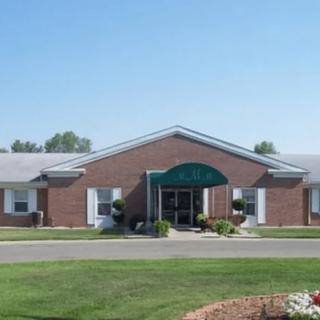




 Assisted Living Support for Veterans: A Complete and Detailed Overview
 Exploring the Contrasts Between Assisted Living and Skilled Nursing
 8 Key Indicators That Suggest It May Be Time to Transition from Assisted Living to Skilled Nursing Care