









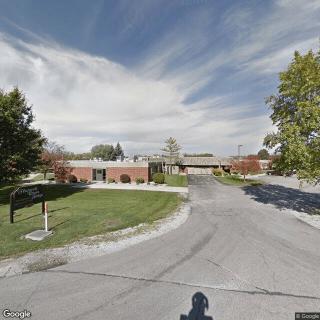
1620 North Lincoln Street, Greensburg, IN 47240
For more information about senior living options: (866) 208-4318
Overall Review of Hickory Creek At Greensburg
Pros
 The staff are awesome and the place is great for families and loved ones.
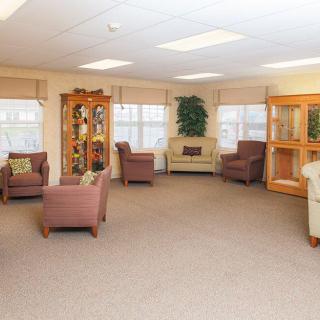
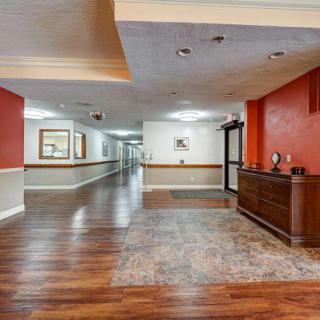
- Rooms are clean and spacious, with many activities for residents to participate in.
- They have done a wonderful job with residents.
- The staff are like one big family, and residents benefit from this supportive environment.
- The management team is strong and supportive.
- The facility feels like home with friendly staff and a warm environment.
Cons
 Staff put residents in bed and ignore them.
- Medication and medical instructions from family doctors or specialists are not followed.
- Pain medication disappears and is not given regularly.
- The care is described as the worst imaginable.
Review
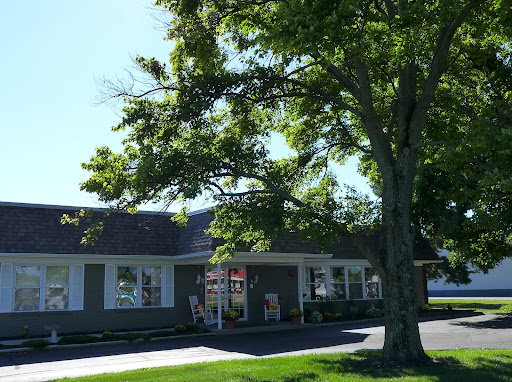
Hickory Creek At Greensburg is best suited for families that want a warm, home-like atmosphere where attentive staff, personal connections, and a robust slate of daily activities define daily life. In Greensburg, IN, the community earns high marks for clean, spacious rooms and a culture that feels less institutional and more like a closely knit home. The reviews consistently commend staff warmth, a sense of belonging among residents, and a management team that is described as supportive and collaborative. For families seeking strong social programming, accessible caregivers, and a setting where residents are known personally, this community checks the right boxes.
Those who may want to consider alternatives are explicitly those whose priorities run toward stringent clinical oversight or advanced medical management. If medication administration, strict adherence to doctor’s orders, or high-level monitoring for complex health needs is non-negotiable, it’s wise to compare with facilities that publish more formalized medication-management protocols and staffing structures designed for intensive clinical care. Similarly, families looking for a more independent, less structured environment or one with specialized memory-care programming may find other communities better aligned with those expectations.
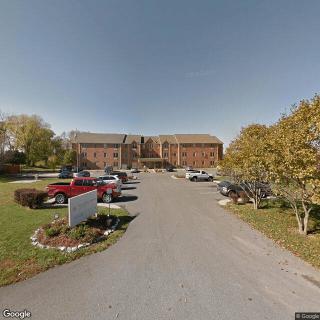
On the plus side, the dominant voice in the feedback cites “awesome staff” and a “family-like” atmosphere as the core strengths. Residents benefit from staff who know them well, a sense of teamwork among caregivers and managers, and a daily rhythm that includes meaningful activities. Clean, expansive rooms and a campus that feels welcoming contribute to a sense of dignity and comfort. The strongest reviews describe a environment where families feel their loved ones are treated with warmth, respect, and attention, and where management support translates into practical, day-to-day reliability for residents and their families.
The most serious caveat is a lone, strongly negative report that raises questions about medication handling. The narrator alleges that medications were not administered as prescribed, with pain meds “disappearing” and critical instructions being overlooked. Although this is an outlier within a predominantly positive set of reviews, the concern is not trivial. It signals the need for transparent medication policies, verifiable processes, and open lines of communication with nursing leadership. Prospective families should probe during tours about who administers meds, how dosing is tracked, how discrepancies are resolved, and what monitoring systems exist to prevent lapses.
How the positives offset the potential pitfall hinges on what the culture and operations look like in practice. A strong, cohesive staff and a proven commitment from management can transform a vulnerability into a controllable risk, provided there is clear accountability and reliable procedures around medication management. The home-like environment and active social calendar are meaningful quality-of-life benefits that support daily well-being, reduce isolation, and foster resident dignity. If the facility can demonstrate consistent, documented adherence to medical orders and a transparent incident-tracking approach, the risk associated with the negative report becomes manageable rather than defining the experience.
For families moving through the decision process, the practical next steps are clear. Schedule a candid tour focused not only on amenities but on clinical routines: ask to see the medication administration policy, request recent staffing schedules, and inquire about nurse-to-resident ratios. Speak with current residents and their families about communication with caregivers and managers, and request specifics on how medical changes are communicated and implemented. Review any state or licensure inspection reports for medicational and safety outcomes, and confirm how all costs align with the level of care required. In sum, Hickory Creek At Greensburg offers a compelling, comfort-forward option for those prioritizing a home-like setting and engaged caregiving; for families with the most exacting clinical needs or medications safety concerns, it warrants careful verification and comparison with alternatives before committing.
 36 resident community capacity
 Assisted Living
 Skilled Nursing Facility
 Beauty salon
 Cable or satellite TV
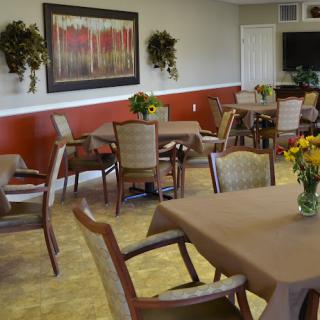
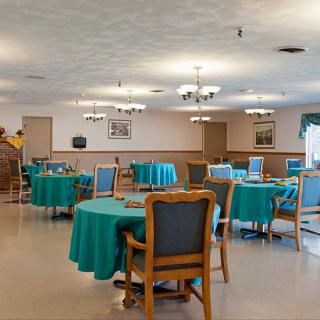
 Dining room
 Fully furnished
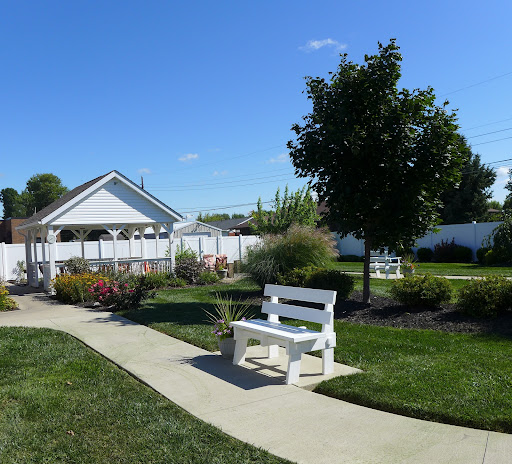
 Garden
 Housekeeping services
 Kitchenette
 Move-in coordination
 Outdoor space
 Telephone
 Wi-Fi/high-speed internet available
 24-hour call system
 Activities of daily living assistance
 Assistance with bathing
 Assistance with dressing
 Assistance with transfers
 Diabetes diet
 Meal preparation and service
 Medication management
 Mental wellness program
 Special dietary restrictions
 Transportation arrangement (medical)
 Transportation to doctors appointments



 Social Security Benefits and Assisted Living: Navigating Options Across the U.S.
 An Extensive Exploration of the VA Aid and Attendance Benefit
 Senior Transition Services: Understanding Their Role, Cost, and Importance