44 Chateau Blvd, Batesville, IN 47006
To contact a resident: (812) 932-8888
For more information about senior living options: (866) 208-4318
Chateau of Batesville Costs & Pricing
Chateau of Batesville offers competitive pricing in the context of both Ripley County and the broader state of Indiana. For studio apartments, residents will find the monthly cost at $3,960, which is slightly above the county average of $3,930 but significantly higher than the state average of $3,258. The one-bedroom units are priced at $4,400, matching the local county rate while also exceeding the state average of $3,300. Similarly, two-bedroom accommodations are available for $4,500 - again aligning with Ripley County pricing but notably surpassing Indiana's state average of $3,208. Overall, while Chateau of Batesville's costs tend to reflect local market rates in Ripley County, they do present a premium over statewide averages across all room types.
| Floor plans | Chateau of Batesville | Ripley County | Indiana |
|---|---|---|---|
| Studio | $3,960 | $3,930 | $3,258 |
| 1 Bedroom | $4,400 | $4,400 | $3,300 |
| 2 Bedrooms | $4,500 | $4,500 | $3,208 |
Assisted Living communities with a similar price nearby
-
from -$690 / mo
St. Andrews Health Campus
$3,270 to $3,900 / month0.1 miles away
Overall Review of Chateau of Batesville
Pros
 The staff are caring and friendly and communicate well with families; the facility is clean, comfortable, and well-maintained.
- The Chateau has caring and professional staff who support residents, including those with higher levels of need.
- Meals are prepared and served well.
- The Chateau offers a good, varied activity schedule.
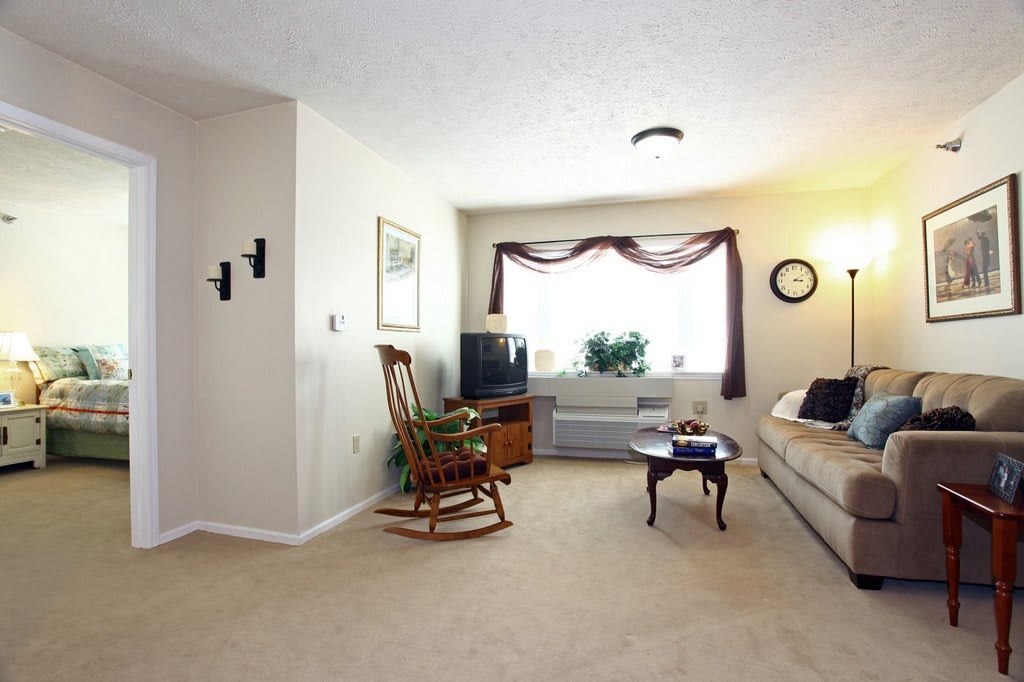
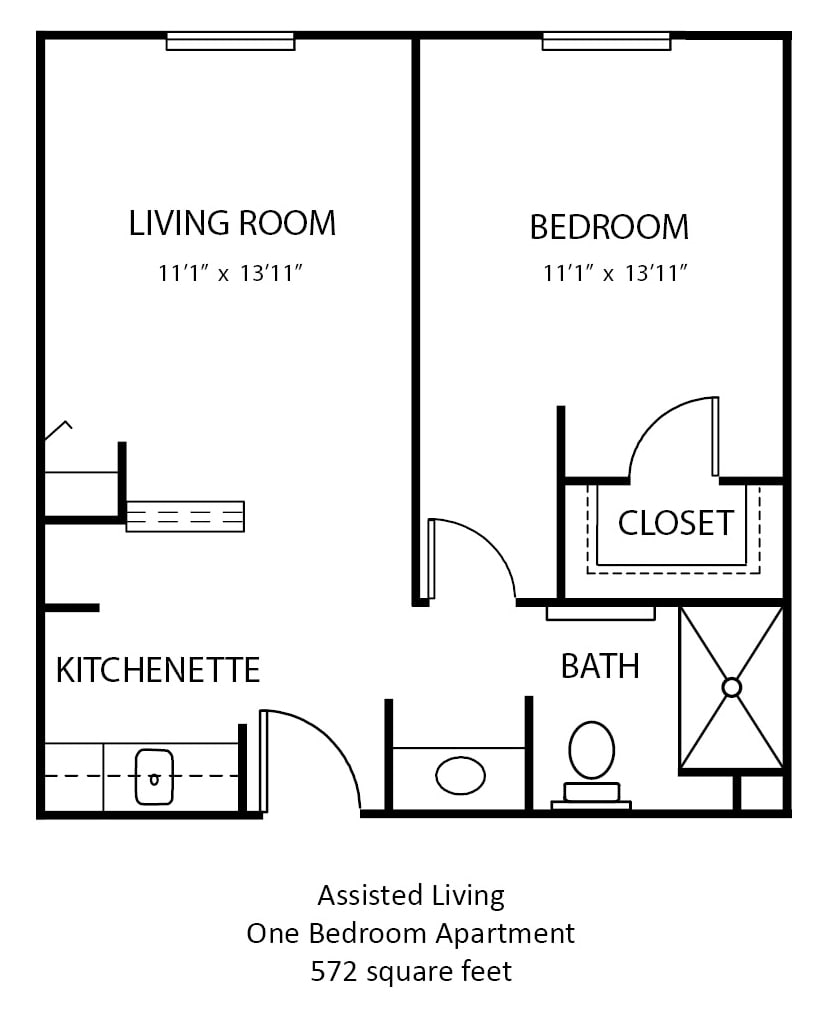
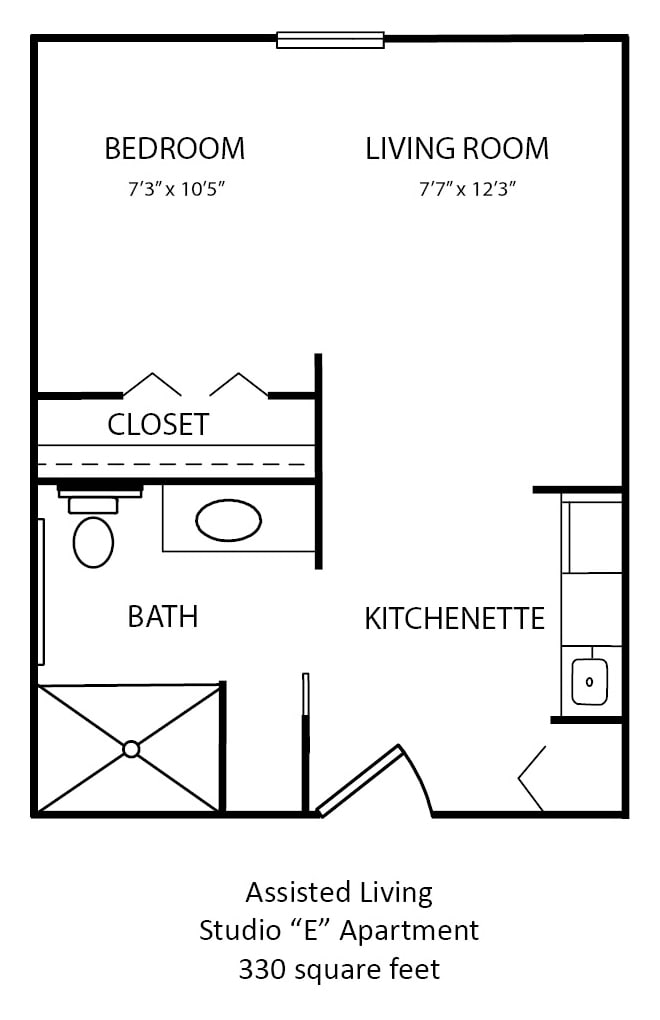
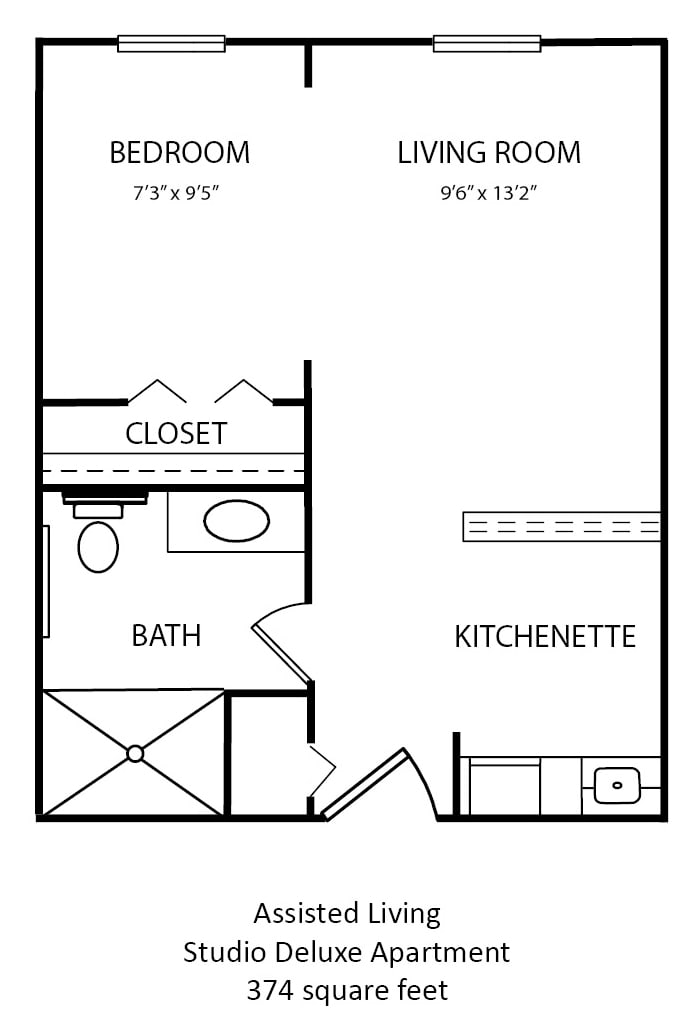
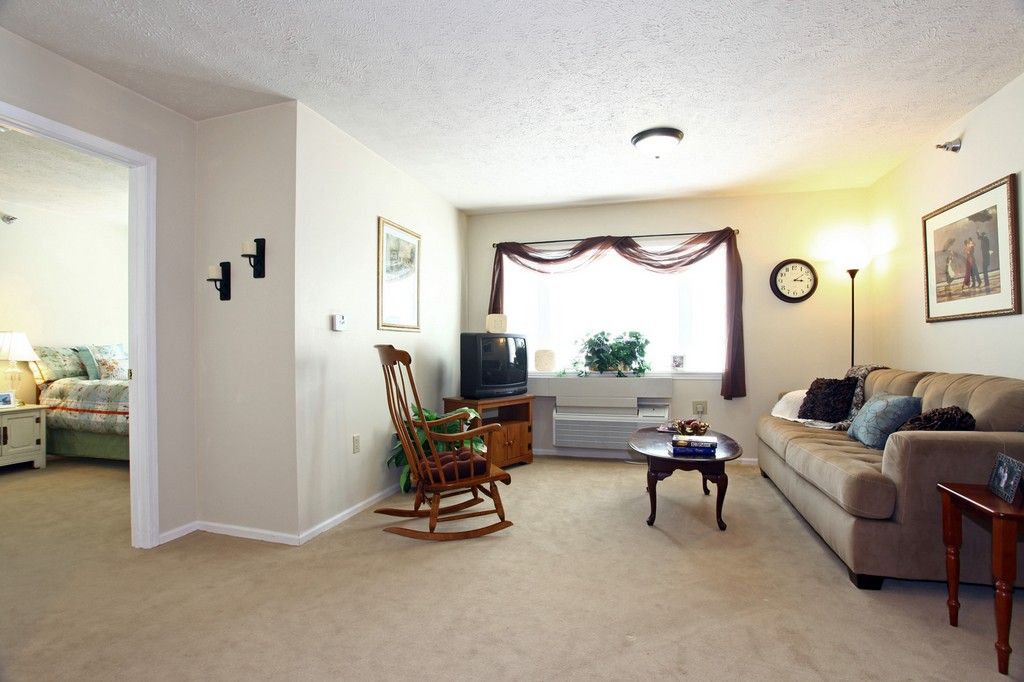
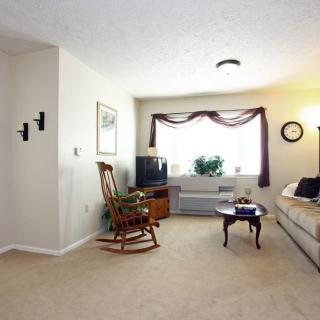
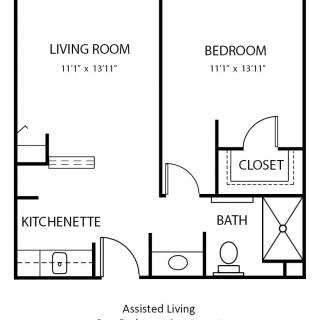
- The rooms are nice and roomy, with a kitchenette and a bath.
- The administrator is knowledgeable and caring.
- The environment feels like home and makes visiting families feel welcome.
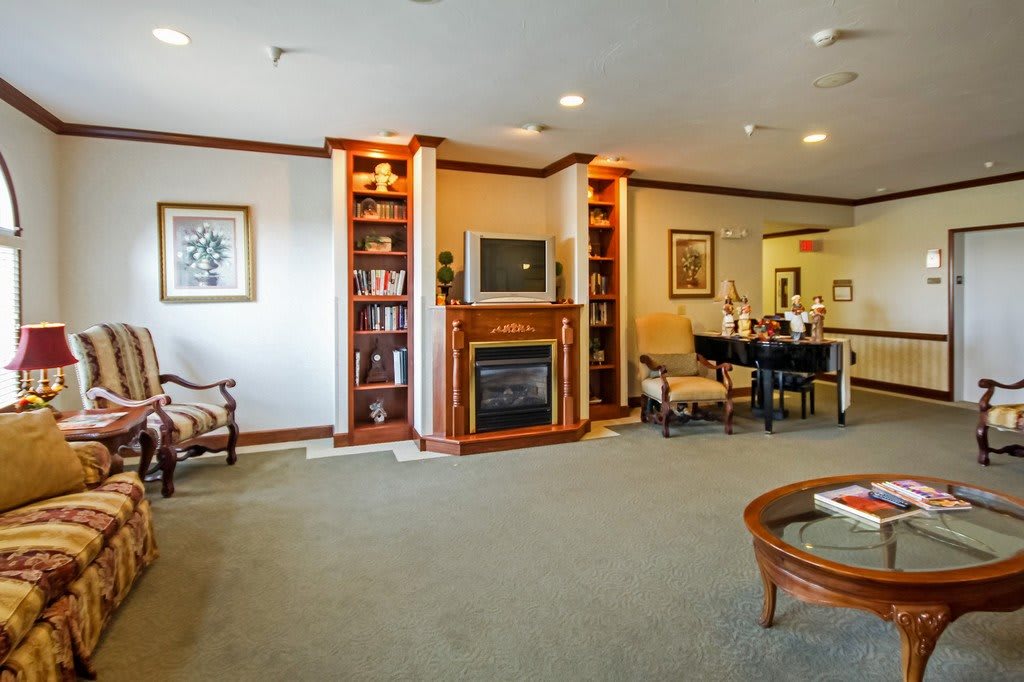
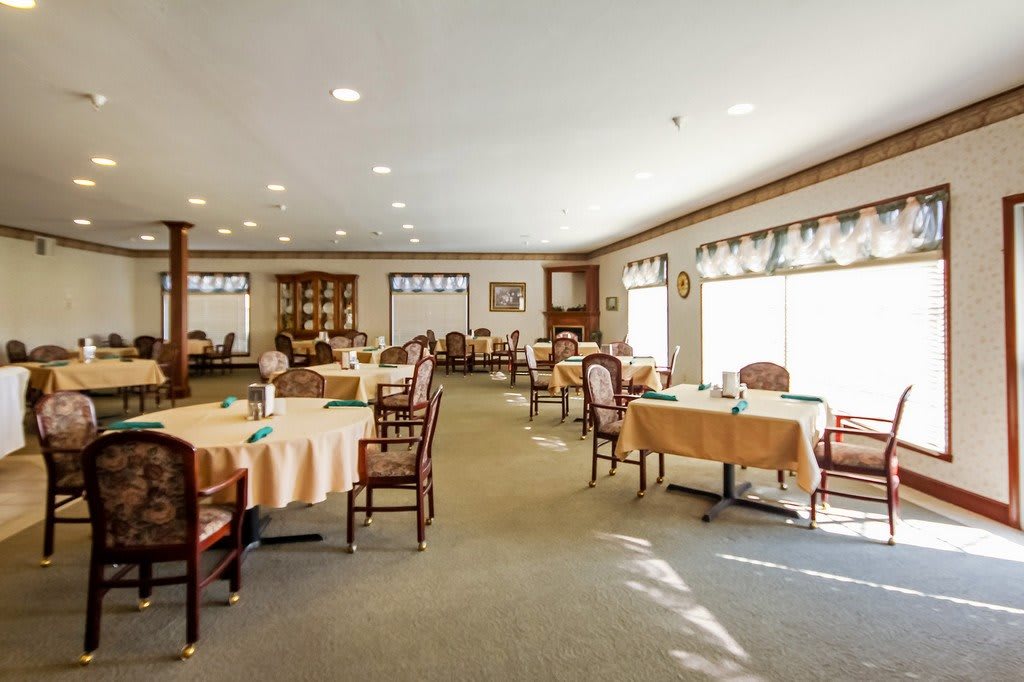
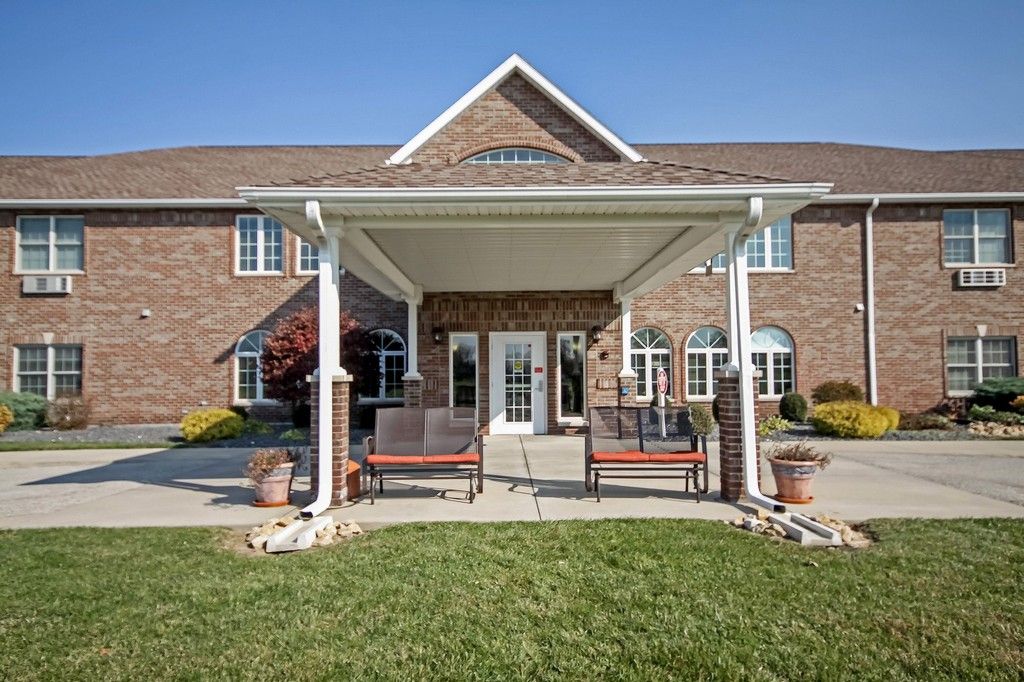
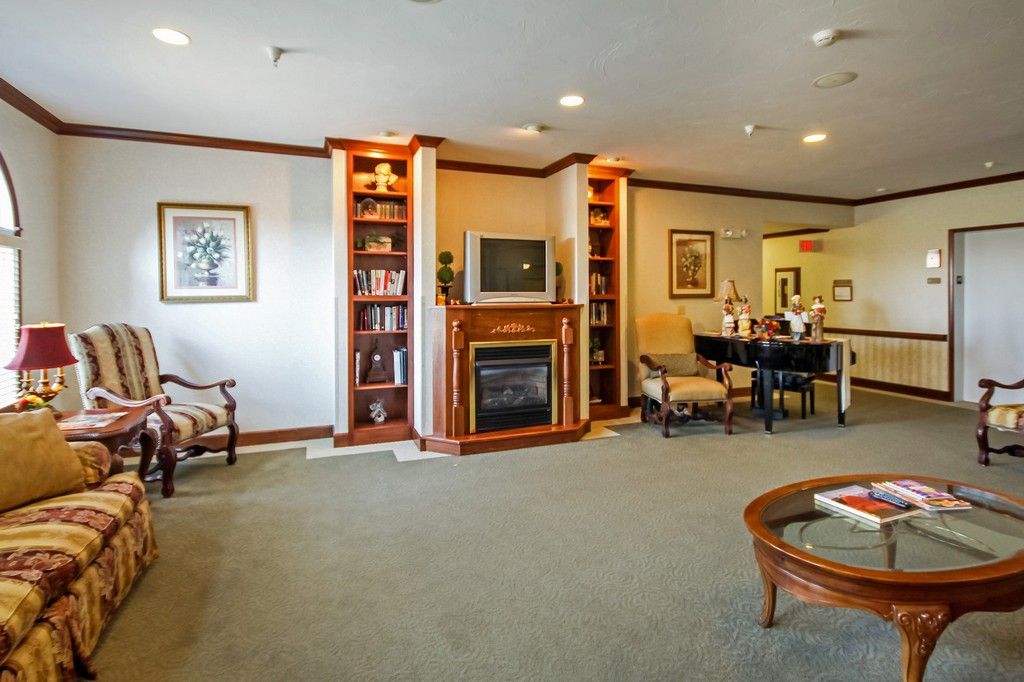
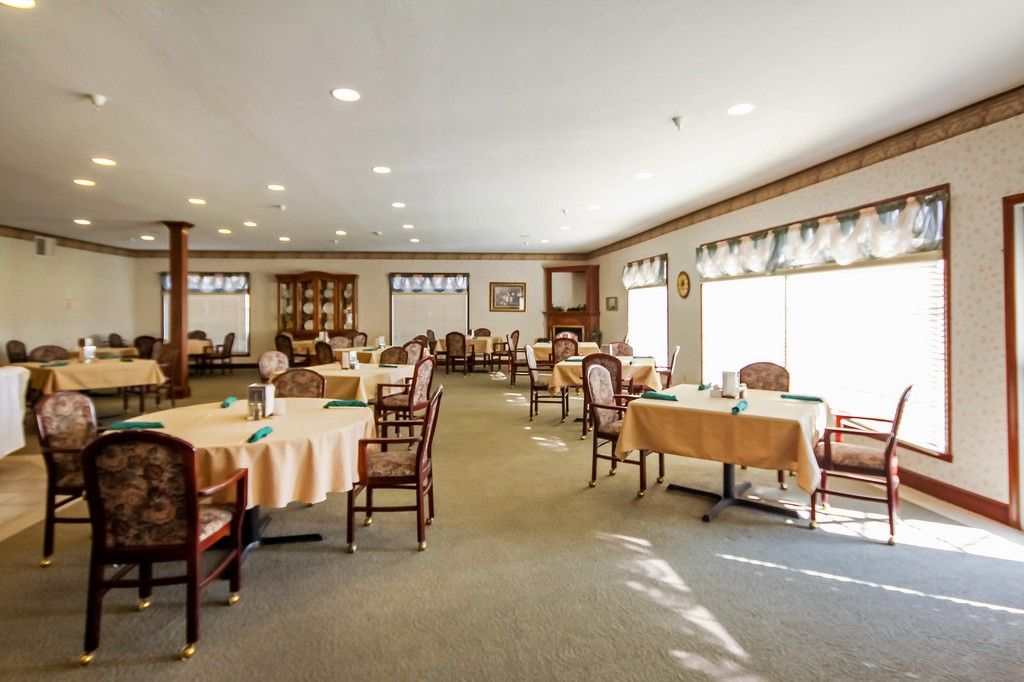
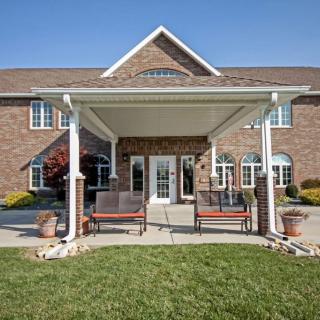
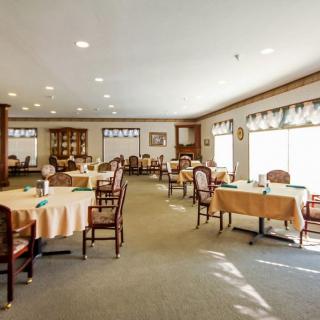
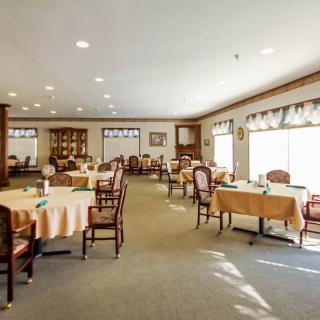
- The facility is beautiful and nicely decorated and has a pleasant dining area.
- The community is friendly, with residents who make new friends and staff who are helpful during transitions.
- The property is undergoing updates and improvements, which are expected to enhance the experience.
Cons
 A contracted therapist showed a lack of compassion, which frustrated and disheartened the mom.
- Some staff treated the family as an imposition, and at times were aggressive toward mom, making visits feel unwelcome.
- A nurse warned that mom would not receive medications if she didn’t return from a family outing by 8, signaling a lack of warmth and care.
- For residents with higher care needs, the facility is a less-than-ideal fit.
- The tour left the impression that the community had more of a nursing home feel.
- Dining area restrictions and arranged seating discouraged residents from choosing where to sit, despite the “your home” emphasis.
- Not all staff were kind; some communicated negatively about mom.
- The reviewer cautioned that the facility may not be a good first choice for a loved one’s care.
Review
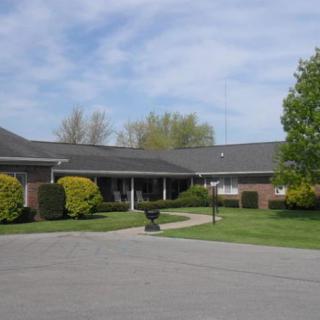
Chateau of Batesville is best suited for seniors who want a warm, home-like assisted living experience with consistently caring staff, strong family communication, and an active social calendar. It works well for residents who are largely self-sufficient but still appreciate regular assistance, medication oversight, and therapy follow-up after hospital stays. Families seeking a community where the administrator and frontline team cultivate a sense of belonging, and where the environment feels clean, comfortable, and well-maintained, will find this option compelling. The vibe skews toward hospitality and companionship, with a focus on making daily life feel like part of a shared home rather than a clinical setting.
Still, a careful eye should be kept on those whose needs may exceed the community’s capabilities. Several accounts flag a mismatch when care requirements rise toward higher levels; Chateau can feel less than ideal for residents needing substantial ongoing medical support. A handful of reviews describe distant or strained interactions with some staff, and instances where contracted therapists appeared less compassionate. Dining and visiting dynamics can feel constrained at times, and the overall atmosphere in some memories leans toward a traditional nursing-home feel rather than a fully homey ambiance. For families navigating advanced care transitions, alternatives may offer more consistent medical support and a looser sense of formality.
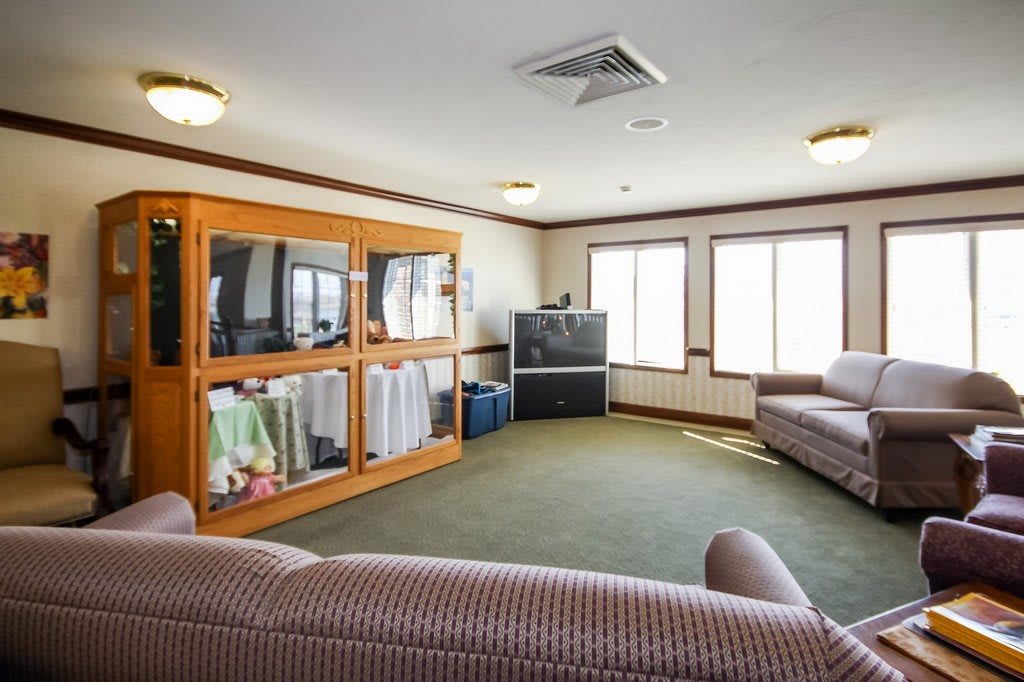
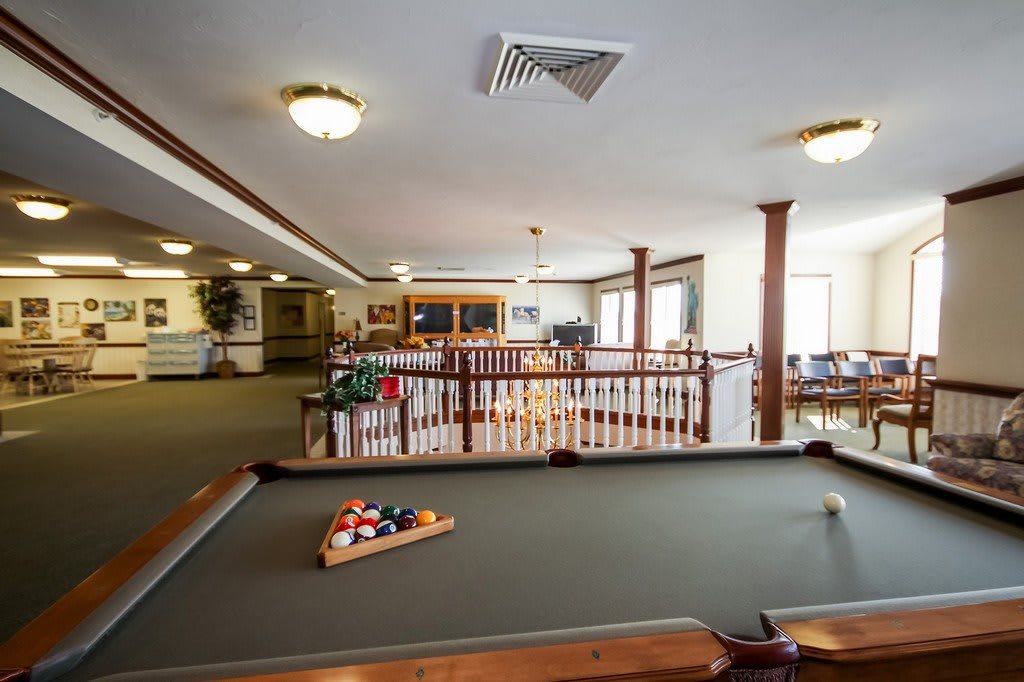
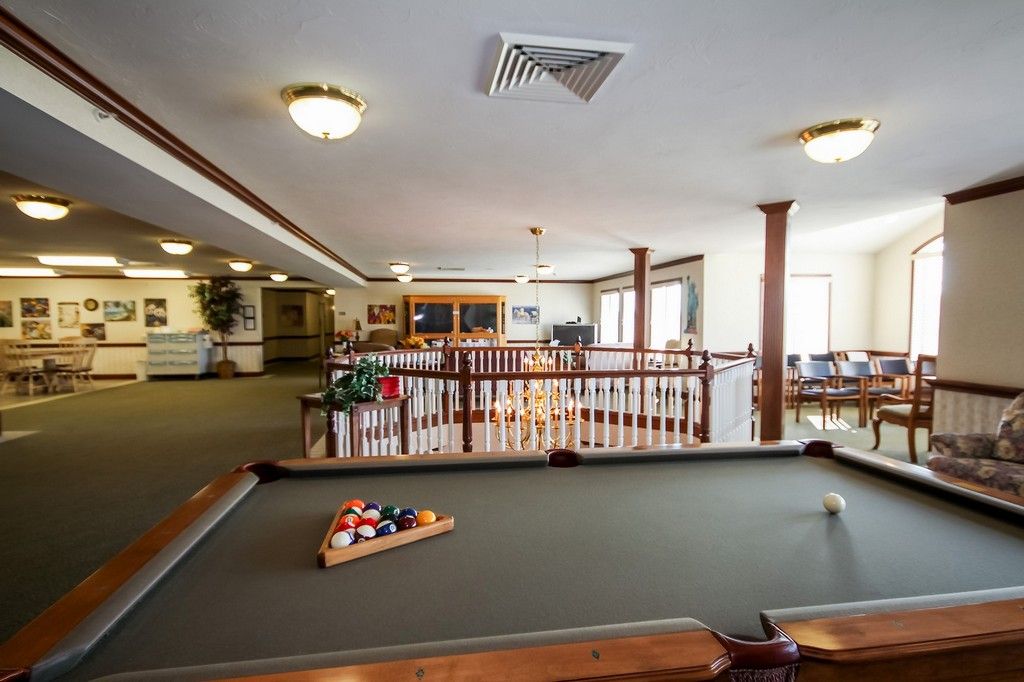
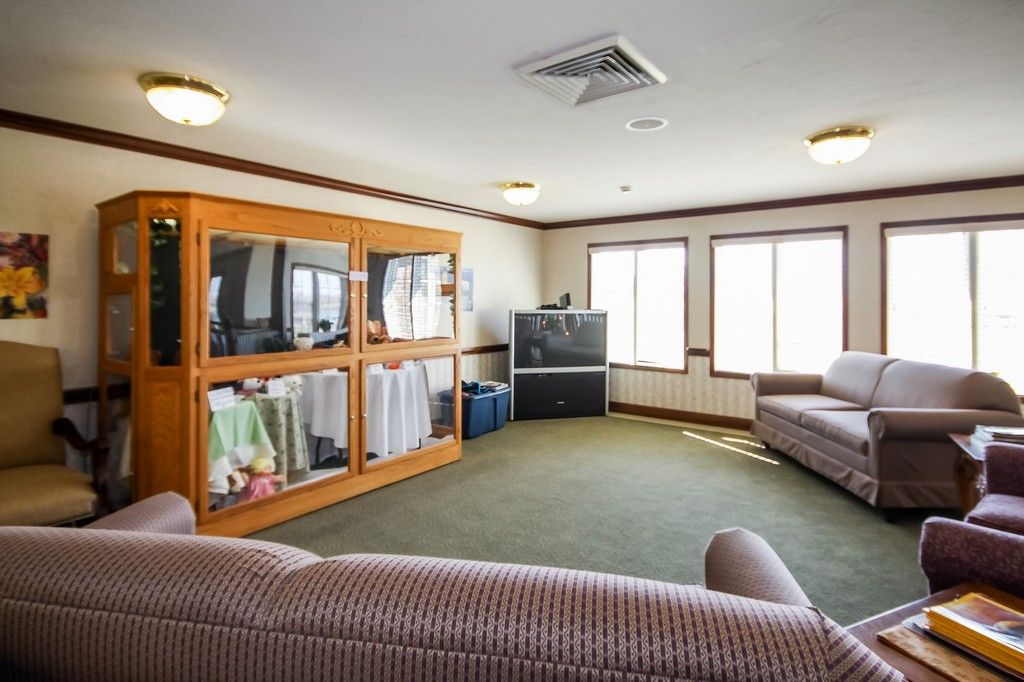
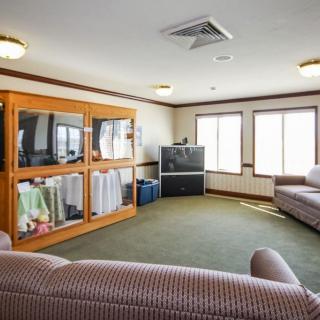
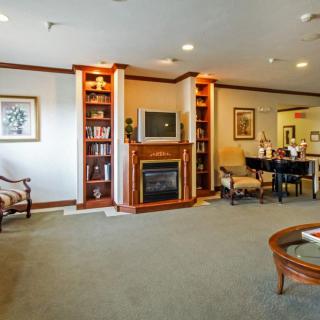
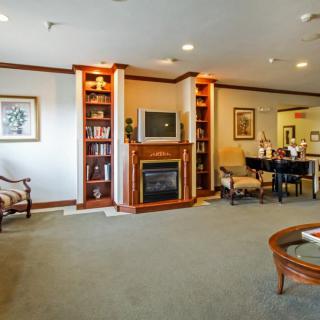
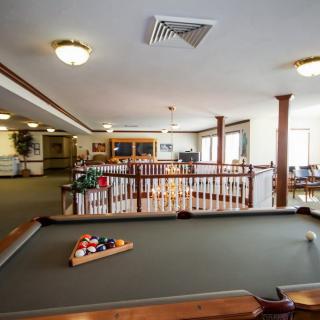
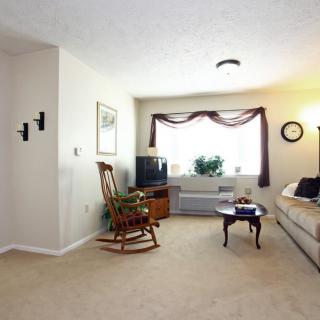
On balance, the strongest positives center on people and programs. Staff are repeatedly praised for being caring, approachable, and communicative with families, which reduces the strain of caregiving and helps everyone stay aligned. The facility’s cleanliness and upkeep are consistently noted, as is the quality of meals, with residents praising preparation and service. A varied activity schedule keeps residents engaged, from bingo and card tables to pool activities, while well-designed common spaces, including a kitchen area for supervised use, a small outdoor garden, and a peaceful pond view, bolster a sense of everyday livability. The rooms, often one-bedroom layouts with a kitchenette and bath, feel roomy enough for personal belongings and small dignities of home life, and even the outdoor space offers the chance to garden or simply enjoy fresh air.
Another major strength is leadership that acts as a bridge for families facing transitions. The administrator is described as knowledgeable, caring, and hands-on, with a talent for coordinating moves between independent living and assisted living when needed. This practical support matters: families report getting helpful guidance through complex transitions and appreciating the ability to count on someone who knows local resources and can smooth the path toward appropriate care. That accessibility, coupled with a sense of “home” fostered by staff and residents, helps counterbalance some of the uneven experiences that appear in a few care episodes or visits.
The main cons do not vanish, but they are offset by the community’s core strengths when the decision aligns with the right resident profile. For families prioritizing staff continuity, transparent communication, and an active, social environment, Chateau presents a solid, reliable option. The occasional impression of a more institutional tone or stricter dining dynamics can be navigated by choosing rooms with a bit more personal autonomy and by engaging directly with front-line staff during tours and trial visits. The value proposition, reasonable cost for a clean, well-run campus with meaningful programming, adds practical appeal for many budget-conscious families.
In the end, Chateau of Batesville stands as a practical, seasoned choice for a loved one who desires a friendly, family-oriented setting with consistent staff engagement and a robust activity calendar, and who does not require highly intensive medical supervision. For residents with complex medical needs or for families seeking a setting with minimal structure or a perpetual “home-seating” freedom, exploring alternatives would be prudent. Prospective movers should focus on the fit between expected care levels, the quality of staff communication, and the resident’s tolerance for occasional institutional touches. A thorough tour, conversations with multiple residents, and direct discussion with the administrator will reveal whether this community can deliver the daily life, and peace of mind, that families are seeking.
 67 resident community capacity
 1-bedroom apartments
 Assisted Living
 Activities off-site
 Air-conditioning
 Beautician on-site
 Cable or satellite TV
 Computer center
 Devotional services off-site
 Dining room
 Fitness room
 Fully furnished
 Gaming room
 Garden
 Ground floor units
 Guest parking
 Housekeeping services
 Indoor common areas
 Kitchenette
 Move-in coordination
 Outdoor common areas
 Overnight guests
 Private bathrooms
 Respite or short term stays offered
 Restaurant-style dining
 Small library
 Telephone
 Wellness center
 Wheelchair accessible showers
 Wi-Fi/high-speed internet available
 Community operated transportation
 12-16 hour nursing
 24-hour call system
 Ambulatory care
 Assistance with bathing
 Assistance with dressing
 Assistance with transfers
 Diabetes diet
 Diabetic care
 Hospice care
 Incontinence care
 Medication management
 Mental wellness program
 Physical therapy
 Special dietary restrictions
 Art classes
 Bible study group
 Concierge services
 Cooking classes
 Day trips and outings
 Games
Games Stories
 English






 A Detailed Exploration of Assisted Living Medicaid Waivers Across the United States
 Comprehensive Residential Support and Assisted Living Solutions for Individuals with Disabilities
 Comprehensive Supportive Living Arrangements for Adults with Disabilities