
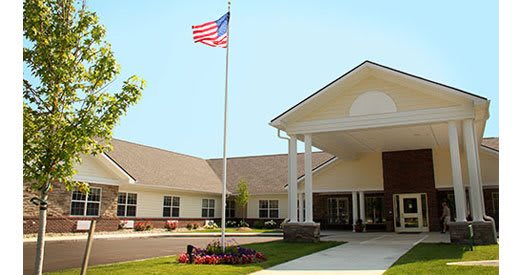

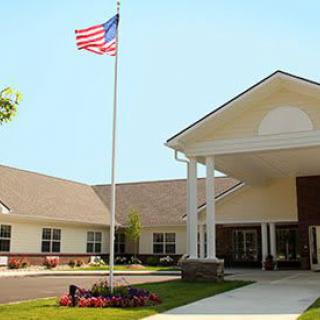




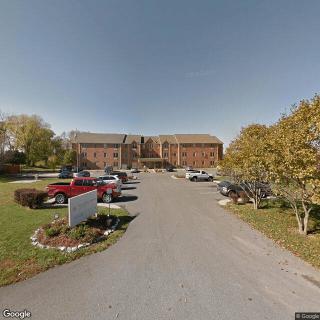
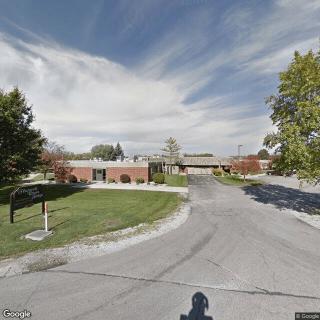
2320 North Montgomery Road, Greensburg, IN 47240
For more information about senior living options: (866) 208-4318
Aspen Place Health Campus Costs & Pricing
At Aspen Place Health Campus, the monthly costs for various room types reflect a competitive pricing structure within the context of Rush County and the broader state of Indiana. The semi-private room is offered at $2,850, which is notably higher than the county's average of $2,100 but significantly lower than the state's average of $3,739. For those seeking a studio apartment, Aspen's rate of $3,480 aligns closely with Rush County's average of $3,145 while being slightly above the state average of $3,258. Lastly, the one-bedroom option is priced at $3,840 - this exceeds both the county rate of $3,534 and is higher than Indiana's statewide figure of $3,300. Overall, Aspen Place Health Campus provides a range of options that cater to various needs and budgets while remaining mindful of local market conditions.
| Floor plans | Aspen Place Health Campus | Rush County | Indiana |
|---|---|---|---|
| Semi-Private | $2,850 | $2,100 | $3,739 |
| Studio | $3,480 | $3,145 | $3,258 |
| 1 Bedroom | $3,840 | $3,534 | $3,300 |
Skilled Nursing Facilities with a similar price nearby
-
from +$420 / mo
St. Andrews Health Campus
$3,270 to $3,900 / month15.1 miles away
Overall Review of Aspen Place Health Campus
Pros
 Aspen Place is by far the best senior living experience.
- The therapists were absolutely amazing.
- The nurses and aides were wonderful.
- The staff went out of their way to be there and support families.
- Aspen Place treats residents like family and communicates with kindness and respect.
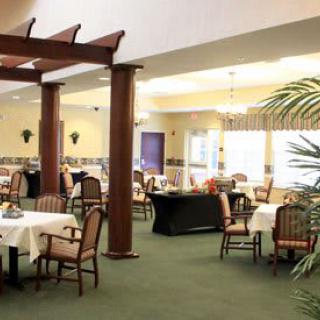
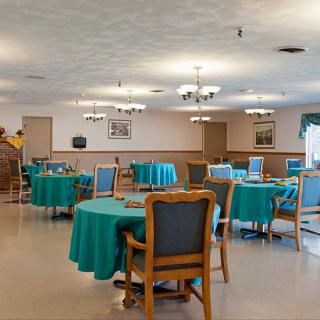
- The dining and overall care are outstanding, with restaurant-quality food.
- Aspen Place is the best in town.
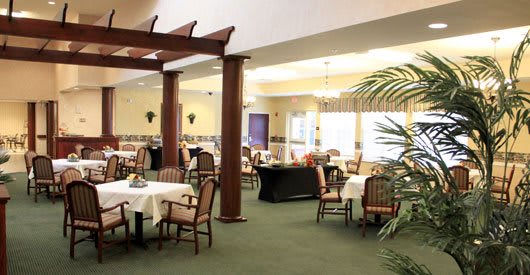
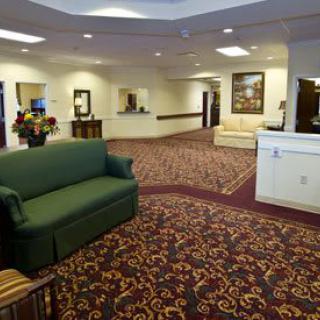
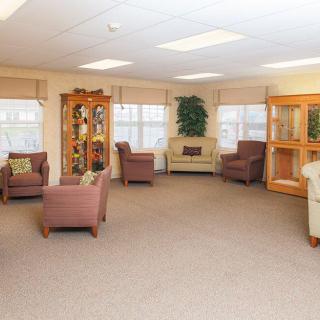
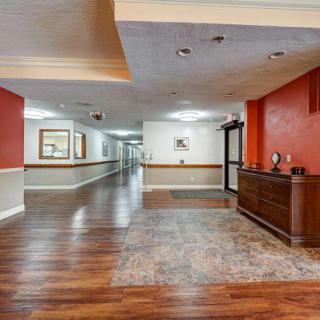
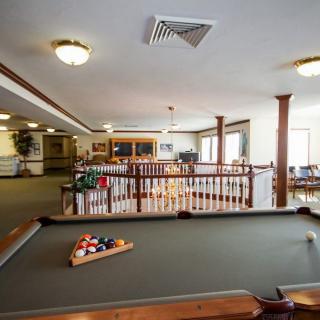
- The facility is bright, open, and welcoming, with knowledgeable, kind, and loving staff.
- The Aspen Place team is awesome and very supportive to families.
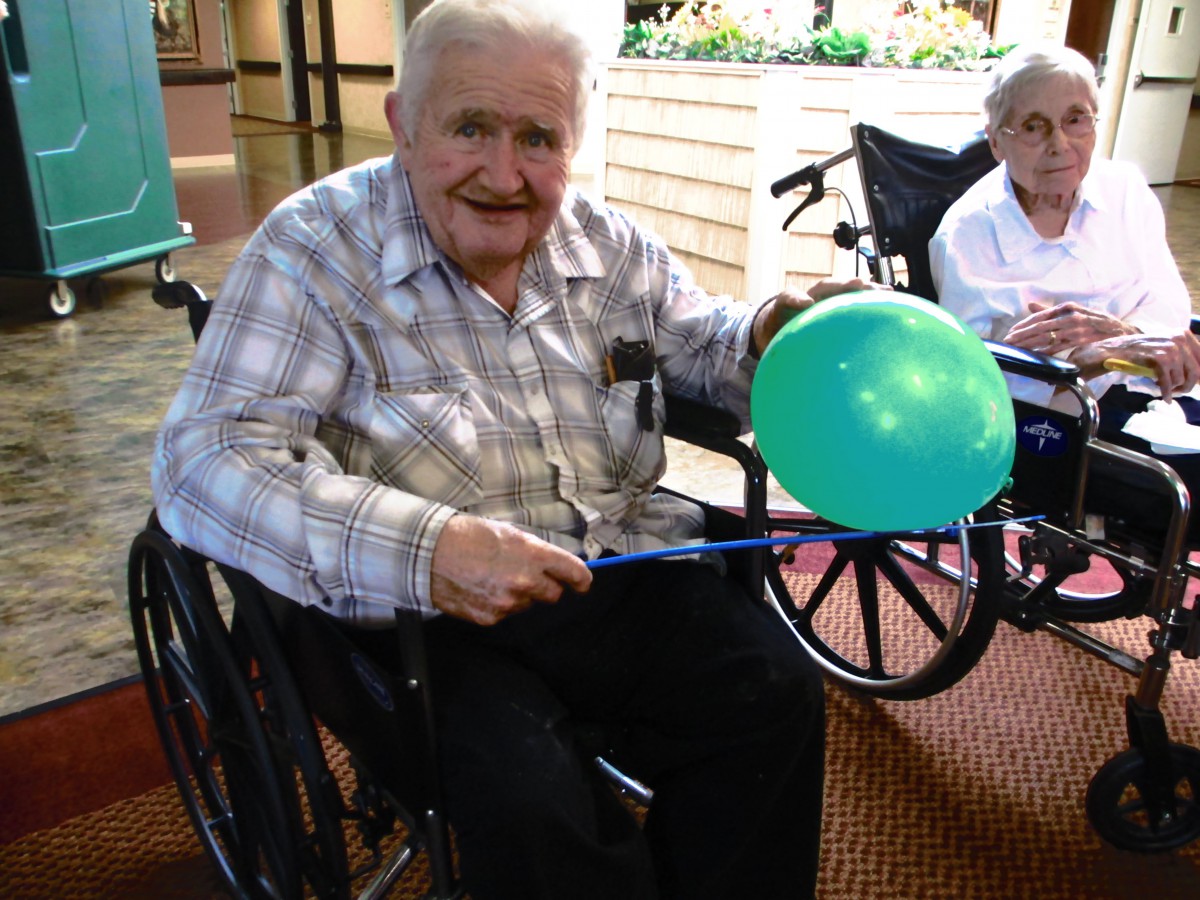
- Activities like Theme Weeks and outings are unmatched.
- The care makes families feel safe and deeply cared for.
Cons
 The facility did not call family or ER for over two hours after a fall.
- One reviewer calls the place a joke.
- The care quality is not as good as home due to insufficient help and frequent staff turnover, with poor communication about residents’ needs.
- The price is higher than expected.
- A reviewer warns not to take a family member there.
Review
Aspen Place Health Campus in Greensburg, Indiana, is best suited for families seeking a warm, hands-on, relationship-driven senior care experience, especially when the priority is high-quality short-term rehabilitation with a clear path back to home, or compassionate memory-care support where staff truly treat residents like family. The community’s strongest appeal lies in the theather of care: therapists who can coax meaningful progress, nurses and aides who engage with dignity, and a culture that emphasizes respect, communication, and a sense of belonging. Families repeatedly highlight the staff’s approach to care as a differentiator, patient, attentive, and willing to go the extra mile to coordinate with families, mix in meaningful activities, and provide ongoing support during transitions from therapy to daily life. The dining experience, clean facilities, and active life enrichment programs further reinforce a perception of a well-rounded, resident-centered environment. In short, Aspen Place is most compelling for those who value a genuine, family-like atmosphere paired with robust rehab and memory-care services.
That said, several reviewers expressly flag reasons to consider alternatives. The most consequential concern centers on staffing consistency and responsiveness: a few accounts describe days when not enough help was available, frequent turnover among nurses and aides, and delayed communications with families during emergencies. One notably blunt account questions the timeliness of urgent calls for a fall or head injury, underscoring a fear that persistent staffing pressures could compromise rapid, coordinated responses. Price sensitivity is another factor for some families; multiple comments acknowledge that Aspen Place sits at the higher end of the market, which naturally influences decisions for long-term budget planning. For families wrestling with the need for unwavering daily staffing reliability, or with tighter financial constraints, exploring other options with more predictable staffing models or lower cost structures may be prudent.
The core pros in this community often offset the main cons by delivering tangible, positive outcomes in the areas that matter most during rehab or memory-care stays. The therapy team frequently earns high marks for persistence, creativity, and the ability to motivate residents through daily sessions that feel purposeful rather than perfunctory. Families report that progress can be meaningful, with many residents moving toward discharge or improved function, and the staff’s willingness to involve loved ones in care decisions creating a transparent, collaborative atmosphere. The culture of compassion, evident in how caregivers listen to families, respect resident dignity, and extend support during bereavement, helps balance concerns about staffing gaps. For memory care and hospice-adjacent needs, Aspen Place’s emphasis on continuity of care, accessible social work support, and a respectful, calm environment makes a meaningful difference where it counts.
On the operational side, Aspen Place earns praise for a broad menu of positives that align with practical decision-making for families. The facility’s environment is repeatedly described as welcoming, clean, and aesthetically pleasing, with meaningful programming that includes theme weeks, outings, and life-enrichment experiences. Dining is a standout for many residents, with comments suggesting meals that feel restaurant-like and appetizing, which matters deeply for nutrition, mood, and overall satisfaction. Family members frequently thank the team for clear communication around admissions, daily routines, and changes in care plans, reinforcing the sense that families remain involved and informed. The combination of good staffing in therapy, friendly front-office staff, and an actively engaged care team creates a fabric of support that helps residents feel known and valued, a crucial factor in quality of life during recovery and long-term care.
For families evaluating whether Aspen Place fits, a practical due-diligence lens is essential. Prospective residents should verify staffing patterns for the specific unit of interest, how many aides and nurses are on duty per shift, whether there is stability in assignments, and what the escalation process looks like for urgent needs. It is equally important to confirm the depth of memory-care expertise, including daily routines tailored to cognitive impairments, and how therapists coordinate with nursing teams for seamless transitions. Ask for a cost breakdown that distinguishes rehab services from long-term care, and request a recent sample care plan to understand how goals are set and tracked. Finally, observe a tour with an eye toward how staff interact with residents and families, genuine engagement and attentiveness today often predict reliability tomorrow.
In the end, Aspen Place Health Campus stands out as a persuasive option for families prioritizing a heartfelt, person-centered approach to rehabilitation and memory care, supported by strong therapy, compassionate staff, and a lively, resident-focused environment. Its successes in helping residents regain function and feel at home in the care setting are real and repeatedly documented by families who lived through transitions with positive outcomes. Yet the caveats matter: staffing variability, occasional communication gaps, and higher price points can tip the scales for households where predictability, immediate responsiveness, or cost containment are non-negotiable. For those who can invest time to assess staffing models, tour the campus, and align expectations with the care plan, Aspen Place offers a compelling, proven pathway to gentle, dignified senior care. Families weighing options should treat this community as a strong contender, but not the sole arbiter, compare, visit, and listen to staff and current residents to determine whether the balance of care quality and cost aligns with their specific needs.
 103 resident community capacity
 Assisted Living
 Day Program
 Memory Care
 Skilled Nursing Facility
 Air-conditioning
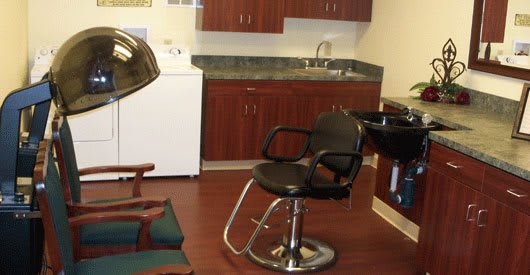
 Beautician on-site
 Cable or satellite TV
 Computer center
 Devotional services off-site
 Dining room
 Fitness room
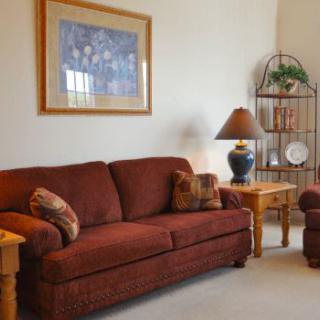
 Fully furnished
 Gaming room
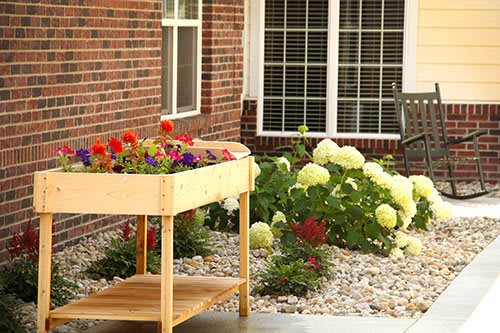
 Garden
 Ground floor units
 Handicap accessible
 Housekeeping services
 Indoor common areas
 Kitchenette
 Move-in coordination
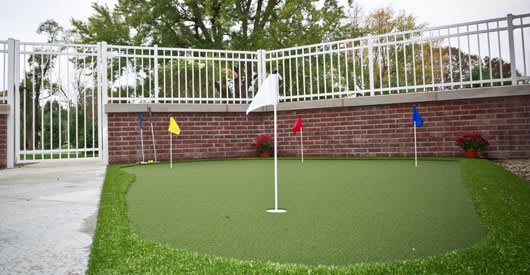
 Outdoor space
 Private bathrooms
 Respite or short term stays offered
 Restaurant-style dining
 Small library
 Telephone
 Wellness center
 Wheelchair accessible showers
 Wi-Fi/high-speed internet available
 Community operated transportation
 12-16 hour nursing
 24-hour call system
 Ambulatory care
 Assistance with bathing
 Assistance with dressing
 Assistance with transfers
 Diabetes diet
 Diabetic care
 Incontinence care
 Medication management
 Mental wellness program
 Special dietary restrictions
 Transportation arrangement (medical)
 Art classes
 Concierge services
 Cooking classes
 Day trips and outings
 Educational speakers / life long learning
 Happy hour
 Karaoke
 Live dance or theater performances
 Live musical performances
 Wine tasting

 Five Subtle Dementia Indicators to Observe: An In-Depth Guide to Understanding “Does My Mom Have Dementia?”
 Dementia, Paranoia, and Caregiver Guidance: Understanding the Connection
 Engaging Memory Care Activities That Enhance Quality of Life