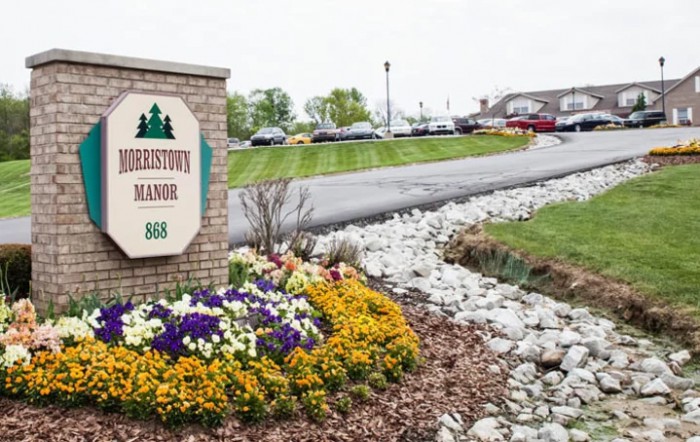
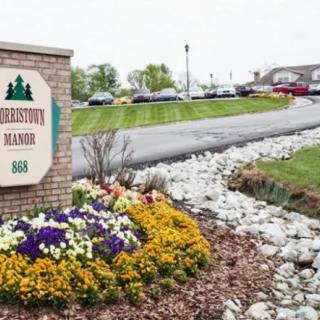
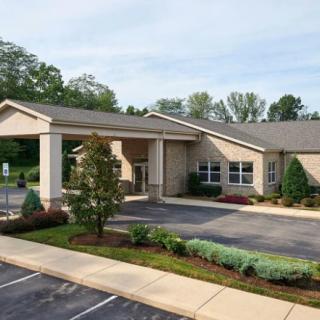


868 South Washington Street, Morristown, IN 46161
For more information about senior living options: (866) 208-4318
Overall Review of Morristown Manor
Pros
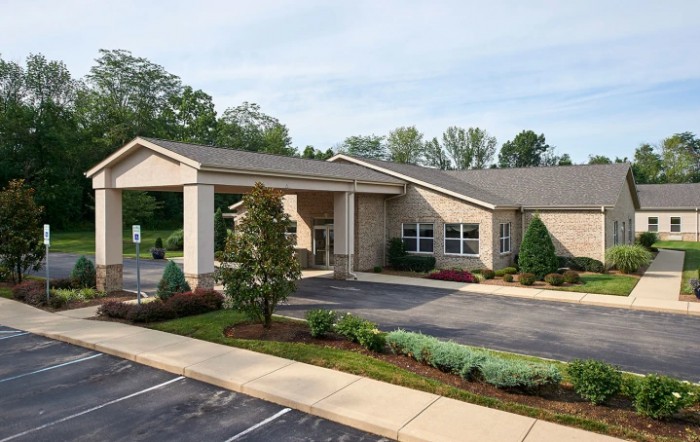
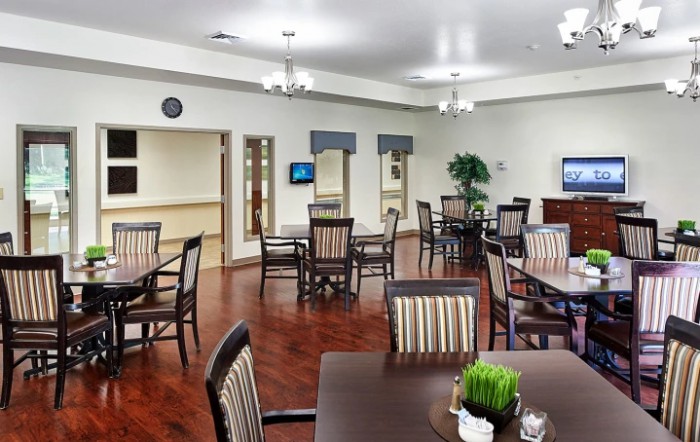
 The community is very nice-looking.
- The nurses are very kind.
- The food is pretty good.
- The rooms are nice, clean, and well-kept.
- The facility is clean, neat, and well-maintained.
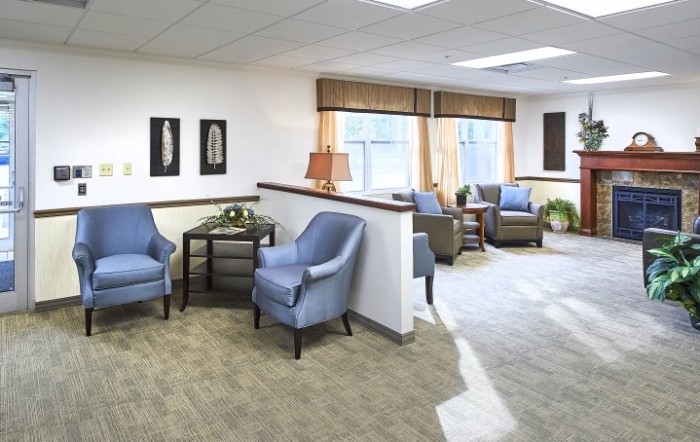
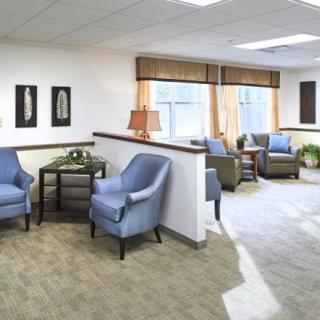
- It feels very homey when you walk in.
- The staff are extremely helpful and welcoming.
- They have made it as friendly and easy as possible for families.
Cons
 They didn't know how to deal with his problem.
- The administrator didn't seem to know what she was doing and couldn't seem to handle her job.
- Very nice staff, but not ENOUGH staffing to be sure each patient gets the individual care they need.
- If patient can feed themselves they will do pretty good but if they have to be fed, the staff will rush them or not finish feeding because they still have all their other work to complete.
- Mother lost ALOT of weight because of this after maintaining same weight for many years.
Review
Morristown Manor in Morristown, Indiana is best suited for families seeking a warm, home-like environment for a loved one with dementia or Alzheimer’s who benefits from steady staff presence, reliable communication, and meaningful daily activities. The community presents a neat, well-kept setting with nurses who come across as genuinely caring. It functions as a cohesive care ecosystem where rehab-oriented pathways and receptive family updates are part of the routine, making transitions between hospital and home easier to manage when memory care is the next step.
Those who may want to consider alternatives are not necessarily choosing the wrong place, but they should be clear about a higher bar for certain needs. If a loved one requires frequent, hands-on feeding assistance, constant one-to-one monitoring, or highly structured administrative leadership, Morristown Manor may fall short of expectations due to staffing ratios and what some families perceived as variable administrative direction. Families anticipating flawless, centralized oversight from leadership or a facility that feels newer and more purpose-built for dementia care may want to compare options that emphasize stronger bedside coverage and a more defined governance structure.
On the positive side, the strongest attributes lie in the human environment. Staff at Morristown Manor are described as caring, with low turnover that translates into consistent relationships and less emotional strain for families. The facility’s atmosphere feels homey rather than institutional, and it shows in small, significant ways, friendly conversations, activity planning, and an emphasis on keeping residents connected to familiar routines. The dementia unit receives praise for engagement, including planned activities and staff efforts to tailor experiences (even when a resident’s cognitive abilities change). Family members repeatedly highlight strong communication, with staff calling to report progress or concerns and coordinating with doctors who visit the facility, creating a sense of partnership rather than surveillance.
Yet the reviews also foreground a core concern that cannot be overlooked. Insufficient staffing to provide individualized care emerges as the most persistent warning flag. When residents cannot feed themselves, meals can become rushed or incomplete, and the consequence can be avoidable weight loss or dehydration. One family vividly recalls a decline tied to dehydration and a urinary tract infection that progressed to sepsis, underscoring how critical adequate supervision and dedicated feeding assistance are for certain residents. Administration is also flagged in at least one account as not demonstrating the decisive leadership needed to fully reassure families and coordinate complex care plans. These gaps aren’t universal, but they are real enough to influence risk assessment for loved ones with advanced needs.
The key question when weighing Morristown Manor is whether its strengths can offset its staffing and leadership gaps. For a resident with dementia who thrives in a stable, affectionate environment and benefits from transparent family involvement, the pros, warm, dependable staff; clean, homey surroundings; active engagement; and easy access to medical oversight from affiliated physicians, often prevail. The facility’s ability to maintain a calm, hopeful tone for families navigating difficult transitions matters deeply, and in those respects Morristown Manor delivers. However, when precision in daily feeding, hydration monitoring, and individualized attention rise to top priority, the current gaps can’t be ignored and may justify exploring alternatives with stronger clinical staffing models or clearer administrative accountability.
Bottom line: Morristown Manor represents a solid, practical option for dementia care and short- or medium-term rehab with a humane culture and strong family communication. It works best for residents who can tolerate some variability in one-to-one attention but benefit from a warm, consistent staff presence and a communicative, engaged care team. Families prioritizing flawless daily feeding oversight, high staff-to-resident ratios, and robust administrative systems, especially for advanced or non-communicative seniors, should compare Morristown Manor against facilities with proven higher staffing levels and more centralized governance to ensure that care needs are met without compromise.
 119 resident community capacity
 Assisted Living
 Skilled Nursing Facility
 Air-conditioning
 Beauty salon
 Cable or satellite TV
 Computer center
 Dining room
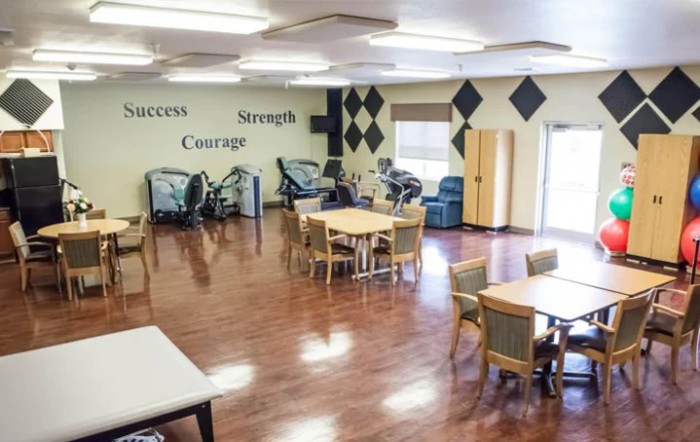
 Fitness room
 Fully furnished
 Gaming room
 Garden
 Housekeeping services
 Kitchenette
 Move-in coordination
 Outdoor space
 Private bathrooms
 Restaurant-style dining
 Small library
 Telephone
 Wellness center
 Wi-Fi/high-speed internet available
 Community operated transportation
 24-hour call system
 Activities of daily living assistance
 Assistance with bathing
 Assistance with dressing
 Assistance with transfers
 Diabetes diet
 Medication management
 Special dietary restrictions
 Concierge services
 Planned day trips


 Vibrant Senior Living: A Comprehensive Guide for Active Older Adults
 When to Transition from Assisted Living to Memory Care: Key Indicators, Steps, and Finding the Right Community
 Assisted Living and Memory Care: Understanding Their Core Differences