Overall Review of The Villages At Historic Silvercrest
common23 reviews mention this
Staff care shows up repeatedly
Residents and families frequently describe staff as caring and attentive.
Across many reviews, residents and families highlight staff who get to know people, respond to needs, and show compassion. Several commenters single out specific team members and describe reassurance during hard moments, along with supportive communication with families. Even when reviews are critical, they specifically frame the problem around missed responsibilities and follow-through rather than a lack of concern from everyone, which makes the overall pattern about care quality and responsiveness.
differentiator12 reviews mention this
Dining feels like a restaurant
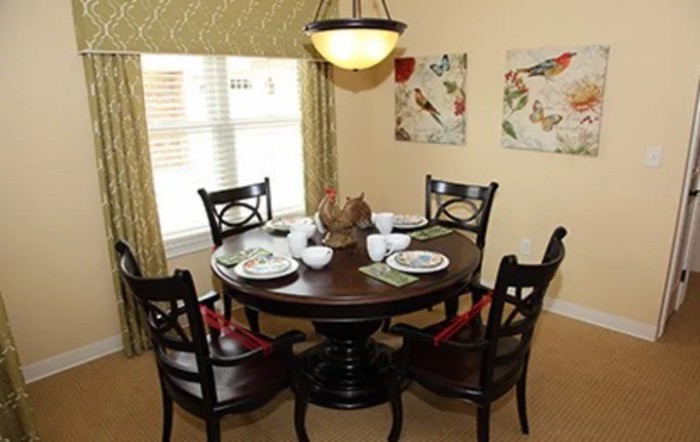
Dining is described as more restaurant-like than cafeteria-style.
Many reviews praise meals and dining presentation, including frequent references to a dining room and attentive serving. A number of commenters describe breakfast and regular meals they look forward to, and others compare the setting to a restaurant experience. The community also indicates it can accommodate diabetes and special dietary restrictions, which aligns with residents mentioning dietary-focused meals.
common9 reviews mention this
Activities and outings keep schedules full
Residents commonly mention community activities and outings.
Reviews repeatedly point to scheduled activities, clubhouse time, and group events like happy hours and games. Several families also describe bus outings and the ability to stay engaged when recovering or transitioning between levels of care. Even some more neutral visits still note organized entertainment and ongoing activity offerings on site.
common10 reviews mention this
Facility cleanliness and comfort stand out
Many reviews emphasize a clean, pleasant environment.
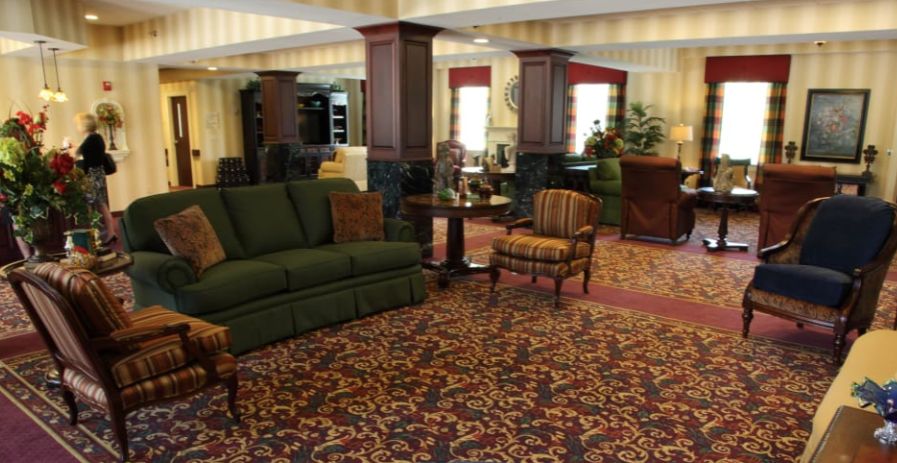
A frequent positive theme is cleanliness and comfort, with multiple reviewers saying the building looks well kept and avoids unpleasant nursing-home odors. Some also describe the campus setting and outdoor space as part of what feels safe and welcoming. There are also complaints about odors and care-related hygiene gaps in a few reviews, but the overall majority of mentions lean toward a cleaner, more comfortable atmosphere.
caveat6 reviews mention this
Care follow-through is inconsistent at times
A smaller set of reviews describe serious lapses in care.
Some reviews criticize medication administration problems, including missed or incorrect meds and reminders not being carried out consistently. Others mention delayed or unanswered call requests, including situations where call lights were not visible or staff did not respond in a timely way. There are also complaints about hygiene and therapy expectations not being met as promised, which undermines confidence for those specific families.
How we summarize
Counts show how many written reviews mention each theme; a review can touch several themes, and only frequently mentioned themes are displayed.
Features
Housing
21 resident community capacity
1-bedroom apartments
2-bedroom apartments
Studio apartments
Types of Care
Assisted Living
Independent Living
Skilled Nursing Facility
Amenities
Beautician on-site
Beauty salon
Cable or satellite TV
Dining room
Full kitchen
Fully furnished
Garden
Guasts at mealtime
Housekeeping services
Kitchenette
Laundry
Move-in coordination
Outdoor space
Overnight guests
Party space
Resident parking
Respite or short term stays offered
Swimming pool
Telephone
Tennis courts
Wi-Fi/high-speed internet available
Transportation
Louisville International-Standiford (10 miles away)
Transportation & parking
Care Services
24-hour call system
24-hour supervision
Activities of daily living assistance
Assistance with bathing
Assistance with dressing
Assistance with transfers
Coordination with health care providers
Diabetes diet
Meal preparation and service
Medication management
Mental wellness program
Physical therapy
Special dietary restrictions
Transportation arrangement (medical)
Transportation to doctors appointments
Dining
Diabetes diet
Special dietary restrictions
Activities
Activities off-site
Community-sponsored activities
Religious services
Resident-run activities
Scheduled daily activities
Languages Spoken
English
Nearby Places of Interest
Physicians
Armstrong, James Baptist Health Medical Group Surgery (0.7 miles)
First Urology (0.7 miles)
Lucas Parks Rea and Vandaalen (0.7 miles)
Orthopedic Surgeons (0.8 miles)
Visionworks Doctors Of Optometry - Wesley Commons (0.9 miles)
Roseline Okeke, MD (1 miles)
Floyd Memorial Medical Group-New Albany (1.1 miles)
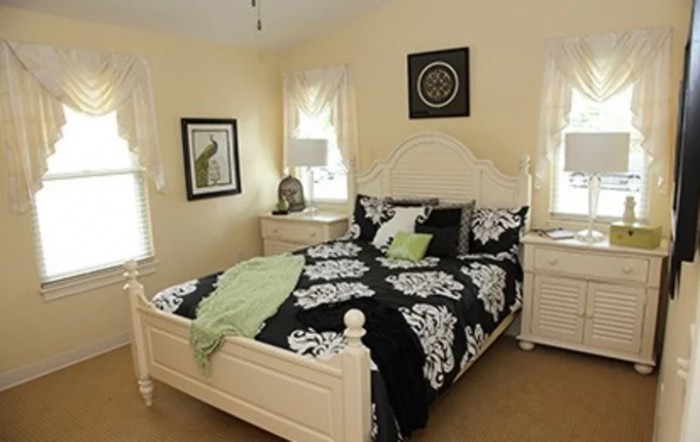
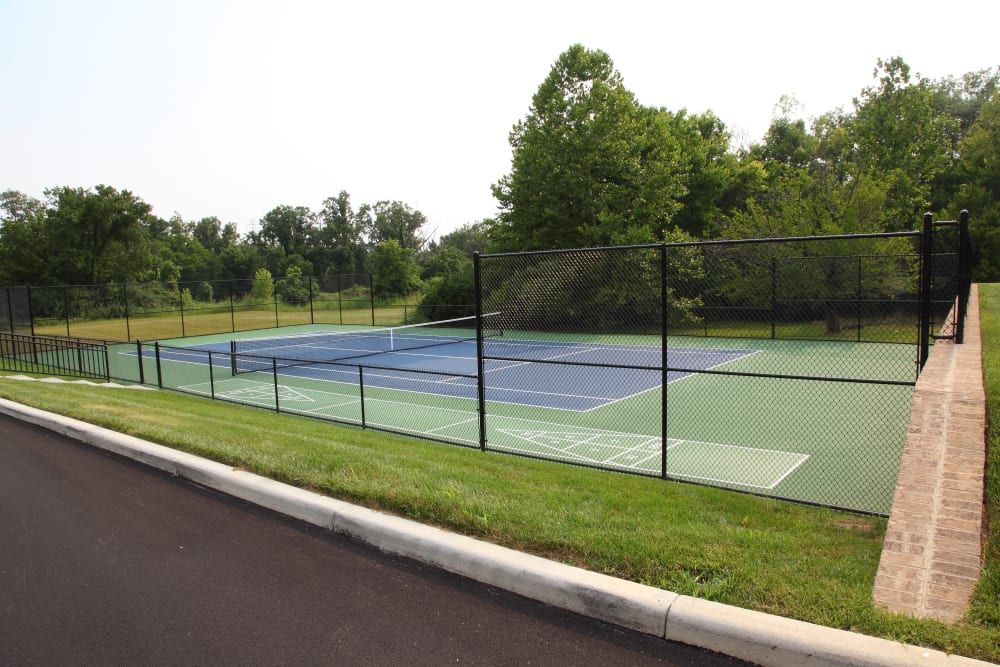
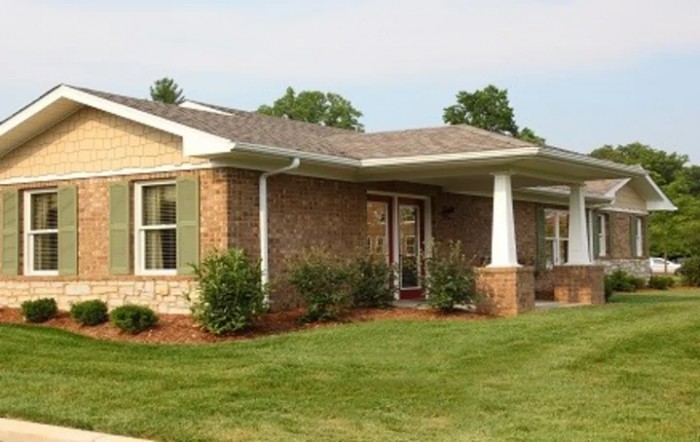
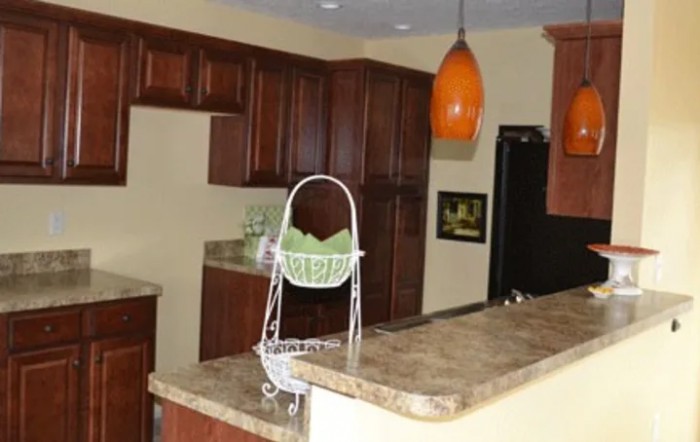
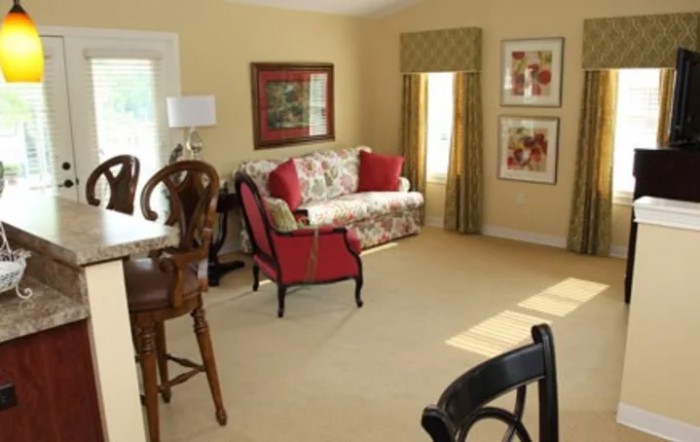
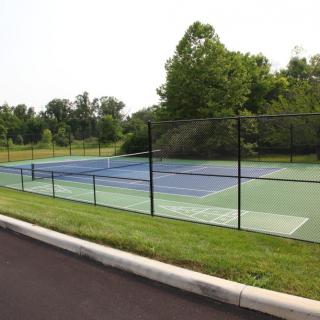
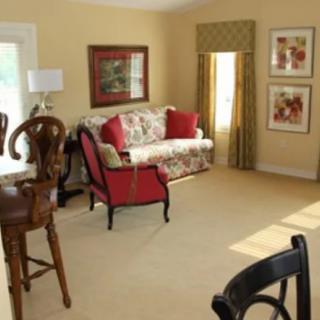
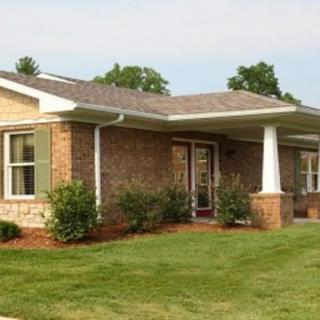
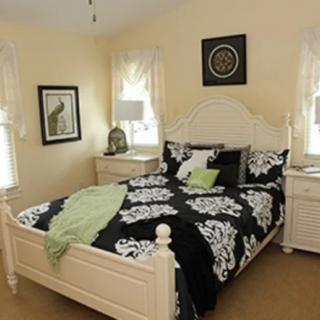
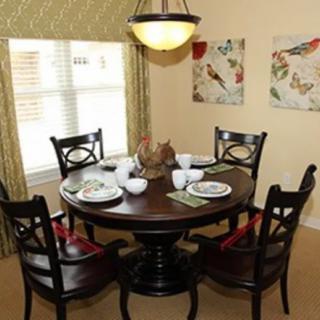
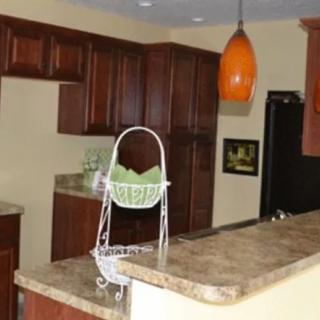
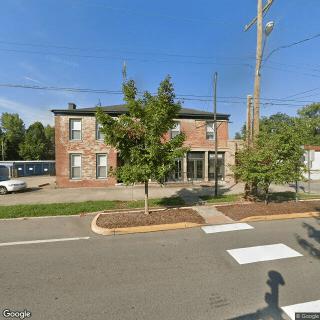
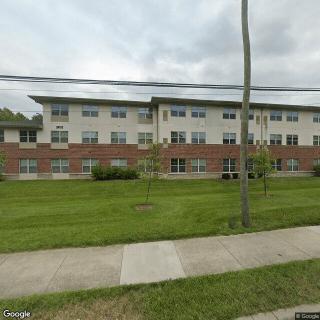
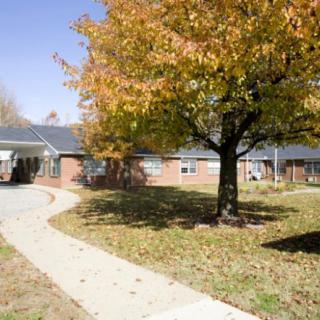
The Villages At Historic Silvercrest on seniors.fyi includes 7 photos including images showing interior, decor, landscaping, artwork, bedroom, architecture, brick exterior, kitchen, and more.
Nearby Communities
Villages At Historic Silvercrest
New Albany, IN
4.3 from 63 reviews
$2,363 to $4,260 / month
Active community with good meals and friendly front-office staff.
The deductibility of assisted living expenses on taxes hinges on factors like the individual's medical condition and service nature, typically requiring the resident to be "chronically ill" per IRS definitions. Taxpayers may deduct eligible medical expenses related to personal care services but generally not rent unless primarily for medical care, and they should maintain thorough documentation to support claims while considering itemizing versus standard deductions.
The guide highlights the importance of assisted living facilities for aging veterans needing daily support, discusses unique challenges they face, and outlines available financial assistance from the VA, including the Aid and Attendance program. It emphasizes understanding eligibility criteria and navigating the VA system to access necessary benefits effectively.
The article compares assisted living and skilled nursing facilities, detailing their differing levels of assistance, medical support, cost structures, and day-to-day experiences. It emphasizes that assisted living is for those needing help with daily activities while maintaining independence, whereas skilled nursing facilities provide intensive medical care with 24-hour staff supervision.
Get PricingAsk A QuestionSchedule A TourContact Senior Advisor
By clicking submit, you agree to our Partner's Terms of Use. You
also consent to receive calls and texts, which may be autodialed, from our Partner. Your consent is not a condition to
using our Partner's service. Please visit our Partner's Privacy Policy for information about their privacy practices.


 21 resident community capacity
 1-bedroom apartments
 Assisted Living
 Independent Living
 Skilled Nursing Facility
 Beautician on-site
 Cable or satellite TV
 Dining room
 Full kitchen
 Fully furnished
 Garden
 Housekeeping services
 Laundry
 Move-in coordination
 Outdoor space
 Overnight guests
 Party space
 Resident parking
 Respite or short term stays offered
 Swimming pool
 Telephone
 Tennis courts
 Wi-Fi/high-speed internet available
 Louisville International-Standiford (10 miles away)
 Transportation & parking
 24-hour call system
 Activities of daily living assistance
 Assistance with bathing
 Assistance with dressing
 Assistance with transfers
 Diabetes diet
 Meal preparation and service
 Medication management
 Mental wellness program
 Physical therapy
 Special dietary restrictions
 Transportation arrangement (medical)
 Religious services
 English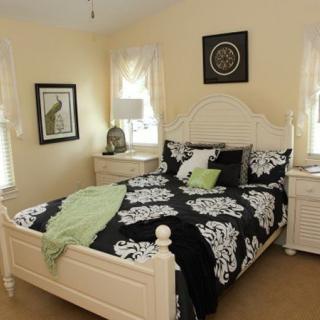
 Active community with good meals and friendly front-office staff.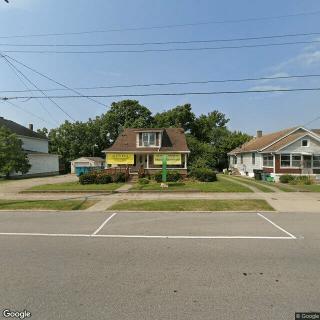


 Is Assisted Living Deductible on Your Taxes? Understanding the Complexities of Assisted Living Expenses and Deductions
 Assisted Living Support for Veterans: A Complete and Detailed Overview
 Exploring the Contrasts Between Assisted Living and Skilled Nursing