

201 East Elm Street, New Albany, IN 47150
For more information about senior living options: (866) 208-4318
Overall Review of New Albany Nursing And Rehabilitation Center
Pros
 The physical therapists are really great.
- Michael was very nice and patient.
- The nurses and assistants were very nice and caring.
- The staff provided the best possible care.
- Director Ann was very attentive to residents' needs.
Cons
 The facility refused to give the daughter her medicine.
- It smelled of urine.
- The care services are bad; they won’t bathe residents and they wipe them down.
- The beds are rusted.
- They wouldn’t serve any meals.
- New residents didn’t want to eat because of the smell.
- The place is so short-staffed that in an emergency they wouldn’t know it because they never answer the call lights.
- It’s downright ridiculous.
- If the insurance would approve for their father to go somewhere else, they would be out of this place so fast their heads would spin.
- Please take loved ones somewhere other than here.
- This is the worst place ever.
- The nursing home provides very poor patient care.
- They broke mom’s leg transferring from wheelchair to bed.
- No report was provided; only a bill in the mail.
- She died in their care, and it’s the worst.
- This place is a joke.
- They forgot to give meals, wouldn’t give meds, there were bugs in the bathroom, and the toilet wasn’t working.
Review
New Albany Nursing and Rehabilitation Center is best suited for seniors who need focused rehabilitation and can tolerate a care environment that is inconsistent in staffing and daily operations, provided there is active oversight from family or a responsible surrogate. The facility’s strongest appeal lies in access to physical therapy and a handful of frontline staff who are described as caring and attentive, with an administrator who tends to residents’ comfort. For families seeking reliable daily routines and predictable safety in long-term care, this may be a workable option only if there is a plan to regularly monitor care and respond quickly to issues as they arise.
Those who should consider alternatives are families prioritizing consistent daily care, dependable meal service, timely medication administration, and a consistently clean, safe environment. Reviews depict missed meals, gaps in medication delivery, and unaddressed call lights, raising concerns about day-to-day reliability for long-term residents. Serious safety worries, ranging from transferred injuries to odors, pests, and broken facilities, also weigh heavily. If stability and risk mitigation are non-negotiable, this community warrants a cautious comparison with higher-rated options that demonstrate steadier staffing and fewer publicized safety lapses.
The key pros in this setting, effective rehabilitation services and a subset of compassionate staff, plus an attentive director, do offset some concerns, but not sufficiently to erase the larger risk profile. Several residents highlight remarkable physical therapy experiences and patient, encouraging care from rehab instructors and nurses. The director is cited as consistently striving to meet needs, and some caregivers are described as genuinely caring. When rehabilitation is the primary goal, these strengths can foster meaningful progress and a confident pathway to discharge. Yet the positive therapy experiences do not compensate for repeated episodes of neglect or breakdowns in routine that jeopardize safety and comfort on a day-to-day basis.
The most salient cons reveal a pattern that undermines long-term confidence. Chronic understaffing translates into delayed responses to call lights, with emergencies potentially going unaddressed in a timely manner. Medication management appears inconsistent, with multiple reviews reporting missed doses and delayed administration. Facility conditions compound risk: recurring odors, rust on beds, bugs in bathrooms, and a toilet that fails to function properly all point to lapses in cleanliness and maintenance. A particularly disturbing account of a resident sustaining a broken leg during transfer, followed by a bill without a transparent incident report, underscores a troubling lack of clear process and accountability. The most severe verdict, ending with a death in care and a broad sentiment that families would seek alternatives, cannot be dismissed.
Practical steps for families evaluating this center include requesting current staffing levels and on-shift ratios, and asking to speak directly with the administrator about ongoing improvement plans. Visitors should inspect living spaces for cleanliness, odor, and maintenance issues; review recent incident or complaint logs; and verify how medications are tracked and administered. It is prudent to observe how quickly call lights are answered and to request the opportunity to meet several caregivers to gauge consistency and responsiveness. For rehab, confirm a structured, measurable program with documented progress and discharge planning. Compare this facility against others with higher staffing stability, better infection control, reliable meal service, and a cleaner, safer environment before committing long-term.
In summary, this community offers practical value for rehab-focused care where hands-on therapy and attentive staff can shine, but the weight of staffing shortages and documented care lapses is substantial. The decision hinges on whether robust oversight and a clear plan to address persistent safety and reliability gaps are feasible for the family, and whether the priority is access to strong rehabilitation or a consistently safe, predictable daily living environment. If rehabilitation remains the central goal and active guardianship is possible, a measured stay may be reasonable. If reliability, routine, and unequivocal safety are non-negotiable, stronger alternatives should be pursued.
 143 resident community capacity
 Assisted Living
 Independent Living
 Skilled Nursing Facility
 Activities on-site
 Air-conditioning
 Beauty salon
 Cable or satellite TV
 Computer center
 Devotional services off-site
 Dining room
 Fitness room
 Fully furnished
 Gaming room
 Garden
 Housekeeping services
 Indoor common areas
 Kitchenette
 Move-in coordination
 Outdoor space
 Private bathrooms
 Restaurant-style dining
 Small library
 Telephone
 Wellness center
 Wi-Fi/high-speed internet available
 Louisville International-Standiford (9 miles away)
 Community operated transportation
 24-hour call system
 Ambulatory care
 Assistance with bathing
 Assistance with dressing
 Assistance with transfers
 Diabetes diet
 Diabetic care
 Medication management
 Special dietary restrictions
 Concierge services
 Planned day trips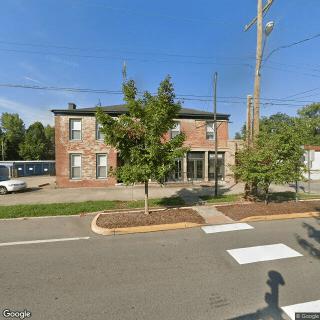





 Social Security Benefits and Assisted Living: Navigating Options Across the U.S.
 An Extensive Exploration of the VA Aid and Attendance Benefit
 Senior Transition Services: Understanding Their Role, Cost, and Importance