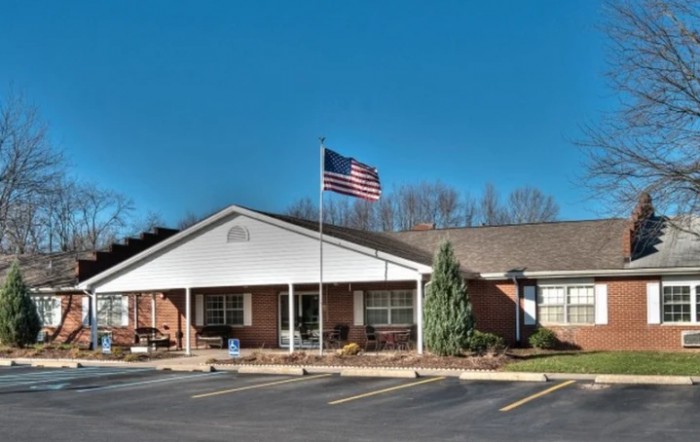
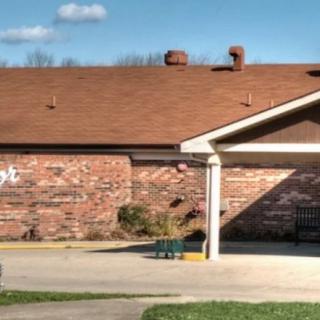
The Waters Of Clifty Falls in Madison, IN

Save
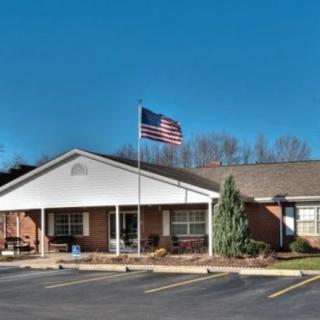
The Waters Of Clifty Falls

The Waters Of Clifty Falls in Madison, IN

950 Cross Avenue, Madison, IN 47250

For more information about senior living options: (844) 490-3973

2.3 from 43 reviews
5 stars
12
4 stars
1
3 stars
1
2 stars
2
1 stars
27

Overall Review of The Waters Of Clifty Falls

Pros

  • pro Clifty has a fantastic administrative team that works hard to ensure their patients receive top-notch care and strong support for the staff.
  • pro The nursing staff treat all of their residents as their own family, and Mindy and Jerry have definitely made the facility a better place.
  • pro The quality and care administered by the staff is above any other, with the administrator there around the clock to ensure residents are properly cared for.
  • pro The facility has a nice, homelike environment with new management and is highly recommended.
  • pro Sidney and Diane are two of the best, most caring nurses, and Amanda the CNA provides excellent care and is a people person.
  • pro The home is a small community providing loving and professional care.

Cons

  • pro The facility neglects patients and provides inadequate care.
  • pro The nursing and CNA staff are slow to respond and fail to meet basic needs, including pain medication.
  • pro The facility overdosed a patient with insulin, contributing to a coma and death.
  • pro The rooms and bathrooms are dirty and smell of urine; residents are not properly cleaned or cared for.
  • pro Food quality is poor, with reports of bugs in food and meals served in unsanitary conditions.
  • pro Communication with families is poor; loved ones are left in the dark about their relatives’ status.
  • pro The staff are rude or demeaning, treating residents like children and harassing families over fees.
  • pro The facility is chronically understaffed and overworked, leading to ongoing neglect.
  • pro The facility should be shut down; families should not send their loved ones there.

Review

The Waters of Clifty Falls is best suited for families who must stay local and are prepared to be highly involved advocates. This community works best for seniors who are relatively low-maintenance day-to-day but require close monitoring and active family oversight due to complex medical or cognitive needs. It is not appropriate for families prioritizing dependable medical oversight, consistent communication, or rigorous attention to safety. Those who demand transparent, timely updates, reliable medication administration, and consistently clean, well-maintained spaces should look at alternatives first. If a facility must be local and compact for practical reasons, still weigh options with stronger staffing stability, clearer accountability, and higher regulatory confidence.

On the upside, a few staff members have earned praise for genuine warmth and competence. In several accounts, certain CNAs and nurses are described as dedicated, and administrative leadership is noted to be present and paying attention at times. A handful of families report a homelike, comfortable setting where residents are treated with kindness, and some reviewers appreciated the smaller community feel compared with larger campuses. There is a sense that when management is engaged, individual care can shine through in limited, specific instances, and that some teams still strive to maintain dignity and person-centered attention.

The overwhelming weight of the feedback, however, centers on critical safety and quality failures. Recurrent allegations include neglectful care, poor communication, and a pattern of delays in pain management and daily assistance. Insulin errors, missed medication, and inconsistent treatment plans point to fundamental gaps in medical oversight. Reports describe rooms and bathrooms not cleaned regularly, odors and dirty conditions, and meals that fail to meet basic standards. Several families recount life-threatening moments that culminated in hospitalizations or endings that felt preventable, including cases of infections, dehydration, and inadequate responses to urgent needs. The combination of under-staffing and inconsistent nurse-to-resident contact frequently leaves relatives feeling left in the dark, with little confidence that critical changes in condition will be detected or acted on promptly. HIPAA concerns and scenes of conversations about residents that occurred in public areas also color the overall impression of privacy and professionalism.

These realities do not disappear simply because a few caregivers demonstrate heart. The core issue is systemic: staffing levels and management practices that fail to deliver reliable safety, predictable communication, and timely clinical responses. The most serious risks, medication errors, failure to respond to pain or distress, delayed hygiene and mobility assistance, and environmental neglect, significantly outweigh any occasional positive interactions. In a setting where dementia and age-related vulnerability are present, such gaps can quickly escalate into harm. Even when some staff members display competence and compassion, the broader pattern erodes trust and makes consistent, high-quality care untenable for families prioritizing safety and dignity.

That mismatch matters for decision-making. Pros such as a few devoted caregivers and a few managers who stay engaged do not compensate for recurring, system-wide deficiencies. Pros can improve a day here and there, but safety, reliability, and clear communication are non-negotiables for most families evaluating long-term care. If a loved one requires dependable medication administration, rapid response to needs, or a consistently clean, respectful environment, the balance tips strongly toward alternatives. Pros can be meaningful in the short term or in very specific circumstances, but they do not build the foundation needed for sustained, risk-free elder care.

For families still considering this community, a practical plan is essential. Conduct a thorough, on-site tour with a focus on daily routines: how quickly staff answer calls, how medications are administered and tracked, and whether pain management is timely. Request to speak directly with front-line staff and several families who presently have loved ones there. Review recent state survey results and any open corrective action plans, and ask about staffing ratios by shift and how turnover is managed. Insist on a clearly defined care plan for dementia or medically complex needs, a transparent billing explanation, and a written commitment to timely communication, including daily updates when a resident’s condition changes. If these safeguards cannot be reliably documented, seek other options that offer proven oversight and a stronger safety net.

In the end, The Waters of Clifty Falls aligns with a small subset of families willing to accept significant safety trade-offs in exchange for a more intimate, local setting. For most families seeking dependable, high-quality care, the evidence points decisively toward alternatives with stronger staffing consistency, better communication, and a demonstrably safer record. The decision should rest on whether current strengths in care can be scaled to address the persistent, well-documented concerns, and whether the family can maintain an explicit, ongoing management role without exhausting capacities. If not, the prudent choice is to move toward facilities that provide steadier, safer care and clearer accountability.

Features

Housing

  • 138 resident community capacity 138 resident community capacity

Types of Care

  • Assisted Living Assisted LivingAssisted living facilities provide crucial support and care for seniors who may need help with daily tasks such as medication management, bathing, and meal preparation. These communities offer a safe and comfortable environment where seniors can maintain their independence while receiving the assistance they need to thrive in their golden years.
  • Skilled Nursing Facility Skilled Nursing FacilitySkilled Nursing Facilities are crucial for seniors as they provide round-the-clock medical care, rehabilitation services, and assistance with daily activities. These facilities ensure that seniors receive the specialized care they need to maintain their health and well-being as they age.

Amenities

  • Air-conditioning Air-conditioningAir conditioning is important for seniors as they are more vulnerable to heat-related illnesses and may have underlying health conditions that make it difficult for them to regulate their body temperature. It helps to keep them comfortable, safe, and healthy in hot weather.
  • Beauty salon Beauty salonBeauty salons are important for seniors because they provide a space for them to feel pampered, socialize, and maintain their personal grooming and hygiene. Regular visits to a beauty salon can help boost seniors' self-esteem and overall well-being.
  • Cable or satellite TV Cable or satellite TVCable or satellite TV is important for seniors because it provides entertainment, news, and companionship, helping to combat loneliness and boredom. It also offers a wide range of programming options tailored to different interests and preferences.
  • Computer center Computer centerA computer center is essential for seniors as it provides access to technology, communication tools, and resources that can enhance their daily lives. It allows them to stay connected with loved ones, engage in online activities, and learn new skills, ultimately promoting socialization and mental stimulation.
  • Dining room Dining roomDining rooms are important for seniors as they provide a space for socialization, connection, and nutritious meals. They offer opportunities for residents to bond over shared meals, foster a sense of community, and promote healthy eating habits. Dining rooms also ensure that seniors have access to well-balanced meals tailored to their dietary needs and preferences.
  • Fitness room Fitness roomHaving a fitness room in a senior living community is essential for seniors to stay active, maintain their physical health, and improve their overall well-being. Regular exercise can help prevent falls, reduce the risk of chronic diseases, and promote mental sharpness. It also provides social opportunities for residents to connect with others and enjoy a sense of community.
  • Fully furnished Fully furnishedFully furnished senior living communities are important for seniors because they provide convenience, comfort, and a hassle-free moving experience. Seniors can easily settle into their new living space without the stress of having to buy and move furniture. This allows them to focus on enjoying their new home and community.
  • Gaming room Gaming roomGaming rooms are important for seniors as they provide a fun and engaging environment for socializing, cognitive stimulation, and physical activity. Games can improve memory, problem-solving skills, and overall mental well-being while fostering friendships and reducing feelings of isolation.
  • Garden GardenGardens are important for seniors as they provide a peaceful and therapeutic environment for relaxation, physical activity, and socialization. Being in nature has been shown to reduce stress, improve mood, and promote overall well-being. Gardens also offer opportunities for seniors to engage in gardening activities, which can improve mobility, flexibility, and cognitive function. Additionally, gardens create a sense of community and connection with others who share a passion for plants and outdoor spaces.
  • Housekeeping services Housekeeping servicesHousekeeping services are important for seniors because they help maintain a clean and safe living environment, promote independence, and reduce the risk of accidents or illnesses. Additionally, having assistance with household chores can alleviate physical strain and allow seniors to focus on other aspects of their well-being.
  • Kitchenette KitchenetteKitchenettes are important for seniors living in senior living communities because they provide the convenience and independence of being able to prepare simple meals and snacks in the comfort of their own living space. This can help promote a sense of autonomy and well-being for seniors, allowing them to maintain some level of control over their dietary choices and daily routines.
  • Move-in coordination Move-in coordinationMove-in coordination is important for seniors because it helps ease the transition into their new living environment. It ensures that all logistics, such as packing, organizing movers, and setting up utilities are taken care of, allowing seniors to focus on settling in and adjusting to their new home. Having a smooth move-in process can alleviate stress and anxiety, making the transition smoother and more enjoyable for seniors.
  • Outdoor space Outdoor spaceOutdoor spaces are important for seniors as they provide opportunities for physical activity, social interaction, exposure to natural light and fresh air, and a sense of connection to nature. Having access to outdoor spaces can improve overall well-being and quality of life for older adults living in senior communities.
  • Private bathrooms Private bathroomsPrivate bathrooms are important for seniors in senior living communities because they provide independence, dignity, and comfort. Having a private bathroom allows seniors to maintain their personal hygiene routines without the need for assistance, promoting a sense of autonomy and privacy. Additionally, private bathrooms help prevent the spread of infections and provide a safe and clean environment for seniors to navigate safely.
  • Restaurant-style dining Restaurant-style diningRestaurant-style dining is important for seniors because it allows them to enjoy delicious, nutritious meals in a social and upscale setting. This enhances their dining experience, promotes healthy eating habits, and fosters socialization with fellow residents, ultimately contributing to their overall well-being and quality of life.
  • Small library Small librarySmall libraries are important for seniors as they provide access to a variety of reading materials, including books, newspapers, and magazines. This can help stimulate their minds, keep them engaged, and provide a sense of community through book clubs and other social activities. Additionally, reading has been shown to improve cognitive function and overall mental well-being in older adults.
  • Telephone TelephoneTelephones are important for seniors as they provide a lifeline for communication with loved ones, emergency services, and healthcare providers. They offer a sense of security and independence, enabling seniors to stay connected and access assistance when needed.
  • Wellness center Wellness centerWellness centers are important for seniors because they offer a variety of programs and services that promote physical, mental, and emotional well-being. These centers provide opportunities for exercise, socialization, education, and relaxation, helping seniors maintain their overall health and quality of life.
  • Wi-Fi/high-speed internet available Wi-Fi/high-speed internet availableWi-Fi/high-speed internet is important for seniors to stay connected with loved ones, access online resources, and participate in virtual activities to combat feelings of loneliness and isolation. It also allows them to easily manage healthcare needs, access entertainment, and engage in lifelong learning opportunities.

Transportation

  • Community operated transportation Community operated transportationCommunity operated transportation is crucial for seniors as it provides them with the means to access essential services, social activities, and medical appointments. It allows seniors to maintain their independence and quality of life by ensuring they can participate in activities outside of their homes. Additionally, community-operated transportation services offer a safe and reliable way for seniors to travel without having to rely on family or friends for assistance.
  • Transportation arrangement Transportation arrangementTransportation arrangements are crucial for seniors as they may face challenges with driving, mobility, or access to public transportation. Having reliable transportation services ensures that seniors can easily attend appointments, social activities, and maintain their independence and quality of life.

Care Services

  • 24-hour call system 24-hour call system24-hour call systems are important for seniors because they provide peace of mind and immediate assistance in case of emergencies. This technology ensures that help is always available, promoting safety and security for elderly individuals living alone or in assisted living facilities.
  • 24-hour supervision 24-hour supervision24-hour supervision is important for seniors to ensure their safety, well-being, and access to immediate assistance in case of emergencies or health issues. This constant support provides peace of mind for both seniors and their loved ones, allowing them to age in place with dignity and security.
  • Activities of daily living assistance Activities of daily living assistanceActivities of daily living assistance are important for seniors because they provide essential support with tasks such as eating, bathing, dressing, and mobility. This assistance helps seniors maintain their independence, dignity, and overall quality of life as they age.
  • Assistance with bathing Assistance with bathingAssistance with bathing is crucial for seniors as it helps maintain personal hygiene, prevents infections, and ensures their overall well-being and comfort. It also provides a sense of dignity and independence for seniors who may struggle with this task on their own.
  • Assistance with dressing Assistance with dressingAssistance with dressing is important for seniors because it helps maintain their independence, promotes personal hygiene, prevents accidents and injuries, and improves overall quality of life. This service ensures that seniors can continue to dress comfortably and confidently, despite any physical limitations they may have.
  • Assistance with transfers Assistance with transfersAssistance with transfers is crucial for seniors as it helps prevent falls and injuries, maintains their independence, and ensures they can safely navigate their living environment. It also provides peace of mind for both seniors and their loved ones.
  • Diabetes diet Diabetes dietA diabetes diet is crucial for seniors as it helps manage blood sugar levels, reduce risks of complications, and improve overall health and well-being. By following a balanced and nutritious diet tailored to their specific needs, seniors can better control their diabetes and enhance their quality of life.
  • Meal preparation and service Meal preparation and serviceMeal preparation and service are crucial for seniors as they may have limited mobility or energy to cook nutritious meals. Having access to healthy and convenient food options can ensure they are getting the proper nutrition needed to maintain their overall health and well-being.
  • Medication management Medication managementMedication management is crucial for seniors to ensure they are taking the right medications at the correct dosages and times. This helps prevent adverse drug interactions, reduces the risk of medication errors, and promotes overall health and well-being. Proactive management also allows for adjustments as needed based on changing health conditions or new prescriptions.
  • Special dietary restrictions Special dietary restrictionsSpecial dietary restrictions are important for seniors because age-related changes in metabolism and health conditions can make it difficult for their bodies to process certain foods. By following a diet tailored to their specific needs, seniors can maintain their overall health and well-being, manage chronic conditions, and reduce the risk of complications such as malnutrition or food interactions with medications.

Dining

  • Diabetes diet Diabetes dietA diabetes diet is crucial for seniors as it helps manage blood sugar levels, reduce risks of complications, and improve overall health and well-being. By following a balanced and nutritious diet tailored to their specific needs, seniors can better control their diabetes and enhance their quality of life.
  • Special dietary restrictions Special dietary restrictionsSpecial dietary restrictions are important for seniors because age-related changes in metabolism and health conditions can make it difficult for their bodies to process certain foods. By following a diet tailored to their specific needs, seniors can maintain their overall health and well-being, manage chronic conditions, and reduce the risk of complications such as malnutrition or food interactions with medications.

Activities

  • Community-sponsored activities Community-sponsored activitiesCommunity-sponsored activities are important for seniors as they provide opportunities for social interaction, mental stimulation, and physical activity. These activities can help improve overall well-being, combat loneliness and isolation, and promote a sense of belonging and purpose among older adults.
  • Concierge services Concierge servicesConcierge services are essential for seniors as they provide assistance with daily tasks and errands, enhance their quality of life by offering convenience and personalized care, and promote a sense of safety and security.
  • Fitness programs Fitness programsFitness programs are crucial for seniors as they help improve strength, flexibility, balance, and overall well-being. Staying active can reduce the risk of chronic diseases, improve mental health, and enhance quality of life in older adults.
  • Planned day trips Planned day tripsPlanned day trips are important for seniors because they offer opportunities for socialization, mental stimulation, and physical activity. They provide a change of scenery and help seniors stay engaged and connected to their community, promoting overall well-being and quality of life.
  • Resident-run activities Resident-run activitiesResident-run activities are important for seniors as they encourage social interaction, creativity, and a sense of autonomy. These activities empower seniors to stay engaged and active in their community while fostering meaningful connections with their peers.
  • Scheduled daily activities Scheduled daily activitiesScheduled daily activities are important for seniors because they provide structure, socialization, mental stimulation, and physical activity. Engaging in regular activities can improve overall well-being and quality of life for seniors living in a community setting.

Description

The Waters Of Clifty Falls is a skilled nursing facility located in Madison, IN. This community provides a range of care services and amenities to meet the needs and preferences of its residents. The residents can enjoy various amenities such as a beauty salon, cable or satellite TV, computer center, fitness room, gaming room, garden, housekeeping services, and private bathrooms.

For dining purposes, the community offers restaurant-style dining and special dietary restrictions are taken into consideration. In terms of care services, 24-hour supervision is provided along with assistance for activities of daily living such as bathing, dressing, and transfers. The staff also assists with medication management and meal preparation according to any specific dietary requirements.

The community ensures that residents have access to transportation arrangements for their convenience. Additionally, there are numerous nearby facilities including cafes, parks, pharmacies, physicians' offices, restaurants, places of worship, hospitals and transportation options.

Residents at The Waters Of Clifty Falls enjoy concierge services for their comfort and convenience. They can engage in various activities such as fitness programs, planned day trips, resident-run activities as well as scheduled daily activities.

Overall, this assisted living community strives to provide a comfortable and enriching environment for its residents by offering quality care services in addition to an array of amenities and nearby facilities to cater to their needs and interests.

Nearby Places of Interest

Places of Worship

  • Limato Paul Rev (0.2 miles)
  • River Valley Community Church (0.8 miles)
  • Faith Alliance Church (1.1 miles)
  • Southern Baptist Convention (1.4 miles)
  • Church of Jesus Christ of Latter Day Saints (1.5 miles)
  • West Madison United Methodist Church (1.8 miles)
  • Freedom Life Ministries (2.1 miles)

Transportation

  • U-Haul Neighborhood Dealer (0.3 miles)
  • Hilltop Taxi (0.6 miles)
  • J&K Trucking Company (2 miles)
  • Lee Bottom Field (9.5 miles)
  • U-Haul Neighborhood Dealer (12.5 miles)
  • U-Haul (13 miles)
  • U-Haul Neighborhood Dealer (13.5 miles)

Parks

  • Madison Skatepark (0.4 miles)
  • Clifty Falls State Park (1 miles)
  • Poplar Grove Picnic Areas (1.3 miles)
  • The Clifty Inn (1.6 miles)
  • Madison Park Department (2.5 miles)
  • Kiwanis Park (2.5 miles)
  • Bicentennial Park (2.6 miles)

Hospitals

  • Madison State Hospital (0.4 miles)
  • Kdhhs (2.1 miles)
  • Kings Daughters Health (2.3 miles)
  • King's Daughters' Hospital (2.3 miles)
  • Medical Imaging (2.3 miles)
  • King's Daughters' Hospital (2.3 miles)
  • King's Daughters' Health - Cancer Treatment Center (3 miles)

Restaurants

  • Tapatio Mexican Restaurant (0.5 miles)
  • Arby's (0.5 miles)
  • Diego's Mexican Grill (0.7 miles)
  • Papa John's Pizza (0.7 miles)
  • Harry's Stone Grill (0.7 miles)
  • Tapatio Mexican Restaurant (0.8 miles)
  • El Nopal Madison (0.8 miles)

Physicians

  • Fmc of Madison (0.8 miles)
  • Family Allergy & Asthma (1.3 miles)
  • Skin Solutions-Dr E MD (1.4 miles)
  • Madison Dermatology (1.4 miles)
  • King's Daughters' Health - Convenient Care Center (1.8 miles)
  • Retina Vitreous Resource Center (1.9 miles)
  • King's Daughters Medical Office: Gifaldi Amy MD (2.2 miles)

Pharmacies

  • CVS Pharmacy (0.9 miles)
  • Walgreens (1.2 miles)
  • Kroger Pharmacy (1.9 miles)
  • Madison Apothecary (2 miles)
  • Walmart Pharmacy (2.1 miles)
  • CVS Pharmacy (4.9 miles)
  • Blue Grass Drug Center (12.8 miles)

Cafes

  • The Attic Coffee Mill Cafe (2.2 miles)
  • Madison Downtowner Deli (2.5 miles)

Frequently Asked Questions

Where is The Waters Of Clifty Falls?

Nearby Communities

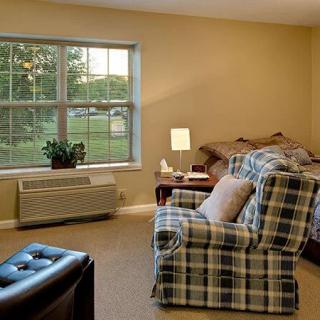
  • Hickory Creek At Madison

    Hickory Creek At Madison

    Madison, IN

    4.8 from 50 reviews
     

    pro 24/7 supervision with ADL support, meals with dietary options, transport to appointments, and engaging activities.
  • Jewel Place

    Jewel Place

    Madison, IN

    4.6 from 48 reviews
    $2,007 to $4,135 / month

    pro Caring, attentive staff in a warm, home-like setting with engaging daily activities.

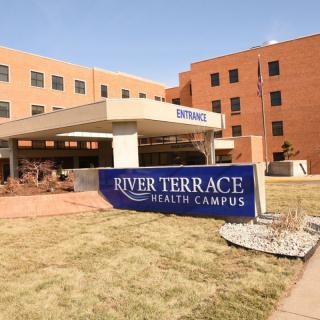
  • River Terrace Health Campus

    River Terrace Health Campus

    Madison, IN

    3.8 from 44 reviews
    $1,976 to $3,720 / month

    pro Beautiful, well-maintained campus with clean, well-appointed rooms and appealing dining options.

  • Madison Heritage Apartments

    Madison Heritage Apartments

    Madison, IN

    4.4 from 7 reviews
     

    pro Excellent access to parks, healthcare, dining, and transportation nearby.

  • Thornton Terrace Health Campus

    Thornton Terrace Health Campus

    Hanover, IN

    4.7 from 58 reviews
    $3,720 to $4,680 / month

    pro Caring staff in a warm, family-like atmosphere with engaging activities and strong therapy care.

  • Hanover Nursing Center

    Hanover Nursing Center

    Hanover, IN

    4 from 24 reviews
     

    pro Medicaid beds available and staff willing to discuss finances with families.

  • Hampton Oaks Health Campus

    Hampton Oaks Health Campus

    Scottsburg, IN

    4.2 from 41 reviews
    $3,660 to $4,380 / month

    pro Compassionate staff with excellent dining and engaging activities.

  • River Crossing Assisted Living Community

    River Crossing Assisted Living Community

    Charlestown, IN

    4.6 from 64 reviews
     

    pro Attentive staff, welcoming community, and well-maintained spaces with thorough leadership-led tours.

  • The Waters Of Dillsboro-Ross Manor

    The Waters Of Dillsboro-Ross Manor

    Dillsboro, IN

    4 from 46 reviews
     

    pro Caring CNAs and a clean, well-maintained environment with nutritious meals.

Assisted Living in Nearby Cities

Related Resources

  • assisted living vs memory careAssisted Living and Memory Care: Understanding Their Core Differences

    Assisted living provides moderate support for seniors seeking independence, while memory care offers specialized support for individuals with dementia or cognitive impairments through structured routines and trained staff. Key differences include care approaches, environment security measures, staff training levels, activity types, and cost considerations.

  • assisted living activitiesBeyond the Bingo Hall: 50+ Enriching Activities for Seniors in Assisted Living

    Assisted living communities offer diverse activities beyond traditional games to enhance seniors' physical health, cognitive well-being, emotional enrichment, and social connections, including fitness classes, creative expression, and intergenerational interactions. These enriching programs foster community bonds and support residents' independence and happiness.

  • assisted living vs memory careUnderstanding the Distinctions: Assisted Living and Memory Care Explained
    The article differentiates between assisted living and memory care, explaining that assisted living supports seniors with daily activities while promoting independence, whereas memory care provides specialized services for individuals with dementia, focusing on secure environments and cognitive support. It also addresses staff training, safety considerations, costs, family involvement, and transition strategies for families navigating these care options.