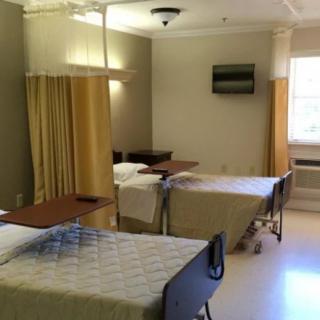
Thornton Terrace Health Campus offers a variety of room types at competitive pricing relative to both Jefferson County and the broader state of Indiana. For a semi-private room, the cost is set at $3,720 per month, aligning perfectly with the local county rates while being slightly lower than the state average of $3,739. The studio accommodations are priced at $3,810, matching the county's rate but exceeding Indiana's average of $3,258. Lastly, for those seeking more spacious living arrangements in a one-bedroom setup, the monthly fee is $4,680 - this matches Jefferson County pricing but is notably higher than Indiana's average of $3,300. Overall, Thornton Terrace provides a balanced option for residents considering quality care within their financial framework.
Floor plans
Thornton Terrace Health Campus
Jefferson County
Indiana
Semi-Private
$3,720
$3,720
$3,739
Studio
$3,810
$3,810
$3,258
1 Bedroom
$4,680
$4,680
$3,300
Skilled Nursing Facilities with a similar price nearby
Residents and families describe structured support for dementia and memory care needs.
Several reviews mention dementia or the dementia neighborhood, with one family describing comfort with adult day care before a full-time move and praising around-the-clock care. Another resident/relative specifically compliments a CNA working in the dementia area. A separate review highlights renovations to the Memory Care Neighborhood and outdoor space. There are also harder stories about safety and mobility support needs, including reports of repeated falls and concerns about equipment decisions.
common37 reviews mention this
Staff and nursing support stand out
Across reviews, residents and families repeatedly describe attentive, caring staff.
The most consistent feedback is about staff being responsive and supportive day to day, including frequent calls when something changes and help with comfort during visits. Multiple reviews praise specific caregivers and mention nursing and therapy teams working with residents on daily needs and mobility. A number of reviews also highlight clean, well-run day-to-day experiences, along with families feeling their loved ones were cared for. There are minority negative reviews, including reports that care felt poor during a stay and concerns about staff handling of problems.
common6 reviews mention this
Dining is repeatedly praised
Food comes up often, with multiple reviewers calling it good.
Dining is a recurring positive: reviewers mention eating well, describing the meals as delicious, and saying the food is good. A few reviews also connect mealtime with the overall day-to-day experience, including how residents were kept comfortable and engaged. There is also a mention of family brunch and theme dinners featuring “amazing food,” reinforcing that meals are part of the community experience. On the negative side, no dining-specific complaints are repeated in the reviews provided.
common12 reviews mention this
Activities keep residents engaged
Many reviews describe a busy schedule that keeps residents involved.
Families and visitors describe a lively environment with games, cards, scheduled activities, and outings like shopping trips and field trips. One long-tenured staff member describes frequent community life enrichment such as arts and crafts, singing, dancing, and trips on the community bus. Another review notes residents staying active and motivated during their time there. Renovation excitement around memory care outdoor space also points to the community offering more ways to spend time beyond just indoor routines.
caveat3 reviews mention this
Pricing feels out of reach
Some reviews say the rates were too expensive or hard to afford.
A few reviews directly call out cost as a barrier, with one review stating the rates were too expensive after a tour and another saying they couldn’t afford the price. One critical review also frames financial pressure as part of the staffing experience, describing overwhelmed staff doing more with less. While many reviews focus on care quality, these comments show affordability is a recurring concern for some families.
How we summarize
Counts show how many written reviews mention each theme; a review can touch several themes, and only frequently mentioned themes are displayed.
Features
Housing
83 resident community capacity
Studio apartments
Types of Care
Assisted Living
Day Program
Memory Care
Skilled Nursing Facility
Amenities
Activities off-site
Activities on-site
Air-conditioning
Beautician on-site
Beauty salon
Cable or satellite TV
Computer center
Devotional services off-site
Dining room
Fitness room
Fully furnished
Gaming room
Garden
Ground floor units
Handicap accessible
Housekeeping services
Indoor common areas
Kitchenette
Move-in coordination
Outdoor common areas
Outdoor space
Private bathrooms
Respite or short term stays offered
Restaurant-style dining
Small library
Telephone
Wellness center
Wi-Fi/high-speed internet available
Transportation
Community operated transportation
Transportation arrangement
Transportation arrangement (non-medical)
Care Services
12-16 hour nursing
24-hour call system
24-hour supervision
Activities of daily living assistance
Ambulatory care
Assistance with bathing
Assistance with dressing
Assistance with transfers
Coordination with health care providers
Diabetes diet
Diabetic care
Incontinence care
Meal preparation and service
Medication management
Mental wellness program
Mild cognitive impairment
Special dietary restrictions
Specialized memory care programming
Transportation arrangement (medical)
Transportation to doctors appointments
Dining
Anytime dining
Diabetes diet
Gluten-free
Guest meals
International cuisine
Low / no sodium
Meals provided
No Sugar
Organic
Professional chef
Restaurant style dining
Room service
Special dietary restrictions
Special dining programs
Vegetarian
Activities
Art classes
Community-sponsored activities
Concierge services
Cooking classes
Day trips and outings
Devotional activities offsite
Educational speakers / life long learning
Fitness programs
Happy hour
Karaoke
Live dance or theater performances
Live musical performances
Live well programs
Planned day trips
Resident-run activities
Scheduled daily activities
Stretching classes
Wine tasting
Nearby Places of Interest
Hanover, Indiana is a quaint and charming town with a variety of amenities to cater to the needs of seniors. The area offers a selection of pharmacies within close proximity, making it convenient for medication needs. There are also several parks nearby where one can enjoy outdoor activities and nature walks. In terms of healthcare, there are reputable physicians and hospitals available, ensuring quality medical care. Additionally, there are places of worship for spiritual fulfillment and cafes for socializing with friends. Transportation options such as taxis and U-Haul services are easily accessible for getting around town. Overall, Hanover provides a serene and supportive environment for senior living.
Pharmacies
CVS Pharmacy (0.1 miles)
Madison Apothecary (4.7 miles)
CVS Pharmacy (5.8 miles)
Walgreens (6.1 miles)
Kroger Pharmacy (6.8 miles)
Walmart Pharmacy (7 miles)
Blue Grass Drug Center (12 miles)
Parks
Hanover Park (0.5 miles)
The Clifty Inn (3.6 miles)
Poplar Grove Picnic Areas (3.7 miles)
Clifty Falls State Park (3.9 miles)
Madison Skatepark (4.9 miles)
Kiwanis Park (5.1 miles)
Bicentennial Park (5.2 miles)
Restaurants
The Shoebox (0.8 miles)
Sodexo (0.8 miles)
The Red Pepperoni (4.7 miles)
Lanthier Winery (4.9 miles)
Diego's Mexican Grill (5 miles)
Arby's (5 miles)
The Lighthouse (5.1 miles)
Physicians
Rowley J F Co. (2.1 miles)
Retina Vitreous Resource Center (4.7 miles)
Fmc of Madison (5.1 miles)
Taustine Eye Center (5.2 miles)
King's Daughters Medical Office: Gifaldi Amy MD (5.3 miles)
Professional Building (5.7 miles)
Family Allergy & Asthma (6.2 miles)
Places of Worship
Freedom Life Ministries (3.8 miles)
West Madison United Methodist Church (4.4 miles)
Hopewell Baptist Church (5.1 miles)
Madison Presbyterian Church (5.1 miles)
Limato Paul Rev (5.1 miles)
Church of Jesus Christ of Latter Day Saints (5.2 miles)
Broadway Baptist Church (5.2 miles)
Transportation
U-Haul Neighborhood Dealer (4.9 miles)
Hilltop Taxi (5.2 miles)
Lee Bottom Field (6.2 miles)
J&K Trucking Company (6.9 miles)
U-Haul Neighborhood Dealer (11.8 miles)
U-Haul Neighborhood Dealer (12.6 miles)
U-Haul (15.5 miles)
Cafes
The Attic Coffee Mill Cafe (4.9 miles)
Madison Downtowner Deli (5.4 miles)
Hospitals
Kdhhs (5 miles)
Madison State Hospital (5 miles)
King's Daughters' Hospital (5.3 miles)
Medical Imaging (5.3 miles)
King's Daughters' Hospital (5.3 miles)
Kings Daughters Health (5.4 miles)
King's Daughters' Health - Cancer Treatment Center (7.9 miles)
Thornton Terrace Health Campus offers a variety of room types at competitive pricing relative to both Jefferson County and the broader state of Indiana. For a semi-private room, the cost is set at $3,720 per month, aligning perfectly with the local county rates while being slightly lower than the state average of $3,739. The studio accommodations are priced at $3,810, matching the county's rate but exceeding Indiana's average of $3,258. Lastly, for those seeking more spacious living arrangements in a one-bedroom setup, the monthly fee is $4,680 - this matches Jefferson County pricing but is notably higher than Indiana's average of $3,300. Overall, Thornton Terrace provides a balanced option for residents considering quality care within their financial framework.
Thornton Terrace Health Campus's comprehensive features are meticulously designed to create a supportive environment for residents with dementia or Alzheimer's disease. The 24-hour supervision ensures that trained staff are always available to provide immediate assistance, promoting safety and comfort. Activities of daily living assistance, including help with bathing, dressing, and transfers, empowers residents to maintain as much independence as possible while receiving the care they need. Coordination with health care providers guarantees that any medical concerns are promptly addressed, while incontinence care and meal preparation tailored to individual dietary needs further enhance quality of life. Medication management is crucial for ensuring adherence to treatment plans, and the mental wellness program supports cognitive health through engaging activities. Specialized memory care programming is specifically tailored to residents' cognitive levels, including those with mild cognitive impairment, fostering an environment that stimulates mental engagement and social interaction. Additionally, transportation arrangements for medical appointments facilitate access to necessary healthcare services without additional stress for residents or their families.
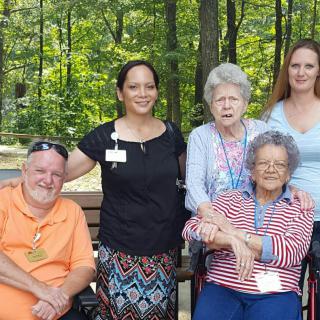
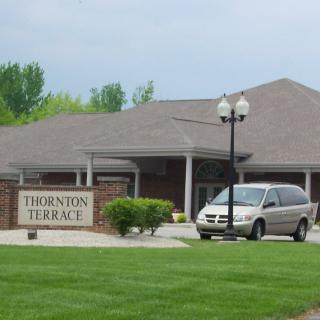
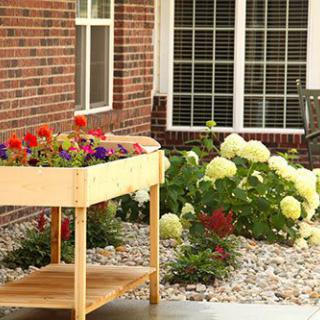
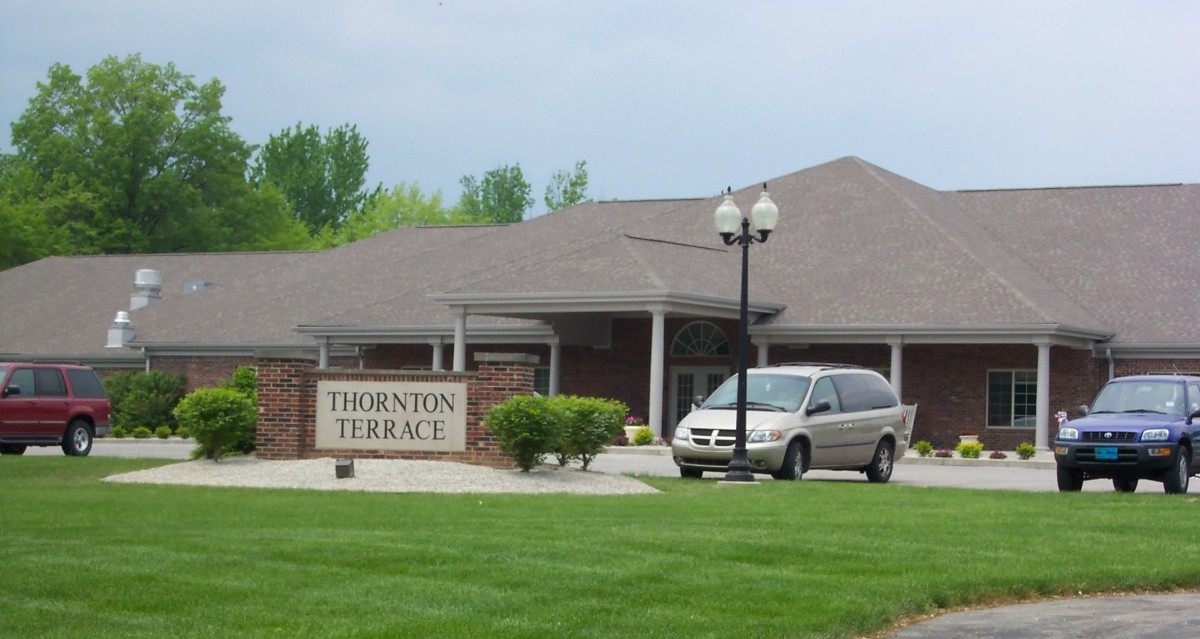
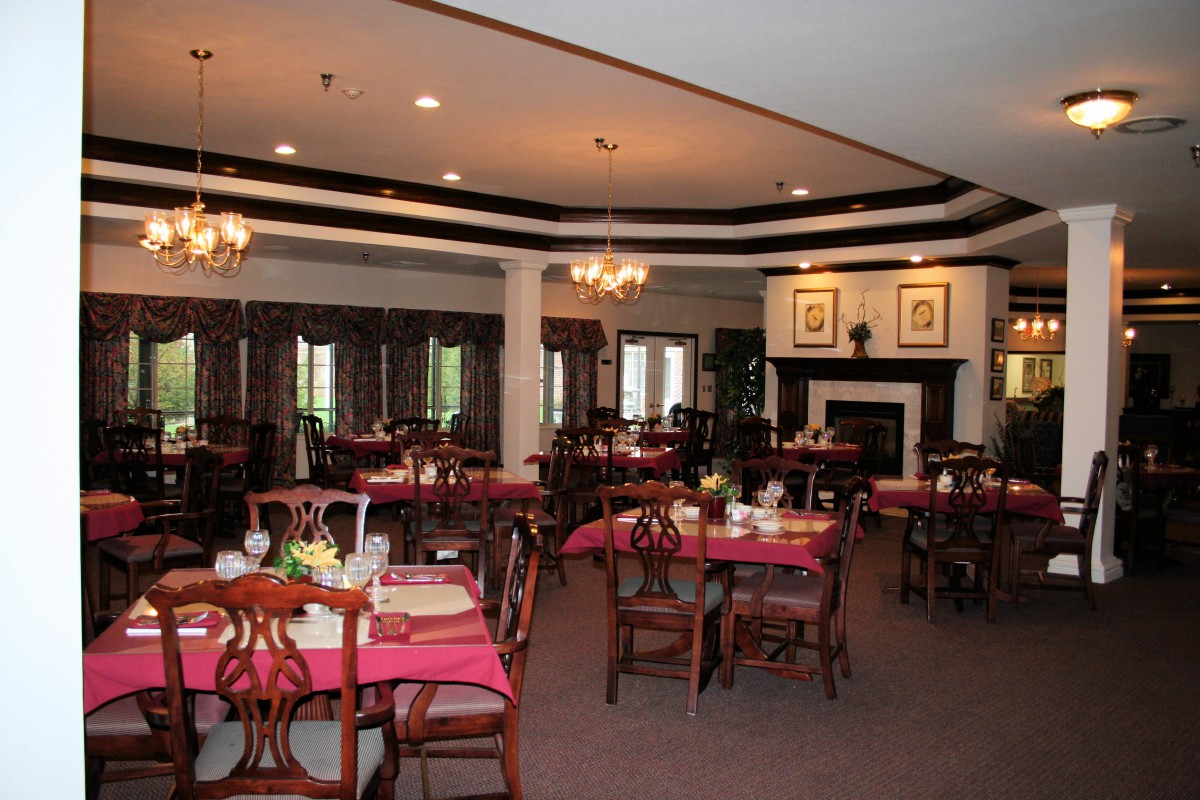
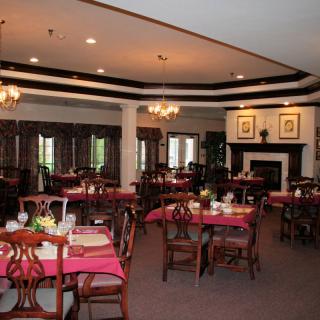
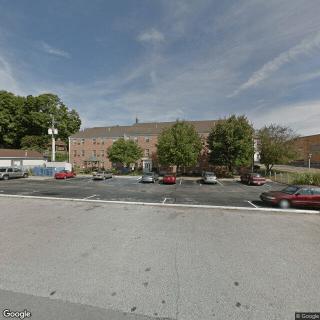
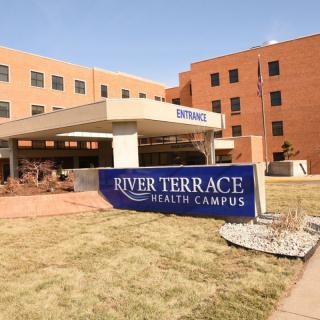
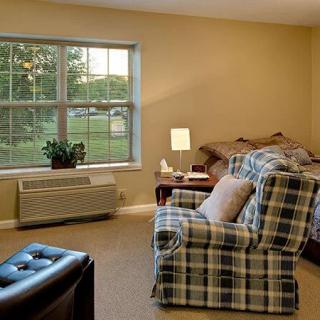
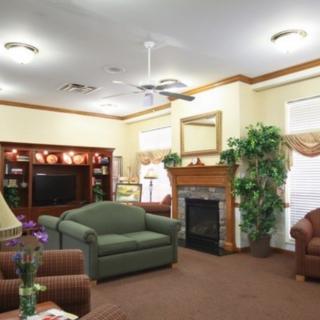
Thornton Terrace Health Campus on seniors.fyi includes 5 photos including images showing dining, interior, exterior, brick wall, windows, building, grass, decor, and more.
Nearby Communities
Hanover Nursing Center
Hanover, IN
4.2 from 28 reviews
Medicaid beds available and staff willing to discuss finances with families.
The Waters Of Clifty Falls
Madison, IN
2.2 from 45 reviews
Compassionate CNA staff.
Madison Heritage Apartments
Madison, IN
4.4 from 7 reviews
Excellent access to parks, healthcare, dining, and transportation nearby.
River Terrace Health Campus
Madison, IN
4 from 50 reviews
$1,976 to $3,720 / month
Beautiful, well-maintained campus with clean, well-appointed rooms and appealing dining options.
Hickory Creek At Madison
Madison, IN
4.8 from 51 reviews
24/7 supervision with ADL support, meals with dietary options, transport to appointments, and engaging activities.
Jewel Place
Madison, IN
4.6 from 48 reviews
$2,007 to $4,135 / month
Caring, attentive staff in a warm, home-like setting with engaging daily activities.
Hampton Oaks Health Campus
Scottsburg, IN
4.2 from 45 reviews
$3,660 to $4,380 / month
Compassionate staff with excellent dining and engaging activities.
River Crossing Assisted Living Community
Charlestown, IN
4.6 from 74 reviews
Attentive staff, welcoming community, and well-maintained spaces with thorough leadership-led tours.
Richwood Nursing & Rehab
La Grange, KY
3.9 from 63 reviews
Caring, friendly staff and a welcoming environment with strong rehab services.
Delirium is a rapidly onset, reversible cognitive disturbance often caused by acute medical issues, while dementia is a gradual and irreversible decline due to chronic neurodegenerative diseases. Accurate differentiation between the two is essential for appropriate treatment and management in older adults.
Dementia, including Alzheimer’s disease, is often mischaracterized in terms of lethality as it leads to complications that can be fatal rather than being a direct cause of death; it causes a progressive decline in cognitive and physical health, making patients vulnerable to infections and other health crises. Effective management of nutrition, hydration, and communication is crucial in patient care, with palliative care becoming vital in advanced stages to enhance comfort and quality of life while caregivers play a key role amidst the challenges posed by the disease.
Reminiscence therapy helps individuals with dementia recall past memories through structured discussions and meaningful objects, enhancing mood, relationships, and sense of identity while celebrating their lives. It can be practiced in formal settings or at home, requiring sensitivity to personal histories and cultural backgrounds.
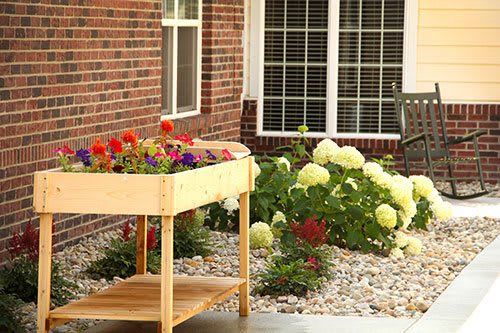
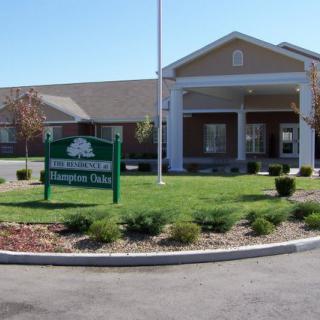
Landscaping, Windows, Garden, Exterior, and Brick Wall
Building and Grass
Trees, Outdoors, and Park
Get PricingAsk A QuestionSchedule A TourContact Senior Advisor
By clicking submit, you agree to our Partner's Terms of Use. You
also consent to receive calls and texts, which may be autodialed, from our Partner. Your consent is not a condition to
using our Partner's service. Please visit our Partner's Privacy Policy for information about their privacy practices.



 83 resident community capacity
 Studio apartments
 Assisted Living
 Day Program
 Memory Care
 Skilled Nursing Facility
 Air-conditioning
 Beautician on-site
 Cable or satellite TV
 Computer center
 Devotional services off-site
 Dining room
 Fitness room
 Fully furnished
 Gaming room
 Garden
 Ground floor units
 Handicap accessible
 Housekeeping services
 Indoor common areas
 Kitchenette
 Move-in coordination
 Outdoor common areas
 Private bathrooms
 Respite or short term stays offered
 Restaurant-style dining
 Small library
 Telephone
 Wellness center
 Wi-Fi/high-speed internet available
 Community operated transportation
 12-16 hour nursing
 24-hour call system
 Ambulatory care
 Assistance with bathing
 Assistance with dressing
 Assistance with transfers
 Diabetes diet
 Diabetic care
 Incontinence care
 Medication management
 Mental wellness program
 Special dietary restrictions
 Transportation arrangement (medical)
 Art classes
 Concierge services
 Cooking classes
 Day trips and outings
 Educational speakers / life long learning
 Happy hour
 Karaoke
 Live dance or theater performances
 Live musical performances
 Wine tasting
 Medicaid beds available and staff willing to discuss finances with families.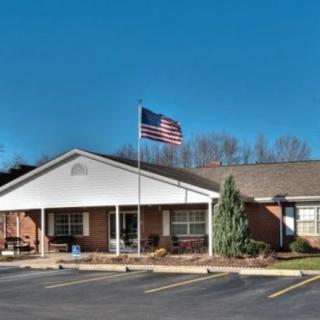

 Delirium and Dementia: Unraveling the Key Differences
 Are Dementia and Alzheimer's Disease Lethal? A Comprehensive Exploration
 Exploring the Power of Reminiscence Therapy for Individuals With Dementia