Woodbridge Health Campus offers competitive pricing for its accommodations, with monthly costs reflecting the quality of care and amenities provided. For a studio room, residents can expect to pay $3,690, which is notably higher than the average costs in Cass County at $3,076 and the broader state of Indiana at $3,258. Similarly, the one-bedroom option at Woodbridge is priced at $4,117, surpassing both the county's average of $3,472 and Indiana's average of $3,300. While these figures indicate that Woodbridge Health Campus may be positioned at a premium compared to local and state averages, this investment likely correlates with superior services and a nurturing environment that prioritize resident well-being.
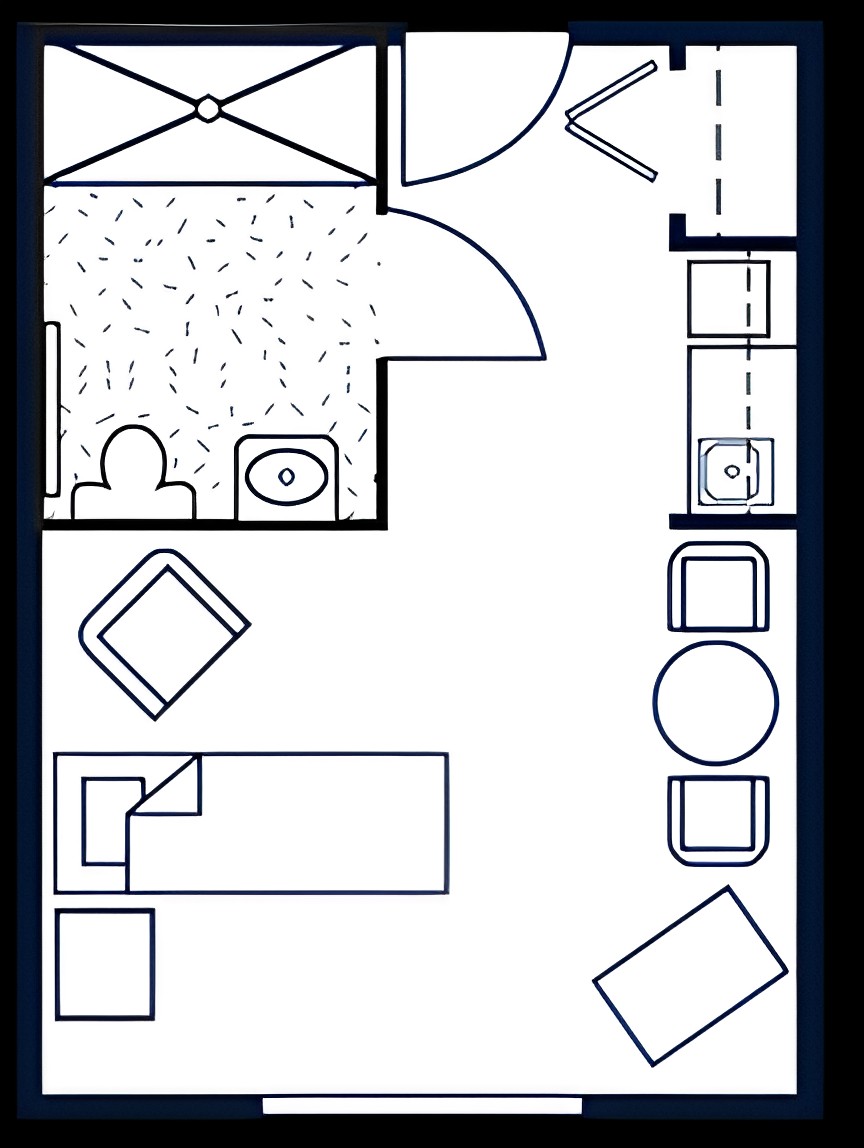
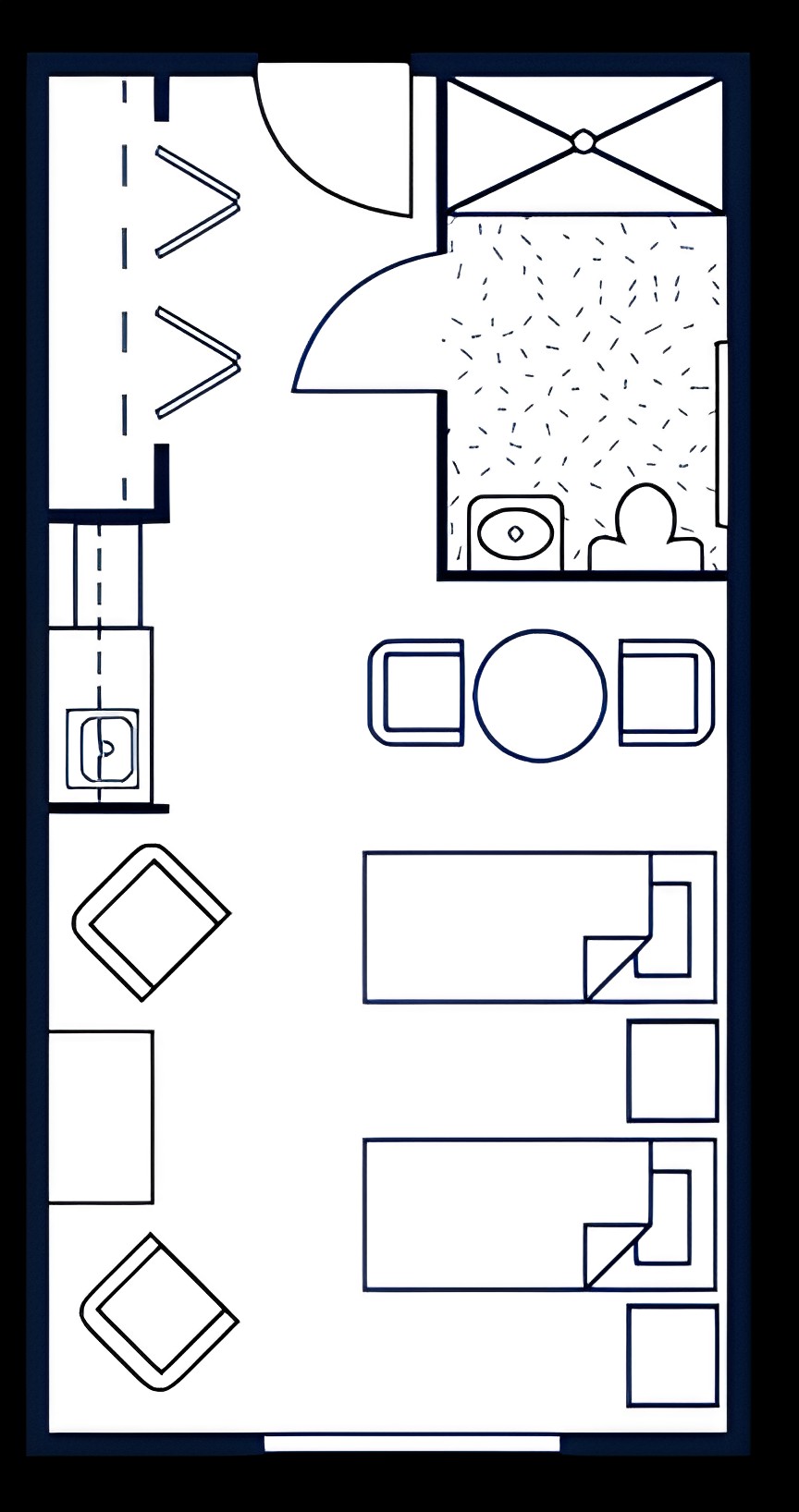
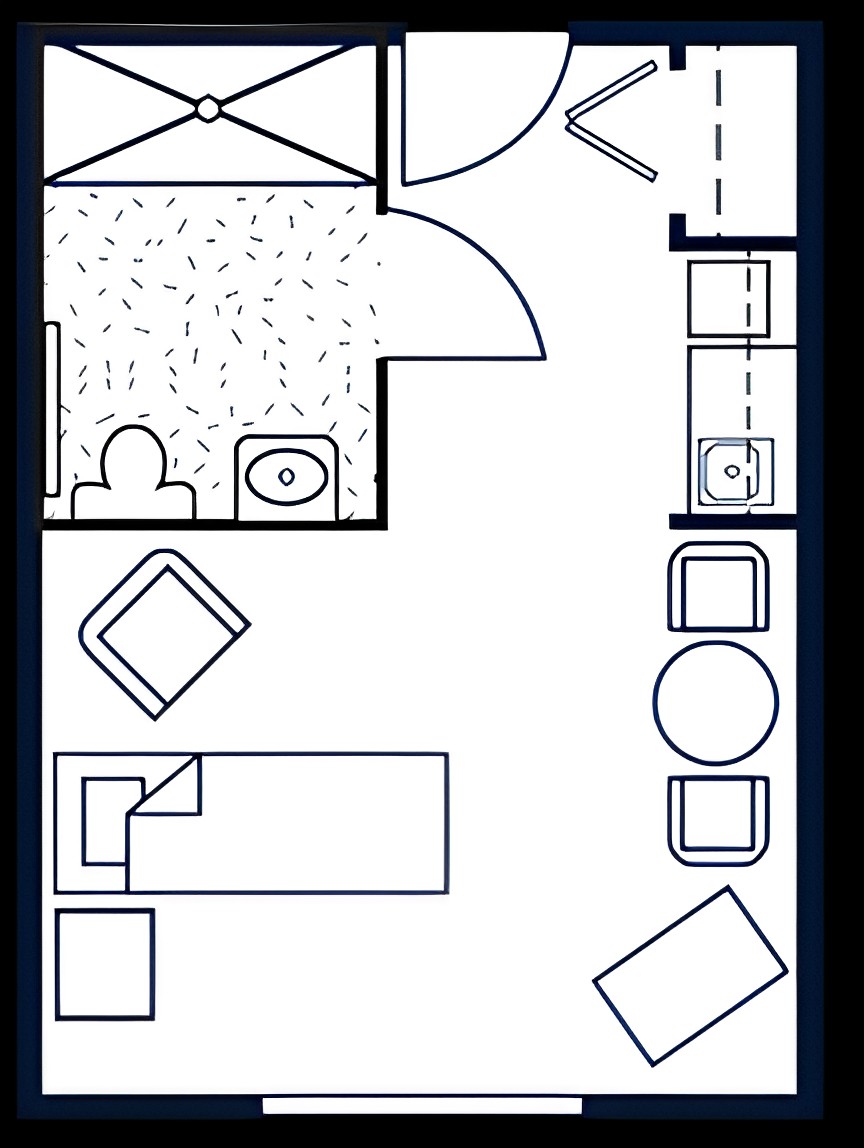
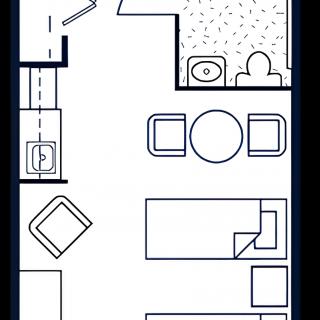
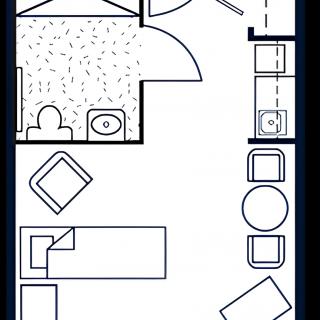
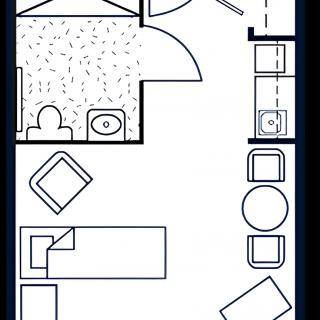
Floor plans
Woodbridge Health Campus
Cass County
Indiana
Studio
$3,690
$3,076
$3,258
1 Bedroom
$4,117
$3,472
$3,300
Overall Review of Woodbridge Health Campus
differentiator2 reviews mention this
Memory care feels personal
Residents describe memory care as safe and strongly supported by the staff.
In the memory care unit, residents’ family members describe a positive, friendly atmosphere where staff engage residents and treat them like they belong. Another review focused on the Alzheimer’s area echoes that the care team kept a loved one safe and provided consistent support.
common22 reviews mention this
Staff communication and kindness
Staff presence stands out, with residents and families describing attentive, kind help.
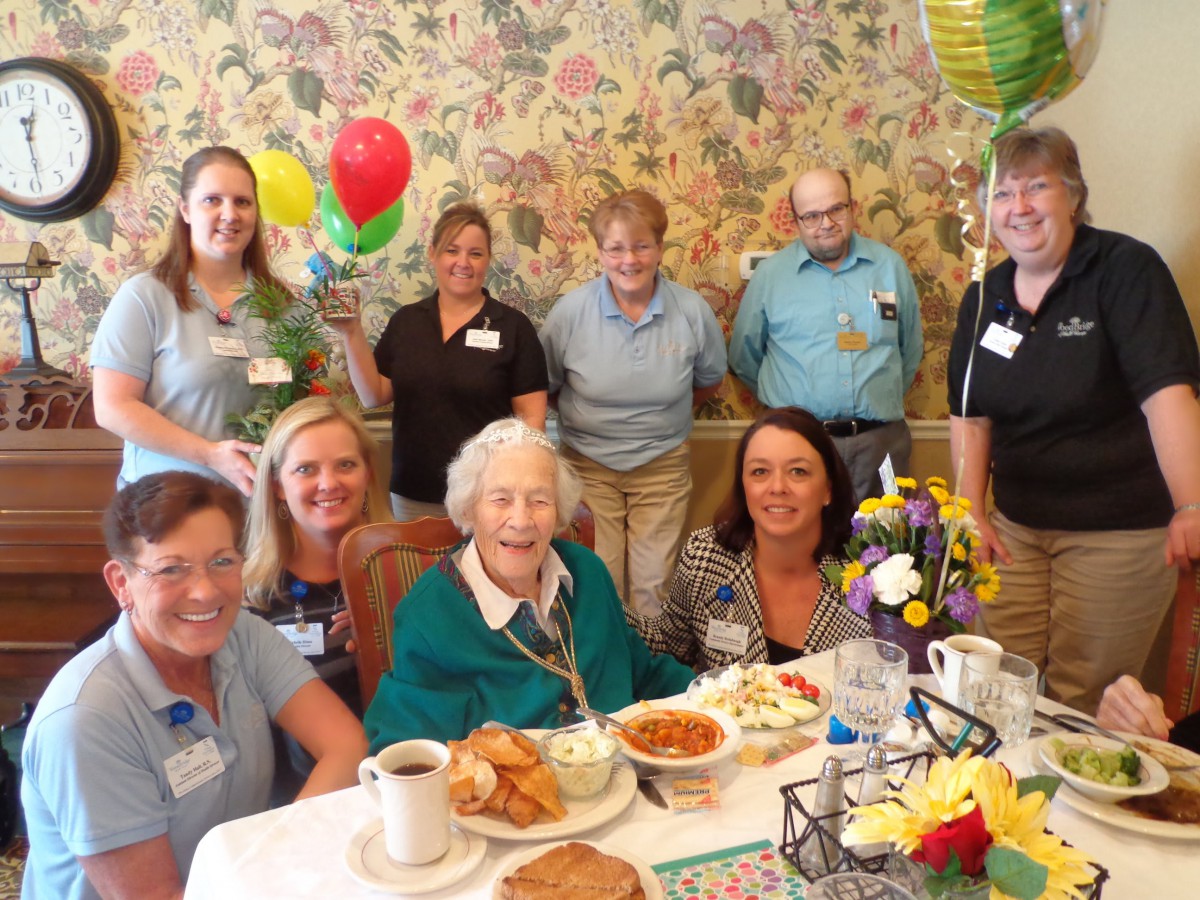
Across the reviews, families repeatedly describe staff as caring, helpful, and quick to respond to questions or day-to-day needs. Several mention frequent communication and attentiveness, including support during therapy and responsiveness when family members reached out. One reviewer even emphasizes how staff treated them like family.
common4 reviews mention this
Food is consistently praised
Meals are a frequent bright spot in resident and family feedback.
Multiple reviews call out the food as amazing or delicious, and at least one highlights that it stood out even among other units and experiences. Another review ties the dining experience to overall satisfaction with daily life at the community, reinforcing that meals are part of what people notice most.
common3 reviews mention this
Therapy support during rehab
Rehabilitation therapy receives strong feedback for thorough, supportive care.
Reviews from people who went through rehab describe occupational and physical therapy as well-run and focused on helping them recover. One reviewer specifically highlights the thoroughness and advanced nature of the physical therapy program. Another mentions staff taking time during therapy and genuinely caring through the process.
common3 reviews mention this
Activities keep residents engaged
Residents and families describe a steady mix of activities and outings.
Several reviews mention fun activities and an active schedule, including day-to-day engagement for people in rehab settings. Others describe community events as something they participated in and valued. Together, the feedback suggests activities are a regular part of the experience rather than occasional extras.
How we summarize
Counts show how many written reviews mention each theme; a review can touch several themes, and only frequently mentioned themes are displayed.
Woodbridge Health Campus offers competitive pricing for its accommodations, with monthly costs reflecting the quality of care and amenities provided. For a studio room, residents can expect to pay $3,690, which is notably higher than the average costs in Cass County at $3,076 and the broader state of Indiana at $3,258. Similarly, the one-bedroom option at Woodbridge is priced at $4,117, surpassing both the county's average of $3,472 and Indiana's average of $3,300. While these figures indicate that Woodbridge Health Campus may be positioned at a premium compared to local and state averages, this investment likely correlates with superior services and a nurturing environment that prioritize resident well-being.
The features at Woodbridge Health Campus are designed to create a nurturing and structured environment that addresses the unique challenges faced by residents with dementia or Alzheimer's disease. With 24-hour supervision, residents receive continuous monitoring to ensure safety and security, while assistance with activities of daily living, such as bathing and dressing, promotes personal dignity and independence. Specialized memory care programming offers tailored cognitive stimulation, enhancing engagement and maintaining mental wellness through dedicated activities. Coordination with healthcare providers ensures comprehensive medical oversight, supporting residents' overall health needs, including medication management for proper adherence to prescribed therapies. Additionally, meal preparation and service focus on nutritional requirements that cater to individual dietary needs, while transportation arrangements facilitate access to medical appointments, ensuring continuity of care. These combined features create a holistic approach that supports both physical comfort and cognitive health for residents at various stages of memory impairment.
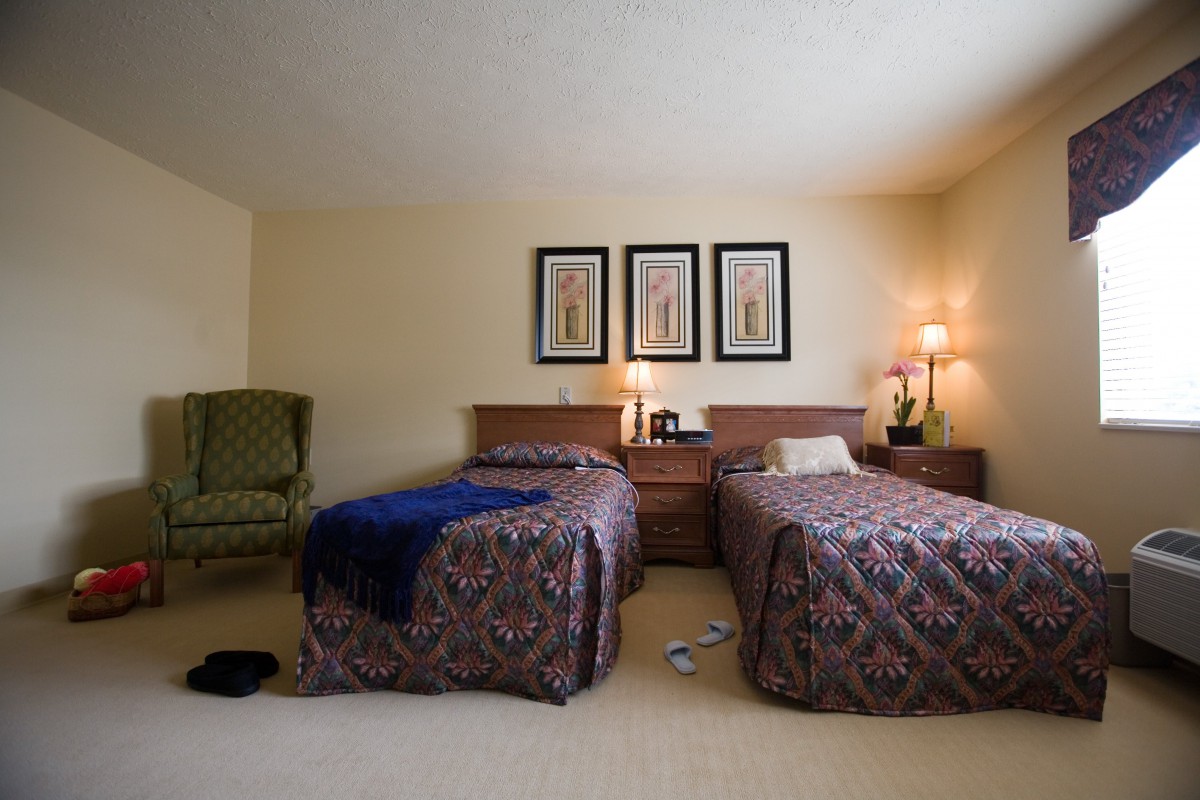
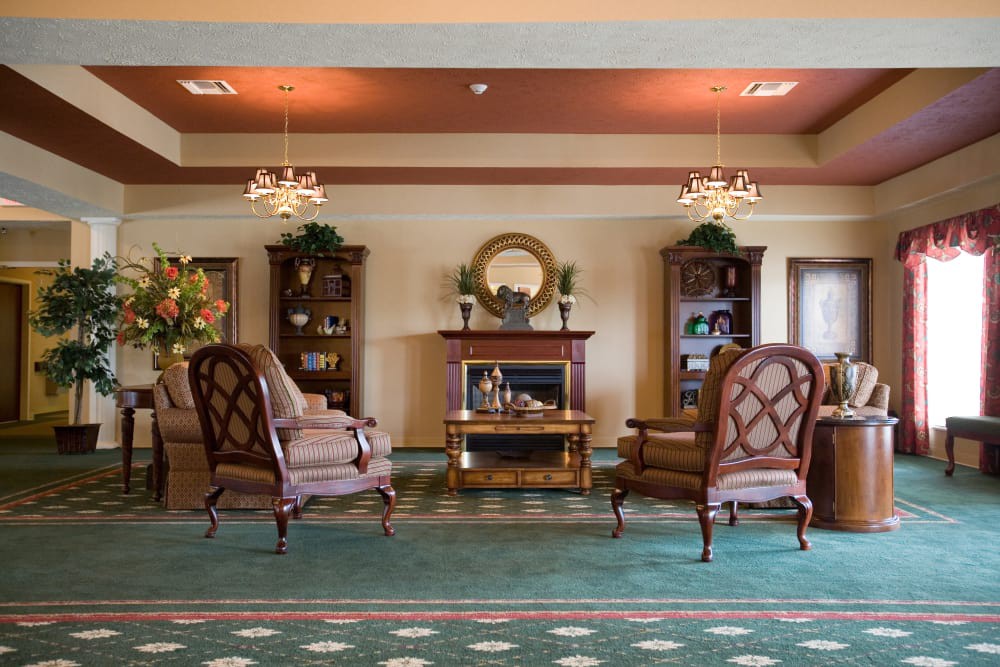
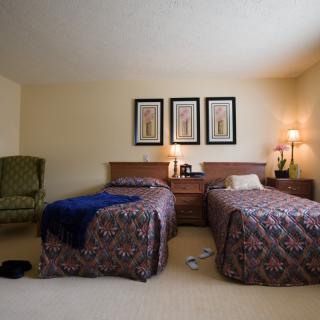
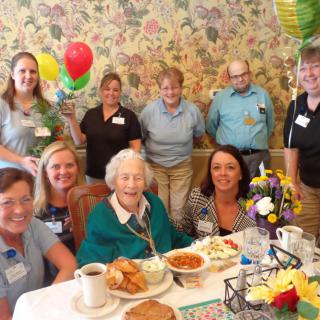
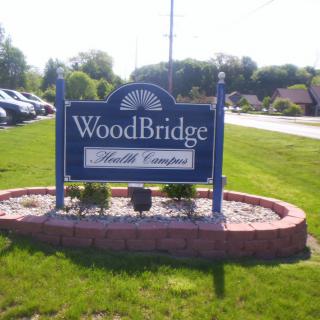
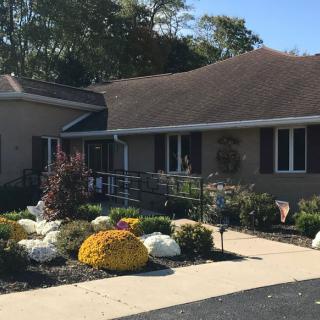
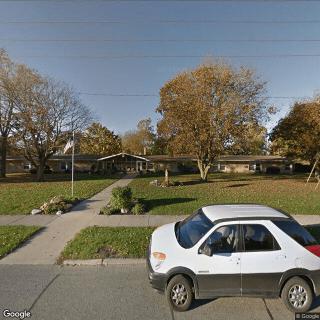
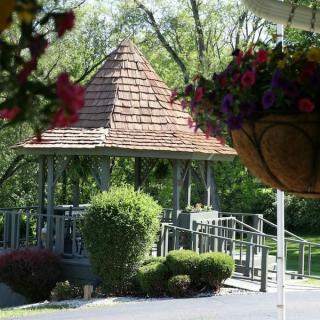
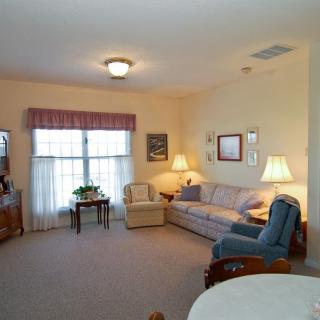
Woodbridge Health Campus on seniors.fyi includes 8 photos including images showing floor plan, interior, bedroom, room design, fireplace, traditional decor, room layout, bathroom, and more.
Nearby Communities
Chase Center
Logansport, IN
4.3 from 23 reviews
Clean, organized facility with caring staff and engaging activities.
Reminiscence therapy helps individuals with dementia recall past memories through structured discussions and meaningful objects, enhancing mood, relationships, and sense of identity while celebrating their lives. It can be practiced in formal settings or at home, requiring sensitivity to personal histories and cultural backgrounds.
Reminiscence therapy is a structured method for older adults, especially those with dementia, to share life stories using prompts and sensory cues, fostering emotional well-being, social engagement, and self-identity. It aims to improve quality of life by enhancing interpersonal connections and cognitive stimulation while requiring careful facilitation to avoid distressing memories.
Dementia, particularly Lewy body dementia, often involves hallucinations that can significantly distress both patients and caregivers due to disruptions in sensory processing and neurotransmitter imbalances. Effective management includes compassionate communication, environmental adjustments, and a multidisciplinary approach to care while addressing the emotional needs of caregivers.
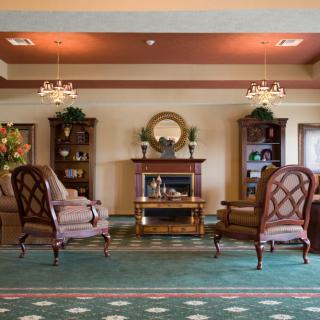
Chandelier, Fireplace, Lobby, and Traditional Decor
Room Design
Additional Photos
Get PricingAsk A QuestionSchedule A TourContact Senior Advisor
By clicking submit, you agree to our Partner's Terms of Use. You
also consent to receive calls and texts, which may be autodialed, from our Partner. Your consent is not a condition to
using our Partner's service. Please visit our Partner's Privacy Policy for information about their privacy practices.


 95 resident community capacity
 Assisted Living
 Day Program
 Memory Care
 Skilled Nursing Facility
 Air-conditioning
 Beauty salon
 Cable or satellite TV
 Computer center
 Devotional services off-site
 Dining room
 Fitness room
 Fully furnished
 Gaming room
 Garden
 Ground floor units
 Handicap accessible
 Housekeeping services
 Indoor common areas
 Kitchenette
 Move-in coordination
 Outdoor common areas
 Private bathrooms
 Restaurant-style dining
 Small library
 Telephone
 Wellness center
 Wheelchair accessible showers
 Wi-Fi/high-speed internet available
 Community operated transportation
 12-16 hour nursing
 24-hour call system
 Ambulatory care
 Assistance with bathing
 Assistance with dressing
 Assistance with transfers
 Diabetes diet
 Diabetic care
 Medication management
 Mental wellness program
 Special dietary restrictions
 Transportation arrangement (medical)
 Art classes
 Catholic services
 Concierge services
 Cooking classes
 Day trips and outings
 Educational speakers / life long learning
 Karaoke
 Wine tasting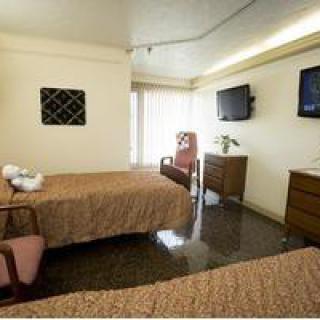
 Clean, organized facility with caring staff and engaging activities.


 Exploring the Power of Reminiscence Therapy for Individuals With Dementia
 An In-Depth Look at Reminiscence Therapy in Dementia Care
 Dementia-Related Hallucinations: Causes, Experiences, and Practical Approaches