


390 West Boulevard, Peru, IN 46970
For more information about senior living options: (866) 208-4318
Hickory Creek At Peru Costs & Pricing
Hickory Creek At Peru offers competitive pricing for its residential care services, particularly when compared to both Wabash County and the broader state of Indiana. For a semi-private room, residents can expect to pay $2,300 per month, which is significantly lower than the county average of $2,597 and well below the state average of $3,739. Furthermore, for those seeking a private room, Hickory Creek At Peru's rate of $3,300 also presents a more affordable option compared to Wabash County's average of $2,840 and Indiana's overall average of $4,418. This pricing positions Hickory Creek At Peru as an appealing choice for individuals looking for quality care at a reasonable cost in the region.
| Floor plans | Hickory Creek At Peru | Wabash County | Indiana |
|---|---|---|---|
| Semi-Private | $2,300 | $2,597 | $3,739 |
| Private | $3,300 | $2,840 | $4,418 |
Skilled Nursing Facilities with a similar price nearby
-
from +$195 / mo

Aperion Estates Peru
$2,495 to $3,095 / month6.6 miles away -
from -$170 / mo

Wellbrooke of Kokomo
$2,130 to $3,360 / month20.7 miles away -
from -$318 / mo

Waterford Place Health Campus
$1,982 to $3,720 / month18.4 miles away
Overall Review of Hickory Creek At Peru
Pros
 The staff are excellent and attentive to residents.
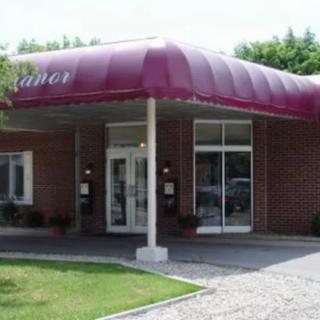
- The facility is clean, well maintained, and offers a warm, homelike atmosphere.
- Residents are well cared for in a small, family-like environment.
- The team provides reliable, friendly service with engaging activities and a focus on healthy living.
- The facility has a wonderful, welcoming family feel, where everyone knows each other.
- The staff get to know residents personally and respond promptly to updates and needs.
- The nursing team and aides work with positive attitudes and put residents' needs first.
- The environment is cozy, comfortable, and homelike, making residents feel valued.
- The building is described as having a strong sense of community and a positive vibe.
- The staff are hardworking, compassionate, and truly dedicated to resident welfare.
Cons
 No Nursing home is Perfect, but Hickory Creek is very close.
Review
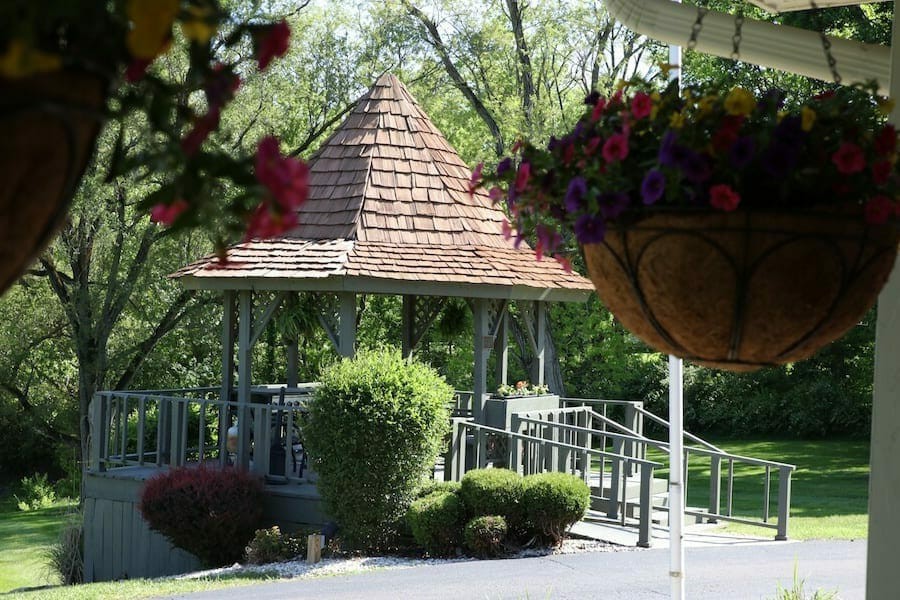
Hickory Creek at Peru is best suited for families prioritizing a small, home-like nursing environment where staff attention feels personal and consistent. The community consistently earns praise for its clean, welcoming atmosphere, and for the way residents are known and cared for as individuals. Reviews emphasize a warm, family-like culture in a modest setting, where the footprint is intentionally smaller so staff can form real relationships with residents. This is the kind of place where a visitor’s impression of “this could be a home” translates into steady, hands-on supervision, predictable routines, and a sense that staff members are invested in each resident’s day-to-day happiness. For families seeking a tight-knit community that minimizes the impersonality that can come with bigger campuses, Hickory Creek at Peru delivers, with a clear emphasis on humane, attentive caregiving.
Those who may want to consider alternatives are families looking for a broader continuum of services or higher medical acuity on site. The reviews note a strong, reliable staff and a focus on daily life, activities, and healthy living, but the small-scale footprint inherently limits the breadth of on-site resources you’ll find at larger facilities. If memory care needs require a specialized unit, if rehabilitation stays demand aggressive therapy options beyond what a small nursing home typically provides, or if a longer-term, campus-style environment with extensive ancillary services is desired, exploring other communities with bigger campuses or dedicated memory care may be prudent. Likewise, families seeking extensive, hospital-like services or highly specialized medical management should evaluate whether the local demand can be met within a smaller setting.
The core pros, personalized attention, staff cohesion, and a homey, inviting atmosphere, more than offset the downsides for the right resident profile. The architecture of care at Hickory Creek at Peru centers on staff who know residents well, respond promptly to updates, and coordinate care with families in a way that reduces anxiety and confusion. The small size is not a limitation so much as a strength: it enables deeper relationships, more consistent routines, and a cohesive team approach that residents and families repeatedly describe as heartening. Strong teamwork among nurses and aides translates into tangible benefits: quicker communication, more proactive care decisions, and a culture where residents are respected, engaged, and treated with genuine kindness. For families who prize continuity of care and a sense that the care team treats their loved one like a member of the family, these advantages are decisive.
Even more compelling are the everyday positives that show up in activity programming, healthy living emphasis, and the transparent, attentive administration. Reviews celebrate meaningful engagement opportunities, a busy schedule of activities, and a philosophy of care that centers residents’ well-being. The “cozy” feel, the clear pride staff take in the environment, and residents’ general happiness create a virtuous circle: happy residents bolster staff morale, and dedicated staff sustain a high quality of life. In a setting this compact, the family experience becomes observable, visits are meaningful, updates arrive promptly, and the atmosphere reinforces dignity and purpose for every resident. These are not superficial niceties; they are core drivers of satisfaction for families seeking not only safety but a genuine quality of daily life.
The few caveats suggested by the reviews hinge on the realities of a smaller facility: one reviewer admits no community is perfect, and another rating signals potential gaps that may matter to some families. In practice, this translates to recognizing that Hickory Creek at Peru may not be the best fit for those who require a vast array of on-site medical services, intensive rehabilitation, or specialized memory-care environments. For the typical resident who thrives on close personal attention, predictable routines, and the comfort of a family-like culture, the cons are minimal and manageable. The offset is substantial: the warmth, reliability, and cohesion of the staff, coupled with a clean, inviting setting, offer a superior day-to-day experience that many families are seeking, often at a lower stress point than larger facilities.
Decision-makers should approach with clear, practical questions aligned to this community’s strengths. Schedule a visit and assess the staffing patterns during peak hours and the cadence of family communications. Inquire about the range of activities and how those programs accommodate varying levels of dependence. Confirm what medical oversight exists on-site, and whether any desired therapies or therapies schedules can be accommodated within the small campus framework. If care needs skew toward daily living support, social engagement, and personalized interaction with a caring team, Hickory Creek at Peru stands out as a compelling choice. If, instead, the priority is a broad medical footprint, expansive memory-care options, or a multi-campus continuum, alternatives deserve serious consideration. In the end, for families seeking a genuinely homelike atmosphere with consistently strong staff engagement, this Peru community is a standout option worth prioritizing in the decision process.
 36 resident community capacity
 Assisted Living
 Skilled Nursing Facility
 Beauty salon
 Cable or satellite TV
 Dining room
 Fully furnished
 Garden
 Housekeeping services
 Kitchenette
 Move-in coordination
 Outdoor space
 Telephone
 Wi-Fi/high-speed internet available
 24-hour call system
 Activities of daily living assistance
 Assistance with bathing
 Assistance with dressing
 Assistance with transfers
 Diabetes diet
 Meal preparation and service
 Medication management
 Mental wellness program
 Special dietary restrictions
 Transportation arrangement (medical)
 Transportation to doctors appointments




 Exploring the Contrasts Between Assisted Living and Skilled Nursing
 8 Key Indicators That Suggest It May Be Time to Transition from Assisted Living to Skilled Nursing Care
 Vibrant Senior Living: A Comprehensive Guide for Active Older Adults