317 Blair Pike, Peru, IN 46970
For more information about senior living options: (866) 208-4318
Overall Review of Miller's Merry Manor VIII
Pros
 The staff are very helpful to residents and visiting family members.
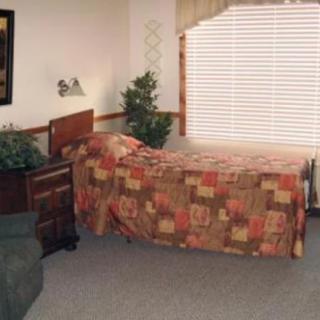
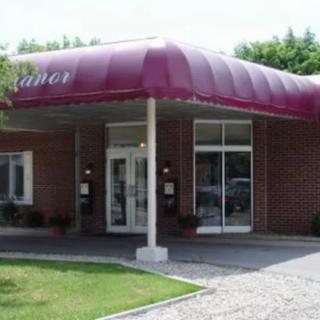
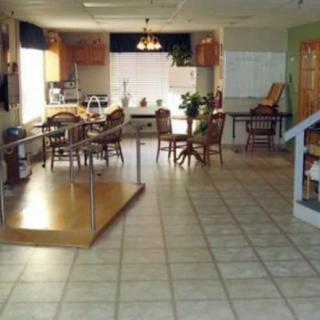
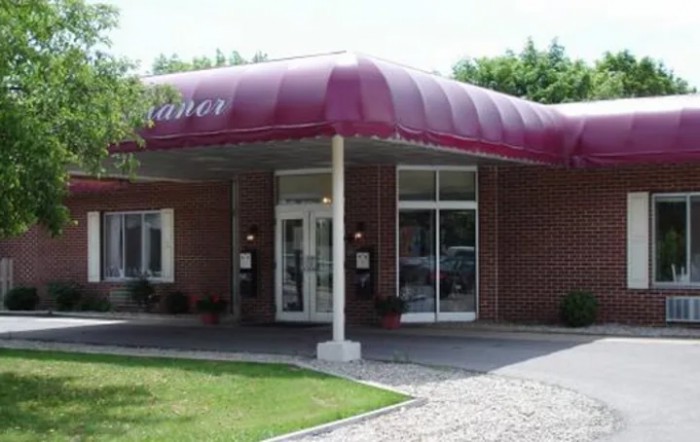
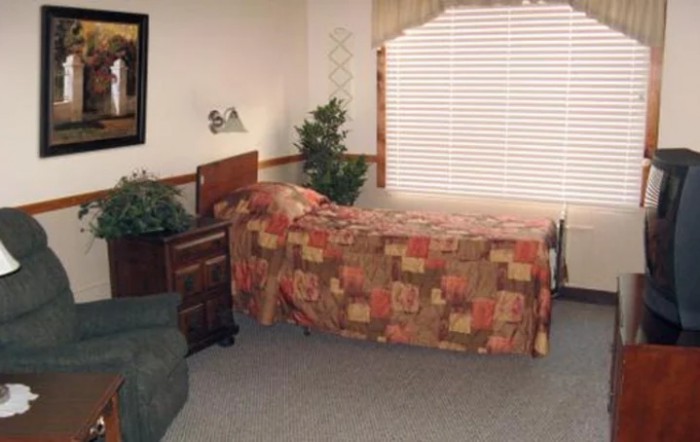
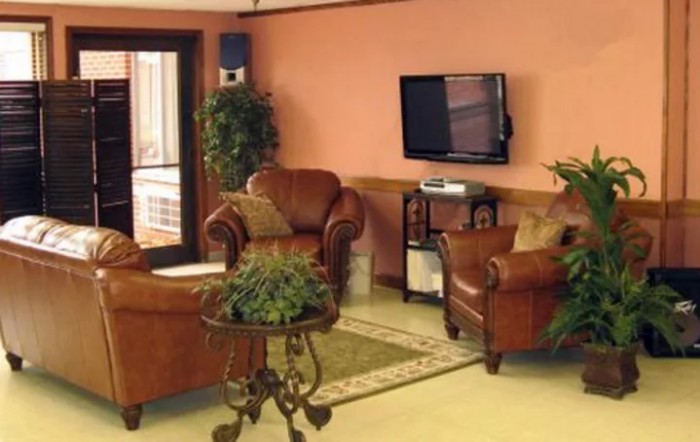
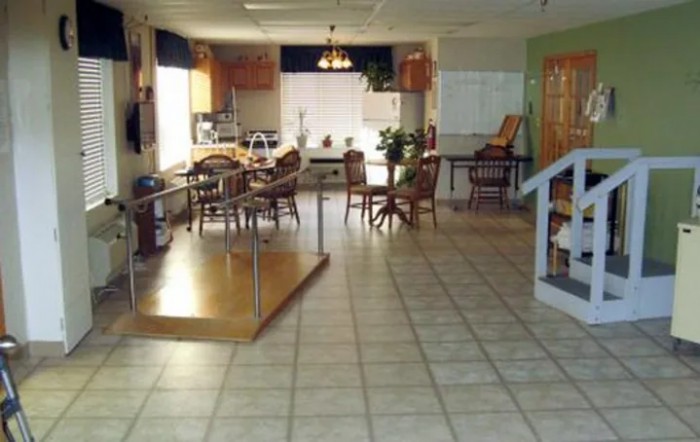
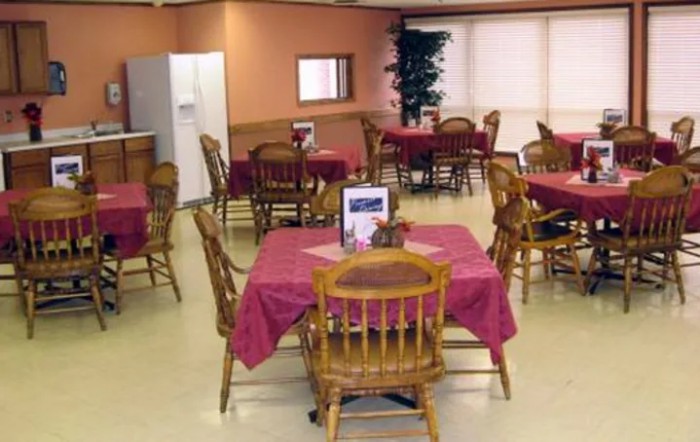
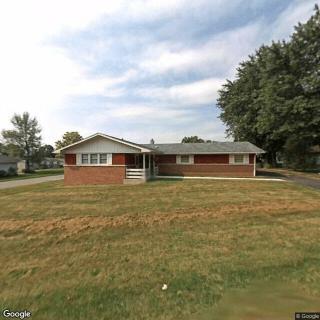
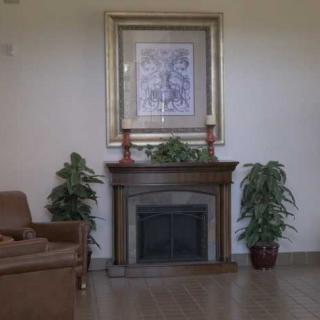
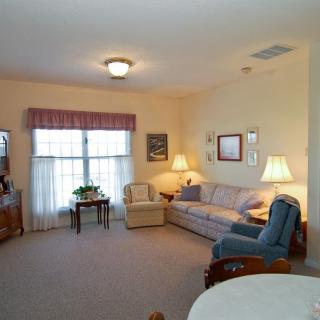
- The facility is older but clean and pretty.
- Millers Merry Manor’s Peru location leaves a strong impression with warm and courteous staff.
- Mom is taken care of extremely well at the Peru location.
- Quarterly care meetings ensure nursing care, meals, health, and activities meet her preferences.
- The staff listen, involve family in planning, and promptly resolve any problems.
- They keep family members informed about changes to medications, room changes, or therapy.
- The reviewer would recommend Millers Merry Manor for long- or short-term care.
Cons
 The facility is described as a hell hole and a dump, with warnings not to put family there.
- The staff ignore call lights, leaving residents to suffer in pain and their concerns unaddressed.
- Residents can’t reach their phones by the bed.
Review
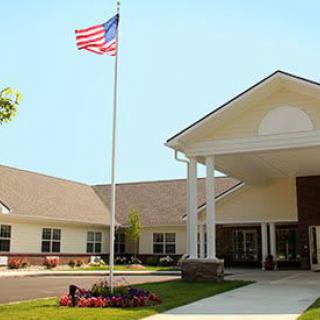
Miller’s Merry Manor VIII in Peru, IN is best suited for families seeking skilled nursing with a clear emphasis on staff engagement and ongoing family communication. The core strength is a hands-on care culture where visitors are greeted promptly and staff appear consistently invested in the resident’s day-to-day wellbeing. The facility presents as older in footprint but clean and pleasant, with staff who make themselves visible and accessible to families during visits. For long-term nursing care or short-term rehabilitation, this community rewards families that value regular updates, collaborative planning, and a listen-first approach to adjusting care plans.
Alternatives should be on the table for anyone whose top priorities include flawless call-light responsiveness and rapid pain management, or who require a newer, more modern facility environment. A recurring caution in reviews is the risk of delayed responses to call lights and residents experiencing unmanaged discomfort. If reliability of immediate assistance is non-negotiable, and if the physical setting of a more contemporary building is important, those factors point toward exploring other options before committing.
The strongest positives revolve around the staff-driven care model and proactive family involvement. Residents’ families report timely communication about medication changes, room moves, or referrals to physical therapy, with staff actively seeking input on what works and what does not. The quarterly care meetings stand out as a meaningful mechanism to align nursing care, nutrition, health status, and activities with the resident’s preferences. This approach, upfront conversations, documented plans, and collaborative adjustment, creates a framework where family trust grows as needs evolve. In practice, these elements help offset common nursing-home concerns by embedding family voice into daily care decisions.
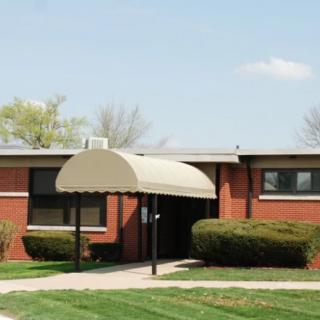
Yet the negatives cannot be ignored, and they color the decision in a meaningful way. At least one review paints a stark, cautionary picture of neglectful call-light response and residents suffering due to inattention. That kind of risk is serious and not easily excused by a pleasant lobby or friendly staff presence. The tension between the positive, engaged-care model and the possibility of delayed help in moments of urgent need means families must scrutinize operational realities, staffing coverage, shift handoffs, and the effectiveness of escalation protocols. The older building, while clean and charming, may also constrain modernization efforts and affect perceived responsiveness if physical layout complicates accessibility.
Overall, the 3.6 rating from seven reviews signals a mid-range experience marked by genuine warmth and strong family communication, tempered by real concerns about timely call-light responses. The Peru unit earns praise for its welcoming atmosphere, noticeable staff involvement, and a care-planning culture that invites family participation. The contrast with the singular, sharply negative report underscores a divide: when the system works, it works well, but when it falters in urgent moments, the impact is meaningful. For families weighing options, this means Miller’s Merry Manor VIII can be a solid fit if the resident’s needs align with attentive, communicative care and if visitors are willing to advocate and monitor day-to-day responsiveness.
To move from consideration to decision, approach the visit with a practical checklist. Observe how fast call lights are acknowledged during a tour, ideally across different times of day. Speak with the charge nurse or nursing director about call-light protocols, pain management procedures, and the plan for escalation if needs aren’t met promptly. Request to see a current care plan and ask to participate in or observe a quarterly care meeting to gauge how resident preferences are translated into action. Confirm staffing patterns, including nurse-to-resident ratios and the consistency of nursing coverage on evenings and weekends. If these elements align with the family’s expectations, Miller’s Merry Manor VIII can offer dependable, family-centered care; if not, alternatives with stronger assurances on immediate responsiveness and a more modern facility environment should be pursued.
 130 resident community capacity
 Assisted Living
 Skilled Nursing Facility
 Air-conditioning
 Beauty salon
 Cable or satellite TV
 Computer center
 Dining room
 Fitness room
 Fully furnished
 Gaming room
 Garden
 Housekeeping services
 Kitchenette
 Move-in coordination
 Outdoor space
 Private bathrooms
 Restaurant-style dining
 Small library
 Telephone
 Wellness center
 Wi-Fi/high-speed internet available
 Community operated transportation
 24-hour call system
 Activities of daily living assistance
 Assistance with bathing
 Assistance with dressing
 Assistance with transfers
 Diabetes diet
 Medication management
 Special dietary restrictions
 Concierge services
 Planned day trips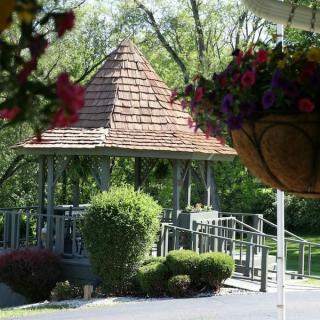



 Vibrant Senior Living: A Comprehensive Guide for Active Older Adults
 When to Transition from Assisted Living to Memory Care: Key Indicators, Steps, and Finding the Right Community
 Assisted Living and Memory Care: Understanding Their Core Differences