
618 West Glenburn Road, Linton, IN 47441
For more information about senior living options: (866) 208-4318
Overall Review of Health Center At Glenburn Home
Pros
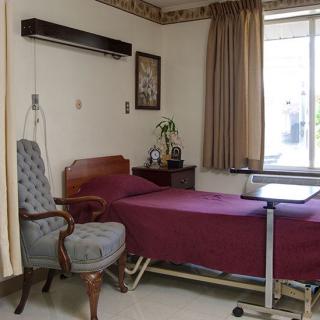
 The facility is very nice.
- The staff is excellent.
- There is great communication.
- The place was clean, and the staff were very friendly.
- Nurses and staff were great, very friendly and professional.
- Inpatient therapy delivered excellent results.
Cons
 The facility is described as the worst place ever, with awful staff.
- There is poor communication among employees, and they do not read what is in the patient records.
- The ADON is accused of talking down to staff, making it hard to retain good employees.
- The place is dark, depressing, and underinvested; funds seem to go to executives rather than improvements.
- Families were yelled at and told to leave, with threats of calling the cops; visiting is harshly handled.
- Care can be dangerous: patients were given the wrong medications, forced into vehicles, and could have died.
- The facility is described as a holding cell for people to die and should be shut down.
- One reviewer calls it a joke and would not recommend it, especially for dementia care.
Review
Health Center At Glenburn Home in Linton is best suited for families that need solid social-work support to navigate transitions and a clean, rehab-friendly environment where coordinated planning can make a tangible difference. The community shows real value when a plan hinges on social services, discharge coordination, and external agency collaboration, especially during complex moves or guardianship matters. It is a fit for residents who benefit from a therapy-focused setting and who can rely on oversight to push care plans forward. At the same time, it is not the ideal choice for those requiring flawless daily nursing consistency or a uniformly positive experience across all shifts and departments.
Those evaluating alternatives should consider Glenburn if the priority is dependable front-office support and a facility that can handle intricate paperwork and family liaison duties well. However, the most persistent concerns cited by critics center on care quality being uneven and management issues seeping into the resident experience. Families should also explore other options if cognitive impairment demands highly specialized dementia care, or if the financial terms, particularly Medicare’s cap on the first 20 days and potential out-of-pocket costs afterward, are a major consideration in long-term planning.
Pros that stand out include the social services framework, which can expeditiously address legal matters and coordinate with outside providers, easing a heavy burden on families in transition. The facility’s cleanliness is repeatedly noted, and the therapy wing has produced positive outcomes for residents who stay long enough to complete rehab programs, with some able to return home afterward. In favorable cases, therapy and care teams communicate clearly and collaborate on treatment plans, offering tangible reassurance to families navigating recovery timelines. These strengths matter most when rehab enrollment and legal coordination are central to the resident’s trajectory.
Yet the downsides are repeatedly troubling and cannot be dismissed. Reports describe inconsistent attention to basic needs, missing hearing aids, dentures, or timely meals for residents with memory or communication challenges. Several accounts accuse administration of poor leadership and a lack of cross-shift communication, creating a sense that care details vanish into a system rather than into daily resident welfare. End-of-life or family visitation experiences are depicted as abrupt or punitive at times, reinforcing a perception of Glenburn as a holding space rather than a home for those with serious medical or cognitive needs.
Those positives can soften some concerns if families employ a rigorous oversight plan, but they rarely erase ongoing care gaps. The clean facility and positive rehab anecdotes offer real value, yet they do not guarantee consistent daily nursing excellence or reliable, compassionate treatment across all units. Social-work engagement can ease transitions, but it cannot fully compensate for frontline lapses, leadership friction, or a consistently uneven resident climate described by multiple families. Financial terms further complicate the decision: Medicare coverage for the initial period is limited, and longer stays may carry substantial out-of-pocket costs, demanding careful budgeting and a clear understanding of payment expectations.
In the end, Glenburn Home suits those who want targeted social-services support, a tidy, therapy-adjacent environment, and concrete rehab potential, provided oversight remains vigilant. Prospective residents should visit at multiple times, speak directly with the social-services supervisor, and demand transparent care plans, including medication management and dementia-specific protocols. If those assurances cannot be confirmed or if staffing stability and respectful daily care are non-negotiable, it would be prudent to explore alternatives with stronger on-the-floor consistency and demonstrable resident satisfaction. The decision hinges on balancing the demonstrated social and rehabilitative strengths against the documented care-quality concerns to determine whether Glenburn is the right short- or longer-term fit.
 149 resident community capacity
 Assisted Living
 Skilled Nursing Facility
 Air-conditioning
 Beauty salon
 Cable or satellite TV
 Computer center
 Dining room
 Fitness room
 Fully furnished
 Gaming room
 Garden
 Housekeeping services
 Kitchenette
 Move-in coordination
 Outdoor space
 Private bathrooms
 Restaurant-style dining
 Small library
 Telephone
 Wellness center
 Wi-Fi/high-speed internet available
 Community operated transportation
 24-hour call system
 Activities of daily living assistance
 Assistance with bathing
 Assistance with dressing
 Assistance with transfers
 Diabetes diet
 Medication management
 Special dietary restrictions
 Concierge services
 Planned day trips




 An Extensive Exploration of the VA Aid and Attendance Benefit
 Senior Transition Services: Understanding Their Role, Cost, and Importance
 Exploring the Path to Senior Living: A Comprehensive Look at Independent Living and Assisted Living