
750 E Ohio St, Jasonville, IN 47438
To contact a resident: (812) 665-2430
For more information about senior living options: (866) 208-4318
Overall Review of Shakamak Good Samaritan Apts
Cons
 It is not a good place to live.
- Residents have broken windows and blinds that have waited years to be fixed.
- Management does not care about residents.
- Residents are told to get everything fixed before moving in because afterward they have no help.
- Wrecks have been rusting in the parking lot for over a year.
- The manager has no concern for residents.
- Residents feel they live in the hood.
Review
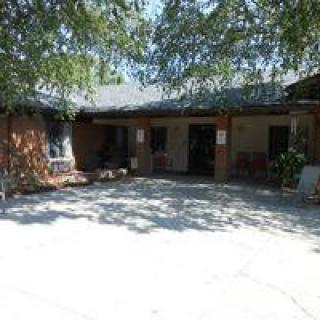
Shakamak Good Samaritan Apartments in Jasonville, Indiana, is best suited for budget-conscious residents who need a basic, affordable place to live and can tolerate long-standing maintenance delays and limited on-site responsiveness. The property shows an aging footprint, broken windows and blinds that have waited years for repair, and the common thread in the feedback is a persistent sense of neglect. Prospective residents should dial expectations down: this is not a polished, modern residence, but a bare-bones option where upkeep is inconsistent and oversight is more reactive than proactive. For someone whose income is fixed and who can tolerate ongoing maintenance gaps, the lower price point may hold some appeal; for others, the lived experience will feel insufficient.
Who should consider alternatives becomes clear quickly. Anyone who prioritizes safety, reliability, and prompt maintenance should look elsewhere. The parking lot carries visible hazards, with rusting wrecks sitting unused for extended periods, signaling at best a lax approach to property care and at worst a risk to daily safety. Managementā€™s responsiveness, or lack thereof, appears to be a recurring limit, and residents report feeling the environment is not well cared for or protected. For individuals who require consistent help with repairs, accessibility upgrades, or a sense of professional oversight, this property is unlikely to deliver. Even though there is a lone five-star rating, the heavier pattern reflected in the negative review recommends serious caution.
The core cons overwhelm any potential upside. The most concrete issue is maintenance that never seems to arrive: windows and blinds left unfixed for years translate into drafts, discomfort, and a home that feels unfinished. The impression that management could care less compounds the problem, creating a cycle where small issues spiral into larger frustrations because residents cannot rely on timely intervention. The rusted vehicles in the parking area over long periods underscore a broader neglect that erodes daily quality of life and occupant morale. In this context, any perceived affordability loses value when the environment fails to feel safe, stable, or welcoming.
Yet some offset potential exists, centered on typical tradeoffs in low-cost housing. If rent is substantially lower than surrounding options, residents may accept slower maintenance as a tolerable compromise. Those who can shoulder occasional inconveniences in exchange for lower housing costs may find value here, but only if they maintain an active, hands-on stance, documenting issues, pressing management for clear timelines, and verifying repairs before committing. A prudent plan includes requests for a written maintenance schedule, a current work-order log, and a detailed pre-move-in inspection focusing on windows, blinds, doors, and the overall condition of common areas and parking.
Decision-making should hinge on hard data rather than hope. Engage with current residents about actual repair turnaround times, the security of late hours, and the accessibility of the on-site manager. Scrutinize the lease for maintenance responsibilities, remedies for unmet commitments, and any penalties tied to neglect. Demand a thorough walkthrough of the unit prior to signing, with a formal checklist that captures the condition of windows, blinds, doors, and essential systems. Compare this property against nearby options with stronger maintenance records, clearer accountability, and more transparent operations; the contrast will be decisive for most families evaluating senior-adjacent housing or affordable independent living.
In final terms, Shakamak Good Samaritan Apartments are not a strong fit for decision-makers who require reliability, safety, and a consistently well-maintained home environment. The property may appeal to those for whom price trumps every other consideration and who can tolerate ongoing upkeep gaps without external pressure to improve. The existence of at least one positive rating shows there is at least some satisfaction among a subset of residents, but the weight of documented concerns, broken repairs, indifferent management, and unsafe-feeling surroundings, outweighs potential benefits for most. For families and individuals with options, pursuing alternatives in the region that deliver steadier maintenance, better security, and more proactive management will yield a markedly more predictable, comfortable living experience.
 Independent Living
 Comprehensive on-site care with 24/7 supervision, medication management, and a wide range of amenities (dining, activities, fitness, salon, transportation).


 Understanding the Sandwich Generation: Stress and Responsibilities for Multigenerational Caregivers
 8 Essential Assistive Devices for Older Adults
 Navigating the Financial Road to Nursing Home Care: In-Depth Guidance and Resources