
800 East Ohio Street, Jasonville, IN 47438
For more information about senior living options: (866) 208-4318
Overall Review of Good Samaritan Society Shakamak Retirement Community
Cons
 It is not a good place to live.
- Residents have broken windows and blinds that have waited years to be fixed.
- Management could care less about residents.
- Prospective tenants are told to get everything fixed before moving in because afterwards there is little chance.
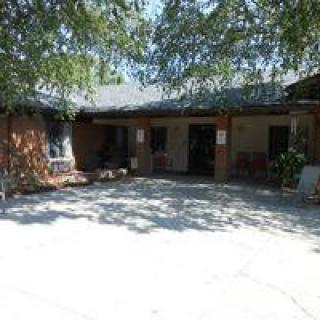
- Wrecks are rusting in the parking lot for over a year.
- The manager has no concern for residents.
- They feel they live in the hood.
Review
This Good Samaritan Society Shakamak Retirement Community in Jasonville is best suited for seniors who are prepared to take an active hand in shaping their living environment and are seeking a lower-cost option in a rural Indiana setting. It rewards residents who insist on thorough pre-move-in clarity and sustained oversight, because maintenance and upkeep appear variable and rely on persistent advocacy from residents or families.
Those who should seriously consider alternatives are families prioritizing dependable maintenance, transparent management, and a consistently well-kept, resident-centered environment. If reliable repairs, prompt responsiveness, and a professional tone from leadership matter, it’s prudent to look at other options, whether within the Good Samaritan network or among competing local communities, where the expectations for upkeep and resident advocacy are higher.
A clear gap remains between the existence of some potential strengths and the repeated, tangible downsides documented in the reviews. A single five-star rating hints at moments of satisfaction, but without specifics it cannot offset the pattern of concerns raised. The core drawbacks, windows and blinds languishing unrepaired for years, rusting vehicles in the parking lot, and a manager perceived as disengaged from resident welfare, undercut daily quality of life and erode confidence in long-term value.
Prospective residents should demand a rigorous pre-move-in plan and robust ongoing oversight. Implement a finish-it-now checklist: verify that all windows, blinds, doors, lighting, and safety systems are fully functional; review a detailed maintenance response timeline; request a complete maintenance log for the past 12 months; tour parking areas to assess cleanliness and vehicle neglect; meet with the administrator to establish escalation paths for urgent repairs; and obtain written commitments on accountability and timeline on outstanding issues. The goal is to ensure issues are not deferred and that a concrete process exists for continuing improvements after move-in.
From a cost-and-service perspective, the value proposition requires careful validation. The limited feedback makes it difficult to gauge whether monthly fees align with the actual upkeep and service level. Residents should seek transparent contracts that spell out what is included, what constitutes extra charges for maintenance or repairs, and how service quality is monitored over time. In addition, compare staffing levels, activity programming, dining options, and transportation services with nearby communities to ensure a more reliable baseline of daily living supports.
The bottom line is candid and straightforward: this community carries meaningful risk for families who require reliable upkeep and engaged, proactive management. It may suit a short-term arrangement for those who can secure and enforce a firm improvement plan before moving in, but for most seniors and their loved ones, exploring more consistently well-maintained alternatives is the prudent course. A thoughtful, hands-on due diligence process will reveal whether the balance of low cost and potential issues is acceptable or if a better alignment with needs exists elsewhere.
 60 resident community capacity
 Assisted Living
 Skilled Nursing Facility
 Air-conditioning
 Beauty salon
 Cable or satellite TV
 Computer center
 Dining room
 Fitness room
 Fully furnished
 Gaming room
 Garden
 Housekeeping services
 Kitchenette
 Move-in coordination
 Outdoor space
 Private bathrooms
 Restaurant-style dining
 Small library
 Telephone
 Wellness center
 Wi-Fi/high-speed internet available
 Community operated transportation
 24-hour call system
 Activities of daily living assistance
 Assistance with bathing
 Assistance with dressing
 Assistance with transfers
 Diabetes diet
 Medication management
 Special dietary restrictions
 Concierge services
 Planned day trips
 24/7 staff for personalized care, spacious apartments, and engaging activities.



 Comprehensive Insights into Activities of Daily Living (ADLs) and Their Assessment
 Medicare Coverage for Assisted Living: An In-Depth Exploration
 Choosing the Right Senior Care: A Detailed Exploration of Assisted Living and Nursing Homes